

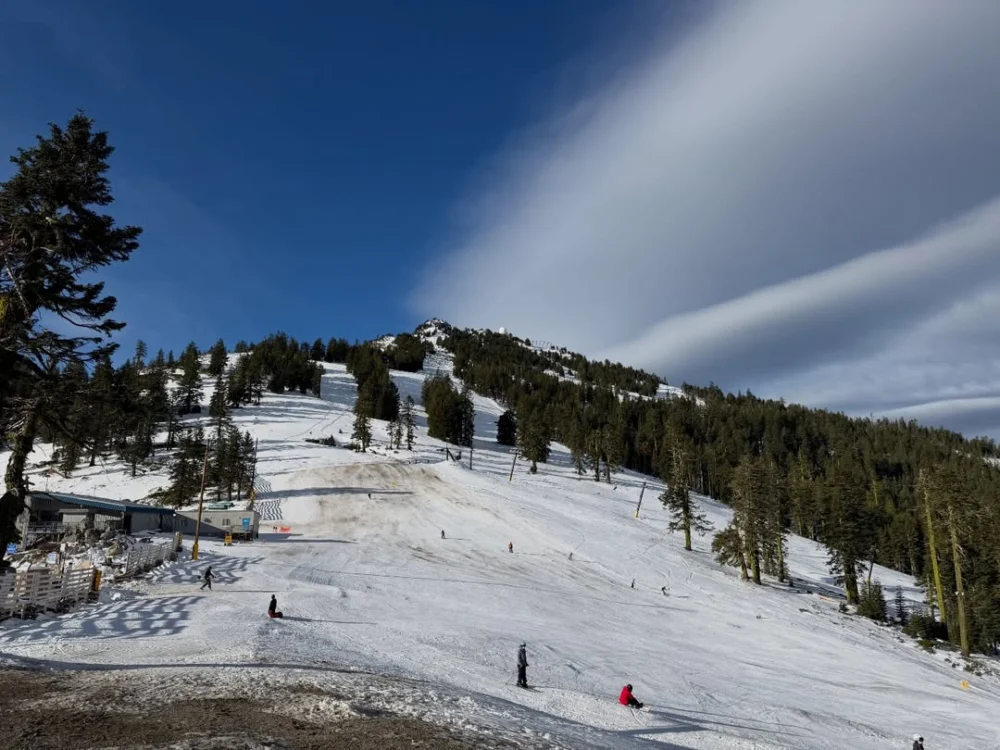
Mt. Ashland ski area has officially ceased operations for the 2025-2026 winter season, marking one of the shortest and most challenging periods in its history. The southern Oregon resort managed to open its slopes for a mere 17 days, further compounded by seven limited Twilight night sessions, before succumbing to persistent warm temperatures and a critical lack of snowfall. The announcement, made on March 12th, confirmed the resort’s inability to reopen after its final closure on February 28th, a decision driven by the unfulfilled hope for a late-season snow event. This season stands in stark contrast to typical conditions, underscoring a broader trend of unpredictable winter weather patterns impacting ski destinations.
A Season Defined by Scarcity: Chronology of a Challenging Winter
The 2025-2026 winter at Mt. Ashland was characterized by a series of tentative openings and disheartening closures, a stark departure from the resort’s usual operational rhythm. The season’s initial attempt to welcome skiers and snowboarders began in late December. However, this early optimism was quickly dampened by a period of rain and insufficient snow coverage, forcing an immediate closure on January 1st.
A brief, yet ultimately unsustainable, reopening occurred on January 7th. The respite was short-lived, as deteriorating conditions led to another shutdown just days later. This pattern of intermittent operations continued sporadically throughout the early months of the year, as resort management grappled with the unpredictable and sparse snowfall.
The resort’s final decision to end the season on March 12th came after a prolonged period of anticipation, with the last operational day being February 28th. Despite holding out hope for a late-season weather system that might replenish the mountain’s snowpack, these hopes remained unfulfilled. The consistent absence of significant snowfall, coupled with unseasonably warm temperatures, ultimately rendered any further operation impossible.

Snowfall Deficits: A Deep Dive into the Numbers
The dramatic curtailment of the Mt. Ashland season is starkly illustrated by its snowfall totals. Typically, the resort boasts an average annual snowfall exceeding 265 inches, a figure that provides a robust foundation for its winter operations. This season, however, the mountain recorded a mere 82 inches of snow. This represents a deficit of over 69% compared to its historical average, a significant shortfall that directly impacted the resort’s ability to maintain skiable terrain and operate its lifts.
The low snow accumulation is not an isolated incident for Mt. Ashland but rather symptomatic of a broader regional challenge. Ski resorts across Oregon and the Pacific Northwest have reported similar struggles throughout the 2025-2026 winter. Factors contributing to this widespread phenomenon include El Niño/La Niña oscillations, shifts in atmospheric river patterns, and an increase in overall winter temperatures. While specific meteorological analyses for the precise causes of this season’s deficit are ongoing, the observable impact on snow-dependent industries is undeniable.
Addressing Pass Holder Concerns: Compensation and Future Outlook
The significant reduction in operating days had a direct impact on Mt. Ashland’s season pass holders. The resort’s Unlimited pass typically includes a 50-day guarantee, a commitment that proved impossible to meet this year. In recognition of this shortfall and to maintain goodwill with its loyal customer base, Mt. Ashland has outlined compensation measures.
Returning Unlimited pass holders will be eligible for a 33% discount during the upcoming spring pass sale. Similarly, Twilight pass holders, who enjoy access during evening hours, will receive a 24% discount during the same sale period. These discounts are intended to acknowledge the inconvenience and disappointment experienced by pass holders who were unable to fully utilize their purchased access due to the truncated season.
Broader Impact and Industry Implications
The challenges faced by Mt. Ashland are indicative of a larger trend affecting the ski industry. Climate change is increasingly recognized as a significant factor influencing winter sports. Rising global temperatures lead to reduced snowfall, shorter snow seasons, and more frequent rain events at lower elevations, all of which directly threaten the viability of ski resorts.

For communities that rely on ski tourism, such as Ashland, the economic implications of a severely shortened season can be substantial. Local businesses, including lodging providers, restaurants, and equipment rental shops, often experience a significant decrease in revenue when ski areas operate for limited periods. The reduced operational days at Mt. Ashland likely translated into fewer visitors and, consequently, a diminished economic impact on the surrounding region.
Furthermore, the inconsistent and unpredictable nature of winter seasons poses long-term strategic challenges for ski resorts. Planning for infrastructure development, staffing, and marketing becomes more complex when the fundamental resource – snow – is unreliable. Resorts may need to invest in more advanced snowmaking technologies, explore diversification of their year-round offerings, or adapt their business models to account for increasingly variable winter conditions.
The experience of Mt. Ashland this past season serves as a critical case study for the broader ski industry. It underscores the urgent need for adaptive strategies and a proactive approach to addressing the realities of a changing climate. As weather patterns continue to evolve, the ability of ski resorts to remain operational and economically sustainable will hinge on their capacity to innovate and respond to these environmental shifts. The resort’s commitment to its pass holders, while a necessary measure, also highlights the financial and operational strain that such a season can impose. The coming years will likely see further discussions and adaptations within the industry as it navigates the ongoing challenges of a warming planet.
A Look Back at the Season’s Visuals
The accompanying imagery from Mt. Ashland, including a photograph captured on December 31st of the past season, visually encapsulates the difficult conditions. While the image depicts the resort, it serves as a poignant reminder of the potential beauty and operational capacity that was largely unattainable for the majority of the 2025-2026 winter. The stark contrast between the visual promise of a ski resort and the operational reality of limited snow and short operating days is a powerful testament to the season’s struggles. The resort’s social media presence, often a vibrant hub for sharing snow conditions and operational updates, likely reflected the same sentiment of disappointment and resilience throughout the challenging period.
Conclusion
The 2025-2026 season at Mt. Ashland will undoubtedly be remembered as a year of unprecedented challenges, driven by a historically low-snow winter. The resort’s ability to operate for just 17 days underscores the significant impact of climate variability on the ski industry. While the resort has implemented measures to compensate its pass holders, the broader implications for winter tourism and the economic health of communities reliant on snow sports are substantial. As the industry looks ahead, the lessons learned from seasons like this will be crucial in shaping future strategies for adaptation and resilience in the face of evolving environmental conditions. The commitment to transparency and customer support demonstrated by Mt. Ashland in addressing pass holder concerns offers a model for navigating such difficult operational periods.
