

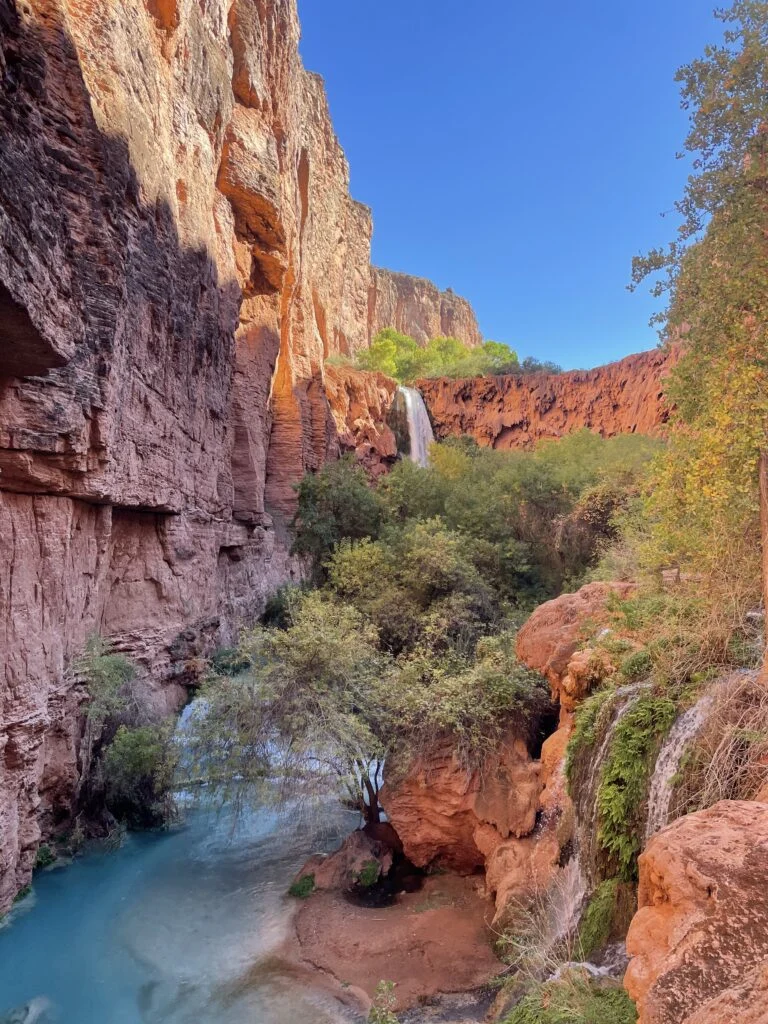
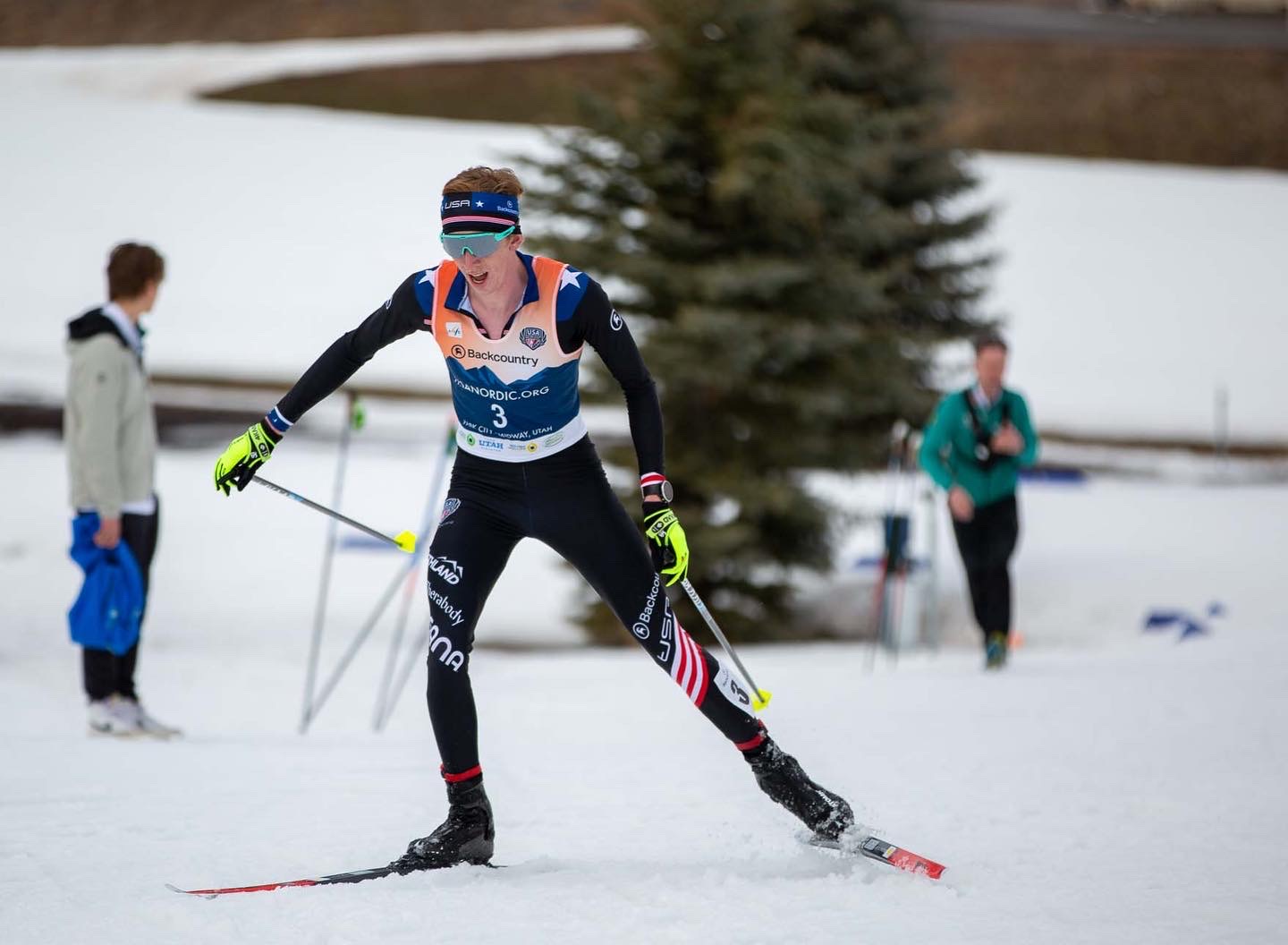
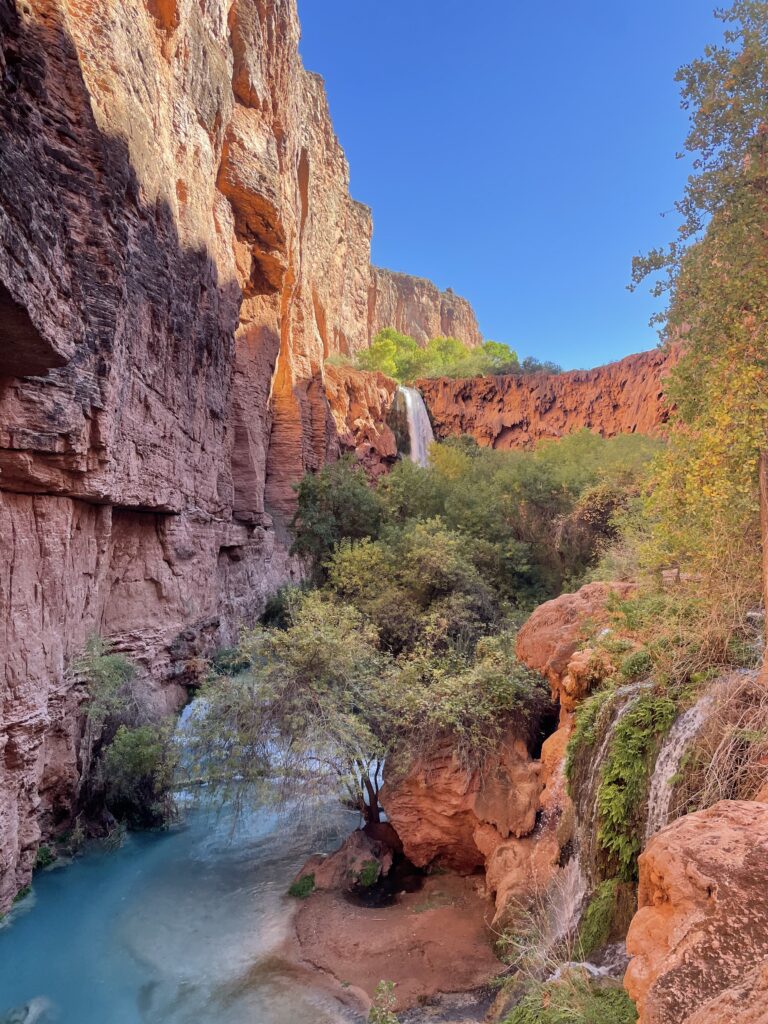
The realization of a significant shift in the American political and environmental landscape reached Jared Shumate, a 2022 Winter Olympian, three days after the 2024 presidential election had been called. While the rest of the nation processed the return of Donald Trump to the White House, Shumate was deep within the canyon country of Arizona, disconnected from digital communication and the 24-hour news cycle. This delay in information served as the catalyst for a profound career pivot, as Shumate transitioned from an athlete-advocate to a student of systemic change, enrolling in a Master’s in Public Policy program to address what he identifies as an existential threat to the nation’s public lands and climate protections.
Shumate’s experience mirrors a broader trend within the "Outdoor State"—a demographic of approximately 180 million outdoor enthusiasts whose economic and political influence is increasingly being mobilized in response to federal policy changes. The 2024 election results have signaled a rapid dismantling of environmental regulations established over the previous four years, prompting a new wave of grassroots and academic engagement from those who rely on the natural environment for their livelihoods and recreational pursuits.
Chronology of an Information Gap and a Career Shift
On November 5, 2024, as voters across the United States headed to the polls, Shumate was at a remote campsite in Arizona. Having spent the preceding months campaigning—knocking on doors in Bozeman, Montana, and organizing voter registration drives at the University of Utah—he remained optimistic about a victory for Vice President Kamala Harris. His advocacy was rooted in the belief that a Harris administration would continue to expand protections for the very landscapes he was currently traversing.
The timeline of Shumate’s realization began on November 8, when he returned to an area with cellular service. The headlines confirmed that Donald Trump had secured a second term. The immediate response from the environmental community was one of strategic reassessment. For Shumate, the news prompted an immediate decision to return to academia. Within minutes of regaining signal, he committed to pursuing a Master’s in Public Policy, seeking to bridge the gap between his background in geography and environmental science and the technicalities of legislative influence.
The Environmental Policy Landscape: 2024 and Beyond
The second Trump administration has moved swiftly to implement a platform focused on energy deregulation and the expansion of extractive industries on federal lands. This shift involves several key pillars that have direct implications for the outdoor recreation industry and environmental conservation.
Rollbacks of EPA Authority and Clean Air Protections
A primary focus of the administration has been the weakening of the Environmental Protection Agency (EPA). By revisiting the "Waters of the United States" (WOTUS) rule and seeking to limit the agency’s ability to regulate greenhouse gas emissions under the Clean Air Act, the administration aims to reduce the regulatory burden on the manufacturing and energy sectors. Analysts suggest that these rollbacks could lead to a significant increase in domestic carbon output, potentially hampering international efforts to meet Paris Agreement targets.
Public Lands and Extractive Industry Expansion
The administration’s "Energy Dominance" agenda emphasizes the opening of previously protected public lands to drilling and mining leases. This includes potential re-evaluations of national monument boundaries, a move that echoes the 2017 reductions of Bears Ears and Grand Staircase-Escalante. For athletes like Shumate and organizations like Protect Our Winters (POW), these policy shifts represent a direct threat to the "wild places" that form the backbone of the outdoor economy.
The Impact on the Outdoor Economy
According to data from the Bureau of Economic Analysis (BEA), the outdoor recreation economy accounts for approximately $1.1 trillion in gross economic output, representing 2.2% of the U.S. GDP. This sector supports nearly five million jobs across the country. Environmental advocates argue that the long-term economic stability of this industry is tied to the preservation of public lands and the mitigation of climate change, which threatens the snowpack necessary for winter sports and the water levels required for summer recreation.
From Advocacy to Expertise: The Role of Protect Our Winters
Jared Shumate’s involvement with Protect Our Winters (POW) has provided him with a platform to engage in high-level lobbying in Washington, D.C. POW, founded by professional snowboarder Jeremy Jones, has evolved from a niche advocacy group into a sophisticated political force. The organization focuses on mobilizing the "Outdoor State" by framing climate change not just as an environmental issue, but as a threat to a way of life and a massive economic engine.
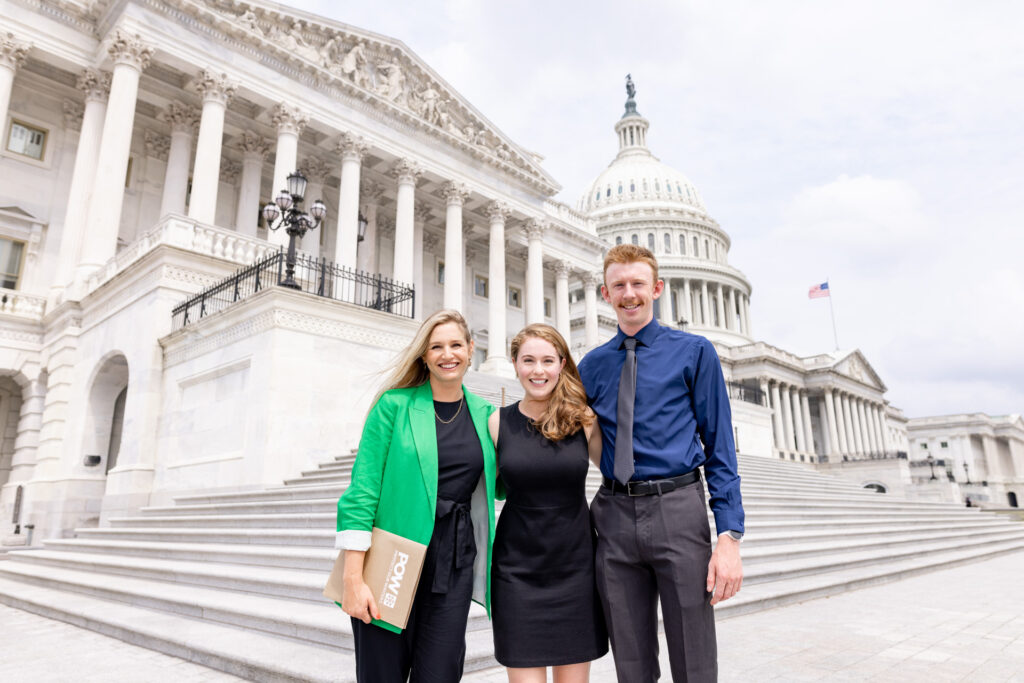
During his time with POW, Shumate participated in "Lobby Days," meeting with lawmakers to discuss the transition to clean energy and the protection of federal lands. However, the 2024 election outcome highlighted the limitations of grassroots advocacy when faced with a wholesale shift in executive branch priorities. This realization underscored Shumate’s decision to pursue a Master’s in Public Policy. By understanding the intricacies of the administrative state, Shumate aims to become a more effective "insider" advocate, capable of navigating the complex rulemaking processes that define federal environmental law.
The Power of the "Outdoor State" and the Path to the Midterms
As the initial shock of the 2024 election subsides, the focus of the outdoor community has shifted toward the upcoming midterm elections. The concept of the "Outdoor State" is central to this strategy. With 180 million participants, this group represents a diverse coalition that spans the political spectrum but shares a common interest in land access and environmental health.
Statistical Analysis of Outdoor Voters
Internal polling and demographic studies suggest that outdoor enthusiasts are increasingly viewing environmental protection as a non-partisan "quality of life" issue. In swing states like Colorado, Nevada, and Montana, where outdoor recreation is a primary economic driver, the voting patterns of this group can significantly influence congressional outcomes. The strategy for the midterms involves moving from "apathy to action" by emphasizing that federal policy is often decided by narrow margins in local districts.
Addressing Apathy Through Local Engagement
Shumate and other advocates argue that while a presidential election sets the national tone, local and state-level decisions often have a more immediate impact on conservation. Actions such as attending public land management meetings, participating in state-level environmental commissions, and voting in local elections are being promoted as essential components of a broader resistance to federal deregulation.
Implications for Future Environmental Governance
The pivot toward professionalized advocacy by figures like Shumate suggests a maturing of the environmental movement. Rather than relying solely on public awareness campaigns, there is a growing emphasis on technical expertise in law, economics, and policy. This shift is seen as necessary to counter the influence of well-funded industry groups that have historically dominated the regulatory process.
The second Trump administration’s approach to the environment is expected to face significant legal challenges from environmental NGOs and state attorneys general. The "Master’s in Public Policy" path chosen by Shumate reflects a strategic preparation for a prolonged period of administrative and legal maneuvering. By training a new generation of advocates who are as comfortable in a Senate hearing room as they are in the backcountry, the environmental movement is positioning itself for a multi-front defense of current protections.
Conclusion: Action as an Antidote to Uncertainty
For Jared Shumate, the transition from the silence of the Arizona canyons to the rigors of public policy studies represents a personal and professional response to a changing nation. His journey highlights a critical moment for the American environmental movement, where the frustration of political defeat is being channeled into a renewed focus on education and systemic engagement.
As the nation looks toward the midterms, the "Outdoor State" remains a potent, if sometimes underutilized, political force. The impact of one individual’s advanced degree may be limited, but the collective mobilization of millions of outdoor enthusiasts—informed by data and empowered by policy expertise—could redefine the future of American environmental protection. The transition from "apathy to action" is no longer just a slogan for advocates like Shumate; it is a prerequisite for the survival of the landscapes they cherish.
