

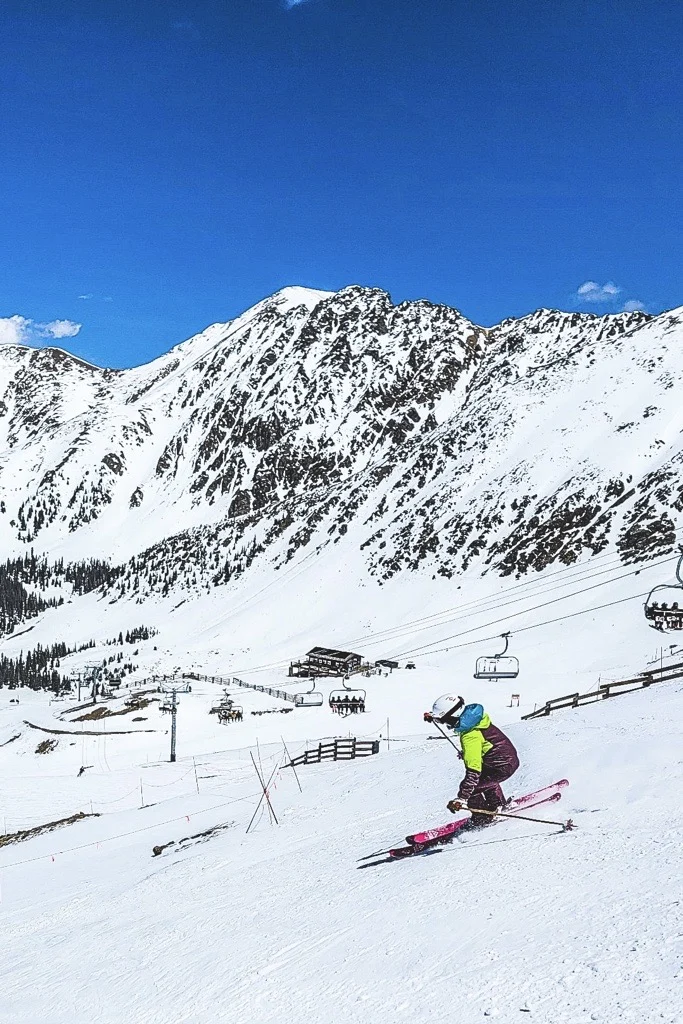
The transformative power of professional snowsports instruction has been underscored by a recent account from Katherine Fuller, PSIA-AASI Director of Marketing and Communications, whose participation in a five-week intermediate lesson program at Eldora Mountain in Colorado led to a profound shift in her relationship with skiing. Fuller, an industry professional who had long struggled with personal confidence and technical plateaus on the slopes, experienced firsthand the meticulous methodology and psychological insights that define certified instruction, ultimately achieving a sense of belonging and joy previously elusive. Her journey highlights the critical role of expert guidance in overcoming adult learning barriers and fostering sustained engagement in snowsports.
A Personal Journey with Professional Resonance
Katherine Fuller’s decision to enroll in Eldora Mountain’s intermediate program marked a significant departure from her usual role within the snowsports industry. Having started her career in snowsports marketing in 2019, Fuller’s background was not rooted in a lifelong connection to the mountains. She learned to snowboard in her twenties and ski in her thirties, a trajectory that often presented unique challenges. For years, she navigated the slopes with a pervasive sense of inadequacy, frequently skiing with more advanced companions, leading to constant self-comparison and a detrimental impact on her confidence. This often resulted in plateaued skill development, entrenched bad habits, and a skiing experience marred by fear and doubt. Compounding this, her professional position within the industry amplified feelings of being a "fraud," unable to fully embody the expertise she represented.
Fuller’s experience is not uncommon among adult learners who enter snowsports later in life. Research from the National Ski Areas Association (NSAA) indicates a growing segment of adult participants, many of whom seek formal instruction to improve their skills and enhance safety. However, adult learners often face distinct psychological barriers, including a heightened fear of failure, self-consciousness about perceived lack of ability, and a reluctance to abandon ingrained, albeit inefficient, techniques. Fuller’s personal battle with acrophobia, manifesting as panic during lift rides, further illustrates the complex emotional landscape many adult learners contend with. By opting for an anonymous enrollment, deliberately concealing her professional affiliation with PSIA-AASI and paying for the program herself, Fuller sought to strip away these external pressures and engage purely as a student, a decision that proved instrumental in her breakthrough.
Eldora Mountain’s Intermediate Program: A Supportive Learning Environment
Eldora Mountain, nestled in Boulder County, Colorado, is known for its accessibility and commitment to fostering a vibrant snowsports community. Its five-week intermediate lesson program for women, which Fuller joined, is a testament to this commitment. The program is specifically designed to address the needs of adult learners, recognizing that a supportive environment is as crucial as technical instruction. Upon arrival, participants were observed and sorted by instructors into groups of similarly skilled skiers, a pedagogical approach that instantly alleviated Fuller’s long-standing anxiety about keeping up with more advanced peers.
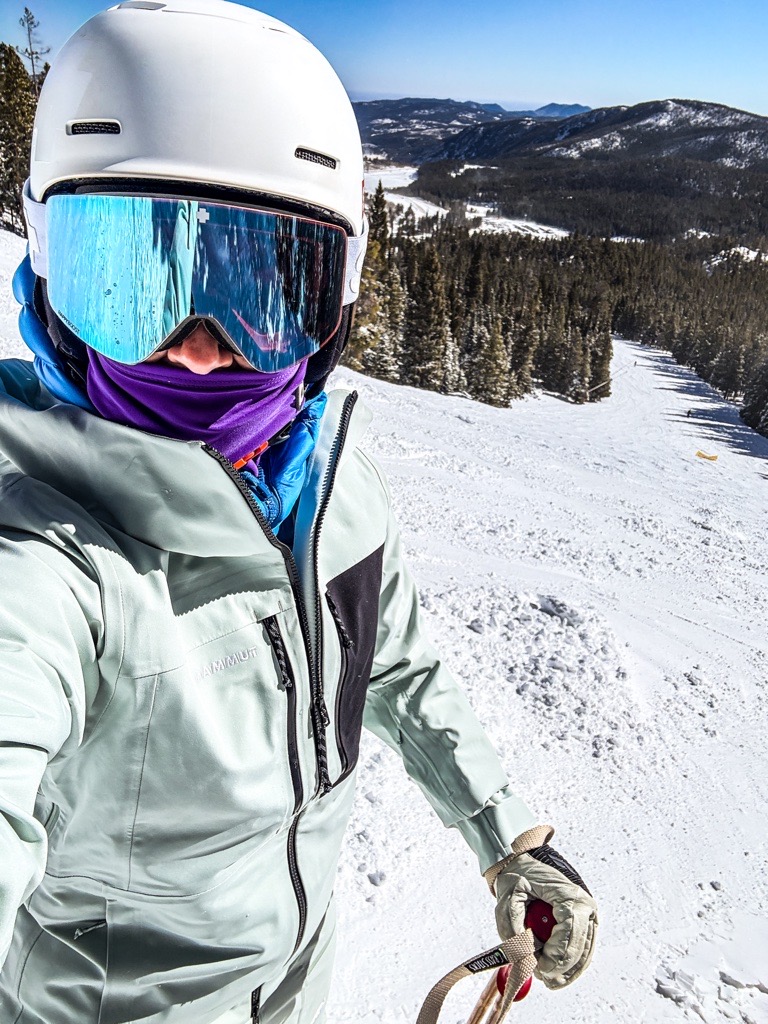
"Creating a welcoming and non-intimidating atmosphere is paramount for adult learners, especially women who may feel additional societal pressures," commented an Eldora Mountain spokesperson, who preferred to remain unnamed in this context but emphasized the resort’s dedication to inclusive programming. "Our intermediate women’s program focuses not just on skill acquisition, but on building confidence and camaraderie. When participants feel comfortable and understood, they are far more receptive to learning and more likely to continue their snowsports journey."
The program’s structure, involving 15 hours of instruction spread across five days, provided a consistent and progressive learning curve. For Fuller, this meant a significant psychological release. For the first time, she felt liberated from the need to prove herself or manage her fears in isolation. The opportunity to delegate the responsibility of her improvement to a professional instructor allowed her to be fully present and engaged in the learning process, transforming what was once a source of dread into an anticipated "finest way to spend a Wednesday morning." This shift in mindset, facilitated by the program’s design, underscores the importance of a structured, supportive learning environment in adult education.
The Instructor’s Insight: A Pivotal "Aha Moment"
Central to Fuller’s transformation was her instructor, Lindsey. Described as a 26-year-old Alpine Level II certified instructor, youth freestyle coach, graduate student, and fiction author, Lindsey embodied the multifaceted expertise characteristic of PSIA-AASI professionals. She led a "pod" of five women, designated "intermediate plus," where Fuller, despite being the fastest, was also the most "squirrely," indicative of underlying technical inconsistencies. Fuller’s historical struggles with form, particularly on icy conditions common to early-season Rocky Mountain skiing, pointed to a need for fundamental adjustments she couldn’t identify herself.
The pivotal moment arrived on day three. While lining up her group on a groomed run, Lindsey delivered a concise, three-word instruction that would irrevocably change Fuller’s skiing: "Widen your stance." This seemingly simple cue, delivered with a tap of a ski pole, initially prompted confusion. However, Fuller’s commitment to abandoning her ego and preconceived notions led her to comply without questioning. The immediate result was striking. The first two turns felt awkward, but then, for the first time, she experienced profound stability and control. This newfound foundation allowed her to push harder, tasting the "elusive flow state"—a meditative trance previously only experienced in mountain biking.
Lindsey’s ability to deliver such a precise and impactful instruction is a hallmark of certified instructors. She later explained the rationale, connecting it to previous lessons and the specific equipment Fuller was using. Fuller’s 90mm-underfoot skis, considered somewhat narrow by some, required more space to fully engage their edges. Widening her stance provided the necessary leverage, allowing for greater edge angulation and improved stability. This incident perfectly illustrates the PSIA-AASI principle of targeted feedback: identifying the core issue and providing a minimalist, actionable solution that yields immediate, tangible results, thereby building confidence and facilitating further learning.
The PSIA-AASI Framework in Action: Beyond Technical Jargon
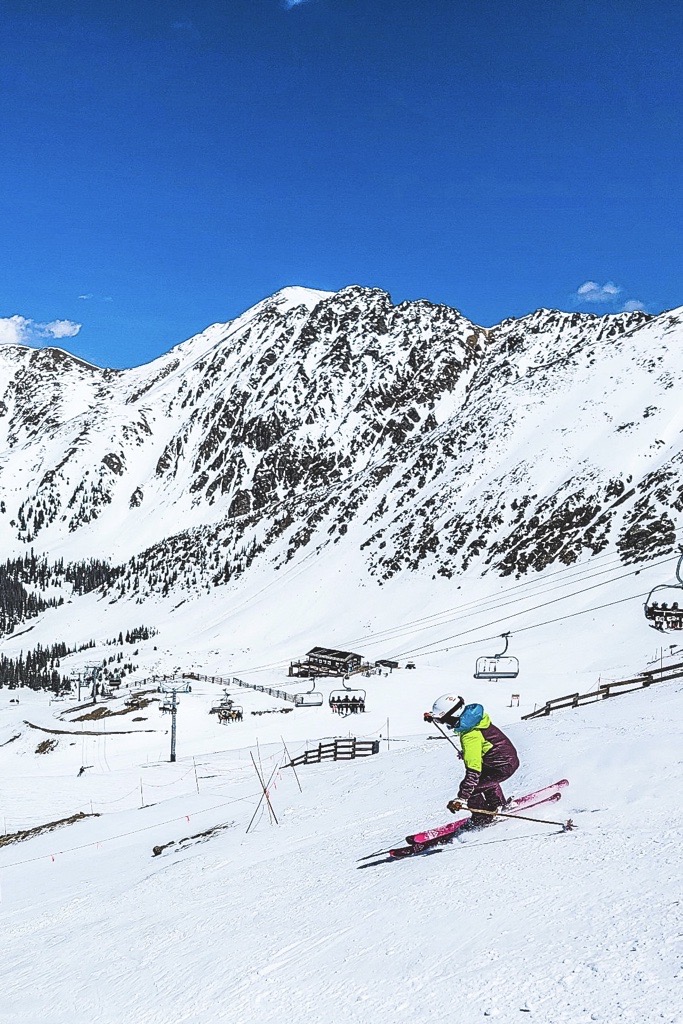
Fuller, upon reflection, recognized how Lindsey’s teaching mirrored the PSIA-AASI Teaching Skills fundamentals. The PSIA-AASI (Professional Ski Instructors of America and American Association of Snowboard Instructors) is the professional organization for snowsports instructors in the United States, setting national standards for education and certification. Its framework emphasizes not just technical proficiency but also effective communication, student assessment, and fostering a positive learning environment.
Lindsey’s approach exemplified these principles by minimizing direct lecturing and maximizing interactive learning. She encouraged group discussions on lift rides, using simple prompts to foster peer learning and shared experiences. Her direct feedback was consistently targeted and productive, avoiding "pontificating" or "over-explaining" that could overwhelm students. This focus on efficiency ensured maximum time was spent in active practice, a key tenet of effective motor skill acquisition.
Crucially, Lindsey’s instruction extended beyond pure technical skiing. She skillfully integrated body awareness, using relatable yoga references to help students tune into their physical positions and core engagement. Fuller noted that she now begins every ski day with a "body scan"—a direct result of this initial, unexpected breakthrough. This holistic approach, addressing both the physical and mental aspects of skiing, is a sophisticated application of PSIA-AASI’s emphasis on student-centered learning.
Furthermore, Lindsey demonstrated exceptional terrain management. In a season characterized by less-than-ideal snow conditions in Colorado, she consistently narrated her terrain choices, informing the group about specific run conditions (e.g., "X run is thin and icy after grooming, so we’re going to skip it today"). This proactive communication reduced uncertainty and fear, allowing students to relax and trust their guide. This element, often overlooked, significantly contributes to a student’s mental comfort and openness to learning. "A certified instructor’s ability to read terrain, understand snow conditions, and make informed choices for their students is invaluable," stated a PSIA-AASI representative. "It’s about creating a safe and predictable environment where the student can focus entirely on skill development, knowing their guide is looking out for their well-being."
Transformative Outcomes and Broader Implications
The culmination of the five-week program was a profound shift in Katherine Fuller’s relationship with skiing. What began as a desperate need to "get better" evolved into a genuine love for the sport, marked by confidence, enjoyment, and a deep sense of belonging. The specific stance adjustment, while immediately impactful, was merely one component of a larger foundation of trust and technical skills that Lindsey helped her build.
This transformation was evident in subsequent experiences. A month after the program, Fuller skied a previously challenging run at Copper Mountain with newfound, "grounded-in-reality confidence." Her uninhibited joy was so palpable that a long-time instructor and ski resort executive noted, "Oh! You’re a giggler!"—a genuine expression of pleasure that resonated deeply with her peers and superiors. This anecdote underscores the emotional impact of effective instruction: it doesn’t just improve technique; it unlocks deeper levels of enjoyment and personal expression.
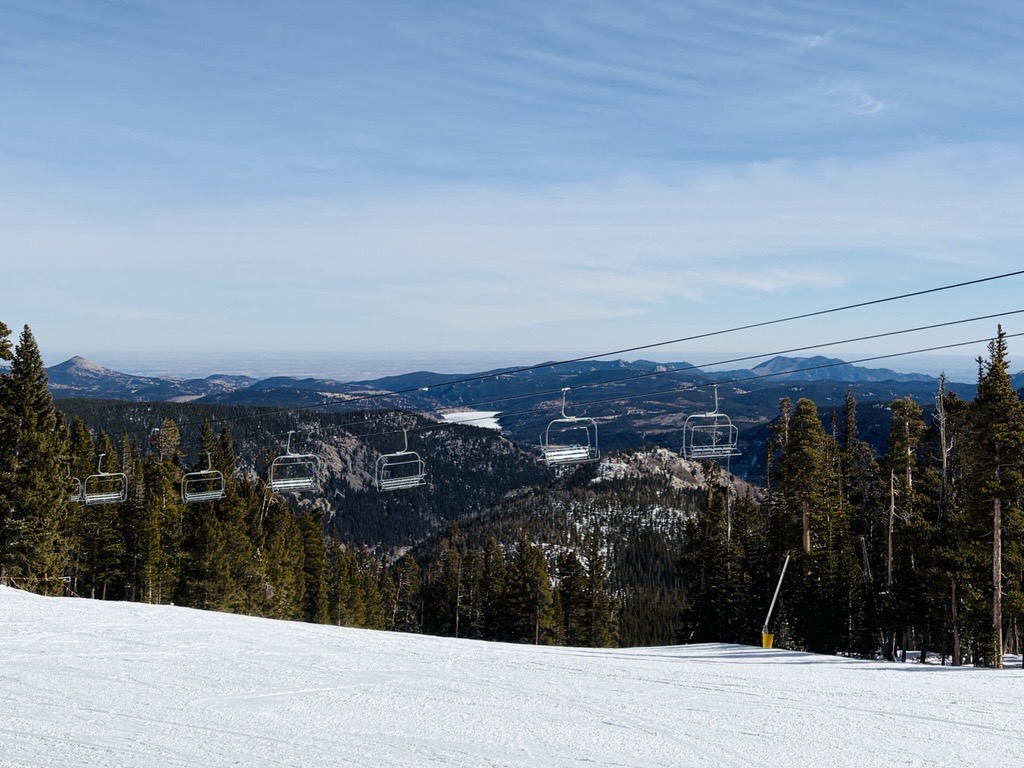
A week later, Fuller revisited a ski area where she used to work, confronting a run she had long feared. Despite late spring conditions limiting terrain, she tackled the steep slope, a feat she previously considered impossible. Her ability to move past initial apprehension and simply "do it" speaks volumes about the profound psychological shift facilitated by Lindsey’s compassionate yet firm guidance. "It’s not about dismissing a student’s fears but acknowledging them and providing the tools and confidence to address them," Fuller reflected. "When that work is done well, it goes beyond teaching someone how to make good turns; it changes their whole perspective."
Broader Industry Impact and the Future of Snowsports Education
Fuller’s detailed account serves as a powerful testament to the value of certified snowsports instruction, offering critical insights for the broader industry. The success of Eldora Mountain’s program and Lindsey’s individualized approach highlights several key implications:
- Prioritizing Adult Learners: The growing demographic of adult snowsports enthusiasts necessitates tailored programs that address their unique psychological and physical needs. Resorts that invest in such programs can foster greater retention and satisfaction.
- The Indispensable Role of Certified Instructors: The narrative unequivocally demonstrates that the nuanced expertise of a certified instructor, grounded in frameworks like PSIA-AASI, is irreplaceable. These professionals possess the ability to diagnose issues, communicate effectively, manage complex group dynamics, and build confidence, leading to transformative outcomes for students.
- Beyond Technical Skill: The Holistic Approach: Effective instruction extends beyond mere technical drills. Incorporating elements of body awareness, terrain management, and psychological support creates a more robust and empowering learning experience.
- Fostering a Sense of Belonging: For many adult learners, particularly those who enter the sport later, the feeling of not belonging can be a significant deterrent. Programs and instructors that cultivate a supportive peer environment and validate individual progress can profoundly impact a student’s long-term engagement.
- Economic and Cultural Value: By turning apprehensive intermediates into joyful, confident skiers, professional instruction contributes to the economic vitality of the snowsports industry through repeat visits, equipment purchases, and positive word-of-mouth. More importantly, it enriches the lives of individuals, connecting them to the outdoors and fostering a lifelong passion.
Katherine Fuller’s experience at Eldora Mountain is a compelling case study of how professional snowsports instruction can transcend mere skill improvement, leading to deep personal transformation. It reinforces the notion that a well-timed cue, delivered by a skilled and empathetic instructor, can unlock not just better turns, but a profound sense of joy, confidence, and belonging on the mountain. Her story serves as a powerful endorsement for the continued investment in, and recognition of, the invaluable work performed by certified snowsports instructors across the globe.
