

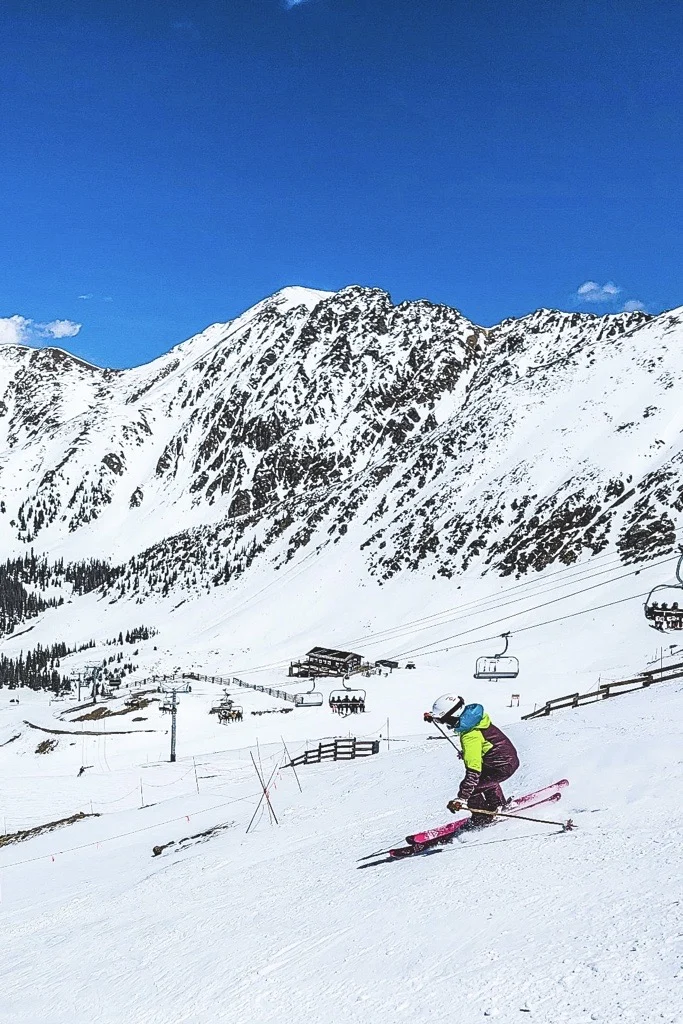
Katherine Fuller, the Director of Marketing and Communications for the Professional Ski Instructors of America and American Association of Snowboard Instructors (PSIA-AASI), recently embarked on a five-week intermediate ski lesson program at Eldora Mountain in Boulder County, Colorado. Her participation, undertaken anonymously and at her own expense, yielded a profound transformation in her skiing ability and, more significantly, her emotional connection to the sport. This personal journey serves as a compelling testament to the efficacy of certified instruction, underscoring how expert guidance can transcend mere technical skill improvement to foster confidence, belonging, and a renewed passion for snowsports.
A Personal Quest for Proficiency and Belonging
Fuller’s decision to enroll in the intermediate program stemmed from a long-standing personal challenge. Despite her integral role within the snowsports industry, a sector she joined in 2019, she did not grow up with easy access to snow. She learned to snowboard in her twenties and ski in her thirties, often finding herself overshadowed by more experienced companions. This consistent self-comparison led to a plateau in her skills, the entrenchment of bad habits, and a pervasive sense of fear and self-doubt on the slopes. Her position as a "less-than-expert" skier working at a ski area fostered feelings of being a "fraud," eroding her confidence and sense of belonging within the community she professionally served.
Adding to these internal struggles was a significant battle with acrophobia, which typically manifested as intense anxiety during lift rides. Yet, early in the Eldora program, Fuller noted an unexpected calm, a stark contrast to her usual panicked reactions. This initial shift hinted at the psychological safety and structured environment the lessons would provide. Her primary objective for participating was straightforward: to improve her skiing "just because," carefully concealing her professional affiliation to ensure an authentic student experience free from industry expectations.
The Eldora Program: A Framework for Growth
The five-week program at Eldora Mountain attracted approximately 40 women, all seeking to advance their intermediate skiing skills. Participants were observed and sorted into groups based on their abilities, ensuring a peer-oriented learning environment. Fuller found herself in a group of similarly skilled skiers—a novel and immensely relieving experience. This grouping eliminated the pressure to perform beyond her current capabilities, allowing her to shed the burden of constant comparison. Over 15 hours of instruction spread across five days, she could relinquish the sole responsibility for managing her fears, expectations, and improvement to a professional instructor. This delegation allowed her to be fully present and receptive to learning, marking a significant departure from her previous self-directed attempts at improvement.
The Catalyst: A Certified Instructor’s Insight
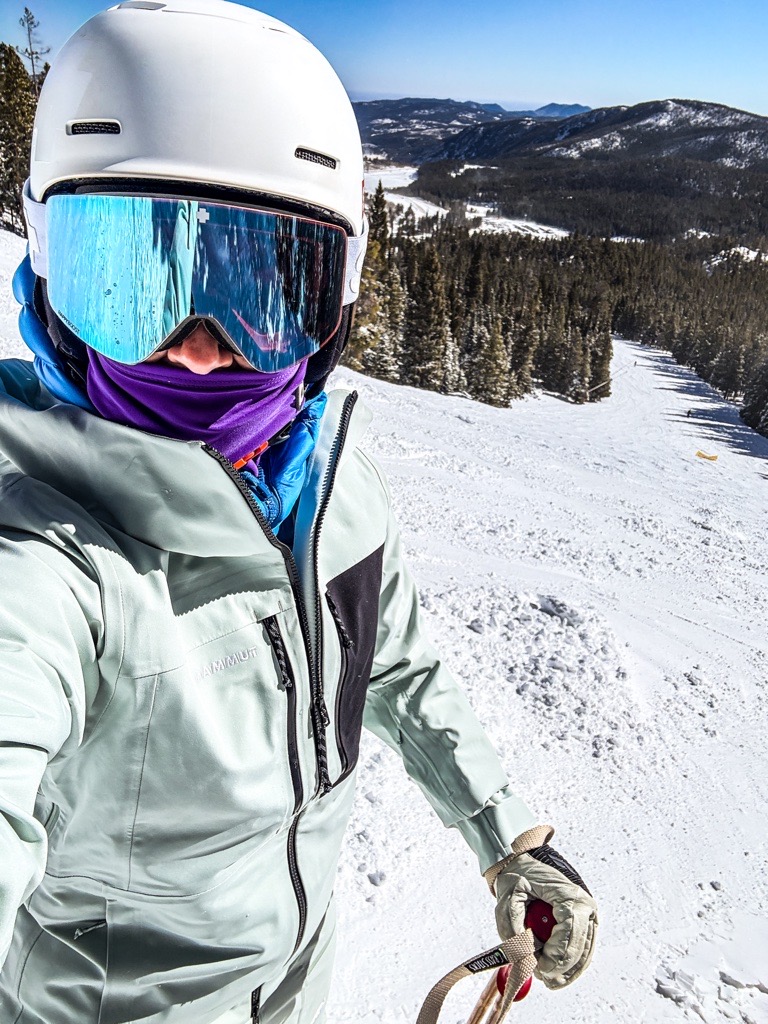
The turning point in Fuller’s skiing journey arrived halfway through the program, delivered by a single, precise instruction from her instructor, Lindsey. Lindsey, a 26-year-old Alpine Level II certified instructor, youth freestyle coach, and graduate student, led Fuller’s "intermediate plus" pod. Fuller, while often the fastest in her group, acknowledged her technique was "squirrely" and prone to crumbling in challenging conditions like ice, a common pitfall for those accustomed to the often-pristine snow of the Rocky Mountains. She recognized the need for improvement but lacked a clear understanding of its specific requirements.
On the third day, during individual feedback sessions, Lindsey tapped Fuller’s boot with her pole and offered three succinct words: "Widen your stance." Fuller’s initial reaction was confusion, but adhering to her commitment to abandon ego and preconceived notions, she complied without questioning. The immediate effect was transformative. The first two turns felt awkward, but then, for the first time, Fuller experienced profound stability and control. This newfound command allowed her to push harder, entering an elusive "flow state"—a meditative trance she had previously only experienced and craved in mountain biking, believing she would never achieve it on skis.
Lindsey later elaborated on the rationale behind her instruction, explaining how it built upon previous lessons. Fuller’s previous stance had not provided enough space to fully engage the edges of her 90mm-underfoot skis, which are considered somewhat narrow in certain contexts. Widening her stance unlocked her ability to properly edge, fundamentally changing her skiing technique and confidence. This precise, timely intervention highlights the diagnostic skill and targeted feedback that distinguishes a certified instructor.
PSIA-AASI Teaching Fundamentals in Practice
Reflecting on her experience, Fuller, despite not being an instructor herself, recognized the meticulous application of PSIA-AASI teaching fundamentals throughout Lindsey’s instruction. While the original article’s list of these fundamentals was absent, PSIA-AASI emphasizes key principles that guide effective snowsports education:
- Creating a Positive Learning Environment: Lindsey fostered an atmosphere where students felt safe, supported, and free from judgment, crucial for adults overcoming fear. Fuller’s initial sense of calm on the lift was a direct result of this.
- Introducing and Practicing Tasks: Instructions were delivered concisely, allowing immediate application and experimentation, as seen with the "widen your stance" cue.
- Providing Targeted Feedback: Lindsey’s feedback was precise, timely, and focused on one or two actionable points, avoiding information overload.
- Managing the Group: The instructor expertly managed the diverse skill levels and anxieties within the group, ensuring everyone progressed comfortably and felt engaged.
- Promoting Safety: Lindsey’s detailed narration of terrain choices, informed by morning patrol checks, eliminated uncertainty and ensured appropriate conditions for learning, significantly reducing student anxiety.
Lindsey’s pedagogical approach minimized lecturing, instead encouraging interaction among students, particularly during lift rides through simple discussion prompts. Her direct feedback was consistently targeted and productive, avoiding "pontificating" or "over-explaining." This efficiency maximized time on snow and focused student attention.
Beyond technical aspects, Lindsey excelled at reducing uncertainty, mitigating fear, and instilling confidence. She skillfully incorporated relatable analogies, such as yoga references, to enhance students’ body awareness and spatial positioning—a breakthrough for Fuller, who now begins every ski day with a body scan. This holistic approach, addressing both the physical and mental aspects of skiing, underscores the comprehensive nature of certified instruction. Remarkably, Lindsey sometimes gently refused to provide in-depth explanations when asked, recognizing that extraneous details could distract students from the immediate task. This disciplined approach ensured focus and effective practice.
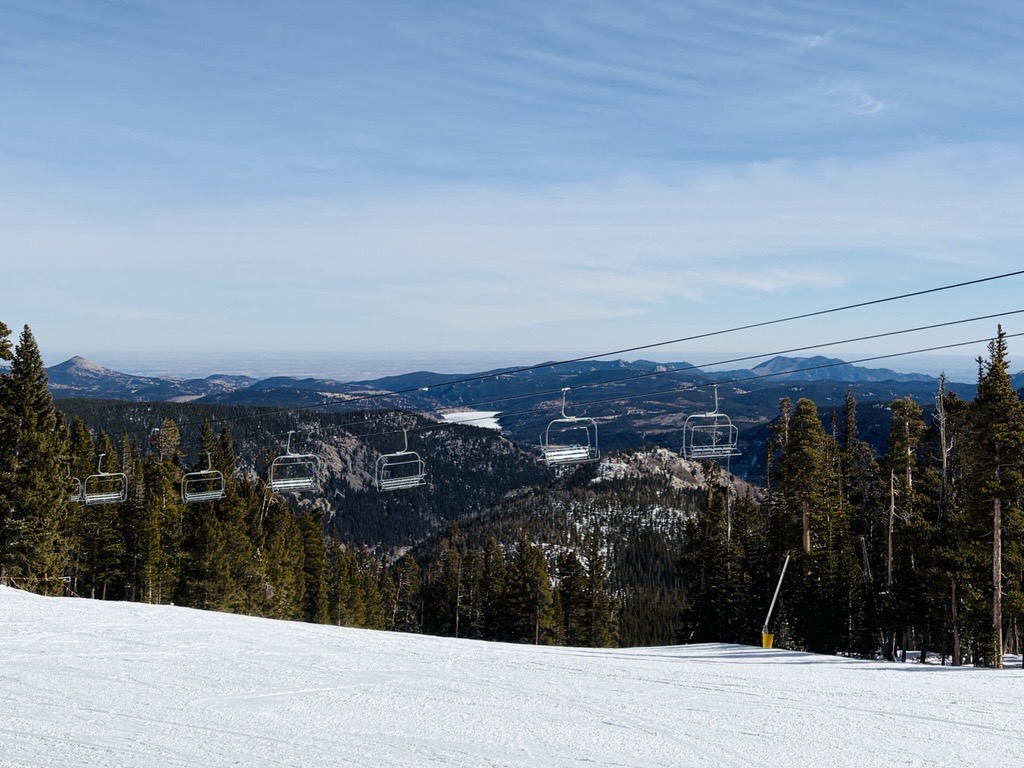
Furthermore, Lindsey’s constant narration of terrain choices was unexpectedly invaluable, especially during a season with less-than-ideal snow conditions. Her intimate knowledge of Eldora Mountain allowed her to guide the group to optimal sections, providing clear expectations before dropping into new terrain. This removed a significant mental burden from the students, demonstrating the critical role of a competent guide in fostering a secure learning environment.
Broader Industry Implications and Expert Validation
Fuller’s experience at Eldora Mountain serves as a powerful validation of the PSIA-AASI mission: to create a community of passionate snowsports instructors who inspire lifelong adventure. Her transformation from a self-conscious, fear-ridden skier to one who felt "free" and "belonging" on the slopes directly illustrates the profound impact of certified instruction.
Industry data consistently underscores the importance of quality instruction. Studies by organizations like the National Ski Areas Association (NSAA) often indicate that participants who take lessons are significantly more likely to continue snowsports, improve their safety practices, and achieve higher levels of satisfaction. Adult learners, in particular, face unique challenges, including existing physical habits, fear of injury, and psychological barriers like ego and self-consciousness. Professional instructors are trained to address these multifaceted needs, providing not just technical drills but also emotional support and confidence-building strategies.
Fuller’s journey demonstrates that instruction extends far beyond merely teaching someone how to make turns. It is about building a foundation of trust, both in oneself and in the instructor, and fostering a deep, joyful connection with the sport. Her "giggler" moment—laughing freely down a challenging run at Copper Mountain during National Academy, eliciting a beaming response from a veteran instructor and ski resort executive—is a poignant illustration of this emotional liberation.
This personal account, coming from a director within PSIA-AASI, provides invaluable internal validation for the organization’s standards and training methodologies. It highlights that the principles taught to instructors are not just theoretical constructs but practical tools that yield tangible, transformative results for students across all skill levels and psychological states.
A New Relationship with Skiing
The culmination of Fuller’s lessons was not just an improvement in technical skill but a fundamental shift in her relationship with skiing. She gained access to feelings she had long pursued: stability, control, flow, and, most importantly, a sense of belonging on skis. For an intermediate, 40-year-old skier burdened by years of fear and self-consciousness, one well-timed cue, integrated into a larger, carefully constructed teaching progression, did more than refine her turns; it changed her entire perspective.
Post-lessons, Fuller’s newfound confidence was evident. She navigated a previously feared run at Copper Mountain with board members, trusting her abilities to handle unpredictable conditions. Later, she returned to a ski area where she used to work, confronting and conquering a run she had long avoided due to its steepness. Her initial thought, "Oh, this IS steep," was immediately followed by decisive action: "And then I just did it." This shift from apprehension to confident execution speaks volumes about the power of effective instruction.
Fuller emphasized that Lindsey’s compassion was neither "gushing and saccharine" nor dismissive of her fears. Instead, Lindsey accepted Fuller’s situation and worked within its parameters, addressing very real, albeit sometimes unarticulated, student anxieties. This empathetic and professional approach, when executed skillfully, transcends technical coaching to fundamentally transform a person’s experience and enjoyment of snowsports.
In conclusion, Katherine Fuller’s personal experience at Eldora Mountain serves as a powerful narrative demonstrating the critical value of certified snowsports instruction. It reaffirms that expert guidance, delivered by professionals trained in PSIA-AASI methodologies, can unlock not only technical proficiency but also profound psychological benefits, fostering confidence, belonging, and a lifelong passion for skiing and snowboarding. Her journey underscores that investing in quality instruction is an investment in a richer, more joyful, and ultimately safer snowsports experience for all.
