

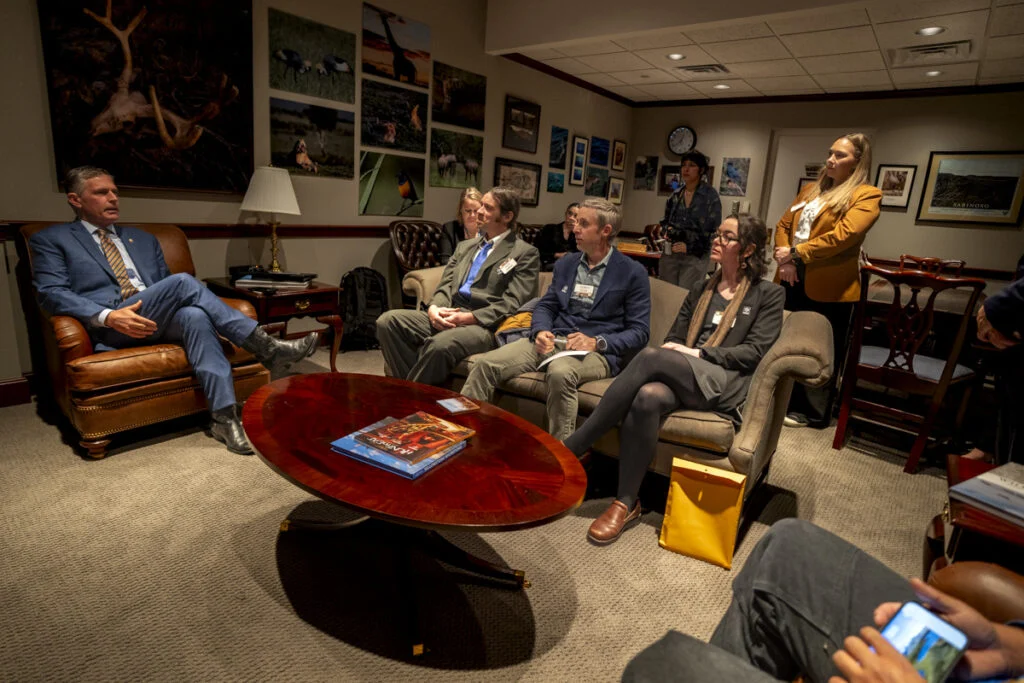
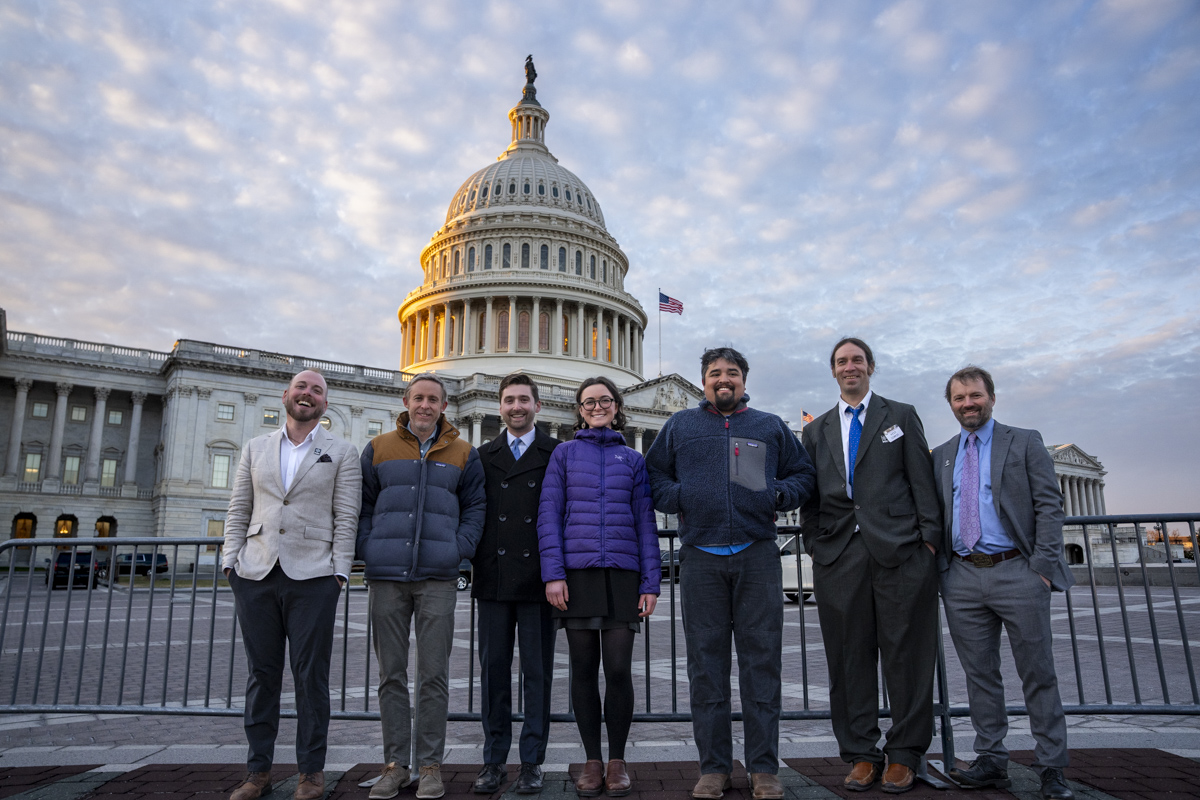
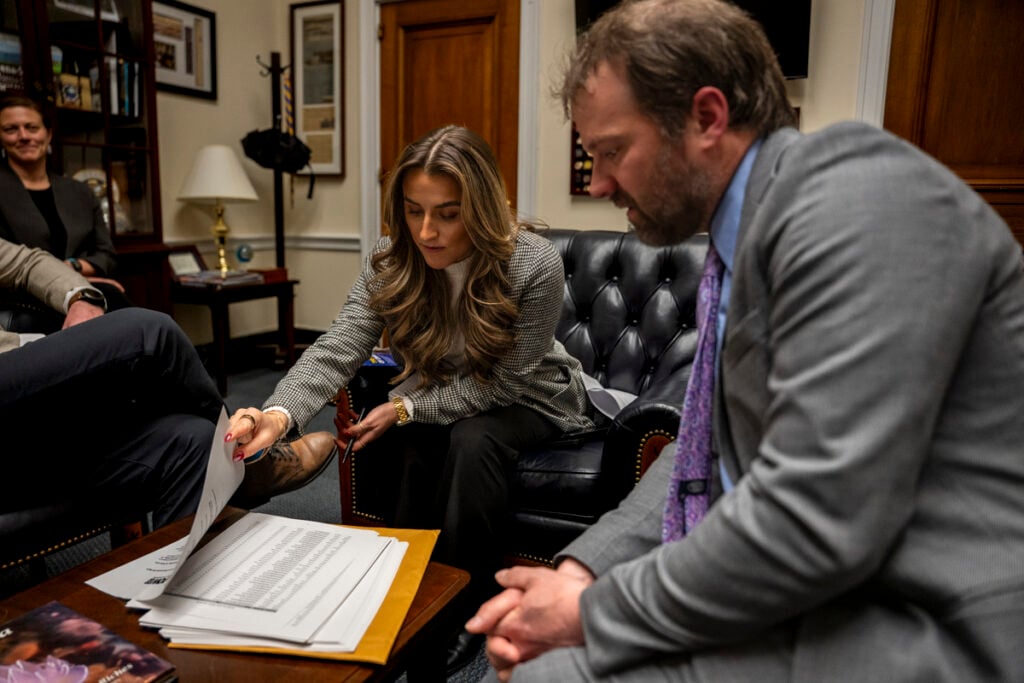
A multi-sector coalition led by the advocacy group Protect Our Winters (POW) and the Alaskan Wilderness League (AWL) completed a high-level legislative mission to Washington, D.C., last week to contest new federal policies aimed at expanding fossil fuel extraction in the Arctic. The delegation, which included professional athletes, climate scientists, filmmakers, and Indigenous representatives, hand-delivered a 74-page petition containing more than 6,000 signatures to members of Congress. This mobilization serves as a direct response to recent executive and legislative actions by the Trump administration designed to streamline oil and gas leasing in the Arctic National Wildlife Refuge (ANWR) and the National Petroleum Reserve in Alaska (NPRA).
The two-day "fly-in" event was structured to bridge the gap between grassroots environmental activism and high-level policy negotiation. By leveraging the influence of the "Outdoor State"—a demographic of outdoor enthusiasts and industry professionals—the coalition sought to demonstrate that Arctic conservation is not merely an environmental concern but a matter of economic stability, cultural heritage, and national climate security.
The Legislative Conflict and Executive Action
The timing of the coalition’s arrival on Capitol Hill was dictated by a rapidly shifting regulatory environment. On the Friday preceding the fly-in, the Trump administration signed a series of legislative measures and executive orders intended to remove long-standing barriers to Arctic drilling. These measures aim to accelerate the permitting process for seismic testing and infrastructure development in the Coastal Plain, an area often referred to as the "1002 Area" of the Arctic National Wildlife Refuge.
This legislative push follows years of legal and political volatility surrounding the region. While the 2017 Tax Cuts and Jobs Act originally mandated two lease sales in the refuge, the subsequent years saw a mixture of lacklustre industry interest and administrative pauses. The current administration’s renewed focus on the Arctic represents a strategic pivot toward domestic energy dominance, which proponents argue is essential for national security and lower energy costs. However, the POW-led coalition contends that these policies ignore the shifting realities of the global energy market and the increasing financial risks associated with high-cost Arctic extraction.
Strategic Objectives of the Fly-In
The delegation arrived in the capital with a four-fold objective. First, the delivery of the 74-page Arctic petition served as a physical manifestation of public dissent, specifically targeting the offices of lawmakers who hold key positions on energy and natural resources committees. Second, the coalition aimed to present a unified front between conservationists and the outdoor recreation industry, which contributes significantly to the U.S. GDP.
Third, the group focused on opposing new leasing schedules in the NPRA, a 23-million-acre tract of land that serves as a critical habitat for migratory birds and caribou herds. Finally, the mission served as an advocacy platform for the Energizing Our Communities Act (EOCA). This proposed legislation represents a proactive approach to the energy transition, offering a bipartisan framework for community-level clean energy development. By promoting the EOCA, the coalition sought to show that their opposition to drilling is coupled with a viable, pragmatic alternative for economic growth in rural and energy-reliant regions.
Chronology of the Two-Day Advocacy Mission
The first day of the fly-in was dedicated to internal briefings and strategic alignment between POW, the Alaskan Wilderness League, and the League of Conservation Voters (LCV). Participants were briefed on the specific legislative nuances of the recent drilling bills, ensuring that the diverse group—ranging from professional climbers to glaciologists—could speak with technical authority during their meetings.
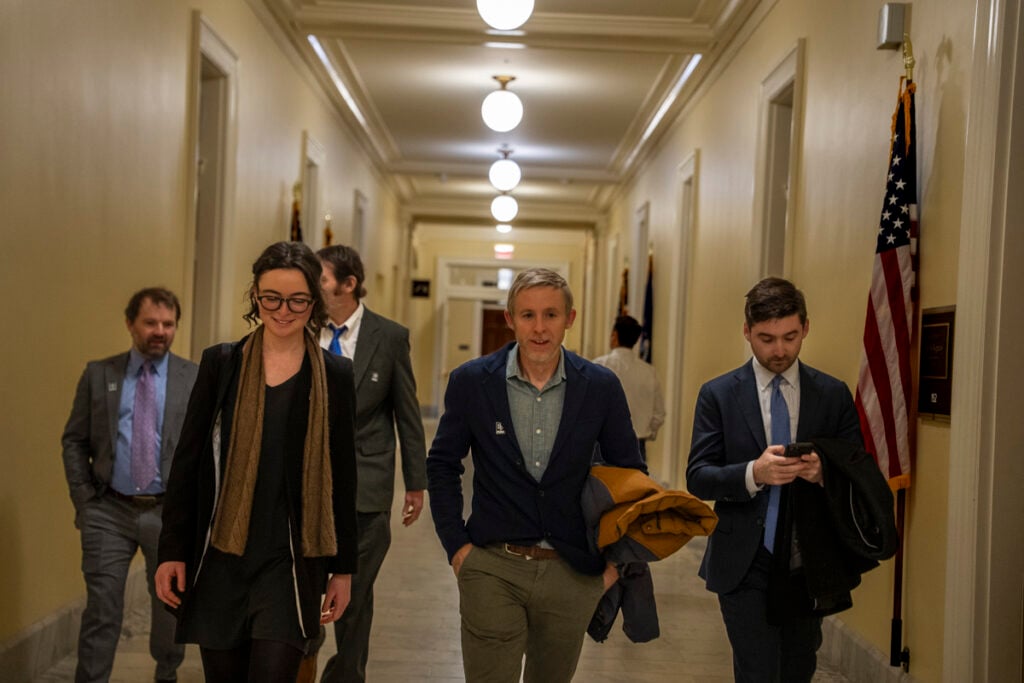
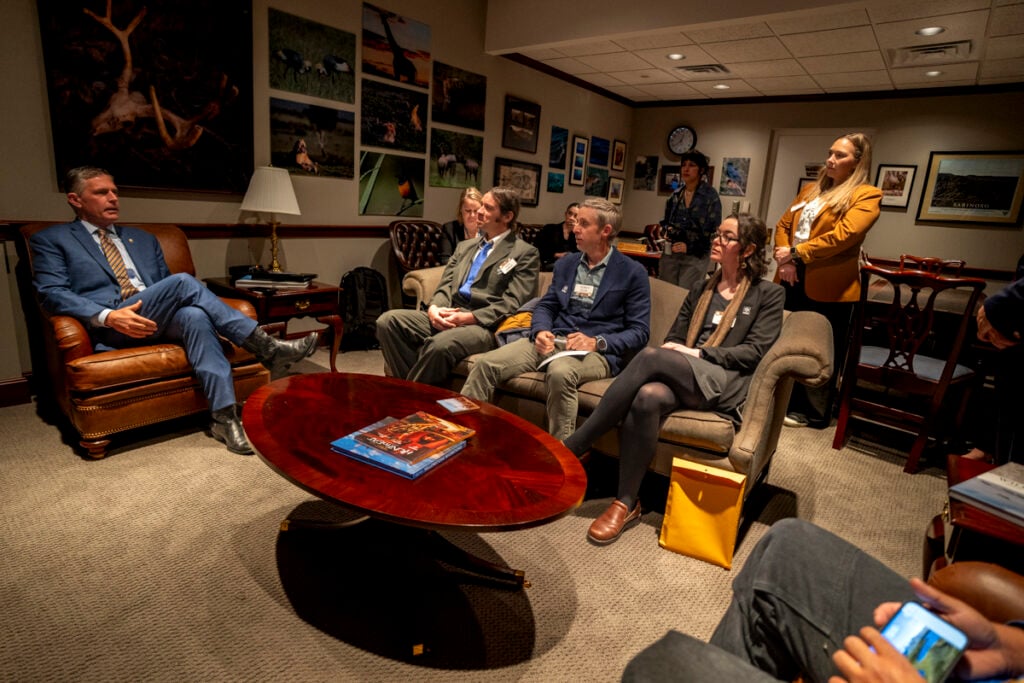
On the second day, the delegation split into smaller, specialized teams to maximize their reach across both the House of Representatives and the Senate. These teams met with key staffers and elected officials, including Senator Martin Heinrich and the staff of Representative Jared Huffman. During these sessions, the 6,000-signature petition was presented as evidence of a broad constituency that views the Arctic as a non-negotiable landscape.
The meetings were characterized by an attempt to find common ground, even in offices traditionally aligned with the fossil fuel industry. Members of the coalition emphasized the fiscal risks of Arctic drilling, noting that many major global financial institutions have already committed to divesting from such projects due to the high probability of "stranded assets."
Economic and Ecological Context of Arctic Protection
The argument for protecting the Arctic Refuge extends beyond aesthetic or sentimental value; it is rooted in significant ecological and economic data. The Arctic National Wildlife Refuge covers approximately 19.6 million acres, with the Coastal Plain serving as the biological heart of the region. This area provides critical calving grounds for the Porcupine Caribou herd, which is essential for the food security and cultural survival of the Gwich’in people.
From a climate perspective, the Arctic is warming at nearly four times the global average. The degradation of permafrost and the loss of sea ice have profound implications for global weather patterns and sea-level rise. The coalition pointed out that opening these carbon-rich landscapes to industrial development would release significant methane and carbon dioxide, further accelerating the climate feedback loops that the "Outdoor State" is already witnessing in the form of receding glaciers and shorter winter seasons.
Economically, the coalition highlighted the growth of the outdoor recreation economy, which, according to the Bureau of Economic Analysis, accounts for roughly 2.2% of the U.S. GDP. Professional climber and POW Climb Alliance member Tommy Caldwell noted that the health of public lands is the foundational asset of this billion-dollar industry. Caldwell emphasized that policy is the primary lever available to protect these assets from permanent industrial degradation.
The Energizing Our Communities Act (EOCA)
A central pillar of the coalition’s message was the support for the Energizing Our Communities Act. Unlike the defensive stance required to oppose Arctic drilling, the EOCA is an offensive strategy designed to modernize the American energy grid. The act proposes to incentivize the development of renewable energy infrastructure by ensuring that local communities receive direct financial benefits from hosting clean energy projects.
By advocating for the EOCA, the delegation addressed the concerns of lawmakers who worry about the economic impact of moving away from fossil fuels. The act provides a roadmap for a "just transition," ensuring that the shift toward a low-carbon economy does not leave rural or traditionally energy-dependent communities behind. This bipartisan approach resonated in several meetings, providing a constructive counterpoint to the contentious debate over Arctic extraction.
Official Reactions and Legislative Outlook
While the Trump administration has moved forward with signing legislation to ease drilling restrictions, the response from individual lawmakers during the fly-in suggested a more complex political landscape. Even in offices where there is strong support for oil and gas development, the presence of the coalition established new communication channels.
Ming T. Poon, a photographer and member of the POW Creative Alliance, observed that the physical delivery of the petition made it impossible for lawmakers to ignore the level of public engagement. He noted that even in challenging meetings, the coalition was able to establish a baseline of dialogue regarding the long-term economic viability of Arctic projects.
Brennan Lagasse, another member of the Creative Alliance, highlighted the importance of a "vibrant counter-balance" in Washington. Lagasse noted that despite the current political momentum in favor of extraction, the unified voice of athletes, scientists, and Indigenous leaders provides a necessary check on executive power and helps to slow the rush toward irreversible environmental decisions.
Broader Implications and Phase Two of the Campaign
The conclusion of the fly-in does not signal the end of the coalition’s efforts; rather, it marks the transition into what Protect Our Winters calls "Phase Two" of their Arctic campaign. This next phase will involve escalating public pressure on the financial institutions and oil companies that might consider bidding on Arctic leases.
By framing Arctic drilling as a "bad long-term investment," the coalition intends to use economic realities to discourage industrial entry into the refuge. This strategy mirrors previous successful efforts where environmental groups pressured major U.S. banks to pledge they would not fund Arctic oil and gas exploration.
The long-term impact of this mission will likely be felt in the 2026 legislative cycle. The relationships established during the two-day event provide a foundation for future advocacy, particularly as the legal battles over the recent drilling legislation begin to move through the federal court system.
Conclusion
The recent mobilization on Capitol Hill by Protect Our Winters, the Alaskan Wilderness League, and the League of Conservation Voters underscores a growing sophistication in environmental advocacy. By combining the cultural influence of professional athletes with the technical expertise of scientists and the lived experience of Indigenous voices, the coalition has created a multifaceted argument for Arctic protection.
As the federal government continues to push for expanded energy development, the "Outdoor State" has made it clear that they will remain a persistent presence in the halls of power. The delivery of 6,000 signatures is a reminder that the future of the Arctic is a matter of national public interest, involving stakeholders who are prepared to defend these landscapes through policy, economic pressure, and sustained public engagement. The fight over the Arctic Refuge remains one of the most significant environmental and political conflicts in modern American history, with the outcome set to define the nation’s climate legacy for decades to come.
