


As the autumn foliage peaks and the first dustings of snow appear on high-altitude peaks, the winter sports industry is entering its most critical period of preparation. For the 2026-2027 ski season, the window between the conclusion of summer activities and the arrival of opening day—often referred to by enthusiasts as the "impatient season"—serves as a vital period for equipment maintenance and safety inspections. While many skiers wait for the first major storm to consider their gear, industry experts suggest that early intervention is the most effective way to ensure both performance and safety on the slopes.
Ski shops across North America have officially transitioned from summer cycling and hiking inventory to winter hardgoods. Technicians are currently operating at full capacity, calibrating tuning machines and preparing bootfitting benches. By addressing equipment needs in October rather than November or December, consumers can avoid the significant lead times and "holiday rush" that typically plague the industry during the first snowfall.
The Strategic Importance of Early Equipment Inventory
The first phase of pre-season preparation is a systematic inventory of all necessary components. Professional instructors and mountain guides often utilize a "head-to-toe" checklist to ensure no critical item is missing. This process, known as the "shred list," involves locating and inspecting the helmet, goggles, neck gaiter (buff), jacket, gloves, pants, boots, skis, and poles.
Beyond mere location, the physical condition of these items must be scrutinized. Storage conditions during the off-season—particularly in humid basements or fluctuating garage temperatures—can lead to the degradation of plastics, the rusting of metal edges, and the growth of mold in boot liners. Identifying these issues in October provides a multi-week buffer for repairs or replacements that might otherwise sideline a skier on opening day.
Technical Maintenance: Ski Tuning and Structural Integrity
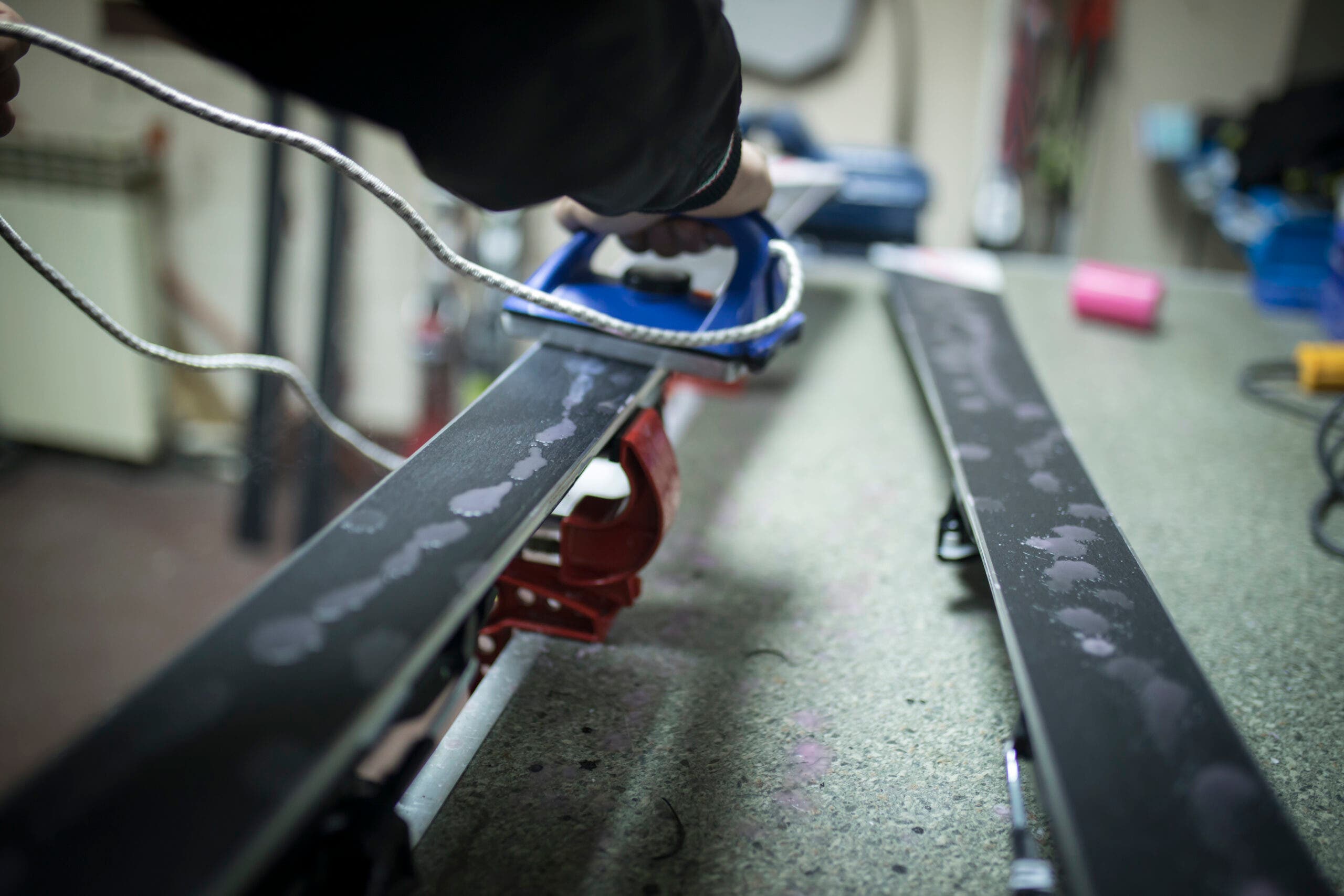
According to Otto Gibbons, a veteran hardgoods supervisor at Sturtevants Ski Shop in Bellevue, Washington, the condition of a ski’s base is the primary indicator of its performance potential. Gibbons emphasizes that "core shots"—deep gouges that penetrate through the P-tex base material to the wooden or composite core—are high-priority repairs. If the core is exposed, water can infiltrate the ski, leading to delamination and permanent structural rot.
Furthermore, the "hookiness" or maneuverability of a ski is dictated by the edge angle. Over time, edges become rounded or sustain "burrs" from contact with rocks. If edges show signs of oxidation or rust, it is often the result of improper drying at the end of the previous season. A professional tune-up involves grinding the base to a flat plane, sharpening the side and base edges to specific degree bevels, and applying a temperature-specific wax.
Data from the National Ski Areas Association (NSAA) suggests that well-maintained equipment is a significant factor in reducing avoidable on-mountain accidents. Skis that are properly waxed not only move faster but also provide more predictable glide, reducing the physical fatigue that often leads to late-afternoon injuries. Gibbons notes that high-performance skis generally have a functional lifespan of 300 to 400 days of aggressive use before the internal materials lose their "snap" or camber, necessitating replacement.
The Biomechanics of Boot Fitting: The Cinderella Approach
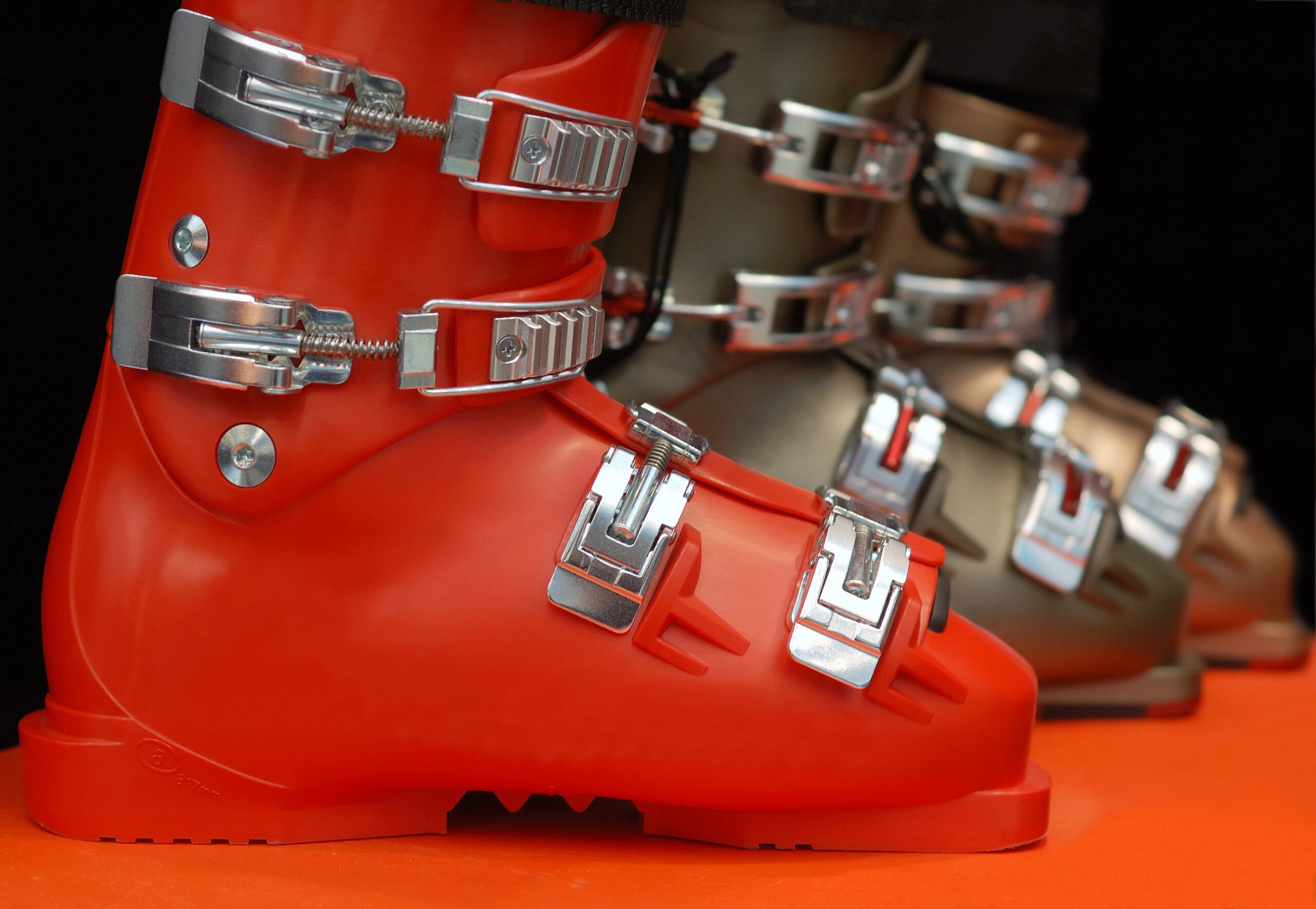
The ski boot is the most critical interface between the athlete and the equipment. Inspection of boots should begin with a mechanical check of all buckles, power straps, and walk-mode levers. However, the most overlooked aspect of boot maintenance is the condition of the soles.
Modern ski bindings are precision instruments that rely on specific friction coefficients to release during a fall. If the toe or heel lugs of a boot are worn down from walking on pavement or gravel, the boot may not sit correctly in the binding, potentially leading to a "pre-release" or a failure to release during a crash. Gibbons advises that if replaceable soles are worn down to the shell’s lug, they must be replaced immediately to maintain the safety certification of the binding system.
The "Cinderella approach" refers to the mandatory pre-season fit test. Physical changes in the foot—caused by aging, weight fluctuations, or injury—can alter how a boot performs. Furthermore, boot liners are made of open or closed-cell foam that eventually "packs out" or loses its insulating and supportive properties. Most stock liners have a functional life of 60 to 120 days. Replacing a packed-out liner with an aftermarket option can often extend the life of an expensive plastic shell by several seasons.
Integration and Compatibility of New Equipment
For consumers who purchased new equipment during off-season sales, the integration phase is critical. A significant shift in the industry over the last five years has been the adoption of "GripWalk" soles, which provide better traction for walking but require compatible bindings. Ian Lochhead, head alpine ski coach for the University of Colorado, warns that mismatching sole types with incompatible bindings can result in a catastrophic failure of the release mechanism.
New boots also require a "break-in" period. Lochhead recommends that skiers wear their new boots around their homes to identify "hot spots" or pressure points before hitting the snow. "Skiers need their toes to be able to move to maintain circulation and athletic balance," Lochhead stated. Professional bootfitters can "punch" or "grind" the plastic shell to accommodate the unique anatomy of a skier’s foot, a service that is best performed well in advance of a ski trip.
Technical Apparel: Maintenance of PFAS-Free Membranes
The maintenance of outerwear has become more complex due to shifting environmental regulations. Many manufacturers, including Stio, have transitioned to PFAS-free (per- and polyfluoroalkyl substances) Durable Water Repellent (DWR) coatings. Will Dobrowski, materials coordinator for Stio, explains that these newer, more environmentally friendly chemistries are more susceptible to contamination from body oils, dirt, and lift grease.
When water stops "beading" on the surface of a jacket and begins to soak into the face fabric (known as "wetting out"), the garment’s breathability is compromised. Dobrowski recommends washing technical shells with specialized "tech wash" and utilizing a low-heat dryer cycle to reactivate the DWR. Additionally, inspecting interior seam tape is vital; if the tape is peeling, the garment is no longer waterproof. Small tears in the fabric can be repaired with adhesive gear tape, which should be heat-set in a dryer to ensure a permanent bond.
Safety Standards: Helmets and Optical Clarity
The most critical safety check involves the helmet. The protective foam inside a helmet, typically Expanded Polystyrene (EPS), is designed for a single major impact. Jon Jay, North American brand manager for Sweet Protection, compares a ski helmet to a child’s car seat: if it has been involved in a significant impact, its structural integrity is compromised, even if no cracks are visible on the exterior.
Even in the absence of a crash, the plastics and foams in a helmet degrade over time due to UV exposure and temperature cycles. The industry standard recommendation is to replace a helmet every four to five seasons. Users should also inspect the chin strap for fraying and ensure the buckle clicks securely.
Goggle maintenance is equally essential for safety. Scratched or "cloudy" lenses can severely impair depth perception, especially in "flat light" conditions common in mid-winter. Grady Skelton, global snow marketing manager for Smith, notes that many modern goggles feature interchangeable lenses. Replacing a damaged lens is a cost-effective way to restore optical clarity without the expense of a full new goggle system. Ensuring a seamless fit between the goggle and the helmet—avoiding the "goggle gap"—is also necessary to prevent forehead frostbite and "ice cream headaches" caused by cold air intake.
Analysis of the 2026-2027 Season Outlook
The proactive maintenance of ski gear is not merely a matter of convenience; it is a reflection of a broader trend toward "precision recreation." As lift ticket prices and travel costs continue to rise, the economic incentive to ensure equipment is functional and safe has never been higher. A single day of lost skiing due to a broken buckle or a delaminated ski represents a significant financial loss for the modern traveler.
Furthermore, the professionalization of pre-season prep aligns with the industry’s push toward sustainability. By maintaining and repairing existing gear—rather than engaging in a cycle of constant replacement—skiers can reduce their environmental footprint. As the industry faces the challenges of shorter winters and volatile weather patterns, the ability to maximize every day on the mountain through equipment readiness remains the hallmark of the prepared enthusiast. With the technical checks complete, the only remaining variable is the weather forecast, as the industry waits for the first official opening of the 2026 season.
