

Across the craggy peaks and dense coniferous corridors of the Pacific Northwest, a singular, towering figure looms over the winter sports industry. He is not a professional athlete or a pioneer of the alpine technique, but rather a creature of folklore whose presence has become as ubiquitous as the powder itself. Known variously as Sasquatch, Bigfoot, or the Yeti, this mythical hominid has transitioned from a whisper in Indigenous oral histories to a central pillar of the region’s multi-million-dollar ski culture. From the high-altitude ridgelines of Washington’s Mission Ridge to the sprawling glades of British Columbia’s Big White, the legend of Bigfoot serves as a mascot, a branding tool, and a cultural touchstone that defines the identity of Pacific Northwest (PNW) skiing.
The integration of Sasquatch into the ski industry is not merely a marketing gimmick but a reflection of the region’s unique geography and history. As of late 2026, the intersection of cryptid folklore and outdoor recreation has reached an all-time high, with resorts increasingly leaning into the mystery to differentiate themselves in a competitive global tourism market.
The Physical Manifestation of a Legend
In the modern PNW ski landscape, Bigfoot is rarely just a story told around a lodge fireplace; he is a physical landmark. At Mission Ridge Ski & Board Resort near Wenatchee, Washington, an 11-foot-tall sculpture constructed from recycled steel and heavy industrial chain stands sentinel near the top of Chair 2. The installation, designed to weather the harsh alpine elements, serves as a living metaphor for the creature’s dual nature.
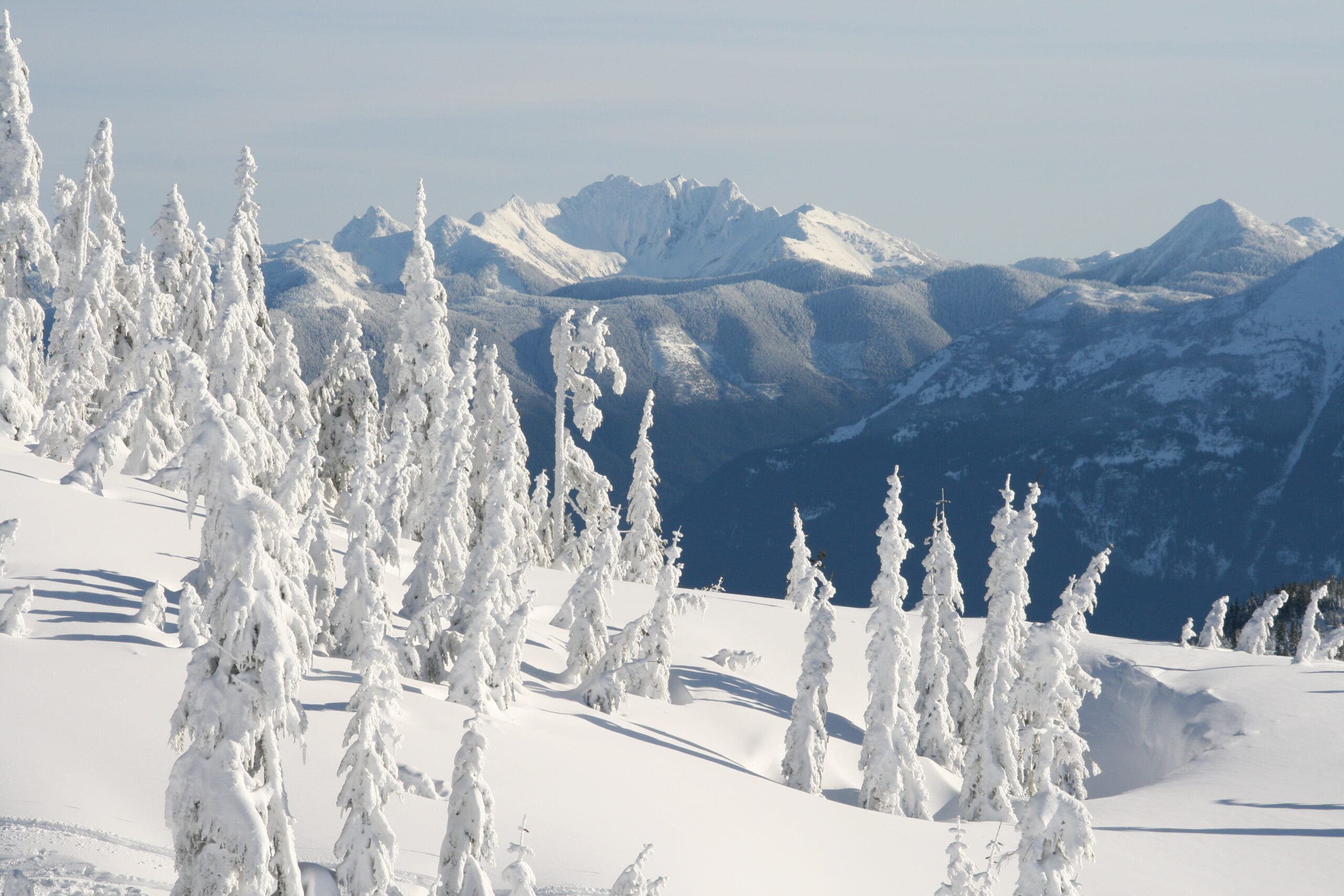
According to Matt Kung, the marketing and data systems manager at Mission Ridge, the sculpture’s appearance is dictated by the meteorology of the Cascades. During the peak of winter, the statue becomes encased in rime ice and wind-driven snow, transforming the rusted brown steel into a white, shaggy silhouette. In this state, it is referred to by locals as a Yeti. As the spring thaw begins and the metal is exposed, it reverts to its Bigfoot persona, walking across the ridgeline. This seasonal transformation mirrors the experience of the skiers themselves, who move between the civilized world of the base area and the wild, unpredictable environment of the upper mountain.
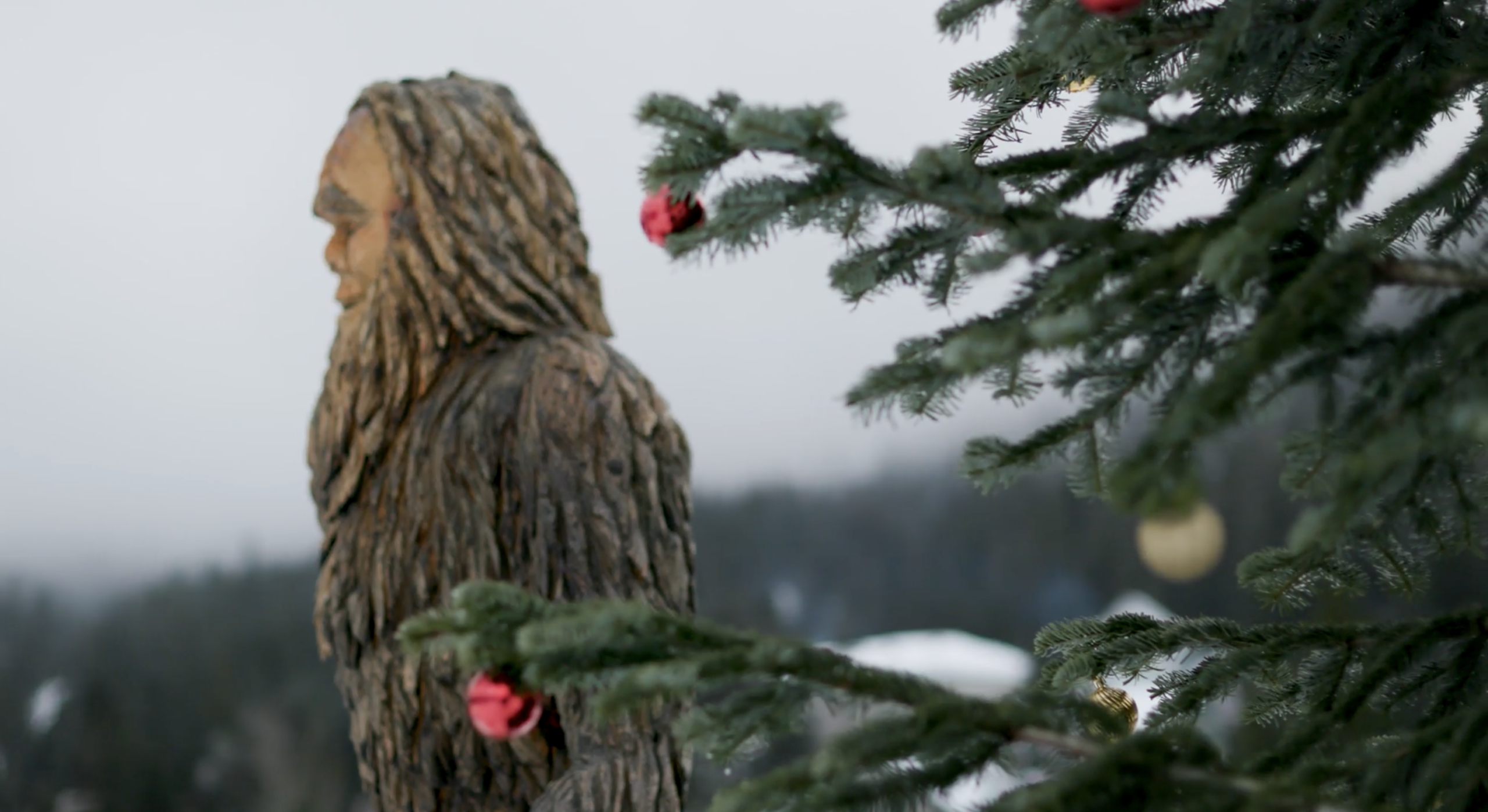
Further west, along the highway leading to Stevens Pass, the Espresso Chalet has turned the legend into a roadside institution. The coffee stand, famous for its appearance in the 1987 film Harry and the Hendersons, features a massive wooden Sasquatch carving that has become a mandatory photo opportunity for weekend warriors heading into the mountains. This commercialization of the myth highlights how the creature bridges the gap between pop culture and the rugged reality of the wilderness.
A Rebranding Strategy Rooted in Place
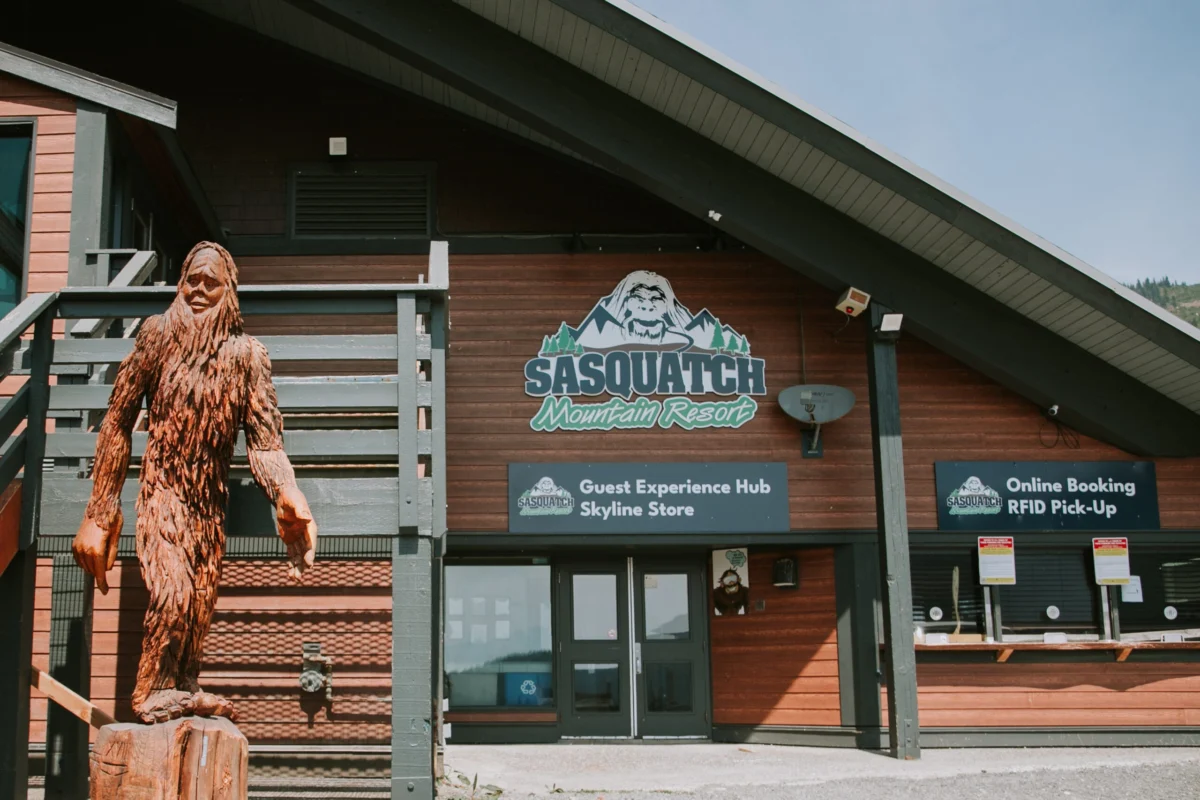
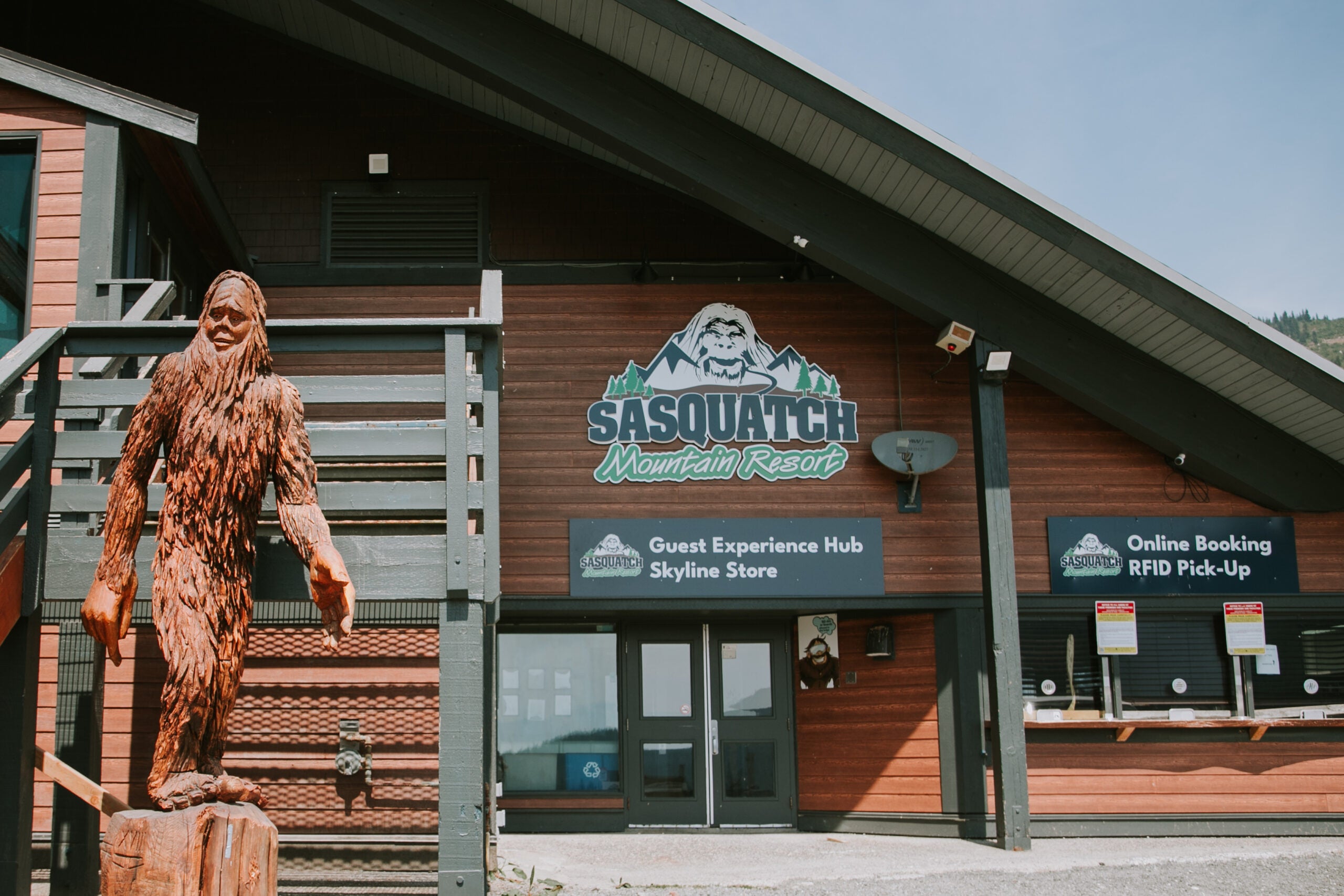
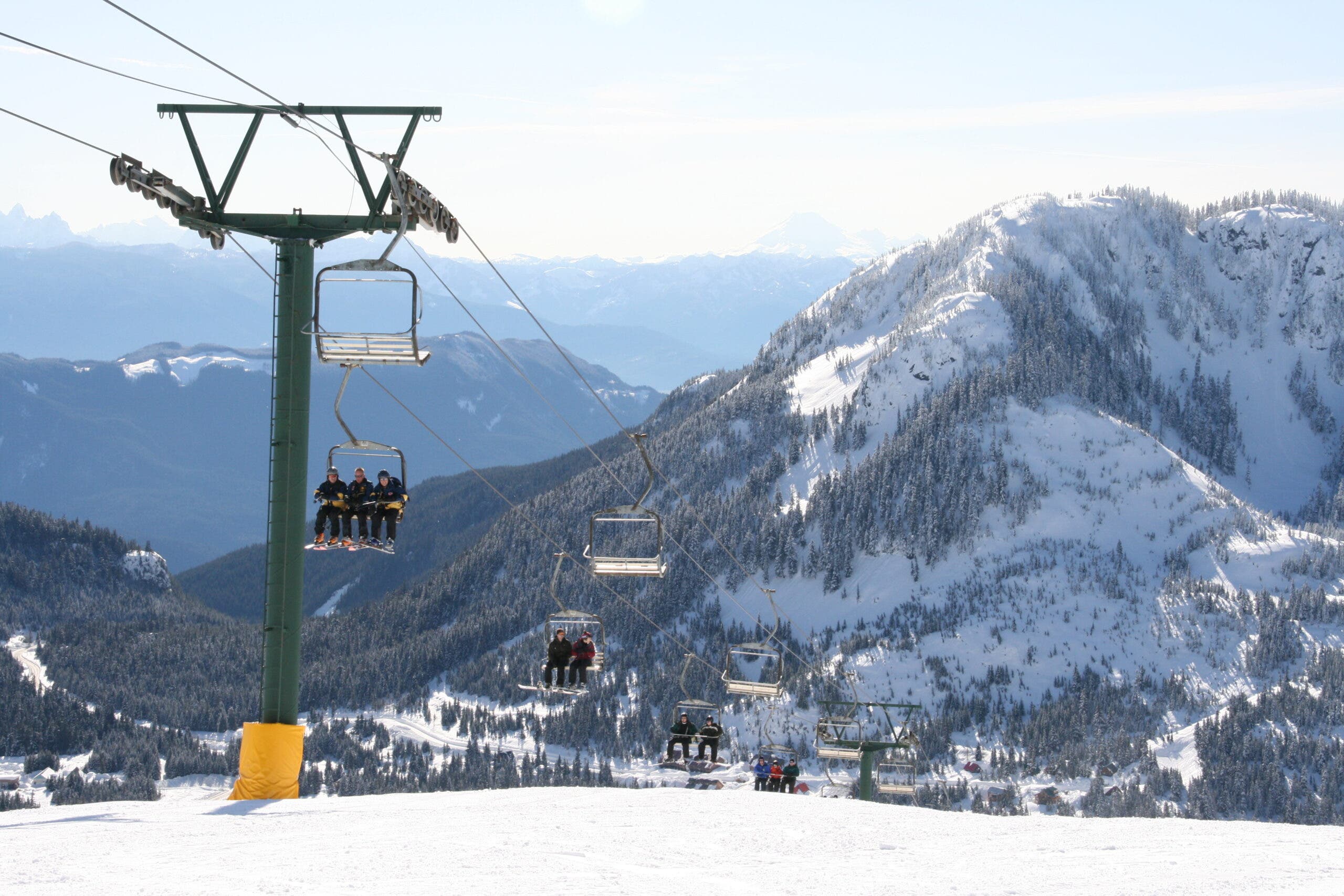
Perhaps the most significant evidence of Bigfoot’s dominance in the industry is the 2017 rebranding of Hemlock Valley Resort in British Columbia. Now known as Sasquatch Mountain Resort, the destination has fully committed its identity to the legend. Under new ownership, the resort underwent a total transformation, renaming its primary infrastructure to reflect the local folklore. Visitors now ride the Sasquatch Triple Chair and navigate the Bigfoot run, while children learn to ski on a beginner carpet dubbed "Littlefoot."
Nikita Romane, the resort’s inside operations manager, explains that the decision was driven by a desire for authenticity. In an era where many ski resorts are criticized for a "cookie-cutter" aesthetic, Sasquatch Mountain Resort chose to lean into the specific cultural heritage of the Harrison and Fraser Valley region. The nearby Harrison Hot Springs is home to a dedicated Sasquatch Museum, and the surrounding forests have long been a hotbed for reported sightings. By adopting the name, the resort anchored itself to the land’s history, moving beyond a generic alpine identity to something uniquely tied to the regional psyche.
The Data of the Myth: Sightings and Geography
While the existence of Bigfoot remains a matter of pseudoscience and folklore, the data regarding "sightings" provides a clear map of why the PNW is the creature’s spiritual home. According to the Bigfoot Field Researchers Organization (BFRO), Washington state consistently leads the United States in reported encounters, with over 700 documented incidents. Oregon and British Columbia follow closely behind.
The geography of the Pacific Northwest—characterized by the "Cascadia" bioregion—offers the perfect backdrop for such a legend. The region contains millions of acres of old-growth forest, much of which is inaccessible by road. Mount Hood in Oregon, for instance, is frequently cited as having the highest density of sightings in the state. The Mount Hood National Forest encompasses more than 1,000,000 acres of rugged terrain, providing the "vast, unexplored" aesthetic that fuels the imagination of outdoor enthusiasts.
Cliff Barackman, the curator of the North American Bigfoot Center in Boring, Oregon, notes that the correlation between skiing and Bigfoot sightings is logical. Skiers, hikers, and backcountry explorers are among the few demographics that regularly venture into the remote habitats where a large, undiscovered primate would theoretically reside. "Bigfoot has become a regional mascot because it represents the mystery of the wilderness," Barackman states. "It reminds us that despite our technology and our groomed runs, there are still places where we don’t know everything that’s happening in the woods."
Historical and Indigenous Context
To understand the depth of the Bigfoot connection, one must look beyond modern marketing and into the linguistic and cultural history of the region. The word "Sasquatch" is a localized anglicization of Sásq’ets, a term from the Halq’eméylem language used by the Sts’ailes people. In Indigenous traditions, the Sásq’ets is often described not as a "monster," but as a spiritual being or a "hairy man" who acts as a caretaker of the forest.
Resorts like Sasquatch Mountain Resort have made efforts to acknowledge these roots. The resort operates on the unceded territory of the Sts’ailes people, and management has expressed the importance of respecting the cultural origins of the name. This historical depth adds a layer of gravity to the legend, elevating it from a mere mascot to a symbol of the enduring connection between humans and the ancient landscapes of the Northwest.
The Chronology of Bigfoot in Popular Culture
The rise of Bigfoot as a ski country icon follows a clear historical timeline:
- Pre-19th Century: Indigenous oral traditions across the PNW establish the presence of "wild men" in the mountains.
- 1958: The term "Bigfoot" is coined in northern California after giant footprints are found at a logging site in Bluff Creek.
- 1967: The Patterson-Gimlin film is released, providing the "definitive" visual image of a walking Sasquatch, which would later be replicated in resort statues.
- 1987: Harry and the Hendersons is filmed in the Cascades, cementing the creature’s place in the regional tourism zeitgeist.
- 2010s: As social media and "experience-based" travel grow, PNW resorts begin installing large-scale Bigfoot art to encourage "Instagrammable" moments.
- 2017: Hemlock Valley Resort officially rebrands as Sasquatch Mountain Resort, marking the full commercial integration of the myth into the ski industry.
Economic and Tourism Implications
The economic impact of "cryptid tourism" is a burgeoning field of study. For small mountain communities, the Bigfoot legend provides a year-round draw that supplements the seasonal nature of skiing. In the Harrison River Valley, the Sasquatch theme brings in visitors during the summer months when snow sports are dormant.
By incorporating Bigfoot into their branding, resorts tap into a sense of "adventure" that goes beyond the physical act of skiing. It adds an element of "the hunt" or "the discovery" to a family vacation. Analysis suggests that themed branding—such as "Sasquatch Sushi" at Big White or the themed lodges at Mt. Hood—increases brand loyalty by creating a distinct "sense of place." In a global market where skiers might choose between the Alps, the Rockies, or the Cascades, the specific allure of Sasquatch country provides a competitive edge for the Pacific Northwest.
Conclusion: The Symbol of the Wild
Ultimately, the reason Bigfoot and skiing share such a deep bond is rooted in the psychology of the sport. Skiing is an act of entering the wild, often alone or in small groups, surrounded by the silence of the trees and the vastness of the mountains. In those moments of solitude, the mind naturally gravitates toward the unknown.
As Matt Kung of Mission Ridge observes, Bigfoot embodies the freedom that skiers seek. He is a creature that belongs entirely to the wild places that humans only visit for a few hours at a time. Whether he exists in the flesh or merely in the rusted steel of a sculpture on a ridgeline, Sasquatch has secured his place as the guardian of the PNW slopes. As long as there are deep forests and snow-covered peaks, the legend of the "hairy man" will continue to be a part of the region’s identity, providing a playful but profound reminder of the mysteries that still lie just beyond the groomed runs.
