

The Environmental Protection Agency (EPA), established in 1970 under the Nixon administration, was founded on a singular mandate: to protect human health and the environment. For more than five decades, the agency has operated as the primary federal steward of the nation’s natural resources, utilizing the authority granted by the Clean Air Act and the Clean Water Act to establish science-based standards for pollution. However, a comprehensive analysis of the past twelve months reveals a significant and systematic shift in the agency’s operational philosophy. Through a series of administrative rollbacks, the EPA has moved toward a model of deregulation that critics argue undermines the very legal and scientific foundations upon which the agency was built.
This transition is not characterized by a single policy change but rather by a methodical dismantling of long-standing protections. From the revocation of the Endangerment Finding to the reduction of oversight on toxic emissions, the landscape of federal environmental regulation is undergoing its most profound transformation in a generation. The implications of these changes extend beyond legal theory, impacting the $1.1 trillion outdoor recreation economy, public health outcomes in vulnerable communities, and the nation’s ability to meet international climate goals.
The Legal Foundation: Rescinding the Endangerment Finding
The most significant development in this period of deregulation is the overturning of the Endangerment Finding. Legally established in 2009 following the landmark Supreme Court case Massachusetts v. EPA (2007), the finding determined that greenhouse gas emissions from new motor vehicles—and by extension, other major sources—endanger public health and welfare by contributing to climate change. This finding was the "backbone" of the EPA’s authority to regulate carbon dioxide and methane under the Clean Air Act.
By rescinding this finding, the agency has effectively removed the federal obligation to address climate pollution from power plants, the transportation sector, and heavy industry. Legal experts note that without the Endangerment Finding, any future attempts to limit greenhouse gases will face significant litigation hurdles, as the agency no longer recognizes these emissions as a formal threat to public safety. This shift occurs as global climate scientists warn that the window to stay below the 1.5°C warming threshold is rapidly closing. The removal of this legal pillar represents a fundamental pivot from mitigation to a hands-off approach regarding atmospheric chemistry.
A Chronology of Administrative Rollbacks
The past year has seen a rapid-fire series of regulatory changes designed to reduce the compliance burden on the energy and manufacturing sectors. The following chronology outlines the primary actions taken to limit the agency’s oversight:
- Quarter 1: Emissions and Climate Data. The agency began by eliminating the use of the "Social Cost of Carbon," a metric used to calculate the long-term economic damage caused by carbon emissions. This was followed by the rollback of vehicle emission standards, which had previously aimed to increase fuel efficiency and reduce tailpipe pollutants.
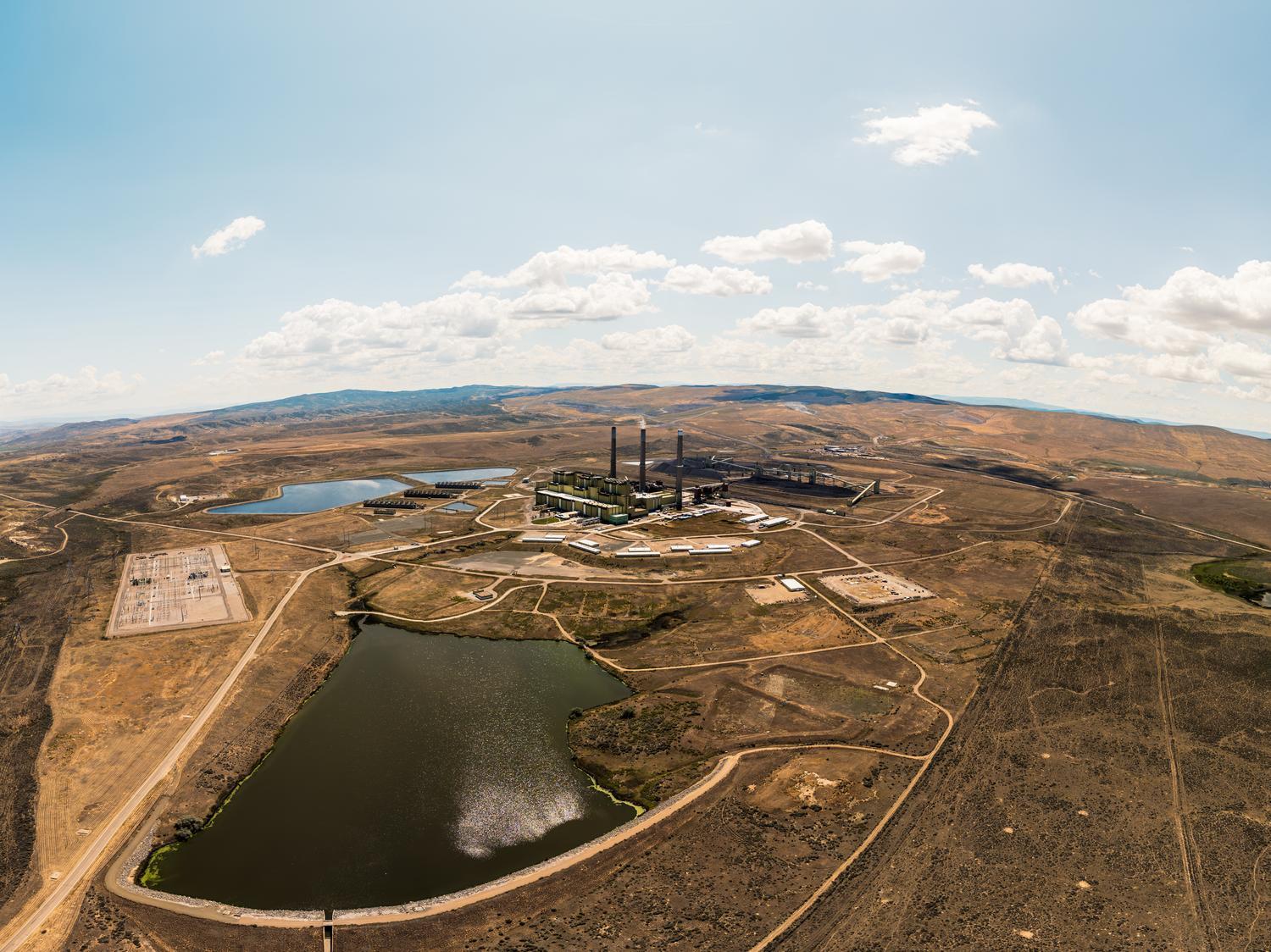
- Quarter 2: Toxic Pollutants and Coal Protections. The EPA weakened the Mercury and Air Toxics Standards (MATS), specifically reducing the limits on mercury, arsenic, and lead emissions from coal-fired power plants. Simultaneously, the agency granted dozens of exemptions to older plants, allowing them to bypass modern air quality requirements.
- Quarter 3: Water Quality and Definitions. A major revision to the "Waters of the United States" (WOTUS) rule narrowed the definition of protected waterways. This action removed federal protections for millions of miles of ephemeral streams and wetlands, shifting the burden of regulation to individual states.
- Quarter 4: Enforcement and Infrastructure. The agency announced a massive budget reduction of approximately 50%, leading to the closure of several research arms and a reduction in field inspections. The "enforcement discretion" policy was expanded, allowing companies to self-report violations with reduced risk of financial penalties.
Impact on the Outdoor Recreation Economy
The dismantling of environmental protections has immediate economic consequences, particularly for the "Outdoor State." According to data from the Bureau of Economic Analysis (BEA), the outdoor recreation economy accounts for 2.2% of the U.S. Gross Domestic Product (GDP), supporting over 5 million jobs and generating $1.1 trillion in economic output. This sector is uniquely vulnerable to environmental degradation.
In states like Vermont, the winter tourism industry is already seeing the effects of a warming climate, with reports indicating a 22% loss in snow days over the last two decades. In the Western United States, increasingly frequent wildfires and poor air quality have led to the seasonal closure of national forests and parks, resulting in millions of dollars in lost revenue for local businesses. Major metropolitan areas including Denver, Salt Lake City, and Los Angeles have reported an uptick in "high-smog" days, which correlate directly with the weakening of ozone standards and cross-state air pollution rules. When air quality reaches hazardous levels, outdoor activities are curtailed, affecting everything from professional athletics to local guided tours.
The Sidelining of Scientific Evidence and Environmental Justice
Central to the EPA’s new direction is the restructuring of its scientific advisory processes. Historically, the agency relied on independent scientific advisory boards composed of academics and researchers to review policy proposals. Over the last year, many of these boards have been dissolved or repopulated with industry-affiliated personnel. Furthermore, the agency has implemented rules that limit the types of scientific studies that can be used in policymaking, often excluding research that relies on confidential medical data—a staple of public health studies.
The impact of these changes is perhaps most visible in the realm of environmental justice. The EPA recently shut down its Office of Environmental Justice and removed EJScreen, a sophisticated mapping tool used by advocates to identify communities disproportionately affected by industrial pollution. By removing these tools and the funding associated with them, the agency has reduced its capacity to monitor the health outcomes of low-income and minority communities located near "fenceline" industrial sites. The rollback of the "Good Neighbor" rule, which regulates pollution that drifts across state lines, further complicates the ability of downwind communities to protect their air and water quality.
Official Responses and Industry Perspectives
The administration has framed these deregulatory actions as a necessary correction to "regulatory overreach" that hindered economic growth. Proponents of the changes argue that the previous standards were "job-killers" that placed American industry at a competitive disadvantage globally. In official statements, leadership has emphasized a "return to basics," focusing on the core legislative text of environmental laws rather than broad administrative interpretations.
Industry groups, particularly in the coal and manufacturing sectors, have welcomed the "regulatory certainty" provided by the rollbacks. They contend that the previous rules were technologically unfeasible or excessively costly to implement. By expanding "enforcement discretion," the EPA argues it is fostering a more collaborative relationship with the private sector, encouraging compliance through cooperation rather than litigation.
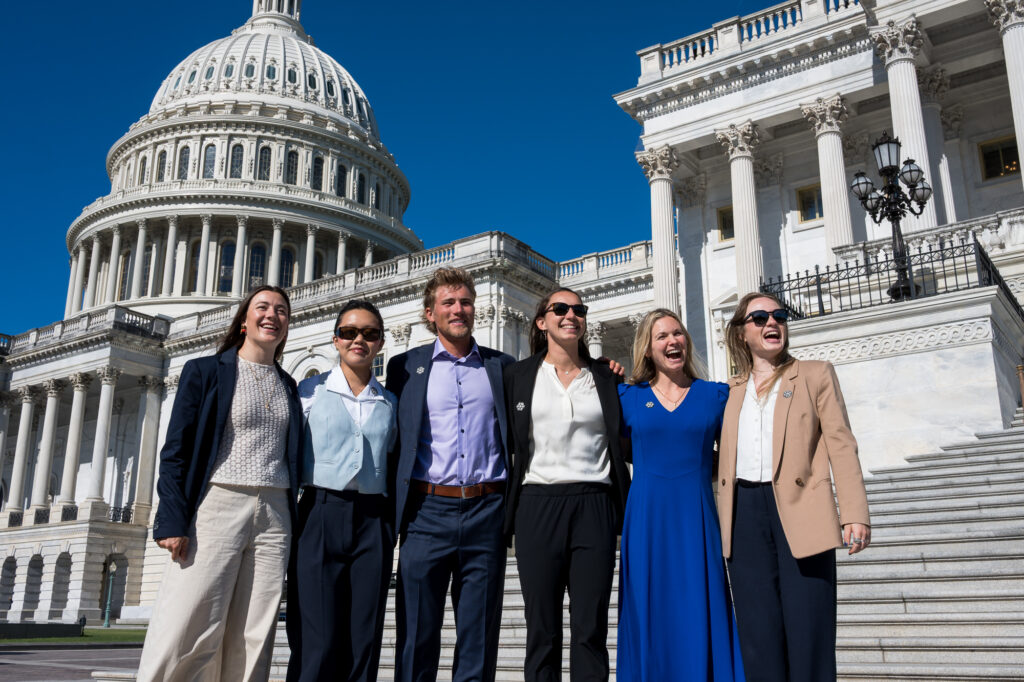
However, these views are sharply contested by environmental organizations and public health advocates. Groups like Protect Our Winters (POW) argue that the EPA is abandoning its primary duty to the public. They point out that for every dollar saved by industry in compliance costs, the public bears a much higher cost in healthcare expenses related to asthma, heart disease, and toxic exposure.
Broader Implications and Future Outlook
The long-term implications of these policy shifts are profound. By dismantling emissions monitoring infrastructure and reducing staff expertise, the EPA is losing its institutional memory and its ability to respond to emerging environmental crises. The loss of data-gathering tools means that future administrations may lack the baseline information necessary to restore protections or assess the damage caused during this period of deregulation.
Furthermore, the international standing of the United States in climate negotiations is weakened when its primary environmental agency moves away from greenhouse gas regulation. As the global community strives to meet the goals of the Paris Agreement, the U.S. trajectory toward increased coal dependency and reduced vehicle efficiency standards sets a contradictory precedent.
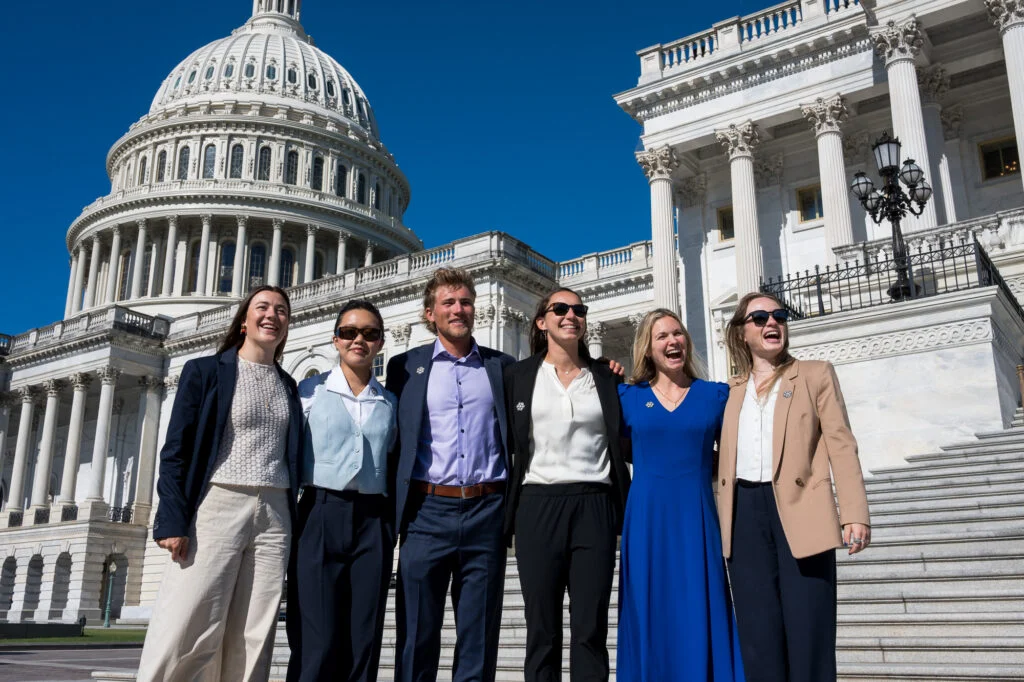
In response to these developments, the POW Action Fund and other advocacy groups are escalating their efforts in Washington, D.C. Their objective is to hold lawmakers accountable for the EPA’s budget cuts and to demand a restoration of the agency’s oversight authority. As these groups head to the Capitol, the debate over the EPA’s role will likely intensify, centering on whether the agency should prioritize industrial flexibility or the long-term stability of the nation’s air, water, and climate.
The current state of the EPA represents a fundamental shift in the American approach to natural resource management. As regulations are rescinded and scientific boards are restructured, the burden of proof regarding environmental safety is shifting from the polluter to the public. The ultimate success or failure of this deregulatory experiment will be measured not just in economic charts, but in the measurable quality of the air, the health of the nation’s waterways, and the resilience of the $1.1 trillion outdoor economy that depends on a stable environment.
