

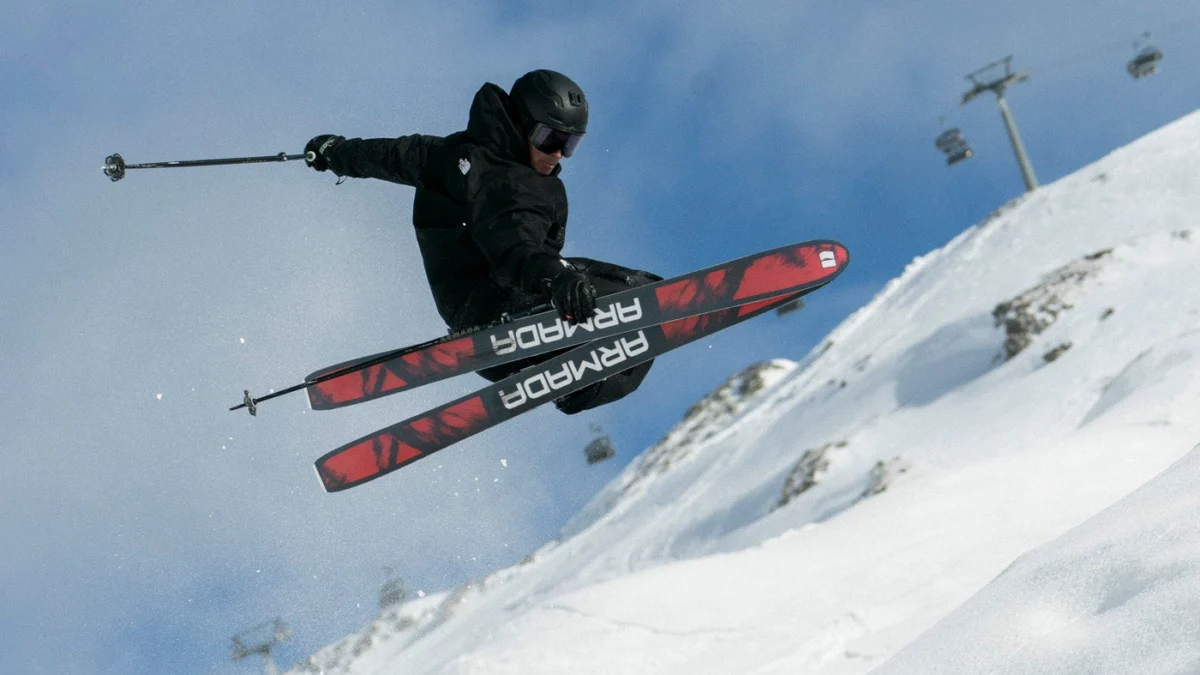
The International Olympic Committee (IOC) has formally sanctioned the inclusion of freeride skiing in the 2030 Winter Olympic Games, marking a historic shift in the landscape of competitive winter sports. Announced on July 7, 2026, the decision confirms that the world’s elite big-mountain skiers will compete for Olympic medals on the steep, ungroomed faces of the French Alps. This integration represents the culmination of a decade-long effort to bring one of skiing’s most visually arresting disciplines into the mainstream athletic fold. While the announcement has been met with enthusiasm from the global skiing community, it also signals a transformative period for the multi-billion-dollar ski equipment industry, as the specialized gear required for such high-stakes descents moves from a niche market into the global spotlight.
The Institutional Path to Olympic Recognition
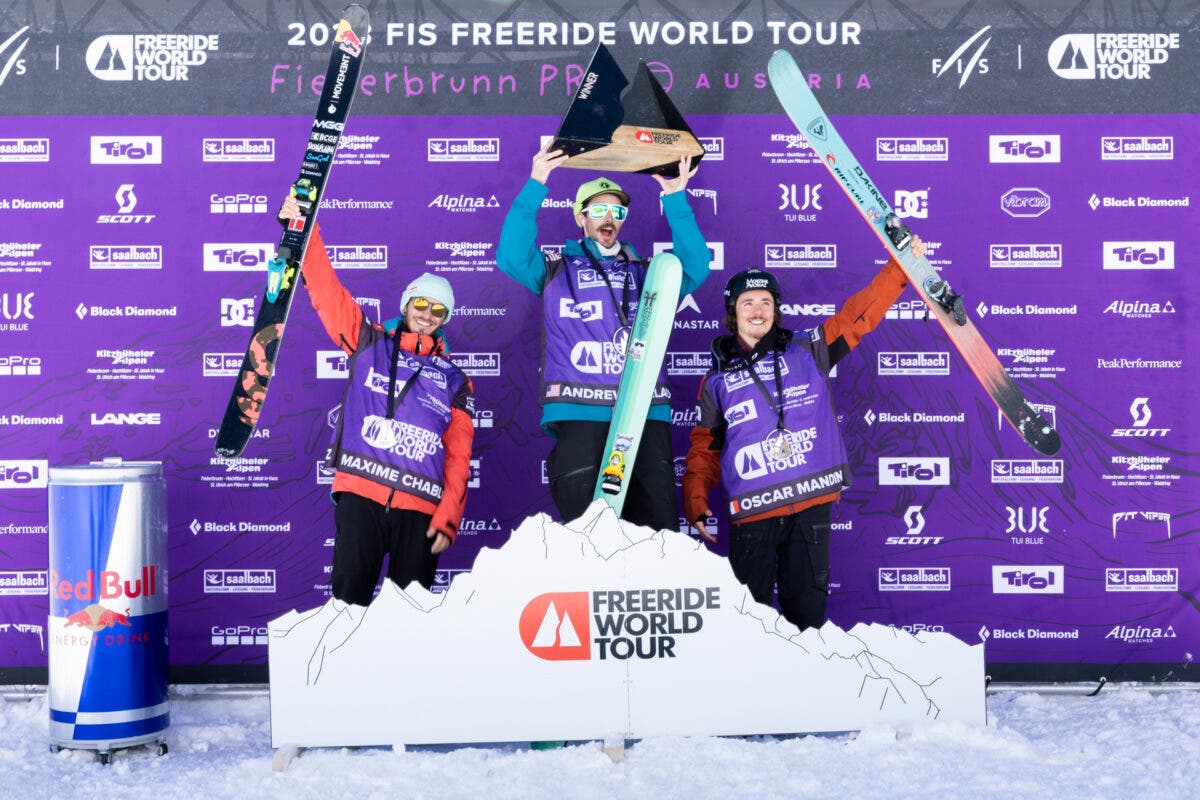
The road to the 2030 Games was paved by a series of strategic institutional maneuvers, most notably the 2022 acquisition of the Freeride World Tour (FWT) by the International Ski and Snowboard Federation (FIS). For years, freeride existed as a decentralized, somewhat counter-cultural movement, characterized by its "choose-your-own-line" philosophy and a focus on natural terrain rather than man-made courses. However, the FIS acquisition provided the regulatory framework and global reach necessary to satisfy IOC requirements for governance and standardized competition.
The timeline of this evolution is punctuated by several key milestones:
- 2008: The formation of the modern Freeride World Tour, consolidating various independent big-mountain events.
- 2022: FIS acquires the FWT, signaling the start of a formal "Olympic Pathway."
- 2025: The first-ever FIS Freeride World Championships are held, serving as a successful proof-of-concept for the Olympic format.
- July 2026: The IOC officially confirms freeride as a medal event for the 2030 Winter Games in the French Alps.
Industry analysts suggest that the inclusion of freeride is a strategic move by the IOC to capture a younger, more digitally-engaged demographic. Similar to the inclusion of skateboarding and surfing in the Summer Games, freeride offers a high-octane, creative alternative to traditional alpine racing, which has seen fluctuating viewership in recent years.
Technical Stratification: Defining the Freeride Ski
With the Olympic announcement, technical attention has shifted toward the specific equipment that allows athletes to navigate 45-degree slopes and 40-foot cliffs. To the uninitiated, a freeride ski may look like a standard powder ski, but the engineering requirements are vastly different. In the professional circuit, equipment is categorized by its ability to balance stability, weight, and maneuverability under extreme duress.
Unlike all-mountain skis, which typically measure between 90mm and 109mm underfoot and are designed for a variety of resort conditions, freeride skis generally sit in the 110mm to 115mm range. However, their primary differentiator is not width, but construction. While powder skis are designed for "float" in deep snow, freeride skis prioritize "stability" and "damping." These skis must be capable of absorbing the impact of massive landings and maintaining an edge on "variable" snow—a polite term for the wind-scoured ice and sun-baked crust often found on high-altitude faces.
The Stability-Float Paradigm
In a standard Freeride World Tour event—the format of which will be mirrored in the 2030 Olympics—athletes do not get practice runs on the competition face. They perform a visual inspection from afar and then must execute a single, high-speed run. Because snow quality can change from soft powder to hard-packed "chunder" within a few meters, the skis must feature a significant amount of "rocker" (upward curvature at the tips and tails) to prevent catching an edge, combined with "camber" underfoot to provide grip on icy sections.
Historical Evolution of Gear Technology
The equipment used in modern freeride competition is the result of decades of trial and error. In the early 2000s, "big mountain" skiing was dominated by stiff, heavy, and long skis. Models like the Dynastar Legend Pro Rider were essentially oversized racing skis, designed for "charging" down the fall line at maximum velocity. These skis often had turn radii exceeding 25 or 30 meters, making them difficult to turn but nearly impossible to deflect at high speeds.
As the sport evolved to incorporate freestyle elements—such as backflips, 360-degree spins, and "switch" (backward) landings—the gear had to adapt. The modern freeride ski is a hybrid: it retains the high-speed stability of a race ski but incorporates the playful geometry and lighter weight of a park ski. This "freestyle-freeride" blend allows athletes like 2025 World Champion Marcus Goguen to perform technical tricks off natural features while maintaining the control needed to navigate narrow, rock-lined couloirs.
Case Studies in Olympic-Caliber Equipment
The current competitive landscape is dominated by a few specific models that have consistently appeared on podiums during the 2025 and 2026 seasons. These skis represent the pinnacle of current engineering and are expected to be the blueprints for the gear seen in the 2030 Olympics.
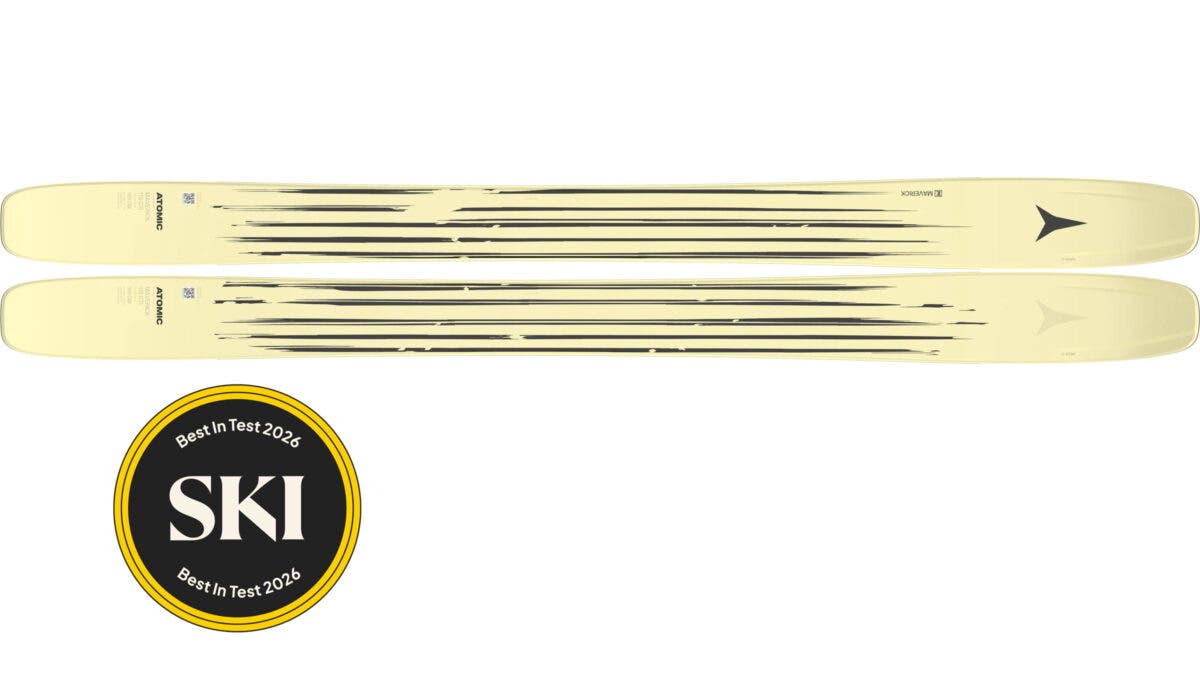
Atomic Maverick 115 CTi
Used by two-time World Champion Justine Dufour-Lapointe, the Maverick 115 CTi utilizes a "Carbon Tank Mesh" and a Titanal (aluminum alloy) core. This combination provides the rigidity needed for high-speed stability while remaining light enough for Dufour-Lapointe’s signature high-altitude backflips. Its performance in the 2025 Natural Selection Ski event in Alaska further solidified its reputation as a versatile tool for both deep snow and technical terrain.
Rossignol Sender Free 110
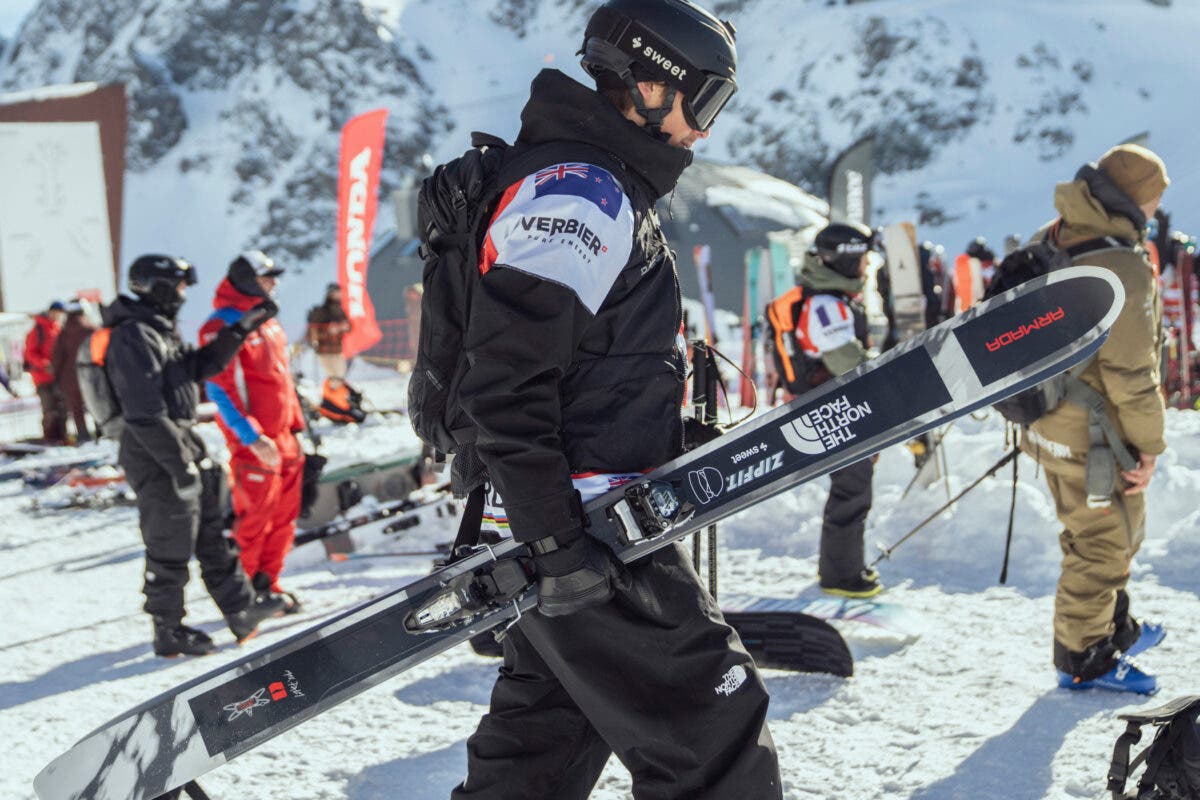
The Sender Free 110 has become synonymous with the "new school" of freeride. Marcus Goguen used this ski to navigate the Bec de Rosses in Verbier, executing a historic line that included a previously unattempted cliff drop. The ski features a "Damp Tech" insert at the tip to reduce vibrations, which is critical when landing on hard, uneven snow after falling 40 feet through the air.
Armada Antimatter 114
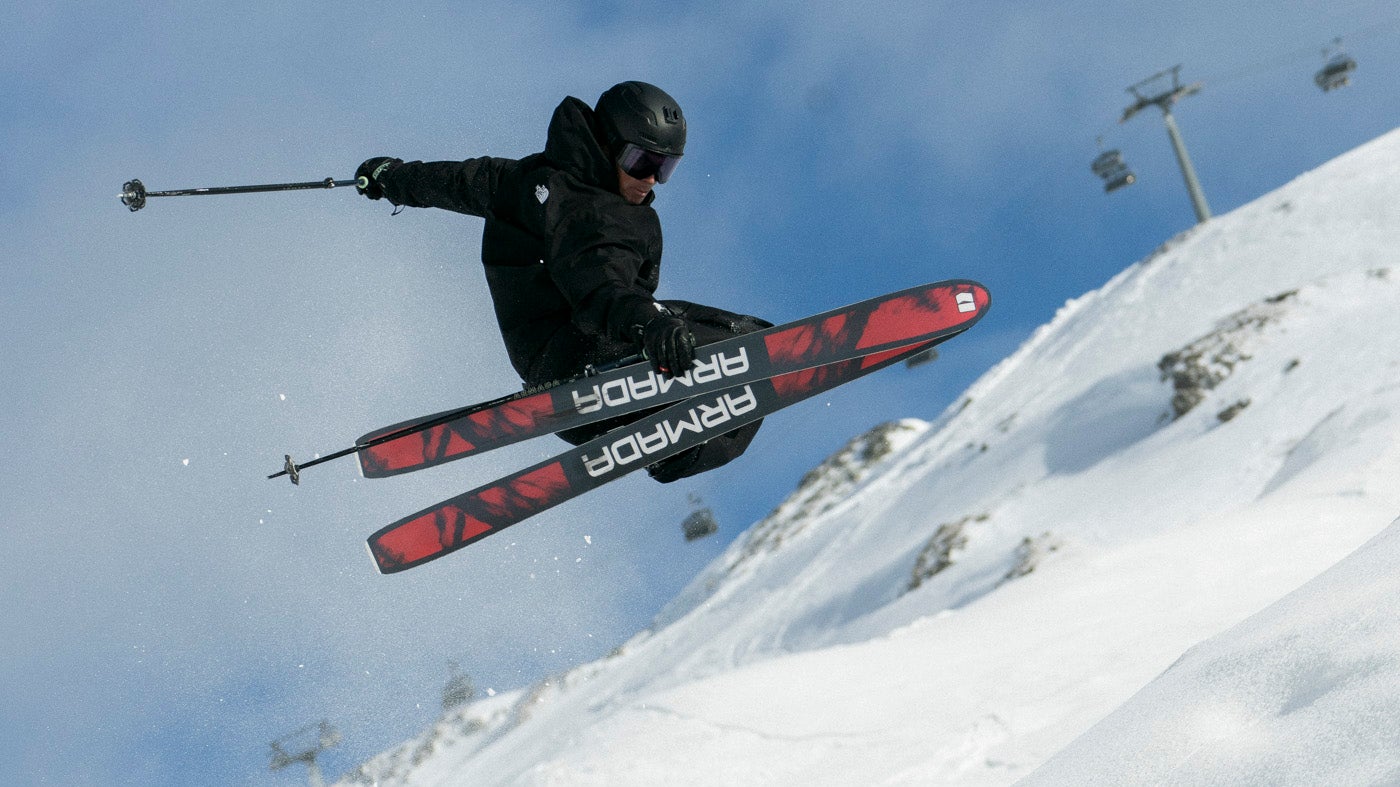
The standout story of the 2026 season was Ben Richards’ dominance on the Armada Antimatter 114. Developed in collaboration with Max Palm—the first skier to land a double backflip in competition—the Antimatter represents the cutting edge of directional freeride design. It utilizes a lighter wood core reinforced with metal, allowing for a "glued-to-the-snow" feel that supports Richards’ aggressive, fall-line style.
Market Implications and the "Halo Effect"
The Olympic debut of freeride is expected to have a profound impact on the retail ski market. Unlike Olympic downhill or slalom skis, which are highly specialized "lab" products not suitable for the general public, freeride competition skis are largely identical to the models sold in retail shops. This accessibility creates a direct link between Olympic performance and consumer behavior.
Industry data suggests that as freeride moves into the Olympic spotlight, there will be a shift away from the "narrowing" trend seen in recent years. Retailers expect an uptick in the "mid-fat" category (105mm–115mm), as recreational skiers seek the same versatility and stability demonstrated by Olympic athletes. "The Olympic green light acts as a massive marketing engine," says one industry consultant. "We saw it with halfpipe skiing in 2014; suddenly, every teenager wanted a twin-tip ski. We expect the same for wide, rockered freeride skis by 2030."
Judging and the Future of the Sport
The transition to an Olympic sport also brings rigorous scrutiny to the judging process. Freeride is judged on five criteria:
- Line Choice: The difficulty and danger of the chosen path.
- Control: The athlete’s ability to remain balanced and avoid falling.
- Fluidity: The continuity of the run without hesitation.
- Air and Style: The size and quality of jumps and tricks.
- Technique: The technical skill shown in challenging turns.
To maintain the sport’s integrity while meeting Olympic standards, the FIS has been refining a digital scoring system that provides real-time data to judges. This transparency is crucial for a sport where "style" can often be subjective.
Conclusion: A New Era for Winter Sports
The inclusion of freeride in the 2030 Winter Olympics is more than just the addition of a new event; it is a validation of a skiing philosophy that prizes creativity and courage in the face of raw nature. As the French Alps prepare to host the world’s best freeriders, the equipment—ranging from the Atomic Maverick to the Armada Antimatter—will continue to push the boundaries of what is possible on snow. For the athletes, the road to 2030 is a chance for immortality. For the industry, it is a catalyst for innovation that will likely redefine what the average skier finds in their local shop for decades to come. By the time the Olympic flame is lit in 2030, the "wild" world of freeride will have firmly established its place in the pantheon of elite global sport.
