

Published June 26, 2026 12:27 PM
Laramie, Wyoming, a city of approximately 32,000 residents nestled in the southeastern part of the state, has long existed outside the popular imagination as a premier winter sports destination. Often overshadowed by its more famous counterparts in the Rocky Mountains, Laramie’s connection to world-class skiing, both downhill and Nordic, frequently goes unnoticed, even by those familiar with the University of Wyoming, alma mater to prominent figures like Buffalo Bills quarterback Josh Allen. A recent exploratory visit aimed to challenge this perception, revealing Laramie’s surprising potential as an accessible, affordable, and charming hub for winter enthusiasts.
The Overlooked Gem: Laramie’s Winter Sports Profile
The concept of a "college ski town" typically evokes images of Boulder, Colorado, with its proximity to Eldora Mountain Resort, or Salt Lake City, Utah, a gateway to the Cottonwood Canyon resorts. On the East Coast, institutions like Dartmouth and Middlebury boast their own ski areas, while the University of Vermont benefits from numerous nearby resorts. Laramie, home to the University of Wyoming, rarely appears on these lists, despite its advantageous geographic position.
The city is enveloped by the vast Medicine Bow National Forest, a sprawling natural preserve offering an extensive playground for outdoor activities. In winter, this proximity translates to unparalleled access: pristine backcountry and cross-country skiing opportunities are less than 30 minutes from downtown Laramie. Furthermore, the Snowy Range Ski Area, a full-service downhill resort, is situated just 32 miles away, making it an easily reachable option for a day on the slopes. This combination of accessible resort skiing and expansive wilderness Nordic trails positions Laramie uniquely among university towns, offering a diverse winter sports experience that remains largely undiscovered.
Beyond its natural assets, Laramie presents itself as an attractive destination due to its accessibility, inherent charm, and affordability. The city maintains a distinct "Wild West" flair, providing a cultural backdrop that complements its outdoor offerings, distinguishing it from more commercialized resort towns.
Logistical Overview: Journey to the High Plains
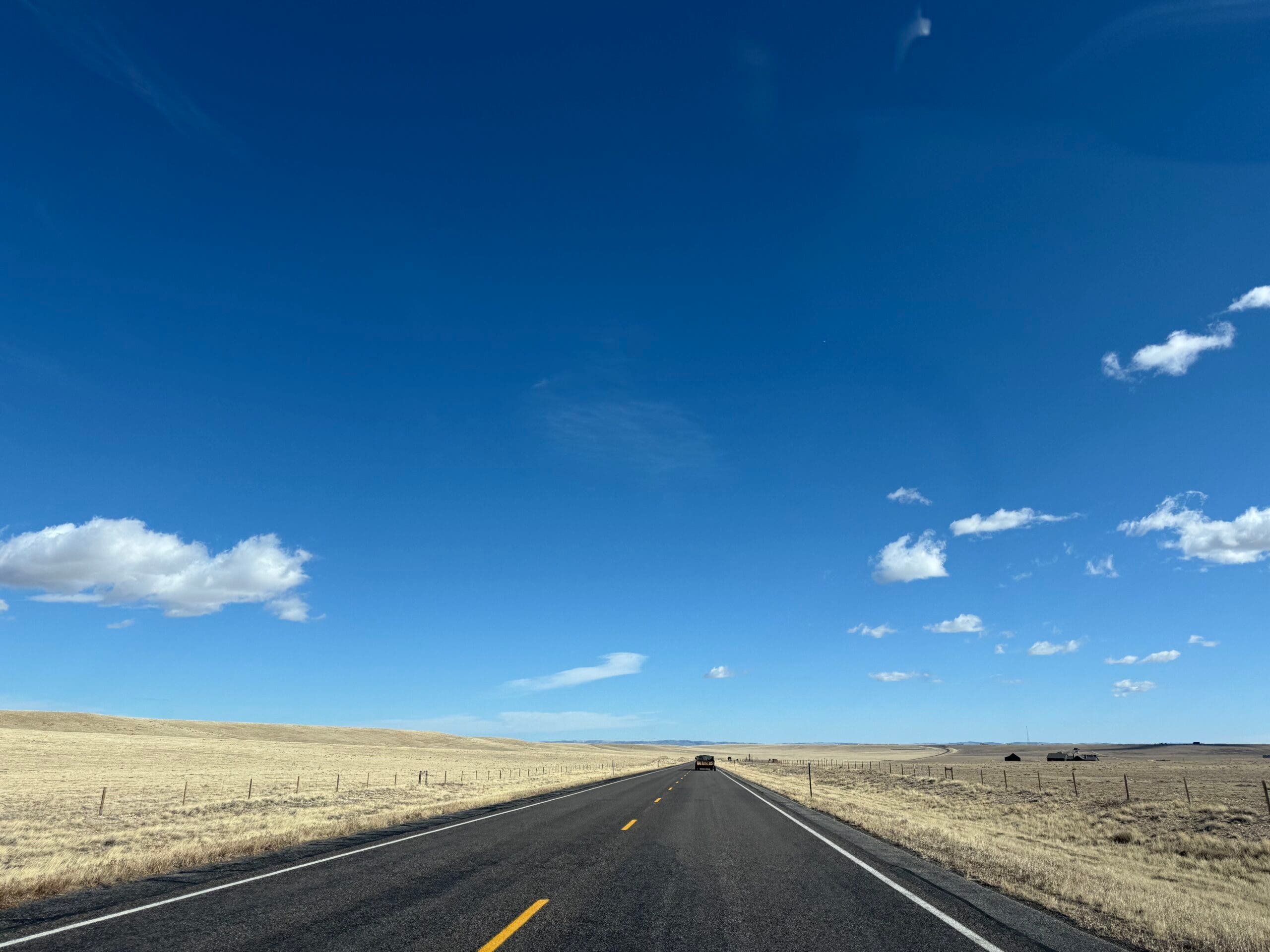
The logistical planning for a winter sports weekend in Laramie typically involves travel through Denver International Airport (DIA). While Laramie does possess a small regional airport, Denver offers a wider array of flight options and often more competitive pricing. The drive from DIA north to Laramie spans approximately two hours, a straightforward journey that transitions from the Colorado plains into the high desert and mountains of Wyoming. This route provides an opportunity to experience roadside attractions such as the Buc-ee’s travel center in Johnstown, Colorado, a recent addition to the region’s travel infrastructure known for its expansive retail and dining offerings. This stop exemplifies the evolving landscape of travel amenities designed to enhance long-distance drives.
A Dual-Discipline Day: Downhill and Nordic Immersion
The core of the Laramie winter experience often involves a dual-discipline approach to skiing, capitalizing on the region’s diverse terrain. A recent itinerary, reflective of the area’s potential, included a morning dedicated to downhill skiing followed by an afternoon of cross-country exploration, carefully timed to conclude before nightfall.
Snowy Range Ski Area: A Step Back in Time
Following a brief breakfast in Laramie, the journey to Snowy Range Ski Area takes approximately 30 minutes, leading to a dirt parking lot that immediately conveys the resort’s unpretentious, family-run character. Snowy Range, unlike many modern mega-resorts, offers a nostalgic experience, reminiscent of smaller, community-focused ski areas where many skiers first learned the sport.
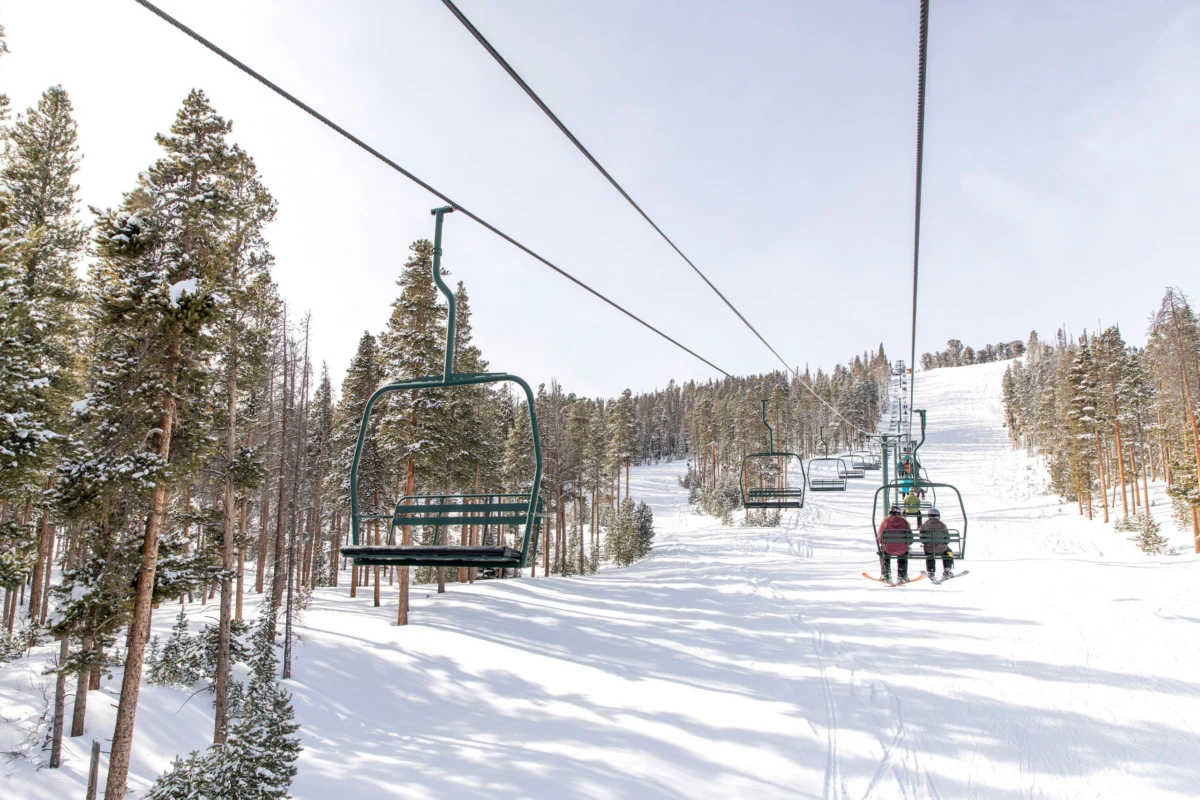
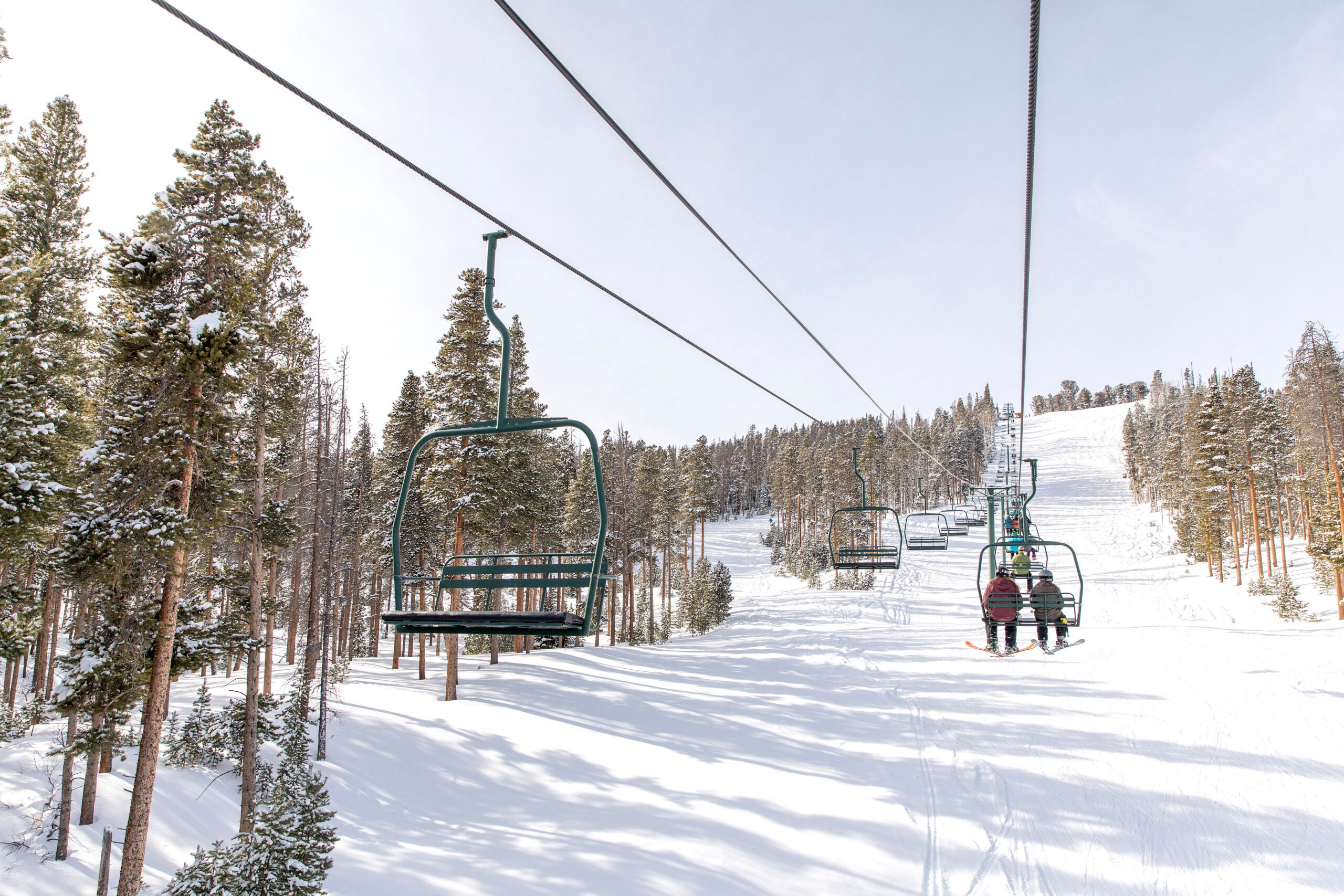
The resort’s ticket prices, typically around $54 for adult weekdays and $64 for weekends and holidays, reflect its commitment to affordability, standing in stark contrast to the escalating costs seen at larger, corporate-owned destinations. Despite a challenging snow year, management at Snowy Range expressed satisfaction with the operational status, noting that nearly all runs remained open, a testament to efficient snow management and dedicated staff. The resort’s reliance on older, "creaky green chairlifts" contributes to its unique charm, providing a sense of timeless simplicity that prioritizes the pure enjoyment of skiing over high-speed amenities. This ethos appeals to a segment of the skiing population that values tradition and a less crowded experience. Snowy Range features approximately 250 acres of skiable terrain, served by four chairlifts and a surface lift, offering a vertical drop of 990 feet. Its terrain is balanced, with a good mix of beginner, intermediate, and advanced runs, making it suitable for a wide range of skill levels.
Medicine Bow National Forest: Nordic Serenity and Navigational Challenges
Transitioning from the exhilaration of downhill skiing to the tranquility of cross-country requires a shift in gear and mindset. The individual undertaking this dual-discipline day emphasized the comfort of switching from stiff downhill boots to softer Nordic footwear, suggesting that ending a ski day with cross-country skiing provides a more relaxing conclusion.
The journey to the designated trailhead in Medicine Bow National Forest, however, presented a common challenge for those venturing into remote wilderness: a navigational misstep. A 30-minute detour on an unpaved road, coupled with a lack of cellular service, highlighted the importance of pre-planning and offline navigation tools when exploring expansive natural areas. This incident underscored the wild and untamed nature of Wyoming’s landscapes, where digital connectivity can be intermittent. Fortunately, assistance from a local establishment provided corrected directions and amenities, allowing the excursion to continue.
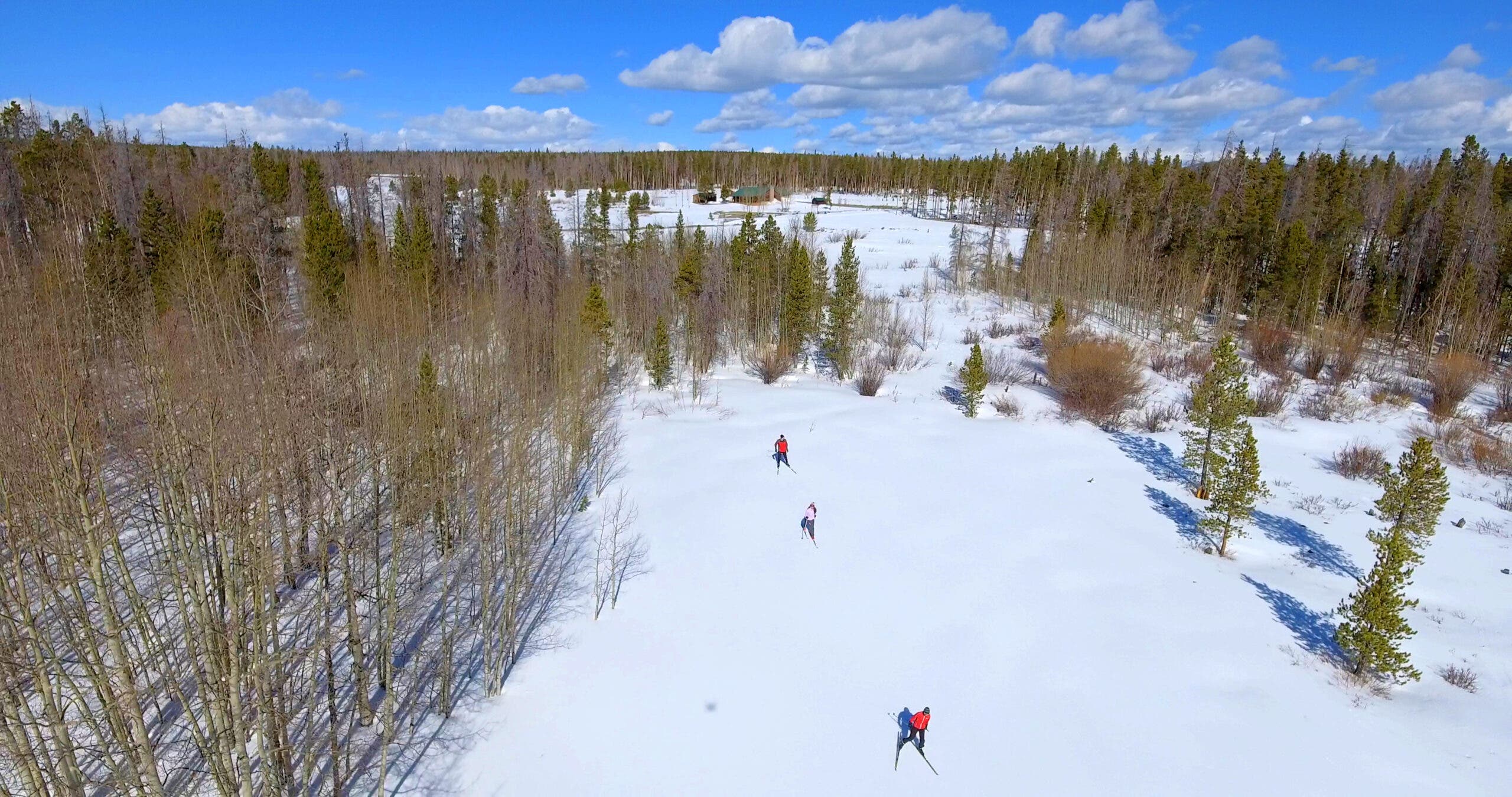
Upon reaching the correct parking lot, the conditions for cross-country skiing, while not ideal due to the season’s limited snowfall, still allowed for several miles of gliding. The experience served as a potent reminder of the enduring appeal of Nordic skiing, a sport cherished for its meditative rhythm and immersive connection to nature. Medicine Bow National Forest spans over 1 million acres and offers numerous trails for cross-country skiing, snowshoeing, and snowmobiling in the winter months. Popular areas for Nordic skiing include the Tie Siding and Pole Mountain trail systems, offering groomed and ungroomed trails suitable for various experience levels amidst stunning mountain scenery.
Laramie’s Unique Character: Beyond the Slopes
The return to downtown Laramie before dusk offered an opportunity to explore the city’s local culture and culinary scene. Sweet Melissa’s, a vegetarian comfort-food restaurant, was highlighted as a microcosm of Laramie’s inviting atmosphere. The establishment’s ability to make a visitor feel like a local, whether perceived as a university student or a discerning critic, speaks to a broader characteristic of the city itself.
Laramie possesses a distinctive community spirit where anonymity is rare, even for strangers. This sense of belonging, fostered by friendly interactions and a welcoming environment, differentiates Laramie from more transient tourist destinations. It is a place where connections are easily made, and visitors often depart with a feeling that the town, though initially unfamiliar, quickly comes to feel like home. This communal warmth is a significant factor in its overall appeal, particularly for those seeking an authentic Western experience.
Economic and Community Implications
The growing recognition of Laramie’s potential as a winter sports destination carries significant implications for its economy and community. Local tourism officials, such as those from Visit Laramie, have increasingly focused on promoting the city’s diverse outdoor recreation assets. By highlighting its affordability, accessibility, and unique blend of downhill and Nordic skiing, Laramie aims to attract a broader demographic of visitors, including families, college students, and budget-conscious adventurers.
Increased tourism could stimulate local businesses, from hotels and restaurants to outdoor gear retailers and guiding services. The University of Wyoming, already a cornerstone of the community, could also see enhanced appeal for prospective students interested in outdoor recreation, potentially bolstering enrollment in related academic programs and expanding university-sponsored outdoor clubs.
However, with potential growth comes the need for careful management. Sustainable tourism practices will be crucial to preserve the pristine natural environment of Medicine Bow National Forest and maintain the authentic character of Laramie. Balancing economic development with environmental stewardship and community well-being will be key to ensuring that Laramie can capitalize on its newfound recognition without compromising the qualities that make it so special. Discussions among local stakeholders, including city officials, university representatives, and business owners, are ongoing to develop strategies that support responsible growth.
Conclusion: A Destination on the Rise
Laramie, Wyoming, stands as a compelling example of an overlooked destination poised for greater recognition. Its blend of accessible downhill skiing at Snowy Range, extensive Nordic and backcountry opportunities in Medicine Bow National Forest, and a genuinely welcoming community spirit offers a distinct alternative to the more established and often pricier ski towns. The journey to Laramie reveals not just a place with impressive winter recreation options, but a city that embraces its visitors, transforming a weekend trip into an experience of belonging. As travelers increasingly seek authentic and affordable adventures, Laramie is well-positioned to emerge from the shadows, carving out its unique niche as an essential stop on the map of North American winter sports.
