

Published July 14, 2026 12:13PM
A pivotal moment in the history of winter sports occurred on July 7, 2026, when the International Olympic Committee (IOC) officially confirmed the inclusion of freeride skiing in the 2030 Winter Olympic Games. This landmark decision will see elite freeriders from across the globe descend upon the formidable, un-groomed faces of the French Alps, competing for coveted Olympic medals. For dedicated followers of the sport, this announcement, while momentous, was not entirely unexpected, representing the culmination of years of strategic development and the discipline’s undeniable ascent to the world’s largest athletic stage. This evolution was significantly accelerated by the International Ski and Snowboard Federation (FIS) acquiring the Freeride World Tour (FWT) in 2022, a move widely seen as paving the way for Olympic integration.
The Road to Olympic Recognition: A Chronology of Freeride’s Ascent
The journey of freeride skiing from a niche, counter-culture pursuit to an Olympic discipline is a testament to its growing popularity and the IOC’s drive to engage younger audiences. Historically, the Olympic Games have embraced dynamic and youth-oriented sports, with snowboarding and freestyle skiing serving as successful precedents. The inclusion of new, adrenaline-fueled disciplines often brings fresh viewership and commercial appeal, aligning with the IOC’s long-term strategic goals.
The 2022 merger between FIS and the Freeride World Tour marked a critical juncture. Prior to this, competitive freeride existed somewhat independently, with the FWT serving as its premier global circuit. FIS’s acquisition provided the sport with the institutional backing, standardized regulations, and a clear pathway required for Olympic consideration. This move integrated freeride into a broader framework of snow sports, allowing for unified athlete development programs, anti-doping protocols, and consistent judging standards – all prerequisites for Olympic inclusion.
Following the merger, FIS worked diligently to present freeride skiing as a viable and exciting addition to the Olympic program. The IOC’s decision on July 7, 2026, to officially sanction freeride for the 2030 Games in France underscores a clear commitment to diversifying its winter sports portfolio. This announcement sends a powerful signal to athletes, sponsors, and fans worldwide: freeride skiing has arrived.
Understanding Freeride: The Essence of Big Mountain Skiing
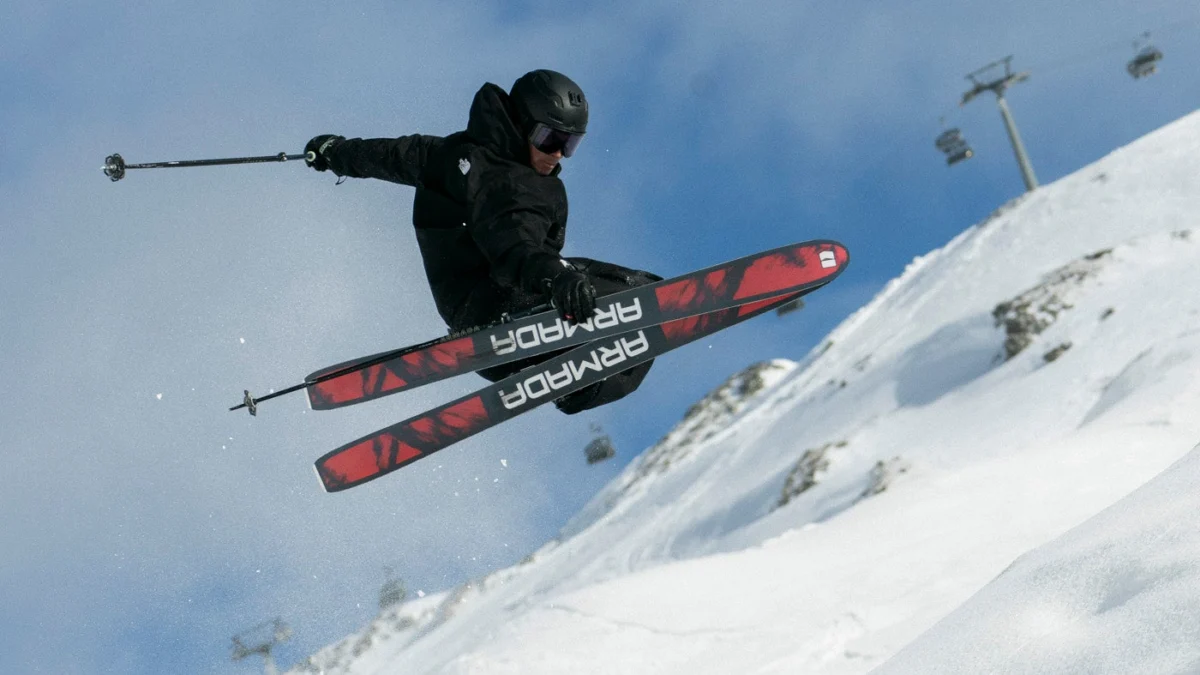
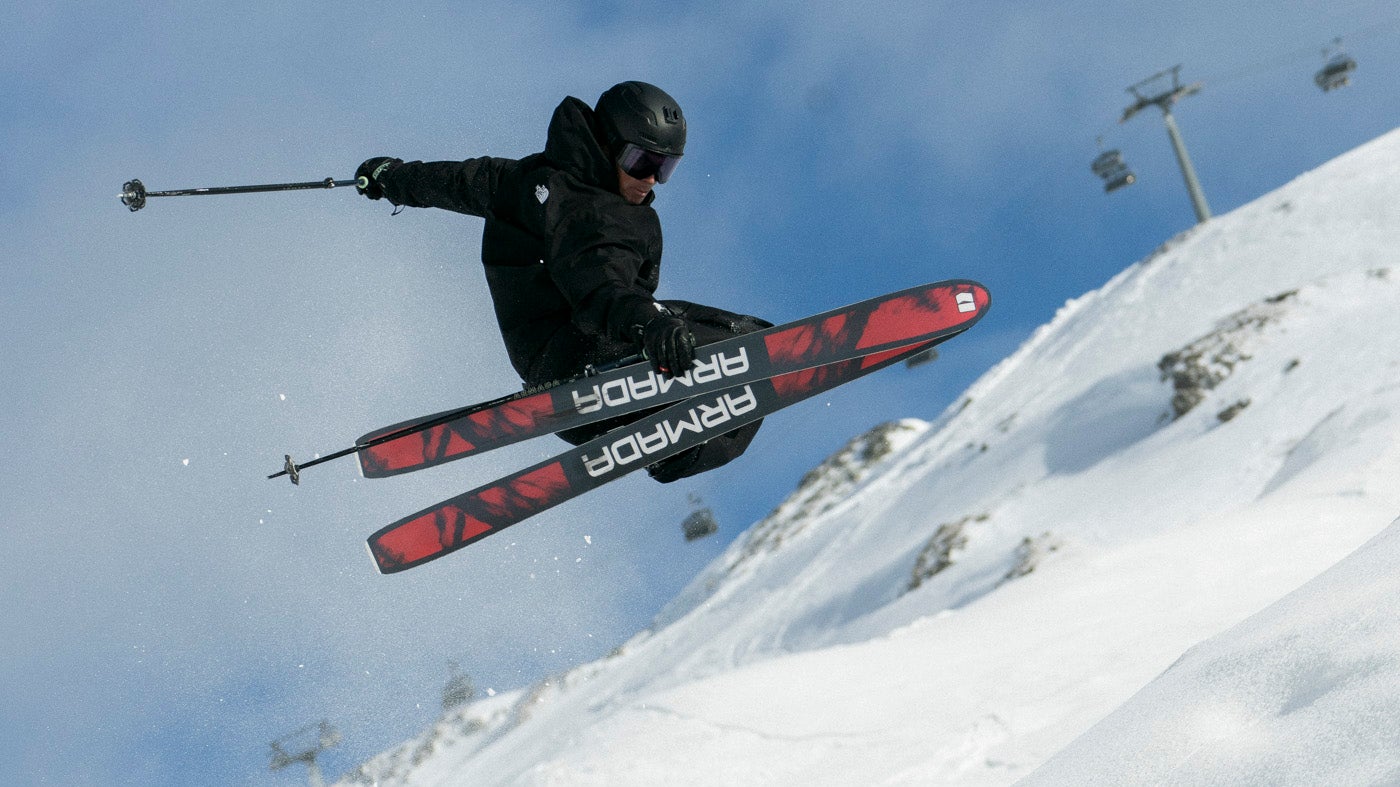
For those uninitiated, freeride skiing stands apart from its more conventional counterparts like alpine racing or groomed freestyle. It is a discipline that celebrates creativity, fluidity, and raw power as athletes navigate natural, un-groomed mountain terrain. Competitors are judged on their chosen line down a face, the control and fluidity of their skiing, the quality of their air and landings, and their overall technique and style. The terrain itself is often extreme: steep pitches, cliff bands, couloirs, and natural obstacles.
Unlike groomed runs or meticulously sculpted terrain parks, a freeride venue is a wild canvas. Athletes are given a few days to visually inspect an ungroomed "big mountain" face, often from a distance, but are strictly forbidden from skiing it prior to competition. They must then commit to a single, un-rehearsed run, interpreting the mountain’s features in real-time. This element of improvisation, combined with the immense technical skill required, is what gives freeride its unique edge and dramatic appeal. Crashes can be catastrophic, and losing a ski results in zero points, amplifying the stakes for every descent.
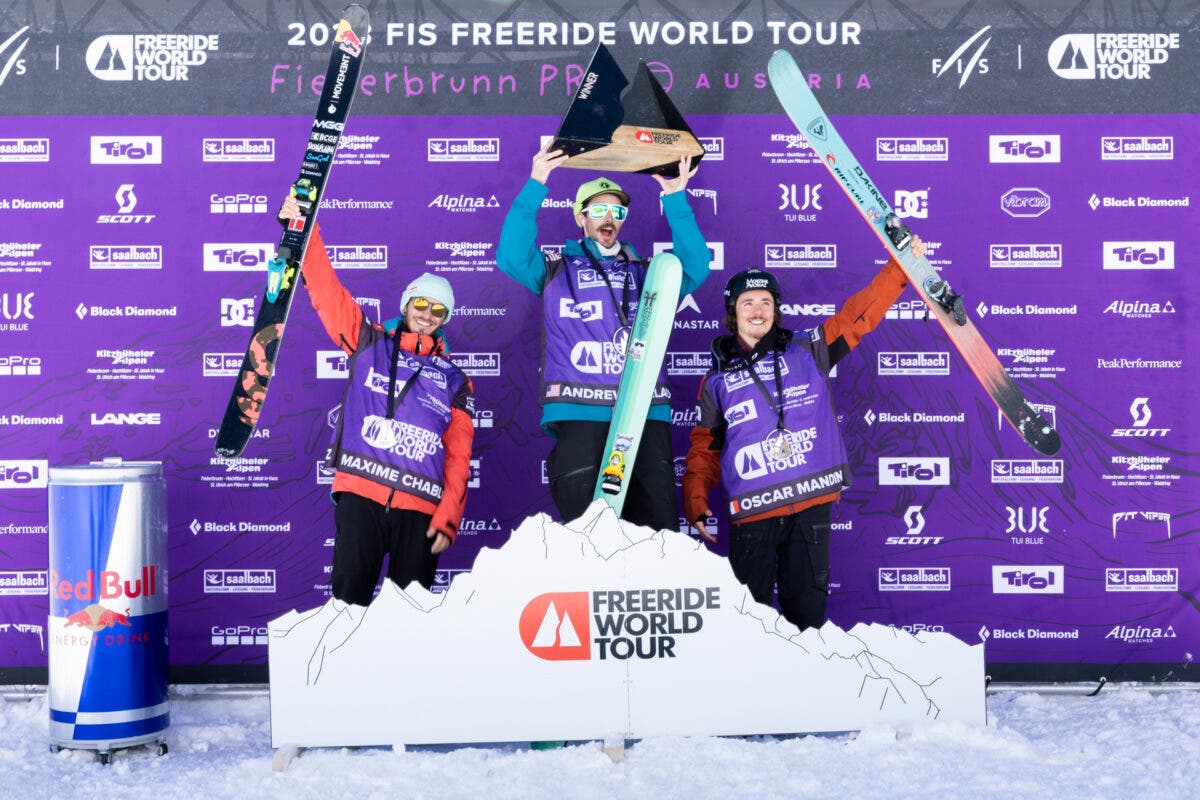
The Freeride World Tour, now under FIS governance, has been the proving ground for these athletes, showcasing some of the most daring and innovative skiing imaginable. The tour’s global stops, from the jagged peaks of Verbier, Switzerland, to the challenging slopes of Fieberbrunn, Austria, have consistently delivered breathtaking performances. The Olympic stage will now amplify this spectacle, exposing millions more to the boundary-pushing athleticism that defines the sport.
The Athlete and the Gear: A Symbiotic Evolution
The Olympic spotlight on freeride skiing is not just a boon for the athletes; it is also expected to significantly impact the ski equipment market. As freeride moves into the mainstream, the specialized gear developed for this demanding discipline is poised for broader appeal and increased consumer demand.
While recent trends in the general ski market have seen a slight shift towards narrower, more versatile all-mountain skis, the Olympic debut of freeride is likely to reverse this course. Industry analysts predict a surge in interest and sales for freeride-specific skis, with more enthusiasts eager to emulate their Olympic heroes and tackle more challenging terrain.
What Defines a Freeride Ski? Stability Above All
To understand the implications for equipment, it’s crucial to delineate what constitutes a freeride ski. At its core, a freeride ski prioritizes stability and control in variable, often treacherous, snow conditions over the pure floatation offered by dedicated powder skis or the carving precision of narrower all-mountain models.
Typically, freeride skis are wider than all-mountain skis, often measuring between 100-120 millimeters underfoot, providing a larger platform for stability and some degree of float. They also feature significant tip and tail rocker – an upward curve at the ends of the ski – which aids in maneuverability, prevents the tips from diving in soft snow, and allows for easier pivoting and slarving (a controlled slide turn).
However, unlike powder skis where maximum float is the primary design goal, freeride skis balance width and rocker with other critical attributes. The paramount objective is stability at high speeds and through inconsistent snow. Freeride athletes rarely encounter pristine powder; instead, they often contend with a challenging mix of wind-blown crusts, heavy crud, sun-baked hardpack, and slush. Their skis must be capable of plowing through these varied conditions without hooking up unexpectedly or chattering uncontrollably. This is achieved through a combination of robust construction, often incorporating metal laminates, and a specific flex pattern that provides dampening and responsiveness.
The demands on these skis are immense. Athletes regularly launch off cliffs exceeding 40 feet, flying over 100 feet before impacting the snow. The skis must absorb these massive landings without buckling, delaminating, or losing integrity. They also need to be nimble enough to navigate tight couloirs and make quick direction changes in highly technical terrain, while maintaining enough mass to power through heavy, chopped-up snow.
Evolution of Design: From Chargers to Versatile Tools
The design philosophy behind freeride skis has evolved significantly over the past two decades. In the early 2000s and 2010s, the emphasis was almost solely on raw speed and charging down the fall line. Skis from that era, like the legendary Dynastar Legend Pro Rider, were notoriously long, heavy, and stiff, boasting massive turn radii (e.g., 27 meters) that made them akin to iron beams. Their purpose was to blast through anything in their path.
However, as the sport matured, incorporating more freestyle elements such as spins, grabs, and switch landings, the equipment adapted. Modern freeride skiing demands versatility. Today’s top competitors need skis that are not only stable at speed but also light enough to feel balanced in the air and possess sufficient tail rocker to enable switch landings in variable snow. The unpredictable nature of competition venues, often subjected to erratic weather patterns, means skis must perform across the entire spectrum of snow conditions – from deep powder to firm crusts, icy patches, and heavy chop – all while maintaining the capacity for high-speed, technical maneuvers and massive air.
This evolution has led to a refined design: skis with a long effective edge for stability, ample rocker for maneuverability and slarving, enough width for float and plowing, and a carefully balanced mass to provide both dampening and a lively feel for aerial tricks.
Podium-Proven Performance: The Skis of Champions
The competitive arena of the Freeride World Tour offers a real-world laboratory for ski performance. The past few seasons have seen a clear trend emerge among the top-performing freeride skis, characterized by a mid-fat waist (typically 110-115mm), pronounced tip and tail rocker, and a robust construction that includes metal and traditional camber underfoot.
-
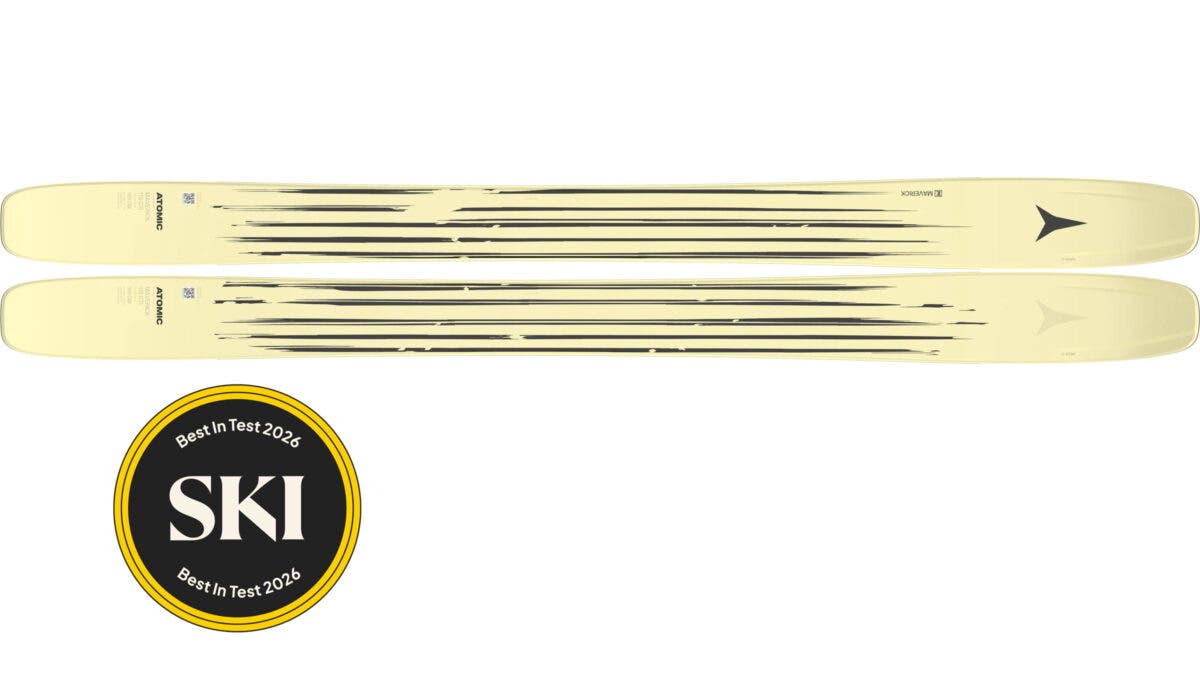
Atomic Maverick 115 CTi: A dominant force on the women’s tour, the Atomic Maverick 115 CTi has been the ski of choice for Justine Dufour-Lapointe, a two-time World Champion in 2023 and 2025. This ski embodies the modern freeride ethos: a floaty powder ski that offers significant strength underfoot while remaining light enough for flips and spins – a signature move for Dufour-Lapointe. Its versatility was further demonstrated by Craig Murray, a veteran Kiwi freerider, who secured a commanding victory at the inaugural Natural Selection Ski event in Alaska in 2025, proving the Maverick 115’s prowess in challenging, variable snow.
-
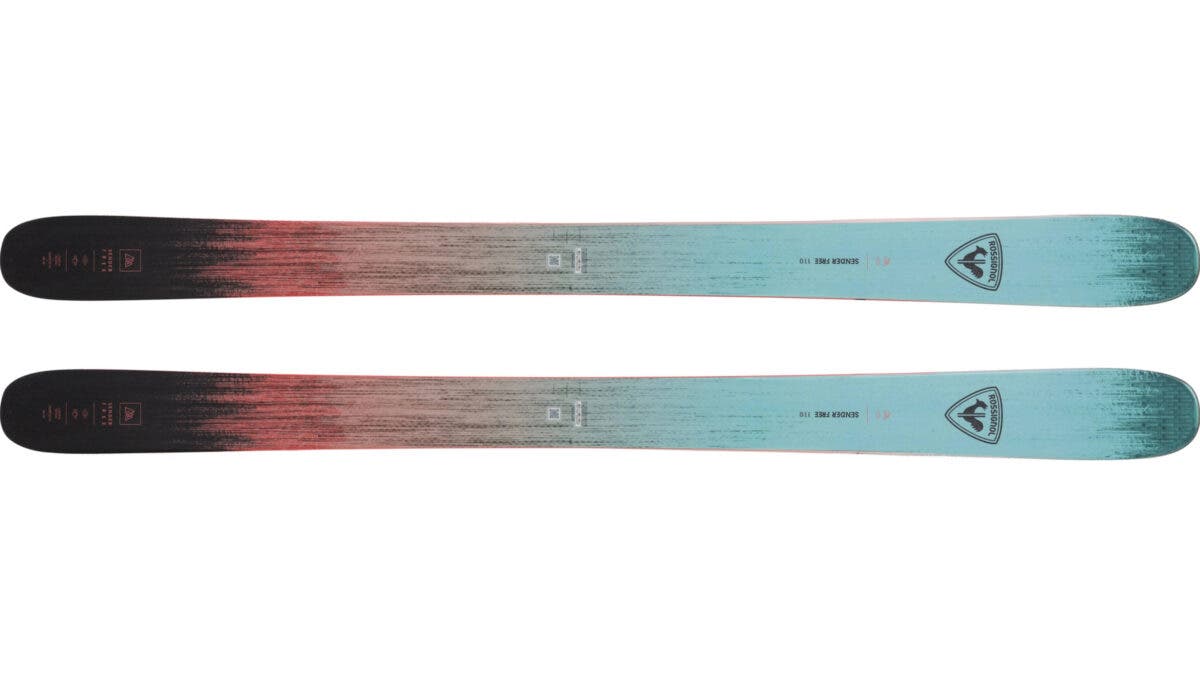
Rossignol Sender Free 110: Marcus Goguen, who clinched his first World Championship in 2025 after a remarkable two-year streak of either podium finishes or daring crashes, has ridden his signature Rossignol Sender Free 110 to numerous victories. This ski exemplifies quickness and agility in the tip and tail, facilitating creative lines and rapid adjustments, while its stout Titanal backbone underfoot provides crucial stability and power. Goguen’s legendary "never-been-done" cliff drop on the iconic Bec de Rosses during the Verbier Xtreme, which now bears his name, stands as a testament to the ski’s exceptional capabilities.
-
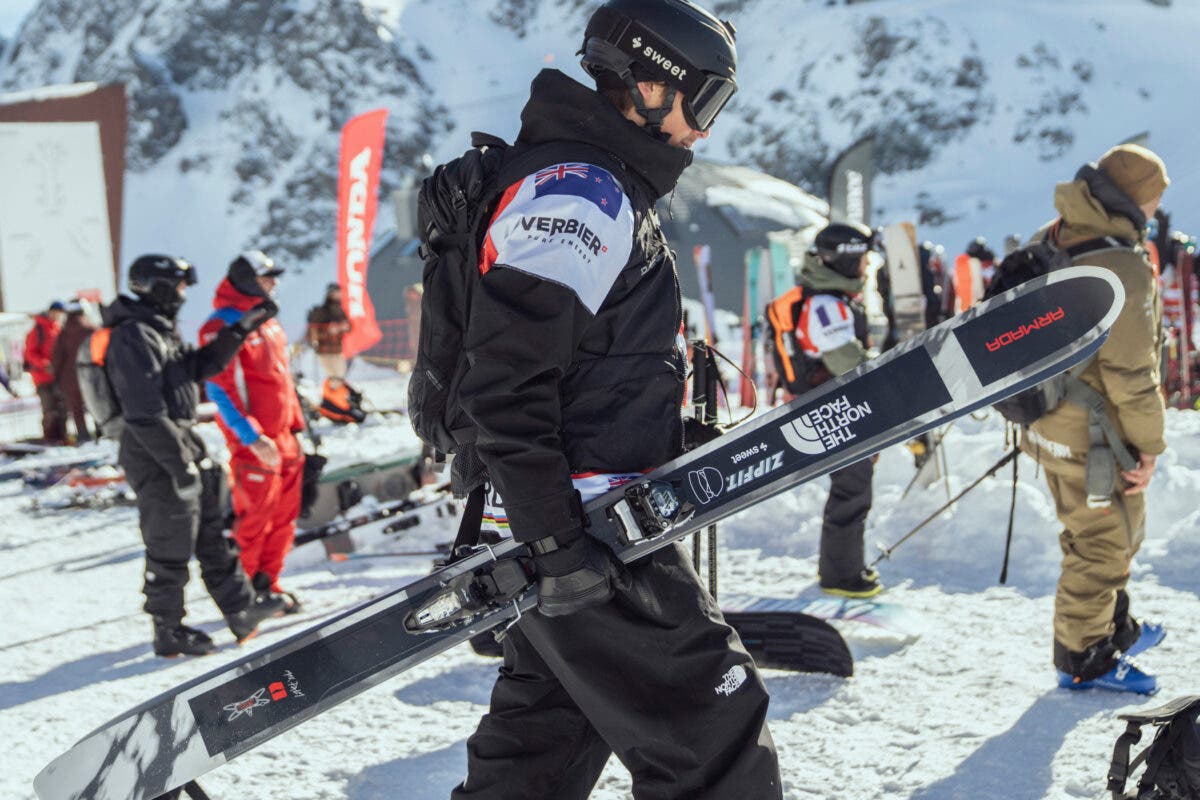
Armada Antimatter 114: The 2026 season was largely defined by the utter domination of New Zealander Ben Richards, who, after signing with Armada, secured an astonishing four victories in a five-event season, including the first-ever FIS Freeride World Championships. Richards’ success, achieved despite being narrowly challenged by teammate Toby Rafford, was propelled by the Armada Antimatter 114. This brand-new ski, developed by FWT veteran Max Palm (the first skier to land a double backflip in competition), represents a further evolution in freeride ski design. Palm, with his background as a ski racer, insisted on a more directional ski with metal for stability, yet one that retained playful characteristics for creative expression. The Antimatter 114 is notably lighter than many of its competitors, save perhaps the Sender Free 110, yet maintains exceptional stability for Richards’ aggressive, fall-line style. Its balanced design supports stylish hand-drag 360s while providing the resilience needed to charge through chaotic outruns.
Market Implications and Industry Reactions
The inclusion of freeride skiing in the Olympics is anticipated to send ripple effects throughout the ski industry. Manufacturers are already gearing up for increased demand and potential design shifts. Brands like Atomic, Rossignol, and Armada, whose skis are already proving their mettle on the FWT, are well-positioned to capitalize on this heightened exposure.
"This is a game-changer for the entire industry," stated a representative from a leading ski manufacturer, speaking on condition of anonymity due to ongoing strategic planning. "We expect to see a significant uptick in interest for our freeride lines. The Olympics provide an unparalleled platform to showcase the performance and excitement of these skis, driving consumer desire to experience that thrill themselves."
Beyond direct ski sales, the Olympic boost could influence boot, binding, and apparel markets, as well as ski resort offerings. Resorts may consider developing more designated freeride zones or expanding access to challenging terrain, catering to a new generation of skiers inspired by the Games. The demographic shift towards younger, adventure-seeking skiers, already evident in the growth of backcountry and freeride communities, is expected to accelerate.
Broader Impact and Future Outlook
The integration of freeride into the Olympics carries significant broader implications. For athletes, it elevates their sport to the pinnacle of global recognition, offering new avenues for sponsorship, professional development, and career longevity. The prospect of an Olympic medal will undoubtedly intensify competition and push the boundaries of the sport even further.
For the general public, it means a fresh, visually spectacular discipline to follow during the Winter Games, potentially drawing in new fans who might not typically engage with traditional alpine events. The raw, unfiltered nature of freeride competition, set against stunning natural backdrops, promises compelling television.
However, the journey will not be without its challenges. Ensuring athlete safety on demanding Olympic venues, refining judging criteria for a subjective sport, and managing environmental impacts in sensitive mountain ecosystems will be critical considerations for the IOC and FIS. Despite these hurdles, the overwhelming sentiment is one of optimism and excitement for the future of freeride skiing.
Embracing the Freeride Experience: Accessible Innovation
Perhaps one of the most compelling aspects of this Olympic inclusion is the accessibility of the equipment. Unlike highly specialized Olympic race skis, which are often custom-built and unavailable to the general public, the freeride skis used by these elite athletes are largely available on the market. This means that enthusiasts can quite literally "ski like an Olympian."
Moreover, the evolution of freeride ski design towards lighter, more agile, and more versatile models has inadvertently made them more approachable for non-professional skiers. The trend favoring skis that are "looser" and easier to maneuver in varied snow conditions translates directly into a more forgiving and enjoyable experience for a wider range of abilities.
As the 2030 Winter Olympics draw closer, the once-niche world of freeride skiing is poised for an unprecedented explosion into the global consciousness. The next time you contemplate your skiing choices, consider stepping beyond the familiar. Head to a demo shop, try a pair of these Olympic-grade freeride skis, and experience the thrill that will soon captivate millions. By 2030, the world will not only be watching in awe but will also understand the sophisticated engineering and incredible skill that allows these athletes to conquer the mountains as they do.
