

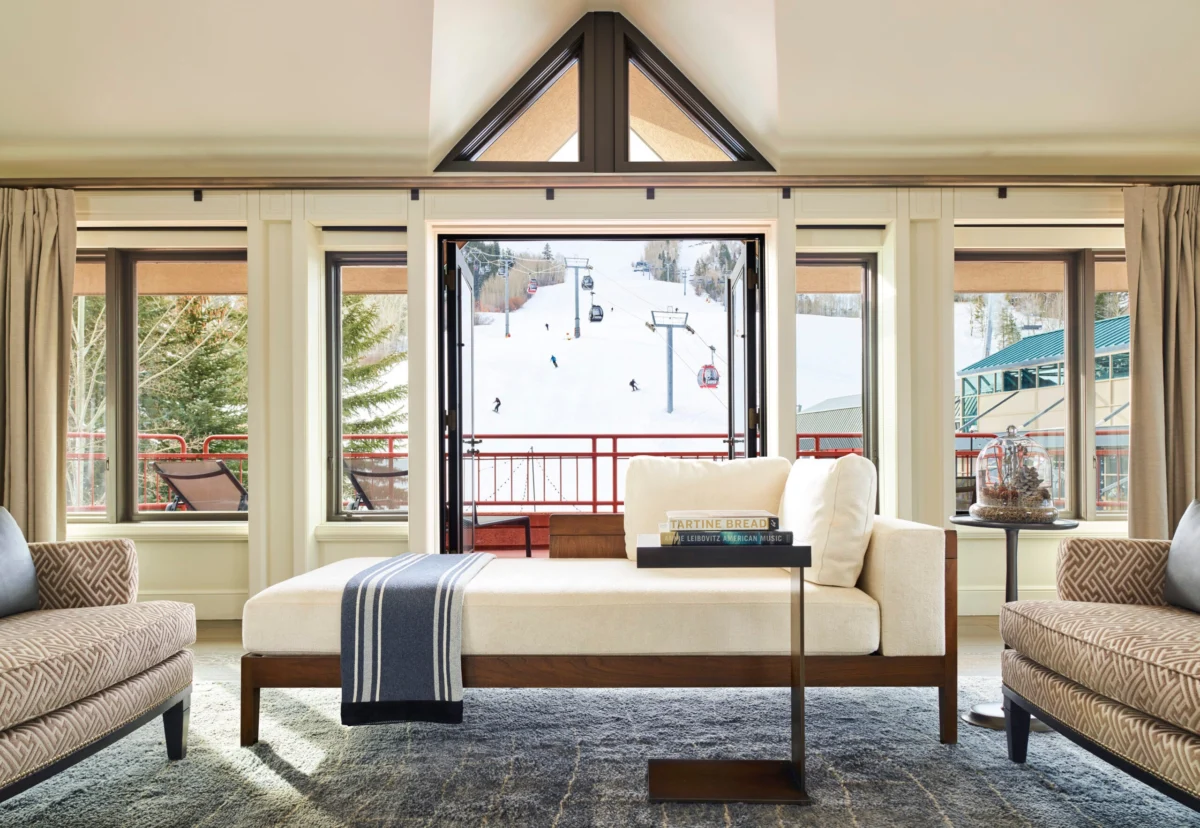
The ski travel industry is currently grappling with a significant branding crisis as the term "ski-in, ski-out" faces unprecedented dilution in the digital marketplace. For decades, this designation served as the gold standard for mountain luxury, promising guests the ability to transition from their living quarters to the slopes with zero logistical friction. However, the rise of global vacation rental platforms and aggressive marketing tactics by property developers has led to a landscape where the term is frequently applied to properties located blocks away from the nearest lift. This lack of a universal definition has created a environment of consumer confusion, where travelers pay premium prices for convenience that often fails to materialize upon arrival.
Industry veterans and hospitality experts are now calling for a return to a rigorous, distance-based standard to protect the integrity of the ski-in, ski-out label. The current lack of oversight means that a "ski-in, ski-out" listing on a major booking site could range from a slopeside chalet to an apartment requiring a ten-minute walk in rigid plastic boots or even a short shuttle ride. As the 2024-2025 winter season approaches, the debate over what constitutes true mountain access has intensified, highlighting a disconnect between marketing language and the physical reality of the alpine experience.
The Proposed Ten-Step Benchmark
In the absence of a governing body to regulate terminology, a growing consensus among high-end mountain hoteliers suggests a "10-step rule" for any property claiming the ski-in, ski-out designation. Under this proposed standard, a property should only qualify if a groomed ski run or a functioning chairlift is located within 10 steps of the primary guest entrance or the dedicated ski valet door.
The logic behind this strict threshold is rooted in the physical mechanics of the sport. At the start of the day, a guest should be able to exit the building, place their skis on the snow, and click into their bindings immediately. Conversely, at the conclusion of the day, the skier should be able to glide directly to the property’s threshold, step out of their equipment, and enter the building without having to navigate parking lots, staircases, or public roadways.
Jeannie Lambert, the director of marketing and PR for the Stein Collection—which oversees the renowned Stein Eriksen Lodge in Deer Valley—emphasizes that a short walk is fundamentally different from true slopeside access. According to Lambert, the Stein Eriksen Lodge is built around the concept of a seamless transition, where the boot room opens directly onto the mountain. She maintains that if a guest is forced to take more than 10 steps to access the terrain, the property should be classified as "slopeside" or "near-mountain," but never "ski-in, ski-out."
The Economic Drivers of Terminology Inflation
The primary driver behind the misuse of the term is financial. Data from mountain real estate analytics suggests that properties marketed as "ski-in, ski-out" can command a price premium of 30% to 50% over comparable units located just a few minutes away. This "convenience tax" is highly attractive to developers and individual hosts on platforms like Airbnb and VRBO.
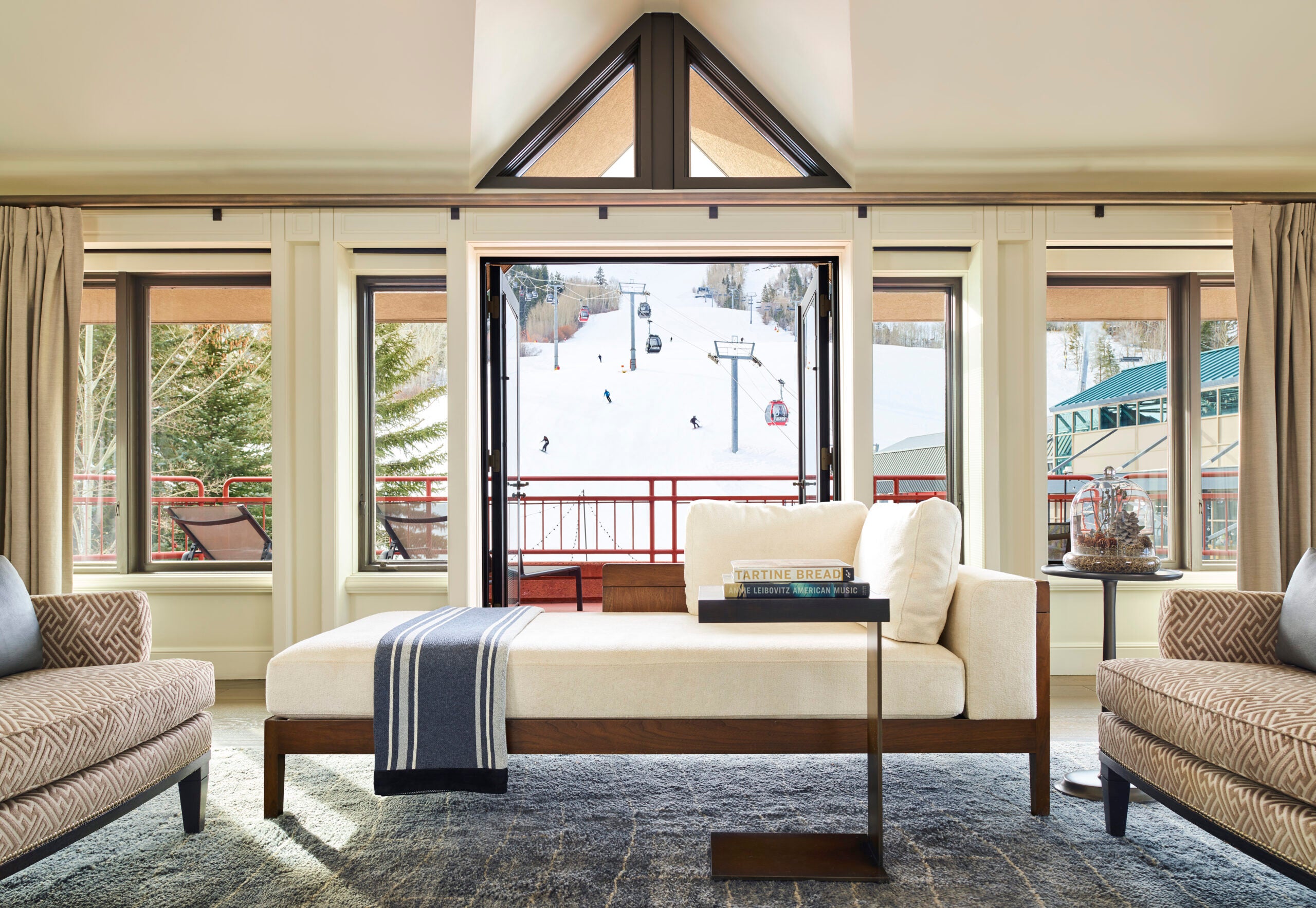
The problem is exacerbated by the search algorithms of major travel sites. When a prospective traveler applies a "ski-in, ski-out" filter, they are often presented with a wide radius of properties. Because there is no third-party verification process to confirm the distance to the snow, many hosts check the box to ensure their property remains visible in high-intent searches. This has led to a "race to the bottom" in terms of accuracy, as honest hosts who label their property as "walk-to-slope" may lose out on bookings to less scrupulous competitors who claim the premium designation.
The Evolution of Mountain Access: A Historical Context
To understand how the definition became so fractured, one must look at the evolution of ski resort design. In the mid-20th century, most ski lodging consisted of centralized base-area hotels or rustic lodges. The concept of "ski-in, ski-out" was literal and limited to a handful of iconic properties built directly on the trail map.
As the industry shifted toward the "mountain village" model in the 1990s and 2000s—exemplified by resorts like Whistler Blackcomb, Vail, and Beaver Creek—resort footprints expanded. Developers began building massive condominium complexes and pedestrian villages. While these villages were designed to be "car-free," they were not necessarily "ski-free." A condo located at the back of a large village might be a five-minute walk from the snow, yet developers still utilized the ski-in, ski-out label to sell units during the construction phase.
The digital revolution of the 2010s further complicated matters. The democratization of travel through vacation rentals meant that thousands of individual homeowners, many of whom were not professional hoteliers, were suddenly responsible for categorizing their own properties. Without a centralized authority like the National Ski Areas Association (NSAA) or Snowsports Industries America (SIA) providing a glossary of terms, the definition became entirely subjective.
Logistical Consequences for Families and Novice Skiers
The misuse of the term is more than a matter of semantics; it has tangible physical and emotional consequences for travelers, particularly families with young children. Cory McAlpine, a mountain travel expert with Ski.com, notes that the "last mile" of a ski trip is often the most stressful.
"I see a lot of struggling families in resorts like Breckenridge trying to navigate which bus goes where, while carrying four pairs of skis and poles, all while walking in boots they’ve never worn before," McAlpine observed. For a parent, the difference between walking 10 steps to the snow and walking 200 yards across a frozen parking lot is the difference between a successful vacation and an exhausting ordeal.
Furthermore, walking in ski boots is not merely uncomfortable; it is a safety concern. Modern alpine boots are designed for power transfer on skis, not for traction on ice or pavement. The rigid soles and lack of ankle flexion make navigating stairs and uneven terrain hazardous for those not accustomed to the equipment. A true ski-in, ski-out property mitigates this risk by minimizing the time spent walking in boots.

The Role of Industry Trade Organizations
Currently, there is a notable absence of official definitions from major ski industry trade organizations. The National Ski Areas Association focuses primarily on safety, sustainability, and mountain operations, while Snowsports Industries America focuses on the retail and manufacturing sectors. Neither has stepped forward to create a certification program for lodging.
This vacuum has left the responsibility to the consumer. Travel experts suggest that until a standard is adopted, skiers must perform their own due diligence. This includes using satellite imagery to verify the proximity of a building to the nearest groomed run and calling the property directly to ask specific questions: "Can I click into my skis within 10 feet of the door?" or "Does the property require a shuttle or a walk across a public road to reach the lift?"
Broader Implications and the Future of Mountain Hospitality
The continued erosion of the ski-in, ski-out label threatens the long-term trust between the ski industry and its most valuable customers. High-net-worth travelers, who are the primary demographic for slopeside luxury, are increasingly wary of marketing claims. If the industry does not self-regulate, it may face a rise in refund requests and negative reviews that could damage the reputation of entire resort destinations.
Some luxury properties are already taking steps to differentiate themselves. The Montage Big Sky, for instance, has integrated its own dedicated ski lift and an expansive "shoppe" and valet system to ensure that the guest experience meets the highest possible definition of the term. By investing in infrastructure that guarantees immediate access, these properties are setting a new bar that "imposter" properties cannot match.
In the long term, the industry may see the emergence of a tiered classification system, similar to the star ratings used for hotels. Properties could be rated as "True Ski-In/Ski-Out" (within 10 steps), "Slopeside" (within 50 yards), or "Village Access" (walking distance). Such a system would provide the transparency that modern travelers demand and allow properties that have invested in prime locations to rightfully claim their premium status.
Until such a system is implemented, the burden of proof remains with the lodging providers. For the discerning skier, the lesson is clear: in the modern era of mountain travel, "ski-in, ski-out" is no longer a factual description, but a marketing claim that requires verification. The 10-step rule remains the only reliable metric for those seeking the ultimate in alpine convenience.
