

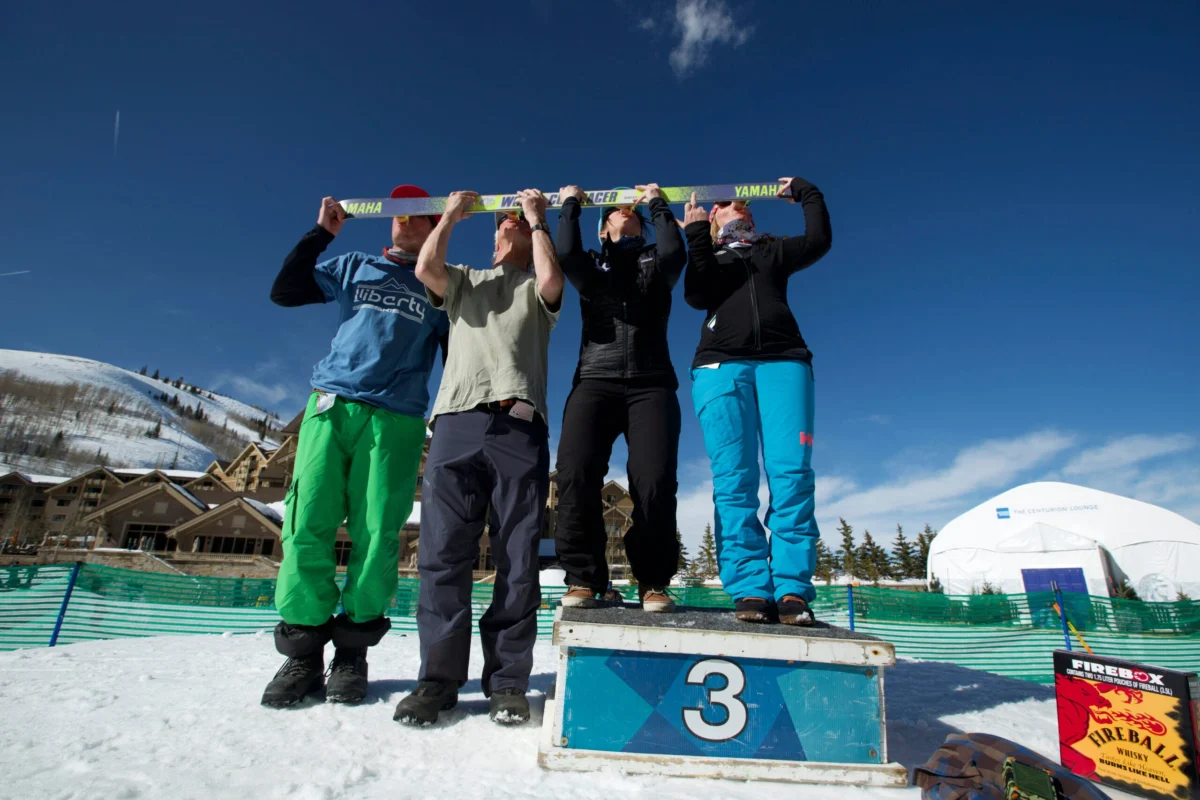
The shot ski, a utilitarian yet deeply symbolic artifact of mountain culture, serves as a primary driver of social cohesion within the global ski industry. While often viewed through the lens of casual recreation, the device—a decommissioned alpine ski with several shot glasses permanently affixed to its topsheet—represents a sophisticated intersection of communal ritual, historical tradition, and hospitality economics. As the ski industry continues to evolve into a multi-billion-dollar global sector, the "après-ski" culture, of which the shot ski is a central pillar, has transitioned from a localized European custom into a standardized component of the North American resort experience.
A Cultural Pillar of the Après-Ski Economy
The term "après-ski," a French portmanteau literally meaning "after skiing," emerged in the mid-20th century as the sport gained popularity in the Alps. It designates a specific social period following the closure of mountain lifts, characterized by communal gathering, music, and the consumption of alcoholic beverages. Unlike other forms of social drinking, après-ski is culturally sanctioned at nearly any time of day, provided the participants have completed at least one descent on the mountain.
The shot ski functions as a "tribal identifier" within this subculture. It is a tool that requires synchronization and physical proximity, forcing participants to act in unison to avoid spilling the contents. This forced coordination serves a dual purpose: it acts as an icebreaker for strangers and reinforces existing social bonds among veteran skiers. In professional ski testing circles and resort management, the shot ski is frequently utilized as a post-work debriefing tool, signaling the transition from the high-stakes physical labor of mountain operations to the social networking phase of the industry.
Historical Development and the Rise of the Shot Ski
The exact origins of the shot ski are difficult to pinpoint, though most historians of the sport trace its lineage to the Austrian "Schnapsski." In the mid-20th century, alpine villagers in the Vorarlberg and Tyrol regions of Austria began using wooden skis to serve schnapps to groups of hikers and skiers. The practice migrated to North American resorts in the late 1970s and 1980s, coinciding with the "ski boom" and the rise of extreme skiing culture.
By the early 2000s, the shot ski had become a staple of DIY mountain craftsmanship. Enthusiasts typically repurpose "retired" equipment—skis that have lost their structural integrity or edge grip—and attach glassware using industrial-strength adhesives or specialized mounting brackets. This recycling of gear adds a layer of nostalgia to the ritual, as the ski itself often carries the history of past seasons and personal milestones.
In recent years, the shot ski has moved from the realm of DIY projects into the competitive arena. Towns like Breckenridge, Colorado, and Park City, Utah, have engaged in long-standing rivalries to set the Guinness World Record for the "World’s Longest Shot Ski." In 2023, Breckenridge reclaimed the title with a shot ski measuring over 2,400 feet, involving more than 1,300 participants. Such events demonstrate the scale at which this tradition now operates, moving beyond small cabin gatherings to city-wide economic festivals.
The Mechanics and Engineering of Communal Consumption
The efficacy of a shot ski is dependent on the physical coordination of its users. Because the glasses are fixed to a rigid board, participants of varying heights must adjust their stance to ensure the liquid is consumed simultaneously. This "height equation" is a critical component of the experience; shorter participants must often lift the ski higher while taller participants crouch, a physical manifestation of the communal compromise required in mountain environments.
From a sociological perspective, the shot ski facilitates what researchers call "synchronous social activity." Similar to choral singing or rowing, the act of performing a physical task in unison triggers the release of endorphins and fosters a sense of collective identity. In the context of a ski town, where transient populations and seasonal workers are common, the shot ski provides a rapid mechanism for social integration.
Economic Impact and the Spirits Industry
The après-ski sector is a significant revenue driver for mountain resorts. According to industry data from the National Ski Areas Association (NSAA), food and beverage sales consistently rank as the second or third largest revenue source for North American resorts, following lift tickets and lessons. The shot ski specifically influences the sales of certain spirit categories.
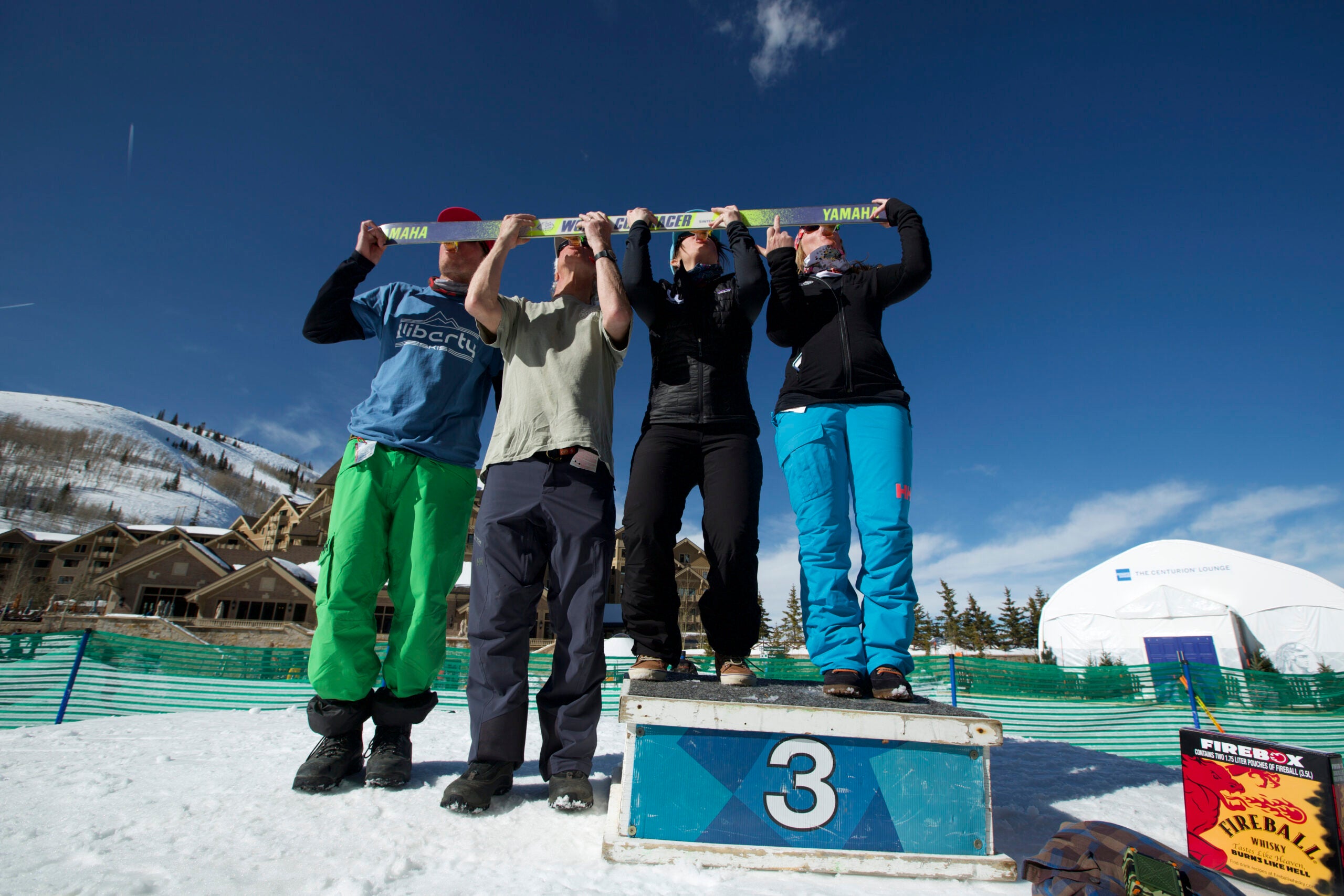
Cinnamon-flavored whiskies and tequilas have seen a disproportionate surge in popularity within ski towns, often attributed to their frequent use in communal shots. In some high-volume resort bars, spirits like Fireball are purchased in bulk containers or "bag-in-box" formats to meet the demand of après-ski crowds. This trend has not gone unnoticed by liquor distributors, who now frequently sponsor mountain events and provide branded shot skis to bars as promotional assets.
Risk Management and Safety Considerations
Despite its role in fostering community, the shot ski presents unique challenges regarding resort liability and public safety. The combination of high-altitude alcohol consumption and the physical nature of the sport can lead to incidents of property damage and personal injury.
Documented cases of negligence related to après-ski activities include residential fires caused by unattended candles during late-night gatherings and accidents resulting from "night sledding" or "headlamp skiing" under the influence. Resort municipalities, such as Steamboat Springs, Colorado, and Deer Valley, Utah, have implemented various "social host" ordinances to mitigate these risks. These regulations often hold individuals or establishments accountable for the actions of over-served guests, emphasizing the need for responsible moderation even within the permissive "party" atmosphere of a ski town.
Furthermore, the communal nature of the shot ski—sharing a single piece of equipment among multiple people—has raised hygiene concerns, particularly in the post-pandemic era. This has led to the development of "modular" shot skis, where glasses are detachable and can be sanitized individually, or the use of disposable inserts to prevent the spread of communicable diseases.
Broader Implications and Future Trends
The shot ski is more than a novelty; it is a symbol of the "suspension of mundanity" that defines the mountain lifestyle. For many participants, the ritual represents a temporary escape from the pressures of professional and digital life. By focusing on a shared, "stupid" task with friends and family, skiers are able to achieve a state of presence that is increasingly rare in modern society.
As the demographics of the skiing public shift, the tradition is also evolving. The rise of the "sober-curious" movement and the increasing popularity of non-alcoholic spirits have led to the introduction of "mocktail shot skis." Additionally, high-end equipment manufacturers like Liberty Skis have begun to recognize the marketing potential of the device, with some brands now offering factory-produced shot skis as premium lifestyle accessories rather than mere DIY projects.
The legacy of the shot ski is also being passed down to the next generation. For families living in ski towns, the device often transitions from a tool of youthful excess to a fixture of family celebrations, such as graduations and homecomings. In this context, the shot ski serves as a bridge between the "merry band of miscreants" found in college ski clubs and the established residents of mountain communities.
Conclusion
The shot ski remains one of the most enduring and recognizable symbols of alpine culture. While its detractors may view it as a relic of irresponsible behavior, its continued presence in five-star resorts and humble mountain cabins alike suggests a deeper utility. It is an instrument of human connection, a catalyst for economic activity, and a repository for the collective memory of the skiing community. As long as people continue to seek the thrill of the descent, the ritual of the shot ski will likely remain an integral part of the mountain experience, evolving to meet the safety and social standards of each new era while maintaining its core purpose: the celebration of friendship forged in the unique environment of the high peaks.
