

The winter sports industry is currently navigating a complex intersection where consumer behavior, driven by established reputations and aggressive marketing, often diverges from the technical preferences of professional gear analysts. As of August 14, 2026, market data from major manufacturers indicates that "cult-classic" skis continue to dominate retail sales, even as newer, more specialized models offer arguably superior performance for specific terrain. This discrepancy highlights a fundamental tension in the ski industry: the gap between a product’s "ubiquity"—earned through years of brand loyalty—and its "utility" as defined by those who test equipment in variable alpine conditions.
For decades, the ski market has been anchored by a few "hall of fame" models. Skis like the Blizzard Black Pearl 88 and the Salomon QST series have amassed reputations that transcend simple product cycles. However, industry veterans Jake Stern and Jenny Wiegand, who have collectively tested the vast majority of the 2025-2026 market offerings, suggest that the highest-selling models are not always the most effective tools for the average resort skier. By examining the sales data from top-tier brands alongside expert counter-proposals, a clearer picture emerges of how the modern skier can better align their equipment with their actual on-snow needs.
The Evolution of the All-Mountain Market: A Brief Chronology
To understand the 2026 market landscape, one must look at the technological shifts of the last decade. Around 2015, the industry moved toward "all-mountain" versatility, attempting to create skis that could handle both groomed trails and off-piste powder. This led to the rise of the "one-ski quiver" concept. By 2020, brands began incorporating aerospace-grade materials like carbon, graphene, and specialized Titanal (aluminum) alloys to reduce weight without sacrificing stability.
In 2024, a major shift occurred as several legacy brands, including Rossignol and Fischer, began phasing out gender-specific labeling in favor of "gender-neutral" or "unisex" designs based on skier weight and ability rather than traditional gender roles. This evolution has culminated in the 2026 season’s offerings, where the primary differentiator is no longer who the ski is for, but where it is intended to go.
Atomic: The Conflict Between Style and Stability
Atomic’s sales data for the 2024-2026 period confirms that the Bent 100 remains its most popular model. Part of the freeride-oriented Bent Chetler family, the Bent 100 has captured the market through its playful, artistic topsheets and its association with freestyle culture. While the ski excels in soft snow and offers a "cool factor" that appeals to younger demographics, experts argue it lacks the directional stability required for the variable, often icy conditions found at many commercial resorts.
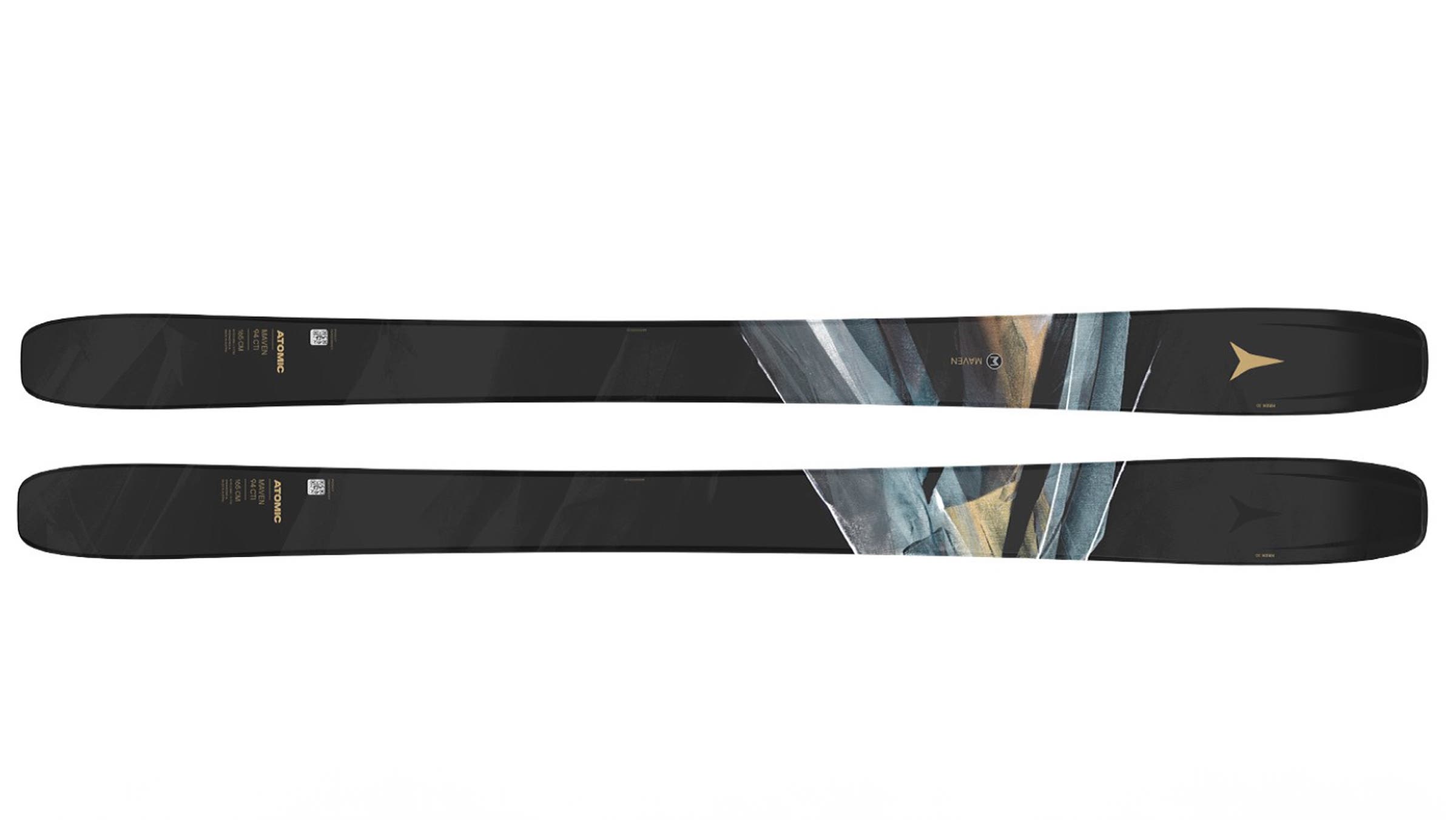
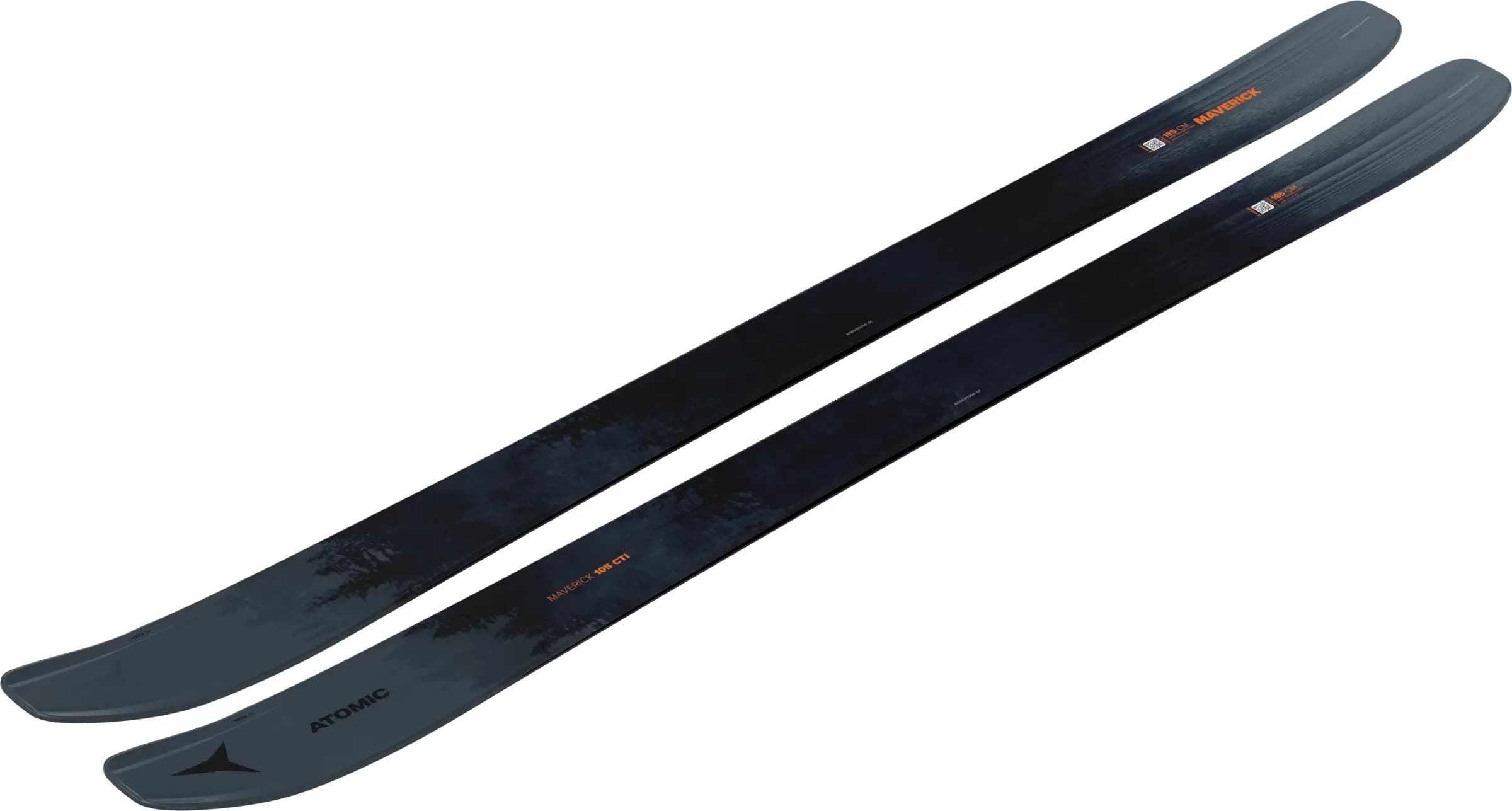
In response to this trend, testers have pointed toward the Maverick (unisex) and Maven (women-specific) lineups. Developed with input from legendary alpine athletes like Daron Rahlves, these skis utilize a more directional shape and reinforced cores. Jake Stern specifically highlighted the Maverick 105 CTi as a superior alternative for intermediate skiers looking to progress. The Maverick series offers a "playful flavor with a side of stability," providing a higher performance ceiling in "crud" and variable snow compared to the more surfy, but less damp, Bent 100.
Blizzard: The Weight of a Legacy
The Blizzard Black Pearl 88 is arguably the most successful women’s ski in history. Its reputation for being "unflappable" has made it a staple in rental fleets and retail shops globally. However, the very stability that makes the Black Pearl 88 a safe choice for beginners also makes it less energetic for advanced skiers.
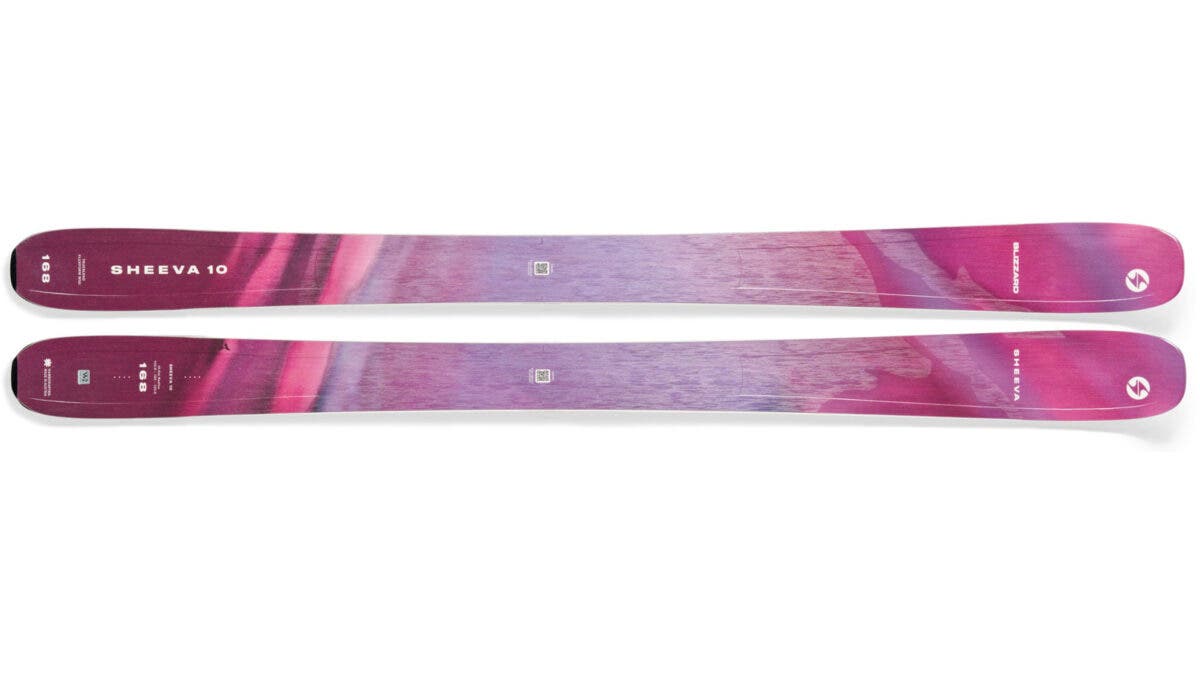
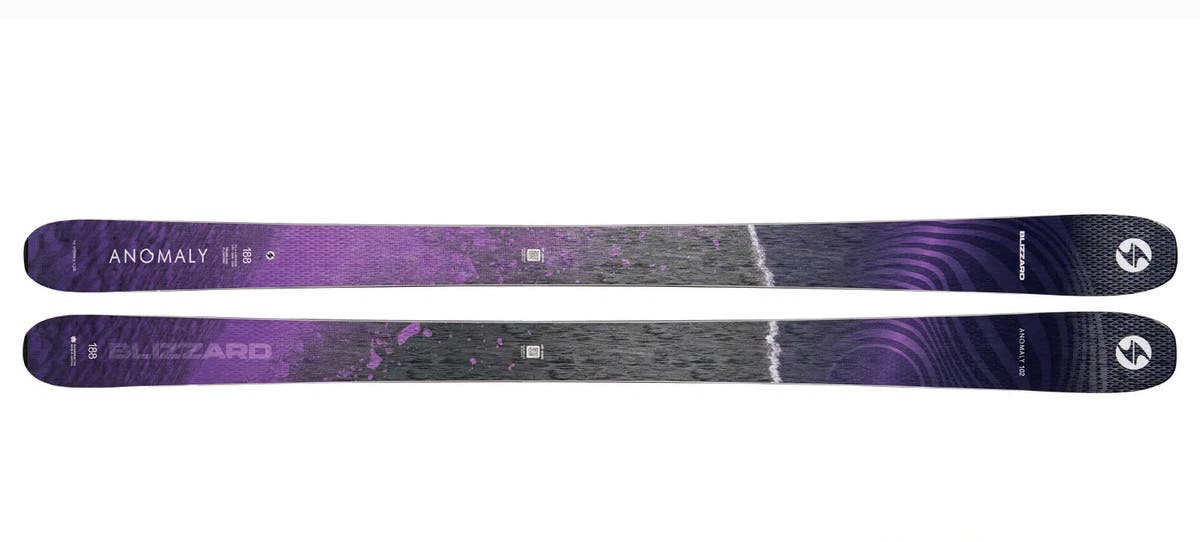
Analysis of Blizzard’s 2026 catalog suggests that the Sheeva 10 and the Anomaly 102 are the true high-performance gems of the brand. Jenny Wiegand noted that the Sheeva line offers a more "forgiving and energetic" experience, while the Anomaly 102 serves as a "fat GS ski" capable of pushing through heavy snow. The Anomaly, which replaces the legendary but demanding Cochise, represents a shift toward making "charger" skis more accessible to the general public.
Fischer and the Gender-Neutral Experiment
Fischer was an early adopter of the genderless design philosophy, a move that was initially met with skepticism by industry traditionalists. However, the sales success of the Ranger 102 has validated the strategy. The 102mm-waisted ski has proven equally popular across all demographics, serving as a robust wide-quiver option.
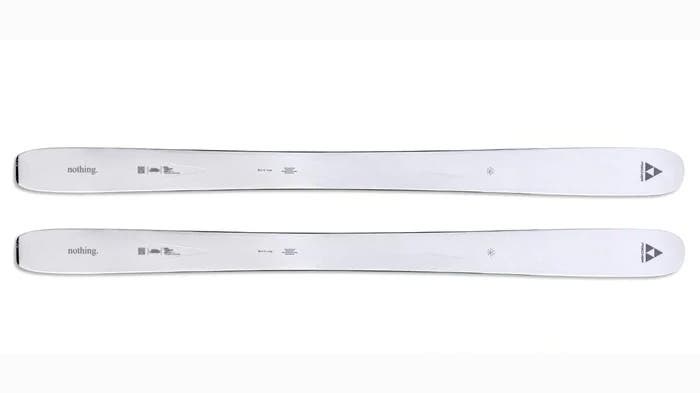
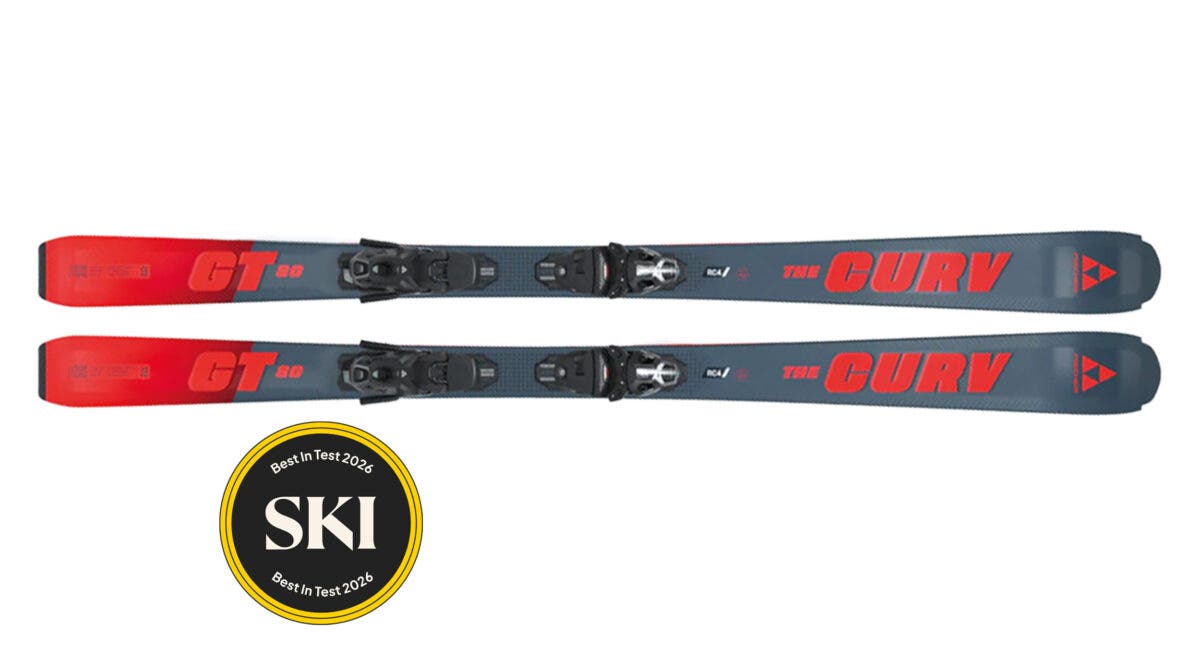
Despite the Ranger’s success, technical experts have gravitated toward "The Nothing"—a dedicated powder platform—and "The Curv 80 GT." The latter is particularly noteworthy for its precision on firm snow. Market analysis indicates that while consumers often buy wider skis (like the Ranger 102) for the "dream" of deep powder, they would often be better served by a narrower, more precise tool like the Curv 80 GT, which balances stability and energy on the groomed terrain where most skiers spend 80% of their time.
Head: Accessibility Versus Technical Power
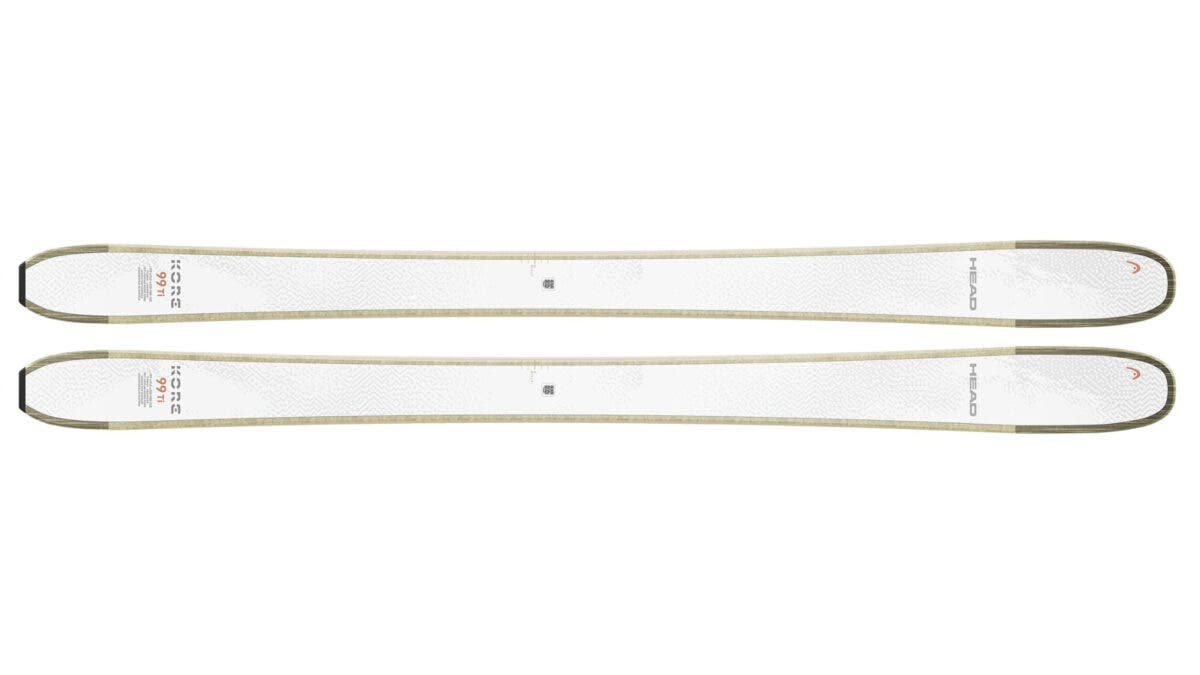
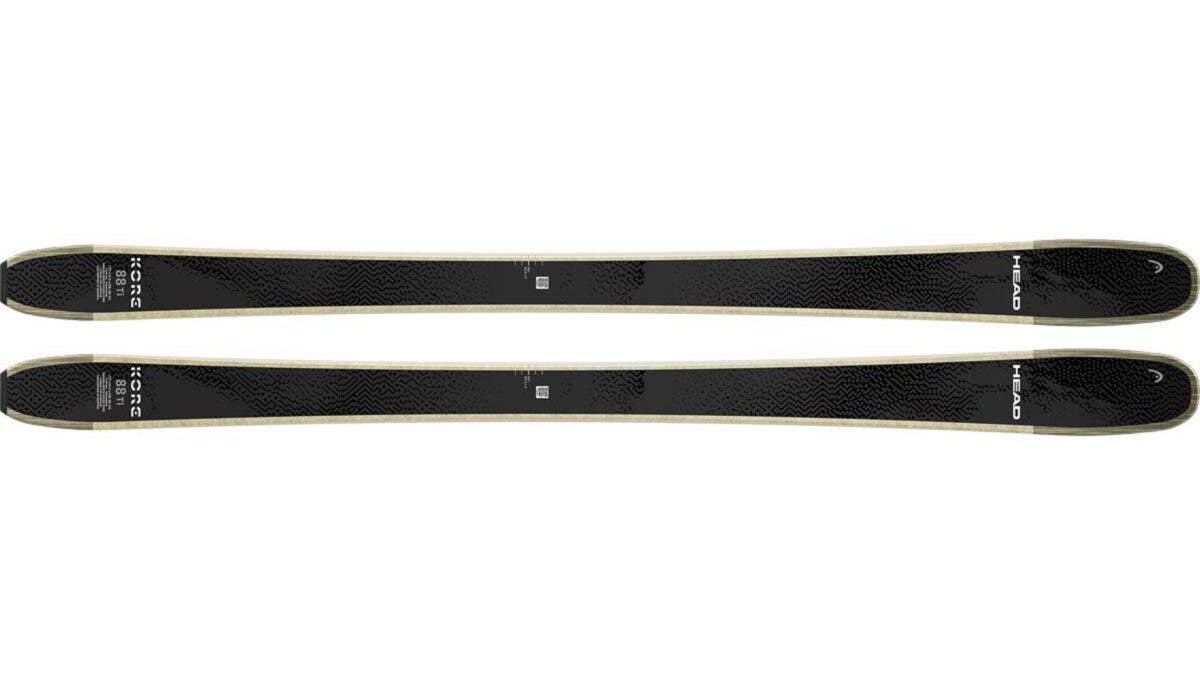
In the frontside carving category, the Head Absolute Joy has maintained a dominant market share. Its lightweight construction and rockered tip make it an ideal confidence-builder for intermediate women. However, for those looking to move beyond the basics, the Head Kore series—specifically the 88 Ti and 99 Ti W—offers a significant upgrade in technical capability.
The Kore series underwent a major redesign for the 2025-2026 season, adding Titanal to the layup to address previous criticisms of the skis being "squirrely" at high speeds. This change has transformed the Kore from a niche lightweight ski into a balanced, all-mountain powerhouse that maintains its agility in moguls while gaining the "dampness" needed for high-speed carving.
Nordica: The Enforcer Hegemony
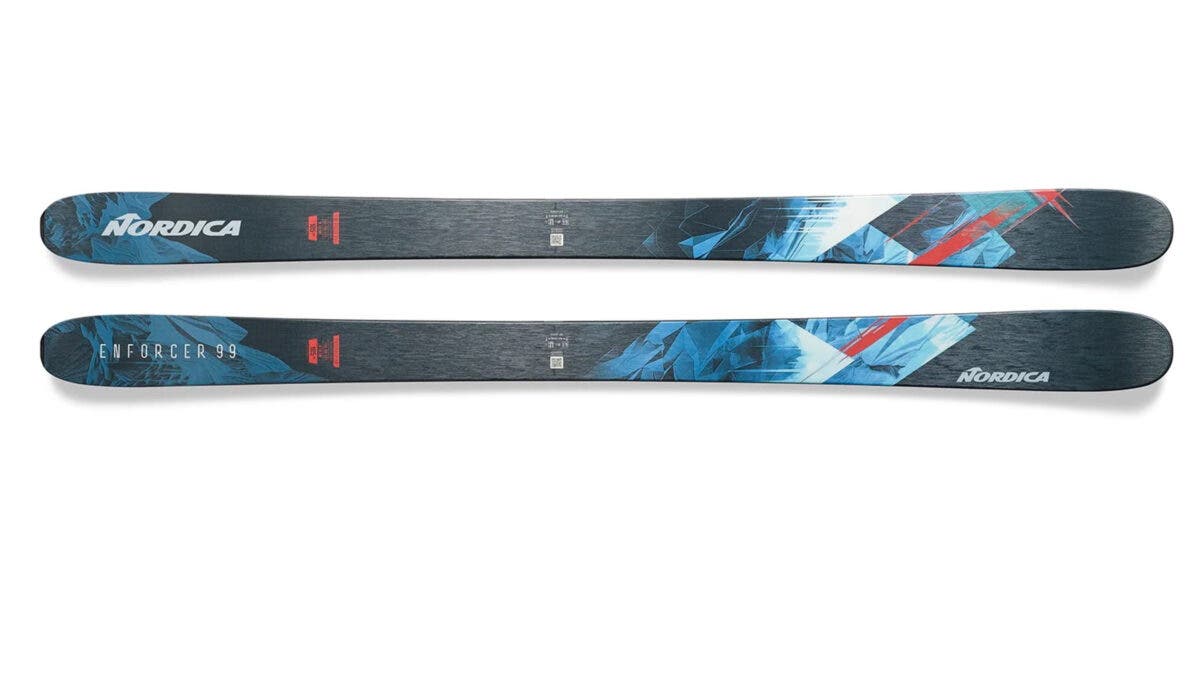
The Nordica Enforcer 94 is frequently cited as the male counterpart to the Blizzard Black Pearl in terms of market ubiquity. For twenty years, the Enforcer has topped "Best of" lists, leading to massive sales. While the Enforcer 94 remains a "dialed-in rocket ship," expert testers are increasingly pointing consumers toward the Unleashed series.
The Unleashed 106 CA, for instance, omits metal in the core to provide a more playful, forgiving ride. This reflects a growing realization among professional testers that many resort skiers do not have the leg strength or technique to fully "drive" a heavy, metal-laminate ski like the Enforcer all day. The Unleashed provides a high-performance experience that does not "sap every ounce of strength," as noted in recent field tests.
Rossignol and the Post-Experience Era
A significant moment in recent ski history occurred in 2024 when Rossignol discontinued its legendary "Experience" line. This was a risky move, as the Experience skis were a primary choice for ski instructors and traditionalists. The replacement Arcade line, however, has successfully modernized the brand’s frontside offering.
The Arcade 84 is currently the brand’s top seller, but industry insiders suggest the Arcade 94 is the superior choice for versatility. The Arcade 94 bridges the gap between a carving ski and a freeride ski, featuring a generous tip rocker that allows it to "plow through crud" while remaining quick enough for tight turns in the trees.
Salomon: Global Versatility and the Carving Revival
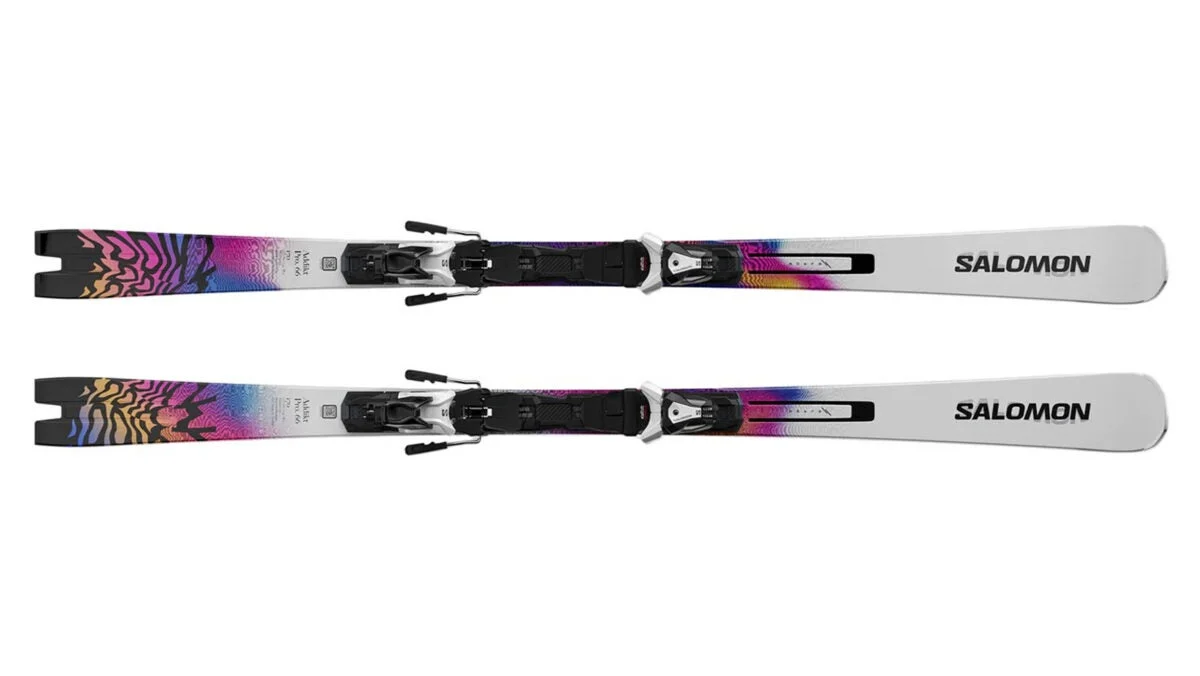
Globally, the Salomon QST 94 is the brand’s flagship seller. It is widely regarded as a "precise and non-demanding" tool for the masses. However, two distinct trends have emerged in the expert picks for Salomon: the demand for wider "daily drivers" in the West (QST 100) and a resurgence of interest in dedicated carving skis (Addikt 66).
The Addikt 66 represents a "playful, responsive" approach to slalom-style skiing. Its popularity among testers signals a potential shift in the market: as snow cycles become more erratic due to climate change, more skiers are rediscovering the joy of "boring" groomer days by using equipment designed specifically for high-angle carving.
Völkl: The Legacy of the Mantra
The Völkl Mantra M7 continues the twenty-year legacy of the Mantra name, remaining the brand’s most popular advanced-level ski. It is a benchmark for hard-snow performance in an all-mountain width. Yet, for those who find the Mantra too "serious" or demanding, the Revolt 101 has emerged as a freestyle-inspired alternative that can "rip around all over the mountain." The Revolt 101’s accessibility in tight terrain like trees and bumps makes it a more practical choice for many skiers than the stiff, charger-oriented Mantra.
Analysis of Broader Market Implications
The data from the 2026 season suggests three major implications for the future of the winter sports industry:
- The Marketing Loop: Best-selling skis often benefit from a "feedback loop." Because they sell well, they are more likely to be found in rental shops and featured in advertisements, which in turn drives more sales. This can lead to "equipment stagnation," where skiers continue to buy older technology because it is familiar.
- The "One-Ski Quiver" Myth: While the industry pushes the idea of a single ski that can do everything, expert picks show a move toward specialization. A ski that is "good" at everything is rarely "great" at anything. Professionals are increasingly recommending that skiers own two sets: one for firm-snow carving and one for soft-snow freeriding.
- The Accessibility Shift: Manufacturers are successfully making "expert" skis more accessible. By using variable-thickness metal laminates and progressive rocker profiles, brands like Blizzard and Nordica are creating "chargers" that don’t require professional-level strength to operate.
In conclusion, while the best-selling skis of 2026 deserve their reputations for reliability, the "expert picks" reveal a market rich with specialized tools that offer more energy, playfulness, and precision. For the consumer, the lesson of the 2026 season is clear: the most popular ski in the lift line is a safe bet, but the ski the professionals are actually riding might be the one that truly transforms the mountain experience.
