

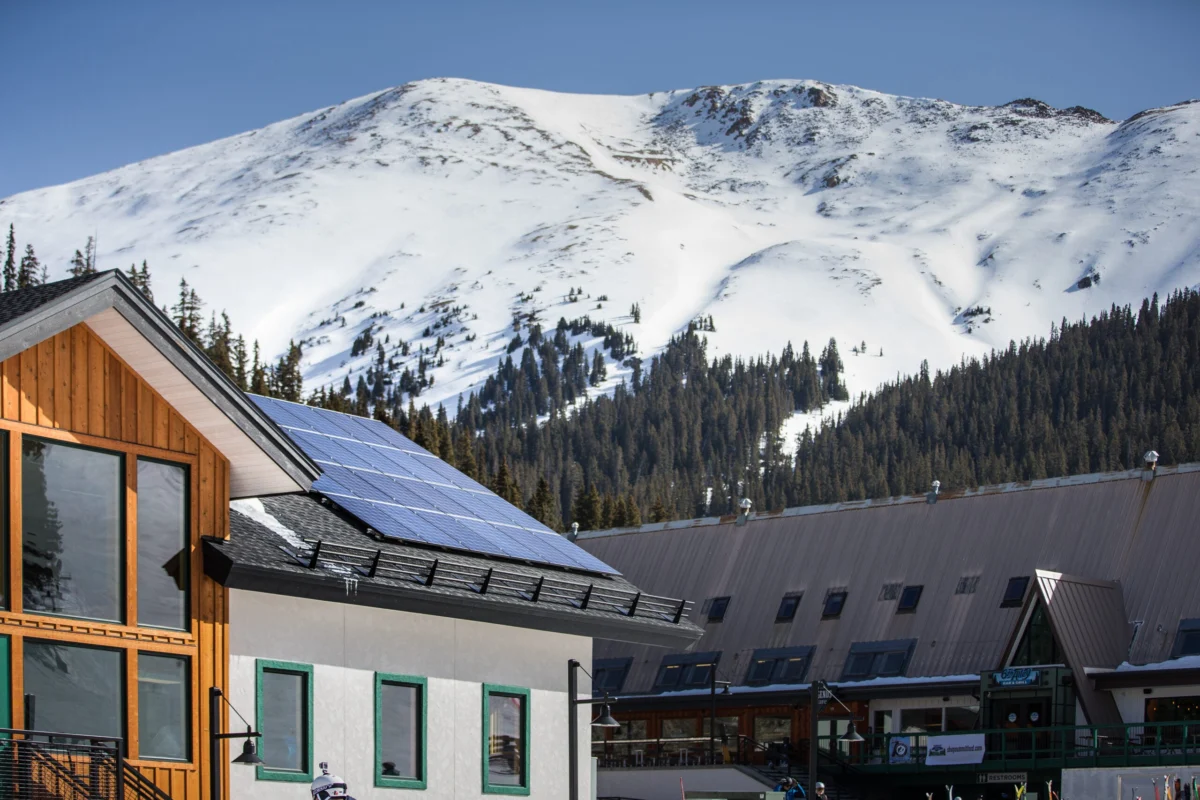
The allure of fresh powder and challenging slopes has always been a powerful draw for winter sports enthusiasts. However, for many, the journey to the quintessential ski experience has historically involved a complex web of flights, rental cars, and often frustrating connections. This year, the landscape of ski travel is undergoing a significant transformation, with airlines actively responding to the surging popularity of skiing by introducing a substantial number of new nonstop routes to regional airports serving beloved ski towns and bolstering service to major gateway hubs. This strategic expansion aims to simplify travel, reduce transit times, and ultimately make accessing world-class ski destinations more convenient than ever for the upcoming 2026-2027 ski season.
The trend toward enhanced accessibility is particularly evident in the latest flight schedule announcements. Several major carriers have unveiled new direct flights designed to ferry skiers and snowboarders directly into the heart of ski country. This includes eagerly anticipated routes to destinations such as Bozeman, Montana, a gateway to the renowned Big Sky Resort, and Steamboat Springs, Colorado, celebrated for its "Champagne Powder." Furthermore, international ski aficionados looking to experience Japan’s legendary "JaPow" will find expanded options with new nonstop services to both Tokyo and Sapporo, further cementing Japan’s status as a premier global ski destination.
For travelers prioritizing ease and efficiency, a deeper dive into airline offerings reveals a strategic advantage for certain carriers. United Airlines, for instance, stands out with its extensive network serving ski markets, reportedly offering more flights to these popular regions than any other airline. Their commitment extends to direct service to iconic ski towns like Jackson Hole, Aspen, and Missoula. Beyond route availability, United has also implemented traveler-friendly baggage policies for ski equipment, notably waiving oversize bag fees and allowing passengers to check two pairs of skis and a boot bag for the cost of a standard checked bag. This policy, detailed on their website, addresses a common pain point for skiers, reducing the financial burden and logistical concerns associated with transporting gear.
New Direct Flights to U.S. Ski Destinations for the 2026-2027 Season
The expansion of air travel to ski regions is not merely an abstract trend; it is manifesting in concrete new flight offerings that directly impact traveler itineraries. Several key routes are set to launch or significantly increase in frequency, promising a smoother journey for skiers across the United States.
Bozeman, Montana: Unlocking Big Sky and Bridger Bowl
Delta Air Lines is leading the charge in enhancing access to Montana’s premier ski destinations with a new daily direct flight connecting Austin, Texas, to Bozeman. While the route initially commenced in June 2026, its full operational capacity for the ski season begins on December 19, 2026, and will continue through March 28, 2027. This daily service is a significant boon for skiers in the Austin area and beyond, providing a streamlined path to the vast terrain of Big Sky Resort and the local favorite, Bridger Bowl. The travel time from Bozeman to Bridger Bowl is remarkably short, under 30 minutes by car, while Big Sky is approximately an hour away. This new direct service is expected to reduce overall travel time and eliminate the need for layovers, a critical factor for those seeking to maximize their time on the slopes. The increased flight frequency from a major hub like Austin is a clear indicator of growing demand for access to these sought-after Montana resorts.
Steamboat Springs, Colorado: Direct Access from the Pacific Northwest
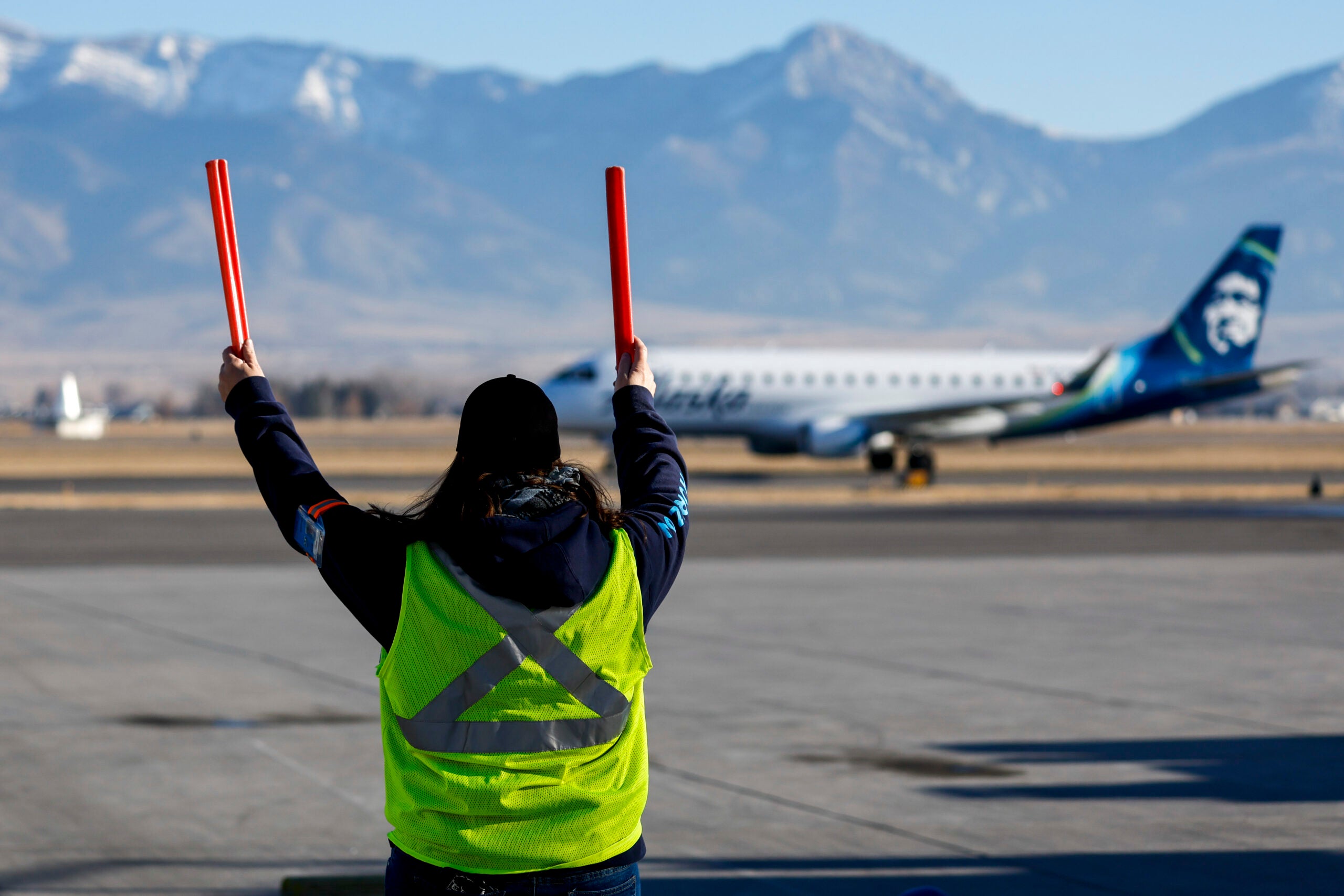
Alaska Airlines is enhancing connectivity for skiers on the West Coast with a new nonstop route to Steamboat Springs, Colorado. Beginning in February 2027, travelers in Portland, Oregon, will have a direct flight option to the renowned Steamboat Ski Resort and the historic Howelsen Hill Ski Area. This route, operating every Thursday and Saturday from February 11, 2027, through March 28, 2027, effectively bypasses the traditional need for a connection in Denver, significantly reducing travel time and complexity. Alaska Airlines’ policy of treating ski and snowboard equipment as standard checked baggage further simplifies the journey for passengers. This new service is a strategic move by Alaska Airlines to tap into the strong Pacific Northwest market for Colorado skiing, recognizing the desire for more direct travel options.
Denver, Colorado: Frontier’s Expanded Reach for East Coast Skiers
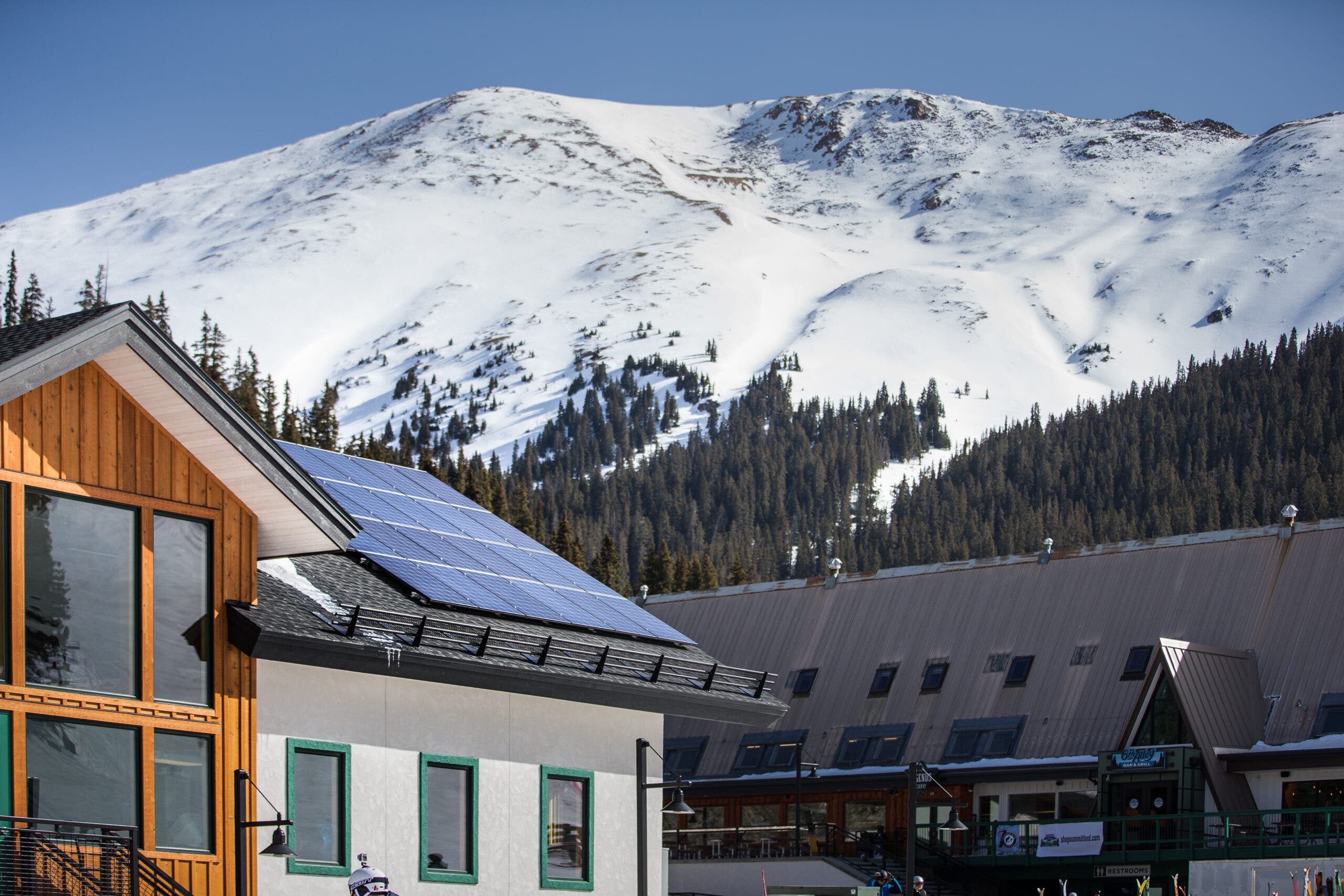
Frontier Airlines is contributing to improved ski accessibility by introducing new daily nonstop flights connecting Fort Lauderdale, Florida, to Denver, Colorado. This expansion is particularly beneficial for skiers in South Florida looking to reach a multitude of Colorado’s renowned ski resorts, including Winter Park, Loveland Ski Area, and Arapahoe Basin. The Denver International Airport (DEN) serves as a central hub for accessing these resorts, with Loveland located approximately an hour away by car, and Arapahoe Basin about 90 minutes. For those seeking an alternative to driving from Denver, the Winter Park Express ski train offers a unique and scenic option, connecting Denver’s Union Station directly to Winter Park Resort several times a week, with historical one-way fares starting around $9. This increase in flight frequency from a major Florida gateway underscores the continued appeal of Colorado as a top-tier ski destination for a broad demographic of travelers.
Burlington, Vermont: Breeze Airways Connects the East Coast
Breeze Airways, a low-cost carrier known for its flexible route network, is expanding its presence in the Northeast with two new nonstop flights to Burlington, Vermont, commencing October 4, 2026. The new routes include a direct flight from Baltimore, Maryland, and a BreezeThru service from Vero Beach, Florida. BreezeThru flights offer a seamless travel experience with a single flight number, even if there is a stop en route, eliminating the need for passengers to change planes. These services will operate on Tuesdays, Thursdays, and Sundays, with one-way fares starting at an attractive $49. Burlington serves as a convenient gateway to iconic Vermont ski areas such as Stowe, Mad River Glen, and Sugarbush, all within an hour’s drive. This expansion by Breeze Airways caters to budget-conscious travelers and those seeking more direct access to the charming ski resorts of Vermont.
Provo, Utah: An Alternative Gateway to Utah’s Ski Mecca
In a strategic move to offer an alternative to the typically busy Salt Lake City International Airport (SLC), Breeze Airways is introducing two additional flights into Provo, Utah. These new routes, commencing October 2, 2026, aim to provide more convenient access to some of Utah’s most celebrated ski destinations, including Snowbird, Alta, Park City, and Deer Valley. The new services include a nonstop flight from Raleigh-Durham, North Carolina, operating on Mondays and Fridays, and a BreezeThru flight from Vero Beach, Florida, running on Mondays, Wednesdays, Fridays, and Saturdays. By offering direct flights into Provo, Breeze Airways is capitalizing on the proximity of these world-class resorts to a smaller, potentially less congested airport, providing a valuable option for skiers traveling from these East Coast regions.
Expanding Horizons: International Ski Travel Gets a Boost
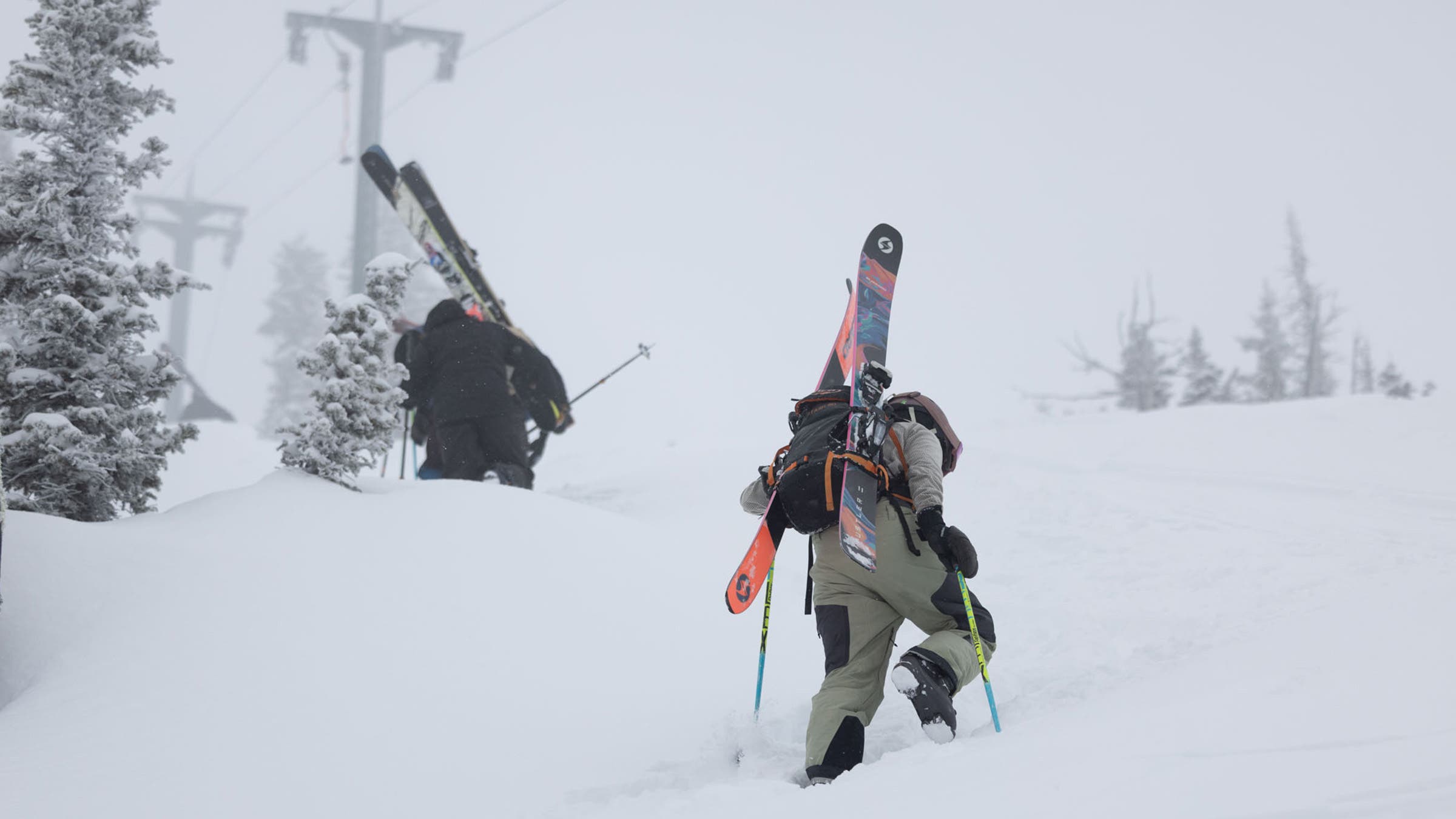
The surge in airline investment isn’t confined to domestic routes; international ski travel is also seeing a significant expansion, particularly for enthusiasts eager to experience the famed powder of Japan.
Tokyo, Japan: Enhanced Access to Iconic Japanese Ski Resorts
United Airlines, a long-established leader in trans-Pacific travel, is further solidifying its position by introducing daily nonstop service between Chicago and Tokyo’s Narita International Airport (NRT) starting October 24, 2026. This new route complements United’s existing service to Tokyo’s Haneda Airport (HND), offering travelers from the Midwest a more direct path to Japan. During the winter season, United plans to operate up to 13 daily flights from the continental U.S. to Japan, including existing routes to Osaka and Sapporo. From Tokyo, skiers can easily access renowned resorts such as Nozawa Onsen, Naeba, and the extensive Hakuba Valley via Japan’s efficient bullet train system, with travel times ranging from approximately three to four hours. This expansion is a direct response to the escalating global interest in Japanese skiing, often referred to as "JaPow," and aims to make these sought-after destinations more accessible to North American travelers.
Sapporo, Japan: Direct Flights to Hokkaido’s Winter Wonderland
Continuing its commitment to expanding access to Japan, United Airlines is launching new nonstop flights from San Francisco to Sapporo, Hokkaido, beginning December 11, 2026. Sapporo serves as a crucial gateway to some of Hokkaido’s premier ski areas, including Rusutsu, Kiroro, and Niseko United. These resorts are typically about two hours away from Sapporo by car, with Rusutsu being the closest. This new route from San Francisco, a major hub on the West Coast, provides a more direct and convenient travel option for skiers looking to experience the unique powder and landscapes of northern Japan. The addition of this route underscores the growing demand for international ski tourism and United’s strategic positioning to meet that demand.
Analysis of Implications
The substantial increase in nonstop flights to ski destinations for the 2026-2027 season carries several significant implications for the travel industry, regional economies, and the skiing community itself.
Firstly, enhanced accessibility is poised to drive increased visitation to these ski resorts. By reducing travel time and logistical hurdles, airlines are effectively lowering the barrier to entry for potential skiers, encouraging more people to plan and undertake ski trips. This is particularly true for less experienced skiers or families who may be deterred by complex travel arrangements.
Secondly, regional airports and ski towns are likely to experience a boost in economic activity. Increased air traffic translates to more visitors, who in turn spend money on accommodations, dining, ski rentals, lift tickets, and other local services. This can lead to job creation and stimulate local economies that are heavily reliant on tourism during the winter months.
Thirdly, competition among airlines may intensify, potentially leading to more competitive pricing for flights to ski destinations. As more routes become available, travelers may find a wider range of options and better deals, making ski vacations more affordable for a broader segment of the population.
Finally, the trend toward direct flights signifies a strategic shift in airline network planning. Airlines are recognizing the profitability and growing demand associated with niche travel markets like ski tourism. This focus on regional connectivity, rather than solely relying on major hubs, suggests a more nuanced approach to route development that caters to specific traveler needs and preferences. The investment in these routes indicates a long-term commitment to serving the winter sports market, with potential for further expansion in the future as demand continues to grow. The emphasis on streamlined baggage policies, as exemplified by United and Alaska Airlines, further demonstrates an understanding of the unique needs of ski travelers, aiming to create a more seamless and enjoyable experience from booking to the final descent.
