

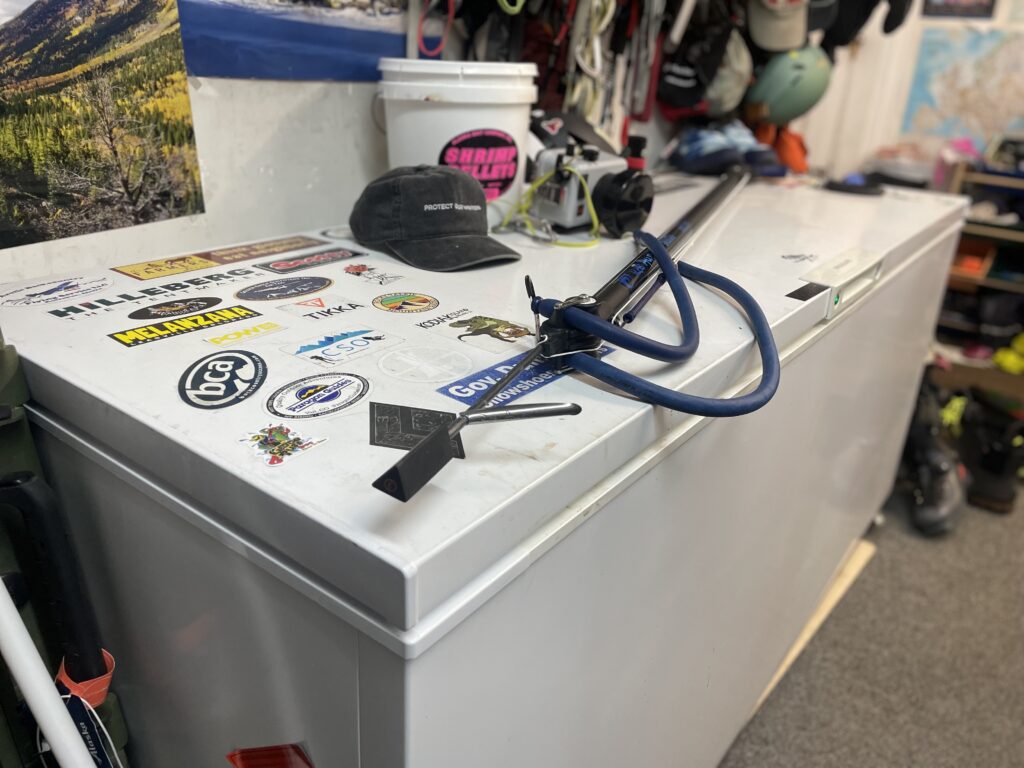
In the garages and mudrooms of Anchorage, Alaska, the rhythm of the year is measured not by the calendar, but by the contents of the chest freezer. For residents like Alex Lee, an Associate Professor of Philosophy at Alaska Pacific University and a captain of the Protect Our Winters (POW) Science Alliance, a 21.7-cubic-foot freezer serves as a repository of both sustenance and cultural identity. This appliance, often adorned with stickers from outdoor brands and local businesses, represents a "coffer of promise" that fluctuates with the seasons. As winter fades, scarcity characterizes the stock, but the arrival of the midnight sun brings a period of renewal and intense harvest. In the North, the freezer is more than a kitchen appliance; it is a central node in a complex web of ecology, economy, and community ethics.
The Seasonal Cycle of Alaskan Food Security
The Alaskan seasonal cycle is defined by a period of "largess" during the summer months when the state’s rivers become conduits for millions of salmon migrating from the ocean to their natal spawning grounds. This movement triggers a parallel migration of human activity. Commercial fishing serves as a primary economic engine for the state, but the personal harvest of salmon is a deeper, more intrinsic component of Alaskan life. Urban and rural residents alike organize their summer schedules around the arrival of specific runs, transitioning from white fish like Pacific cod and halibut in the early summer to the highly prized red fish, primarily sockeye and coho salmon, as the season progresses.
By April, many Alaskans experience a common sentiment of anxiety as the previous year’s stocks dwindle to the "dregs" at the bottom of the freezer. This period of scarcity is replaced in July by a sense of urgency and gratitude. The replenishment of these stores is not merely an act of grocery shopping but a labor-intensive engagement with the natural world. This process involves a transition from the "anxious state" of spring to the "undeniable pride" of a full freezer by late September.
The Social Contract and Communal Resource Management
In Alaska, salmon is managed and perceived as a communal resource rather than private property. This perspective is rooted in an unspoken social contract that governs the relationship between neighbors and the relationship between humans and the environment. The prevailing cultural ethic dictates that fish in the freezer are "borrowed from the water," carrying a debt of sustenance that must be respected.
This ethical framework discourages hoarding and encourages altruism. It is a standard practice in both urban Anchorage and rural villages for neighbors to share their bounty with those whose stocks have run low. This communal approach ensures regional food security and reinforces social bonds. The harvest is seen as a gift from the fish that "lend their lives" to sustain the human population, a sentiment that persists despite the modern, urban setting of cities like Anchorage, where wildlife encounters—such as bears in residential yards—remain a frequent reminder of the proximity to the wild.
Environmental Pressures and the Warming North Pacific
The stability of this centuries-old cycle is currently under threat from rapid environmental changes. The North Pacific Ocean is warming at a rate faster than any other ocean basin on the planet, a phenomenon that carries dire implications for salmonid species. Scientific data indicates that warmer waters often correlate with a lower pH level, leading to ocean acidification.
Increased acidity has been shown to decrease the growth rates of juvenile salmon and disrupt their olfactory senses, which are critical for navigating back to their natal streams to spawn. Furthermore, the circumpolar north is warming more rapidly than any other terrestrial ecosystem. This warming leads to the thawing of permafrost, which alters the temperature and flow of spawning streams, introducing unprecedented uncertainty into salmon run predictions.
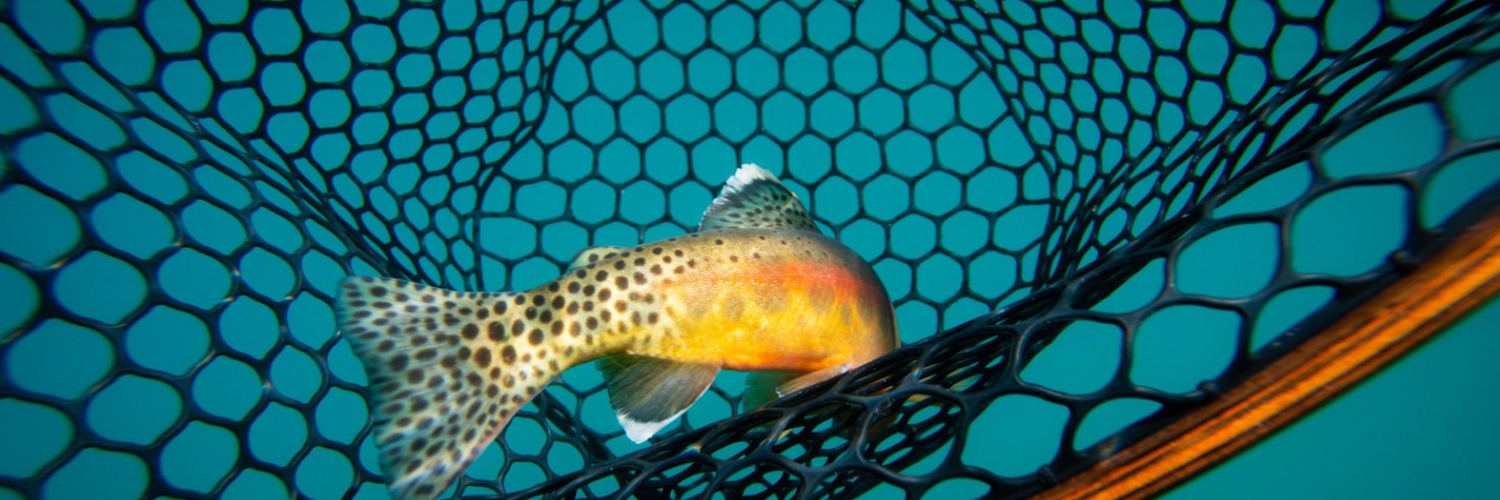
Recent years have seen a steady decline in King (Chinook) salmon stocks, leading to increased regulatory restrictions on both commercial and subsistence fishing. In Southcentral Alaska, authorities have recently restricted the retention of Coho salmon to preserve dwindling numbers. While Sockeye runs have remained relatively strong in the short term, the long-term outlook remains precarious as the cumulative effects of human take, warming oceans, and shifting habitats create a "stalwart but extremely delicate" ecosystem.
Methods of Harvest: From Dipnetting to Spearfishing
The Alaskan "fish flurry" involves various methods of harvest, each requiring specific skills and a high degree of physical effort. One of the most iconic practices is "dipnetting," a method unique to Alaskans where participants use large-diameter nets on long aluminum poles to catch sockeye salmon in high-density areas.
Common locations for dipnetting include the Copper River and the Kenai Peninsula. The Copper River harvest is particularly grueling, often involving travel via ATVs along abandoned railroad grades and navigating steep canyons. Fishermen frequently use climbing ropes to secure themselves to trees while standing on cliffs above churning glacial waters. In contrast, the Kenai Peninsula offers a more "civilized" but crowded experience, with hundreds of residents lined up shoulder-to-shoulder on beaches to catch the tide.
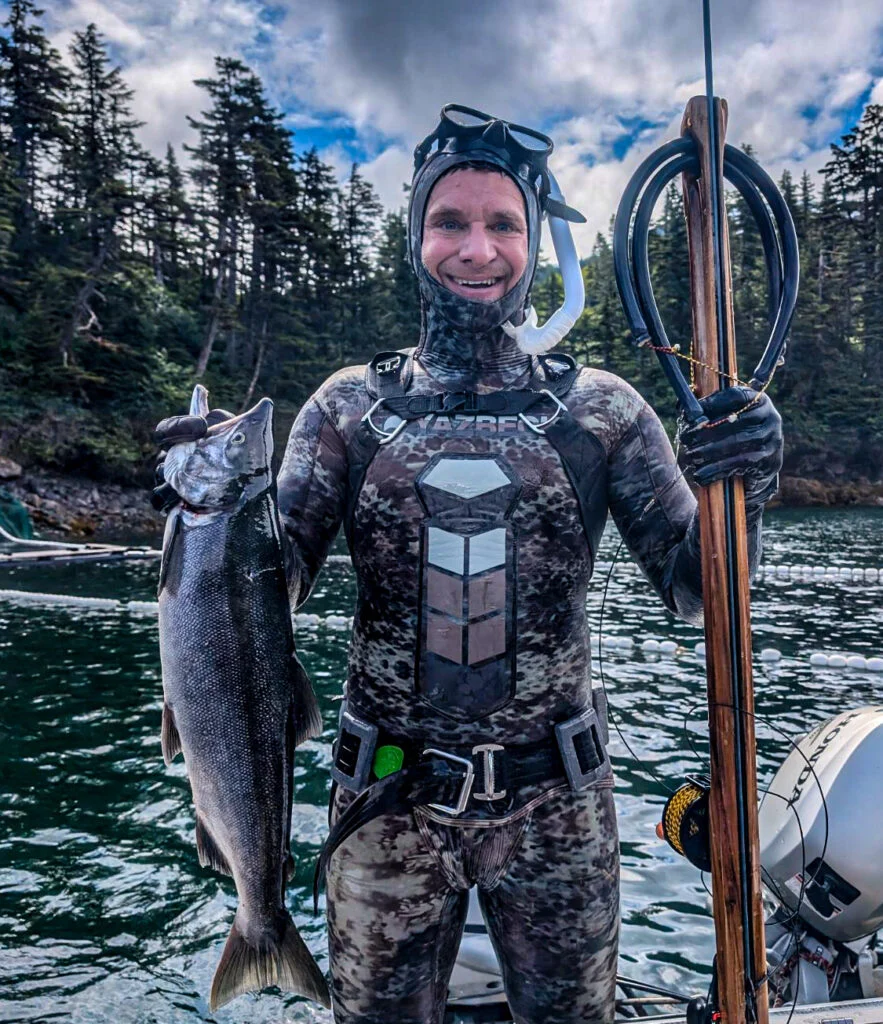
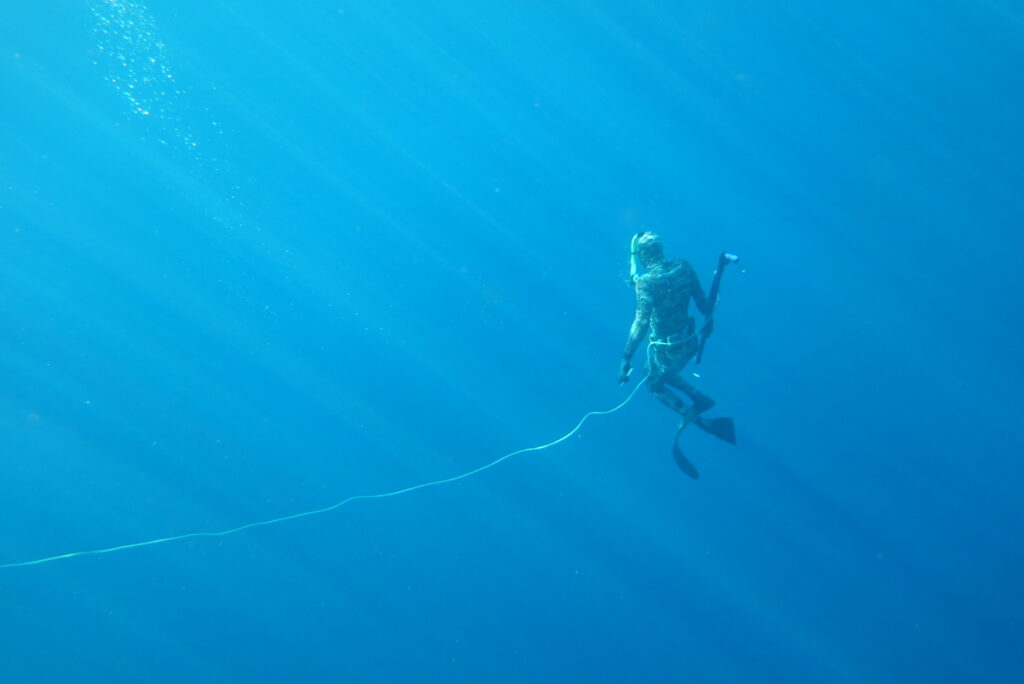
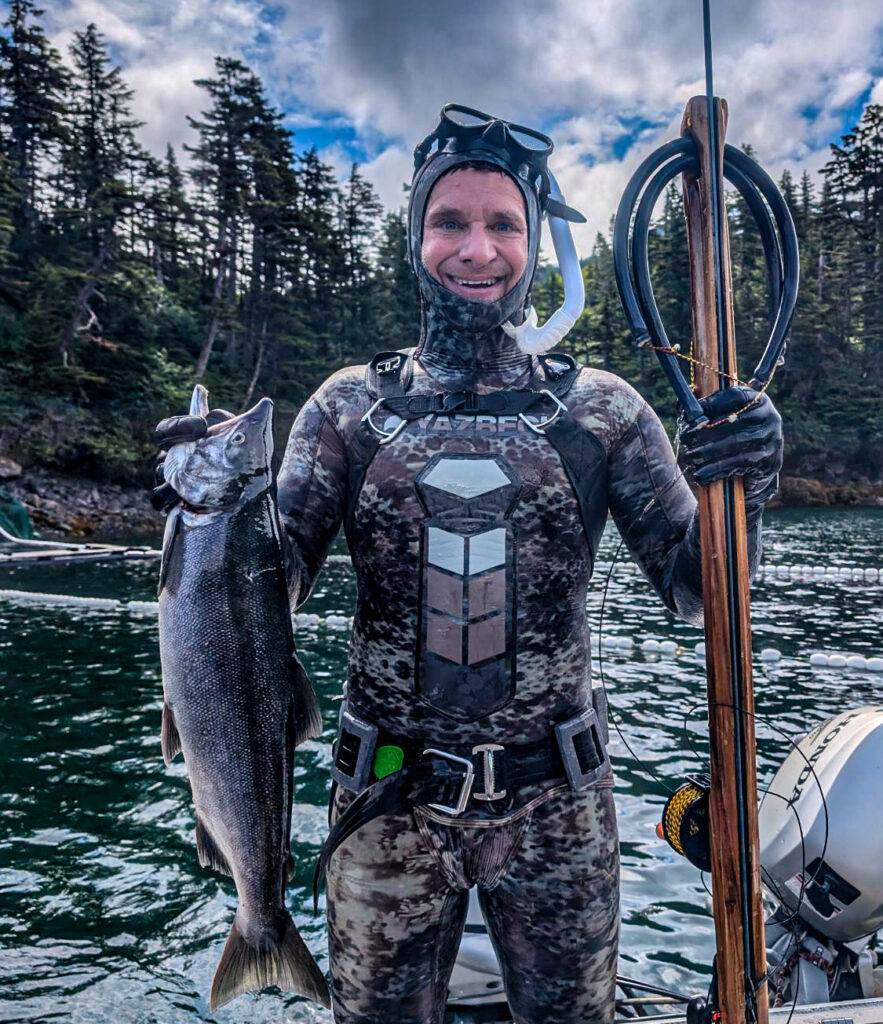
In recent years, some residents have turned to alternative methods like freediving and spearfishing. This approach requires a thick wetsuit and the ability to hold one’s breath in frigid, silty saltwater. Proponents of spearfishing describe it as a "spectral experience" that allows for a different level of engagement with the prey. Beneath the surface, the distractions of modern life—taxes, insurance, and household chores—are replaced by the rhythmic heartbeat of the diver and the movement of the tide. This method provides a direct, predatory connection to the food source, yielding high-quality fish untouched by the deterioration that begins once salmon enter freshwater systems.
Processing and Preservation: The Role of the Freezer
Once the fish are harvested, the focus shifts to processing—a task that often exceeds the immediate capacity of the kitchen. The Alaskan freezer acts as a long-term storage solution for vacuum-sealed fillets, salmon collars, bellies, and roe.
The preservation process is a continuous cycle. Any remaining stock from the previous year is typically cured and smoked, moving from the bottom of the freezer to the top as a "choice favorite." This ensures that nothing goes to waste, a principle that extends even to household pets; fish scraps are often integrated into the diets of sled dogs and pets, ensuring the entire biological gift of the salmon is utilized.
Broader Implications and the Moral Obligation to the Future
The reliance on salmon is not merely a matter of caloric intake but a foundational element of Alaskan identity. For many, "fish" is among the first words spoken by their children, symbolizing the intergenerational transfer of knowledge and values. The loss of salmon runs in other parts of the world, such as New England, serves as a cautionary tale for the North.
Environmental philosophers and scientists argue that the current generation manages the world it received while accumulating "withdrawals" that must be accounted for. The debt owed to the natural world is one that cannot be fully repaid but is instead inherited by future generations. The health of the Alaskan freezer is thus a barometer for the health of the North Pacific ecosystem.
As the climate continues to shift, the ethical center of the Alaskan lifestyle remains focused on the preservation of these runs. The agency of the individual in shaping the prospects of tomorrow is manifested in their daily relationship with the environment. If the freezers of the North were to one day run empty, the consensus among observers like Lee is that it would not be a failure of the fish, but a failure of human stewardship.
Conclusion: A Future Tied to the Water
As the salmon runs slow down in the late autumn, Alaskan residents transition their focus to other species, such as rockfish, rainbow trout, and Dolly Varden char. The arrival of cold weather eventually shifts the focus from the water to the mountains, as fishing rods are replaced by skis. However, the freezer remains the silent guardian of the summer’s labor, holding not just food, but the stories of adventures, the bonds of community, and the hopes for a sustainable future.
The ongoing challenge for Alaska will be to balance economic necessity with ecological preservation. With the North Pacific warming at an unprecedented rate, the "stalwart" salmon runs face a future of increasing volatility. The survival of the Alaskan "freezer culture" depends entirely on the ability of global and local actors to mitigate the impacts of climate change and maintain the delicate balance of the North’s aquatic arteries. In the end, the stories contained within those 21.7 cubic feet are a testament to a life lived in tandem with the wild—a life that requires constant vigilance to protect.
