

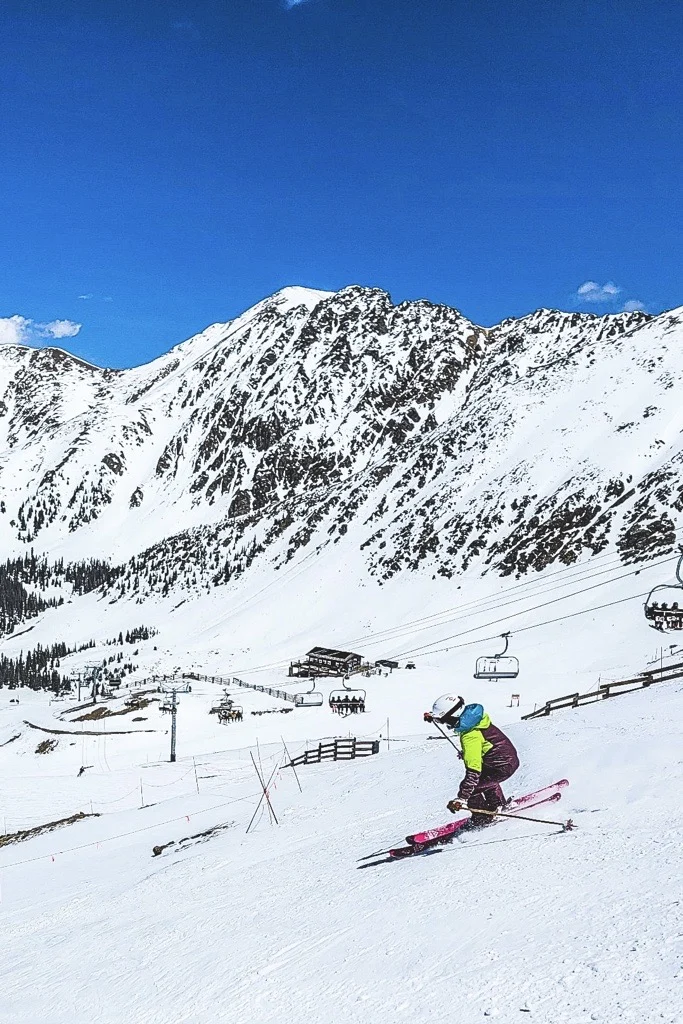
Katherine Fuller, the Director of Marketing and Communications for PSIA-AASI, recently embarked on a five-week intermediate snow sports lesson program at Eldora Mountain, Colorado, marking her first formal instruction in nearly a decade. Her experience, shared from the unique perspective of an industry professional participating as a student, offers profound insights into the critical role of certified instructors in fostering skill development, building confidence, and ultimately enhancing the overall enjoyment and retention of participants in snow sports. This initiative by Eldora, which catered to approximately 40 women, underscored the growing demand for structured adult learning programs designed to address specific skill plateaus and psychological barriers that often deter continued engagement in winter sports.
Eldora Mountain’s Commitment to Adult Snow Sports Education
Eldora Mountain, nestled in Boulder County, Colorado, has long been recognized for its accessible terrain and robust ski school offerings. The five-week intermediate lesson program, specifically tailored for women, is a testament to the resort’s strategic focus on adult education and community building. Such programs are increasingly vital in the snow sports industry, aiming to convert casual participants into lifelong enthusiasts by providing a supportive environment for skill progression. These multi-week formats allow for sustained learning, consistent instructor interaction, and the development of peer relationships, which are crucial for adult learners who may feel intimidated or isolated in traditional, single-day lesson settings.
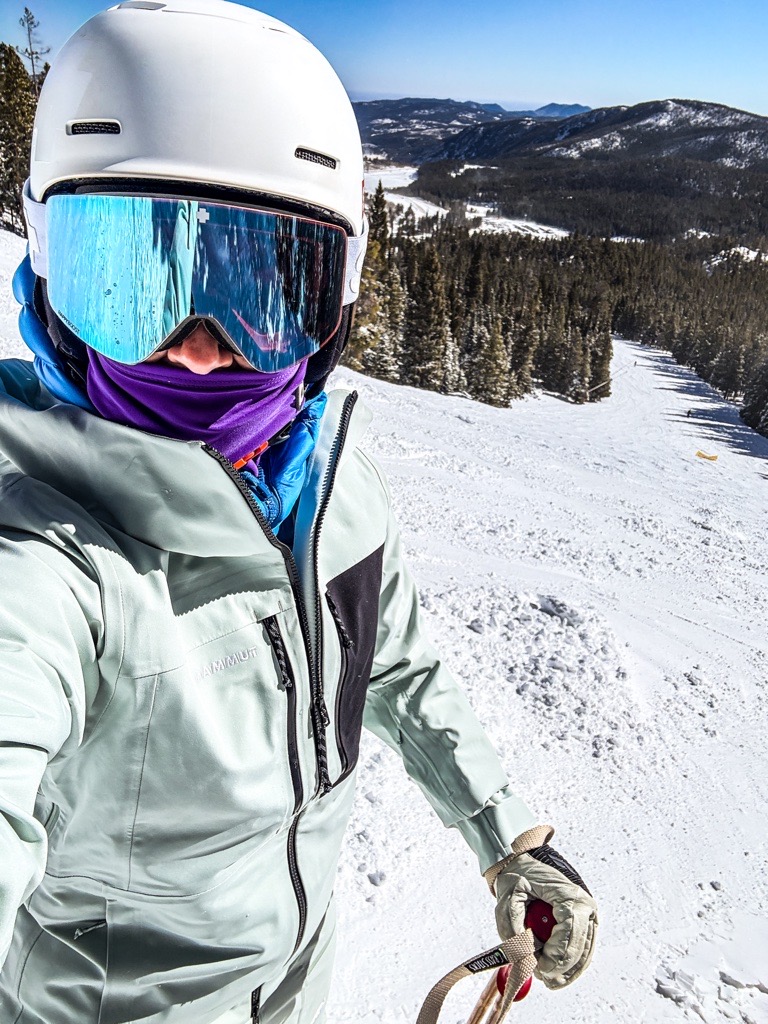
For Fuller, the program at Eldora presented a rare opportunity to experience snow sports instruction from a student’s vantage point, free from the professional obligations of her role at PSIA-AASI. She deliberately concealed her affiliation, paying for the program herself and presenting as a "random person with a vague marketing job," thereby ensuring an authentic student experience. This anonymity allowed her to fully immerse herself in the learning process, shedding the self-imposed pressures often associated with her position within a leading snow sports instruction organization. The initial sense of calm she experienced on the lift ride, a stark contrast to her usual battle with acrophobia, highlighted the immediate psychological benefits of entrusting her development to professional guidance.
Navigating Personal Barriers: Acrophobia and Imposter Syndrome
Fuller’s journey into snow sports began later in life—learning to snowboard in her twenties and ski in her thirties—a trajectory common for many adults entering the industry or seeking new recreational pursuits. This background, coupled with her professional role, inadvertently created a significant personal challenge: a "shadow of mediocrity" on the hill. She described feeling like a "fraud" due to her perceived less-than-expert skiing ability compared to colleagues and peers who had grown up in snow-rich environments. This imposter syndrome, combined with long-standing acrophobia, led to a confidence plateau, entrenched bad habits, and a pervasive sense of fear and doubt whenever she skied.
These feelings are not uncommon among adult learners. A 2022 study by the National Ski Areas Association (NSAA) indicated that adult beginners and intermediate skiers often cite fear of injury, lack of confidence, and the perceived difficulty of progression as primary reasons for not continuing in snow sports. Fuller’s candid account resonates with these broader industry challenges. Her decision to join the program was driven by a deep-seated desire to overcome these personal barriers, moving beyond merely wanting to be "better" to fundamentally shifting her relationship with the sport. The program’s design, grouping participants of similar skill levels, provided an immediate relief, creating a peer environment where comparison was minimized, and shared growth was prioritized. This collective learning atmosphere is a cornerstone of effective adult education, fostering a sense of belonging and reducing the psychological burden of individual performance anxiety.
The Aha Moment: Precision Instruction and Psychological Breakthrough
The five-week program, spanning 15 hours of instruction over five days, culminated in a pivotal "aha moment" for Fuller. Her instructor, Lindsey, an Alpine Level II certified professional and youth freestyle coach, demonstrated the profound impact of precise, targeted instruction. Lindsey, described as extremely patient and skilled, quickly identified the nuanced technical adjustments required for each member of her "intermediate plus" pod.
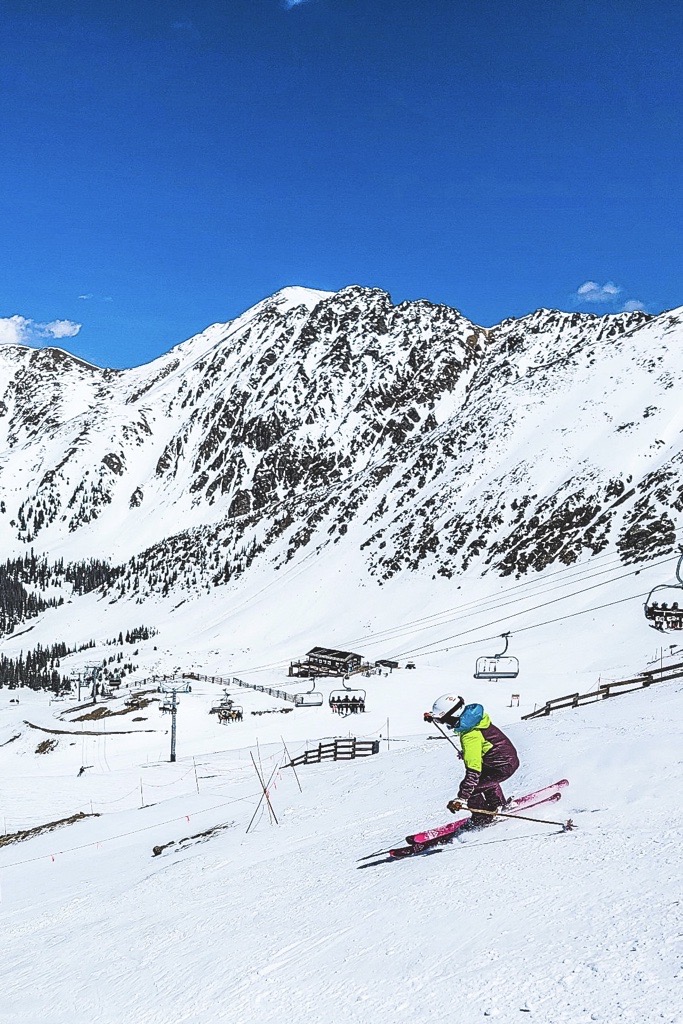
For Fuller, who was the fastest but also the "most squirrely" in her group, a simple, three-word cue proved revolutionary. On day three, Lindsey tapped Fuller’s boot with her pole and instructed: "Widen your stance." This seemingly minor adjustment, delivered without immediate extensive explanation, challenged Fuller’s ingrained habits. By consciously abandoning her ego and preconceived notions, Fuller executed the instruction. The initial awkwardness quickly gave way to an unprecedented feeling of stability and control. This shift allowed her to access the "elusive flow state"—a meditative trance she had previously only experienced in mountain biking and believed unattainable on skis.
Later, Lindsey elaborated on the technical rationale behind the cue. Fuller had not been allowing herself sufficient space to fully tip onto the edges of her 90mm-underfoot skis, which, while not excessively narrow, required specific body mechanics for optimal edge engagement. Widening her stance provided the necessary platform for more effective edging, fundamentally transforming her skiing. This incident powerfully illustrates the PSIA-AASI philosophy: a highly skilled instructor can diagnose complex issues and provide concise, impactful solutions tailored to the individual learner, building incrementally on prior lessons.
The Pedagogy of a Certified Instructor: Beyond Technical Skills
Fuller’s post-program reflection, comparing Lindsey’s teaching methods to PSIA-AASI’s reference materials, confirmed the instructor’s high level of skill and adherence to professional standards. While the original article does not list the specific PSIA-AASI Teaching Skills fundamentals, it highlights how Lindsey’s approach perfectly embodied their principles:
- Targeted Feedback: Lindsey’s ability to provide one or two critical tips at the right moment, without over-explaining, kept learners focused and engaged.
- Experiential Learning: Her emphasis on "listen-ski-repeat" encouraged immediate application and experimentation, allowing students to discover the changes through physical sensation rather than purely intellectual understanding.
- Holistic Development: Lindsey’s teaching extended beyond pure technical skiing. She incorporated body awareness through yoga references, helping students connect with their physical presence and position in space—a crucial breakthrough for Fuller in establishing a pre-ski routine.
- Creating a Safe and Confident Environment: Lindsey’s consistent narration of terrain choices, providing transparent information about snow conditions and appropriate runs, significantly reduced uncertainty and fear within the group. This proactive approach to managing expectations and mitigating perceived risks allowed students to relax, trust their guide, and be more open to learning. This element is particularly significant for adult learners who often prioritize safety and comfort.
- Effective Communication: Lindsey encouraged peer-to-peer discussion on lift rides, fostering a collaborative learning environment. Her direct feedback was concise and productive, avoiding "pontificating" and keeping the group moving. Her occasional refusal to over-explain, saving students from "extraneous, distracting details," underscored a deep understanding of cognitive load management in instruction.
Lindsey’s success, as observed by Fuller, was not merely in imparting technical knowledge but in her profound ability to reduce uncertainty, alleviate fear, and instill confidence. This psychological scaffolding is paramount for adult learners, particularly those grappling with deep-seated anxieties like acrophobia or imposter syndrome. By creating an environment of trust and psychological safety, Lindsey empowered her students to transcend their self-imposed limitations and embrace new possibilities on the snow.
A New Relationship with Skiing: Broader Impact and Implications
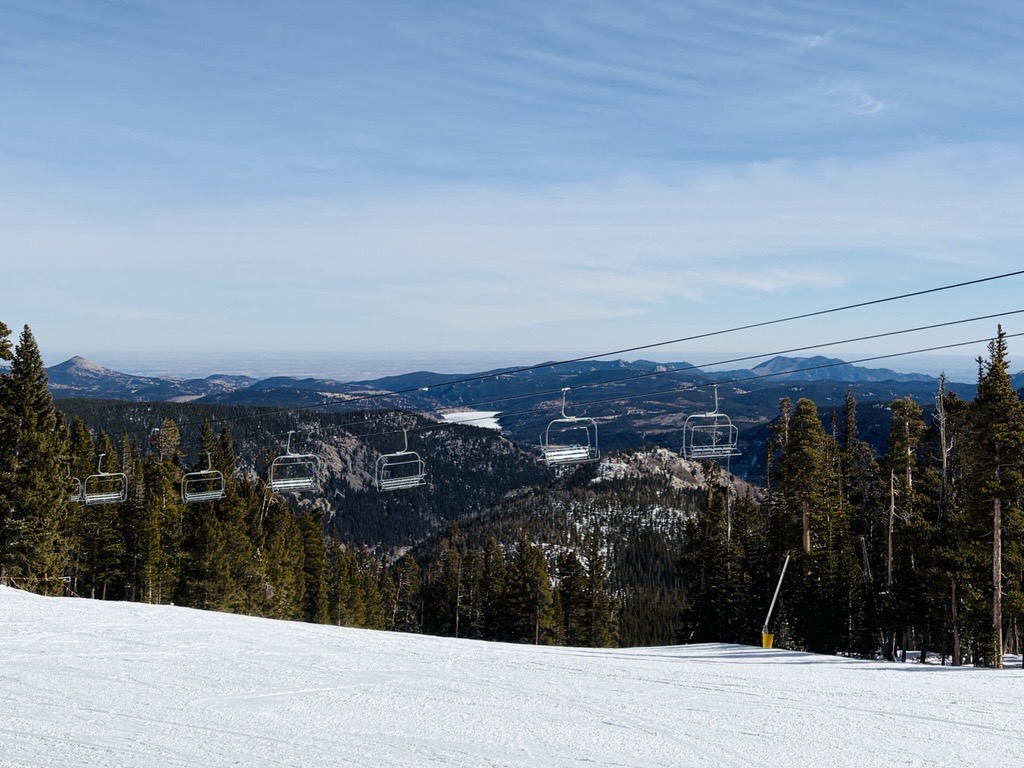
The culmination of Fuller’s lesson program was not just an improvement in her technical turns but a fundamental transformation of her relationship with skiing. She gained "access to feelings I had been chasing for years," particularly a profound sense of belonging on skis, and, crucially, she started having "way more fun." This emotional and psychological shift underscores the broader impact of effective snow sports instruction.
For the snow sports industry, Fuller’s experience carries significant implications:
- Retention of Adult Learners: Many adults, particularly those who learn later in life or return to the sport after a hiatus, struggle with skill plateaus and confidence issues. Programs like Eldora’s, with certified and empathetic instructors, are vital for retaining these participants. When adults feel supported, make tangible progress, and experience joy, they are more likely to continue skiing or snowboarding, invest in equipment, and take future lessons.
- Value of Certified Instructors: The article serves as a powerful testament to the value of PSIA-AASI certified instructors. Lindsey’s blend of technical expertise, pedagogical skill, and emotional intelligence highlights why professional certification is critical. Instructors are not just skill transmitters; they are facilitators of confidence, joy, and a deeper connection to the sport.
- Industry Growth: A confident, happy skier is a more active skier. Fuller’s newfound freedom and enjoyment translate into more days on the mountain, potentially encouraging friends and family to participate, and contributing to the overall economic health of resorts and related businesses. Her experience at Copper Mountain’s National Academy, where she skied with board members and experienced pure elation, exemplifies the ideal outcome of effective instruction: a joyful, engaged participant.
- Addressing Psychological Barriers: The snow sports industry must recognize and actively address the psychological barriers that impede participation. Fear, self-consciousness, and imposter syndrome are real. Professional instruction, as demonstrated by Lindsey, can effectively dismantle these barriers through empathy, tailored guidance, and the creation of safe learning environments.
Fuller’s post-lesson willingness to tackle a previously feared steep run at her former workplace is a potent symbol of her transformation. Her reflection, "I want you to know how not like me that is, and therefore how much good instruction can transform a person," emphasizes that the impact extends far beyond improved technique. It reshapes an individual’s self-perception and capabilities. Lindsey’s approach—compassionate without being saccharine, accepting of fears without dismissing them—is a model for effective instruction. When instruction is delivered with such skill and empathy, it moves beyond mere technical training to fundamentally change a person’s perspective and unlock a deeper, more meaningful engagement with the sport. Katherine Fuller’s journey stands as a powerful narrative endorsing the invaluable contribution of certified snow sports instructors to individual well-being and the vitality of the entire industry.
