

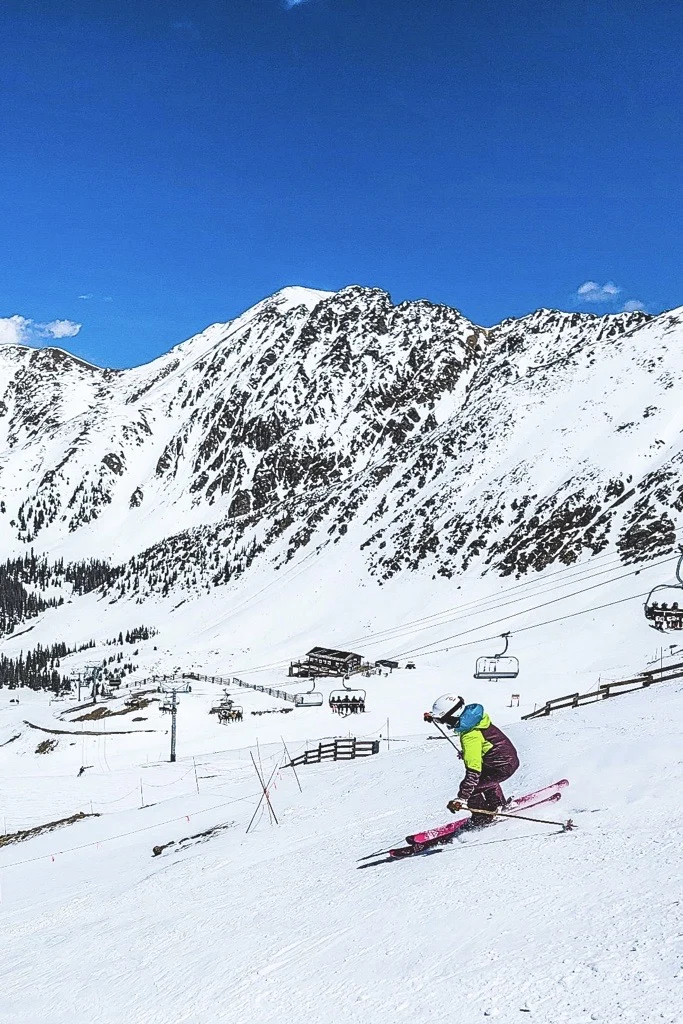
Katherine Fuller, the Director of Marketing and Communications for PSIA-AASI (Professional Ski Instructors of America and American Association of Snowboard Instructors), recently embarked on a personal journey that underscored the profound impact of professional snowsports instruction. For the first time in nearly a decade, Ms. Fuller stepped into the role of a student rather than an educator, enrolling in a five-week intermediate ski lesson program at Eldora Mountain in Boulder County, Colorado. This experience not only transformed her technical skiing abilities but also profoundly reshaped her emotional relationship with the sport, offering a compelling real-world validation of the methodologies championed by PSIA-AASI.
Background: The Role of PSIA-AASI and Eldora Mountain
PSIA-AASI stands as the national education and certification organization for professional ski and snowboard instructors. Its mission is to establish standards for instruction, provide educational resources, and certify instructors across various disciplines, ensuring high-quality teaching practices that enhance safety, enjoyment, and skill progression for snowsports enthusiasts. The organization’s teaching fundamentals emphasize effective communication, student assessment, lesson structure, and confidence-building—elements that Ms. Fuller would intimately experience as a participant.
Eldora Mountain, located just 21 miles west of Boulder, Colorado, is renowned for its accessibility from the Denver metropolitan area and its family-friendly atmosphere. While perhaps not as globally recognized as some of Colorado’s larger resorts, Eldora plays a crucial role in nurturing local snowsports culture, offering extensive terrain suitable for all skill levels and a robust array of lesson programs. These programs are often a gateway for new participants and a crucial avenue for intermediate skiers and riders to overcome plateaus, a common challenge for many adult learners.
A Personal Quest for Proficiency and Belonging
Ms. Fuller’s decision to enroll in the program stemmed from a deep-seated personal struggle. Despite her prominent role within the snowsports industry, she confessed to being "chased by the shadow of mediocrity on the hill." Having learned to snowboard in her 20s and ski in her 30s, she did not possess the foundational experience of growing up with snowsports. This led to a pervasive feeling of not belonging, a sense of being a "fraud" in an industry where many colleagues were lifelong, expert skiers. Her confidence had long been eroded by constant self-comparison to more talented peers, resulting in entrenched bad habits and a skiing experience dominated by fear and doubt.
To ensure an unvarnished and authentic learning experience, Ms. Fuller chose to remain anonymous within the lesson group, simply identifying herself as a "random person with a vague marketing job too boring to discuss, committed to improving ‘just because.’" This anonymity was crucial for shedding professional expectations and personal insecurities, allowing her to fully immerse herself in the student role. She also paid for the program herself, further solidifying her commitment to the genuine pursuit of improvement.
The Program Begins: Finding Calm Amidst Peers
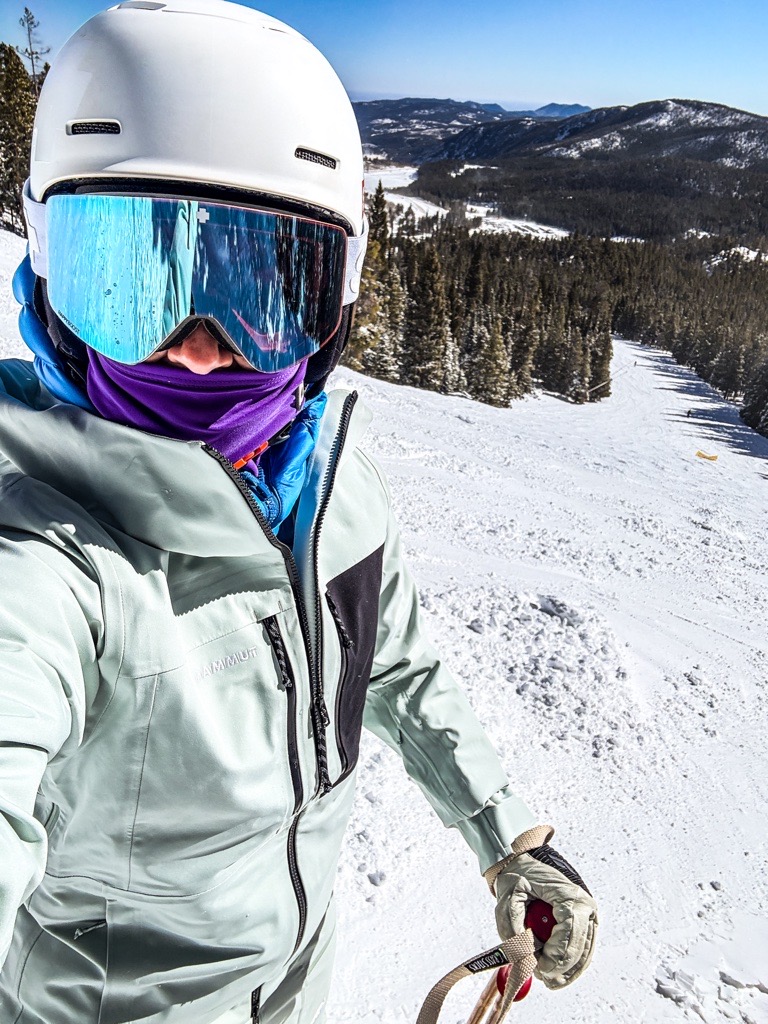
The five-week program at Eldora Mountain commenced with instructors observing and sorting approximately 40 women into skill-appropriate groups. Ms. Fuller found herself in a group of similarly skilled intermediate skiers, a revelation that brought an unexpected sense of relief. For years, her mountain experiences had been characterized by keeping up with more advanced skiers, a dynamic that fueled her self-consciousness. Now, surrounded by peers, she experienced a profound sense of calm, even on the second lift ride of the first day—a notable achievement for someone who openly battles acrophobia and typically uses a Buff to mask her panicked breathing on lifts. This immediate shift in environment provided a crucial foundation for effective learning, removing the pressure to prove herself and allowing her to focus on improvement.
Over the course of 15 hours spread across five days, Ms. Fuller recognized the immense value of transferring some of the mental burden to her professional instructor. She no longer had to solely manage her fear, expectations, or the path to improvement. Instead, she could be fully present, absorbing instruction and experimenting with new techniques. This dedicated time, often spent on Wednesday mornings, became a cherished opportunity for focused development.
The "Aha Moment": A Simple Cue, Profound Impact
A pivotal moment occurred midway through the program, illustrating the power of concise, expert instruction. Ms. Fuller’s instructor was Lindsey, a 26-year-old Alpine Level II certified instructor, youth freestyle coach, graduate student, and fiction author, described as an "extremely patient human." Lindsey led Ms. Fuller’s small "intermediate plus" pod, a group comprising four individuals with respectable technique and speed, and Ms. Fuller, who was the fastest but also the "most squirrely." Ms. Fuller acknowledged her form was inconsistent, often crumbling on ice (a common issue for "Rocky Mountain skiers" accustomed to soft snow) and oscillating between fighting fear and simply wanting to "go" rather than execute proper motions. She knew her skiing needed work but lacked specific insight into what exactly needed addressing.
On day three, Lindsey lined the group up on a groomed run and provided individualized feedback. When she reached Ms. Fuller, she tapped her boot with her pole and simply stated, "Widen your stance." Initially, Ms. Fuller was taken aback, but having committed to abandoning her ego and preconceived notions, she complied without questioning. The immediate effect was transformative: the first two turns felt awkward, but then, for perhaps the first time ever, she felt stable and in control. This newfound stability allowed her to push harder, experiencing the elusive "flow state"—a meditative trance she had previously only found in mountain biking and believed unattainable on skis.
Lindsey later elaborated on the reasoning behind the instruction, explaining how it built upon previous lessons. For instance, Ms. Fuller hadn’t been giving herself sufficient space to fully tip onto the edges of her 90mm-underfoot skis, which are considered somewhat narrow in certain contexts. Widening her stance provided the necessary leverage, dramatically altering her skiing performance. This precise, well-timed cue, delivered by a skilled instructor, became Ms. Fuller’s breakthrough moment.
The Science of Effective Instruction: PSIA-AASI Principles in Practice
Following the program, Ms. Fuller, leveraging her professional access to PSIA-AASI resources, reviewed the organization’s reference materials out of curiosity. She sought to identify how much of Lindsey’s teaching technique aligned with the established PSIA-AASI Teaching Skills fundamentals. To her affirmation, she found that Lindsey’s approach perfectly embodied these principles.
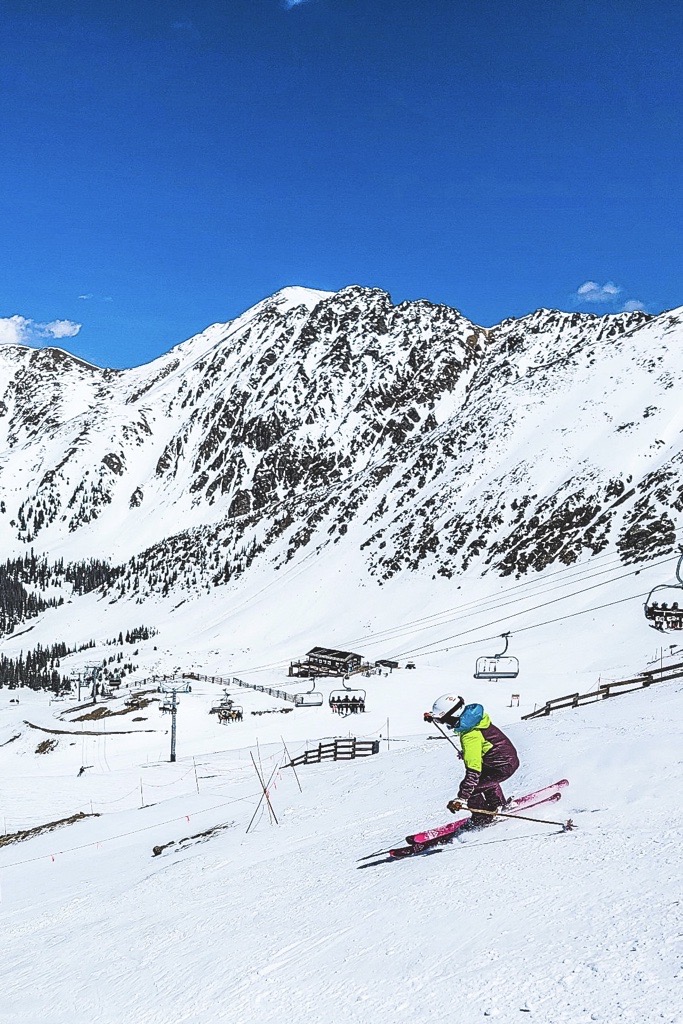
The PSIA-AASI Teaching Skills fundamentals, which underpin certified instruction, include:
- Safety: Ensuring a secure learning environment.
- Lesson Structure: Organizing content logically and progressively.
- Communication: Clear, concise, and effective interaction.
- Assessment: Accurately evaluating student needs and progress.
- Demonstration: Showing correct technique effectively.
- Feedback: Providing constructive and timely input.
- Movement Analysis: Understanding how the body moves in relation to skis/board.
- Terrain Choice: Selecting appropriate learning environments.
- Task Setting: Designing drills and exercises that target specific skills.
- Learning Environment: Fostering a positive and engaging atmosphere.
Lindsey’s instruction exemplified these principles through several key strategies. She minimized talking at the students, instead encouraging peer-to-peer discussion, particularly on lift rides with simple prompts. Her direct feedback was consistently targeted and productive, devoid of pontification or over-explanation, ensuring the group remained active and engaged. This efficiency in communication is a hallmark of effective instruction, maximizing practice time and minimizing information overload.
Crucially, Lindsey’s success extended beyond purely technical skiing. She skillfully addressed the psychological barriers to learning, reducing uncertainty and fear while instilling confidence. For instance, she identified that many participants could relate to yoga references, which she then used to train them in body awareness and spatial positioning. This unconventional yet effective approach was a significant breakthrough for Ms. Fuller, who now incorporates a body scan into every ski day to establish core and hip alignment.
Lindsey’s judicious approach to explanation was also noteworthy. She sometimes gently declined to provide in-depth details when asked, recognizing that piling on extraneous information would distract students from focusing on the single, most important tip for that moment. This deliberate restraint, while initially causing anxiety for some participants, ultimately proved beneficial, allowing for focused practice and deeper integration of new skills.
Beyond the Turn: Terrain Management and Psychological Support
One of the most unexpectedly helpful aspects of Lindsey’s instruction, particularly during a season characterized by less-than-stellar snow conditions in Colorado, was her constant narration of terrain choices. She would proactively inform the group about conditions, stating, for example, "I checked with patrol this morning and X run is thin and icy after grooming, so we’re going to skip it today." Her intimate knowledge of Eldora Mountain allowed her to guide the group to the most appropriate sides of runs, depending on desired conditions. This proactive communication eliminated the mental burden of participants having to worry about terrain suitability, fostering a sense of safety and trust. This element of expert terrain management is a critical, often underestimated, component of certified instruction, directly impacting student comfort and confidence.
This proactive approach speaks to the broader value proposition of certified instructors: they act as competent guides, managing not just the technical learning but also the environmental and psychological aspects of the snowsports experience. For many adult learners, especially those grappling with fear or insecurity, having a guide who removes decision fatigue and ensures a safe, appropriate learning environment is invaluable.
A New Relationship with Skiing: Belonging and Joy
At the conclusion of the five-week program, Ms. Fuller’s transformation was profound. She entered the program driven by a "deep sense of desperation" to be "better," fueled by the desire to shed her identity as a "middling skier who works in the ski industry." She had anticipated a structured, drill-focused approach, akin to her background in semi-competitive softball and soccer. Instead, Lindsey’s methodology was more akin to a scrimmage: provide a few key pointers, then encourage real-world application.
The stance adjustment was a critical technical change, but its impact was amplified by the foundation of trust and psychological support Lindsey cultivated. Ms. Fuller left with something far more valuable than a checklist of improved skills: a fundamentally different relationship with skiing. For a 40-year-old intermediate skier carrying years of fear and self-consciousness, one well-timed, contextually relevant cue from a skilled instructor did more than just improve her turns; it unlocked feelings she had been chasing for years, particularly the sense that she belonged on skis. This newfound confidence translated directly into a significant increase in enjoyment.
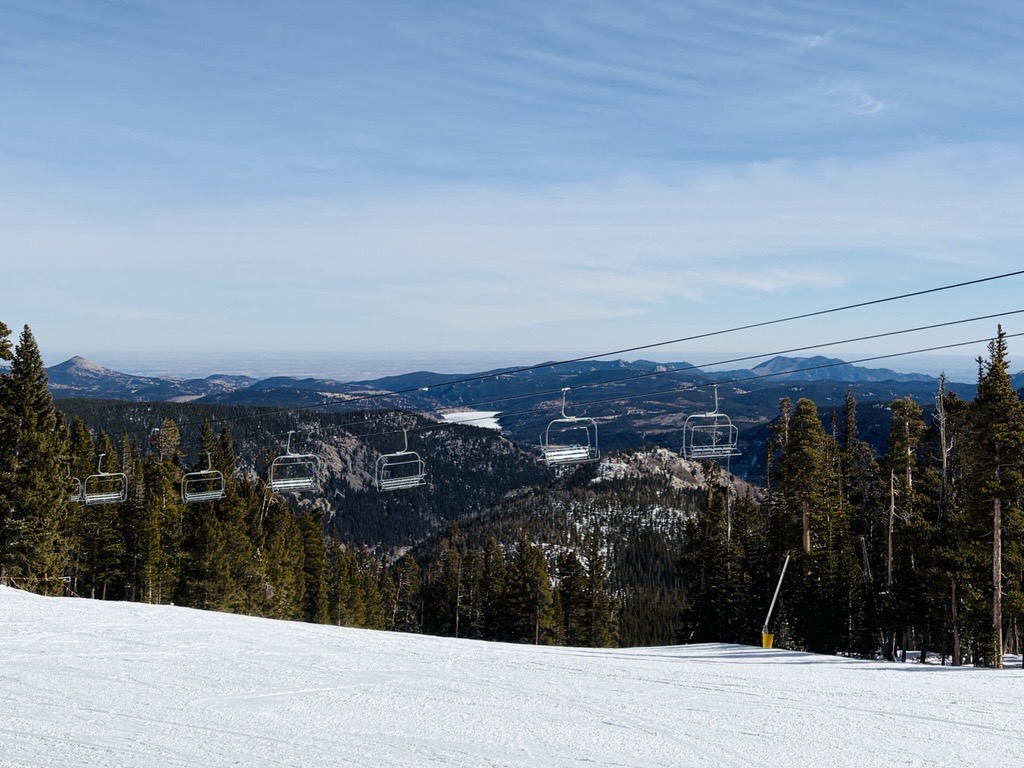
The enduring impact of the lessons became evident a month later during the National Academy at Copper Mountain. Ms. Fuller found herself skiing with PSIA-AASI board members down a run she had previously approached with trepidation. With her "newfound, grounded-in-reality confidence," she navigated the challenging conditions, which were fortunately better than they appeared. She described the experience as flying, feeling free, and filled with joy. Near the bottom, a longtime instructor and ski resort executive observed her, exclaiming, "Oh! You’re a giggler!" Ms. Fuller had been laughing throughout the descent, a spontaneous expression of pure joy that deeply pleased her companion. This moment solidified her feeling of belonging within the snowsports community.
A week after the Academy, Ms. Fuller returned to her former workplace, a ski area where a run she had long feared was still open in late spring. Despite her initial thought at the top—"Oh, this IS steep"—she proceeded to ski it. This act of confronting and conquering a long-standing fear underscored the depth of her transformation. It highlighted how good instruction can empower individuals to transcend their perceived limitations, addressing not just technical deficiencies but also deeply ingrained psychological barriers.
Ms. Fuller emphasized that Lindsey’s compassion was neither saccharine nor dismissive. Instead, Lindsey accepted her student’s situation and fears without judgment, working with them effectively. This approach, when executed skillfully, extends beyond teaching mere turns; it transforms a person’s entire perspective on the sport.
Implications for the Snowsports Industry
Ms. Fuller’s personal narrative offers compelling evidence of the critical role certified snowsports instructors play in enhancing guest experience and fostering long-term engagement with the sport. Her experience validates several key industry implications:
- Retention and Growth: Effective instruction, particularly multi-week programs, is vital for retaining intermediate skiers and riders who might otherwise plateau and disengage. By helping individuals overcome skill plateaus and psychological barriers, these programs contribute significantly to the overall health and growth of the snowsports industry.
- Value of Certification: The alignment of Lindsey’s practical teaching with PSIA-AASI fundamentals demonstrates the tangible value of professional certification. Certified instructors are equipped with a structured understanding of learning processes, allowing them to deliver tailored, impactful instruction that goes beyond superficial tips.
- Beyond Technical Skills: The article highlights that the psychological and emotional aspects of learning—such as building confidence, managing fear, and fostering a sense of belonging—are as crucial as technical skill development. Instructors who can address these holistic needs create more profound and lasting transformations.
- Adult Learner Focus: As the snowsports demographic diversifies, catering to adult learners who may have less prior experience or more ingrained fears becomes increasingly important. Programs designed with adult learning principles and psychological support in mind can unlock new markets and enrich the sport for a broader audience.
- Industry Authenticity: For industry professionals like Ms. Fuller, personal proficiency and comfort on the slopes can deepen their connection to the industry and enhance their credibility. Investing in their own skill development, even anonymously, can lead to a more authentic and passionate workforce.
Katherine Fuller’s journey at Eldora Mountain serves as a powerful testament to the transformative potential of professional snowsports instruction. It underscores that for many, especially adult learners battling self-doubt or fear, the guidance of a skilled, certified instructor can unlock not just better turns, but a renewed sense of confidence, belonging, and profound joy on the mountain. Her experience provides a clear, real-world example of PSIA-AASI’s principles in action, reinforcing the indispensable value of quality instruction for the entire snowsports community.
