


The intersection of high-end luxury and accessible retail often sparks curiosity, and the recent collaboration between French skiwear connoisseur Perfect Moment and global fashion giant H&M has certainly delivered on that front. This partnership, aiming to bring aspirational ski style to a wider audience, presents a compelling case study in democratizing luxury and navigating the complex landscape of fashion, sustainability, and performance. The collection, which debuted to considerable buzz, blends Perfect Moment’s signature après-ski aesthetic with H&M’s expansive reach and affordability.
A Tale of Two Brands: Origins and Evolution
Perfect Moment, a brand synonymous with vibrant designs and premium ski apparel, traces its origins back to Chamonix, France, in 1984. Founded by Thierry Donard, a filmmaker and athlete, the brand was initially geared towards the demanding world of freeride skiing, focusing on technical performance for extreme sports enthusiasts. Its early roots were firmly planted in the action sports community, prioritizing functionality and durability for athletes pushing the boundaries of the sport.
The brand’s trajectory shifted significantly in 2010 when it was acquired by European entrepreneurs Jane and Max Gottschalk. Under their stewardship, Perfect Moment underwent a transformation, embracing a more luxurious and fashion-forward identity. This pivot repositioned the brand as a leader in stylish skiwear, renowned for its eye-catching patterns, bold colors, and sophisticated silhouettes. Today, Perfect Moment is celebrated for its iconic puffer jackets, which typically retail upwards of $800, alongside flared ski pants ($600), statement knitwear, and branded accessories like goggles. These pieces are designed not just for the slopes but as fashion statements, embodying a lifestyle that blends performance with high-end appeal.
In stark contrast, H&M, a Swedish multinational retail company, operates on a fundamentally different business model. With over 4,000 stores globally, H&M is a titan of fast fashion, known for its rapid production cycles and accessible price points. While the brand has faced significant criticism regarding its environmental impact and its role in promoting disposable fashion, it has also, in recent years, made concerted efforts to address these concerns. Initiatives aimed at increasing the use of recycled materials, improving supply chain transparency, and promoting circular fashion models have been introduced, though critics often argue that the inherent nature of fast fashion makes true sustainability a formidable challenge. H&M’s brand ethos has historically centered on making fashion trends available to everyone, regardless of economic standing.
The Unexpected Partnership: Bridging the Gap
The announcement of a collaboration between Perfect Moment and H&M was, by many accounts, a surprising development. The juxtaposition of a luxury skiwear brand, with its emphasis on longevity and premium craftsmanship, and a fast-fashion giant, known for its affordability and rapid trend turnover, presented an intriguing paradox.
H&M’s Creative Advisor and Head of Design for Women’s Wear acknowledged the collection’s unique nature, describing it in a press release as "unexpected, dynamic, and sure to spark excitement." This sentiment underscores the deliberate departure from typical brand pairings, suggesting an ambition to explore new market segments and redefine consumer expectations. The primary objective of this collaboration appears to be the democratization of high-fashion ski aesthetics, offering consumers a taste of Perfect Moment’s distinctive style at a more accessible price point.
Performance Review: Functionality Meets Fashion
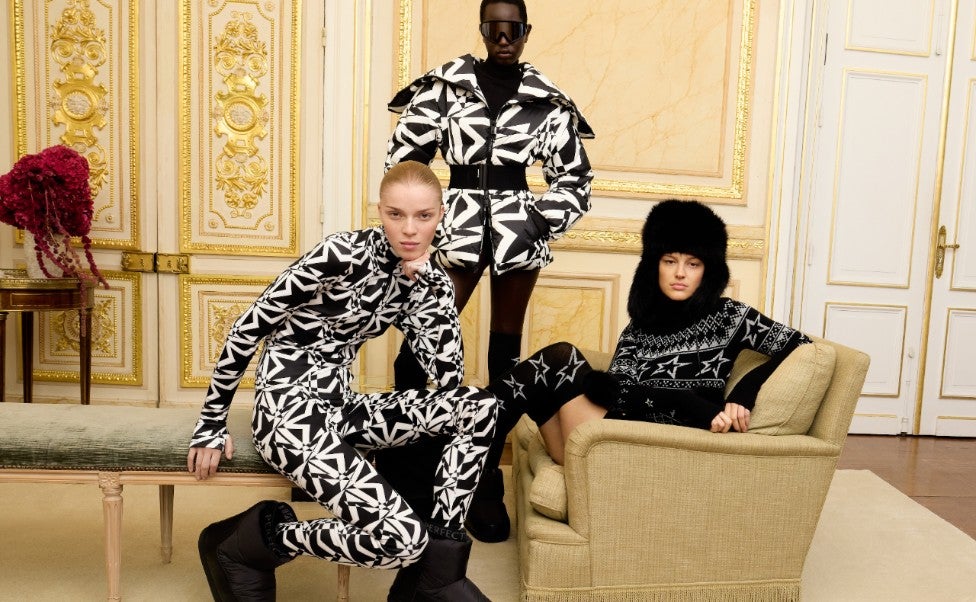
The collaboration aimed to translate Perfect Moment’s signature style into a collection designed with both on-slope functionality and après-ski charm in mind. The product offering included a range of items such as sweaters, bodysuit baselayers, puffer jackets, and more. Critically, the collection was conceived with a focus on après-ski, meaning its primary intention wasn’t to compete with high-performance technical gear designed for extreme conditions, but rather to offer stylish options for leisure and social settings associated with skiing.
During product testing, two key items were evaluated: a puffer jacket, priced at $329, and a baselayer top, available for $60. It is important to note that the collection was largely sold out shortly after its release, with no immediate plans for a restock announced by H&M, indicating strong consumer demand.
The baselayer top, made from a performance material rather than the more traditional Merino wool, demonstrated commendable wicking capabilities, effectively managing sweat during activity. Its flattering zippered mockneck design was a notable aesthetic feature. However, the fit was observed to be slightly generous, leading to the suggestion that layering a tighter base layer underneath might be beneficial for enhanced warmth and fit on colder days, effectively transforming it into a pseudo-midlayer. The pants, also part of the collection, were found to be too oversized for a comprehensive performance evaluation. Despite these fit nuances, the price point for the baselayer was considered reasonable, presenting an attractive option for skiers seeking chic apparel for après-ski events.
The puffer jacket, a cornerstone of the collection, was noted for its intentionally oversized, boxy silhouette. While this design choice contributed to a stylish, contemporary aesthetic, it did impact its overall performance for rigorous skiing. The loose fit, though designed to accommodate layering, meant the garment hung away from the body, which could potentially compromise insulation in very cold or windy conditions.
A significant drawback identified in the puffer jacket was its limited pocket configuration. The jacket featured only two external pockets, secured by magnets, and a single internal pocket with a top opening. For skiers, especially those who value secure storage for essential items like ski passes or phones, this limited and potentially insecure pocket design was a considerable concern. The magnetic closures, in particular, raised anxieties about the risk of losing small, valuable items.
Despite the pocket limitations, several positive attributes were highlighted. The jacket’s fit, while oversized, was described as unique and flattering. The hood was generously sized, capable of fitting comfortably over a ski helmet, a crucial feature for on-slope wear. For warmer, more casual days, or for individuals prioritizing style over extreme weather protection, the jacket was deemed a suitable choice. Considering its fashion-forward design and warmth for general use, the price point was deemed fair for a stylish puffer jacket, especially for consumers whose primary goal is aesthetic appeal. The prominent star design on the back of the jacket was singled out as a particular favorite, serving as a purely aesthetic element that underscored the collection’s fashion-centric ethos.
Implications and Market Impact
The Perfect Moment x H&M collaboration offers several key insights into the evolving fashion and retail landscape. Firstly, it demonstrates a strategic move by luxury brands to tap into broader consumer markets without diluting their core brand identity. By partnering with a mass-market retailer, Perfect Moment can reach an audience that might find its traditional price points prohibitive, potentially fostering brand loyalty among a new generation of consumers.

Secondly, the collaboration underscores the growing consumer demand for "athleisure" and "ski-leisure" wear. The lines between athletic apparel and everyday fashion continue to blur, with consumers seeking versatile pieces that can transition from sporting activities to social settings. This trend has driven significant growth in the activewear market, and collaborations like this capitalize on that momentum.
From a sustainability perspective, the partnership presents a complex narrative. H&M’s involvement raises questions about the environmental footprint of producing fashion at scale, even within a collection that aims to promote longevity. Perfect Moment’s stated mission of "using less is better" and designing for "durability and longevity" stands in contrast to the fast-fashion model. The success of such collaborations hinges on whether they can genuinely introduce more sustainable practices or if they merely offer a superficial engagement with eco-conscious messaging. Data from the fashion industry indicates that the textile industry is a significant contributor to global pollution, and initiatives that promote longer-lasting garments are crucial, but the scale of fast-fashion production remains a critical factor.
The market reception, characterized by rapid sell-outs, suggests a strong appetite for this type of fashion fusion. It indicates that consumers are increasingly willing to embrace brands that offer both style and a perceived connection to aspirational lifestyles, even if the performance aspects are secondary. The "democratization of luxury" is a powerful marketing tool, allowing a wider demographic to participate in trends previously reserved for a select few.
Conclusion: A New Horizon for Ski Fashion
The Perfect Moment and H&M collaboration represents a significant moment in the fashion industry, particularly within the niche of ski and après-ski wear. It challenges traditional notions of brand exclusivity and luxury, demonstrating that stylish, trend-driven apparel can be made more accessible. While the performance of the collection leans towards fashion and après-ski rather than high-intensity skiing, it successfully bridges the gap between aspirational style and everyday affordability.
For consumers, this partnership offers an opportunity to incorporate elements of high-fashion ski aesthetics into their wardrobes without the premium price tag. It caters to a segment of the market that values style and brand association, understanding that the gear is intended for a lifestyle rather than extreme athletic pursuit. The success of the collection, as evidenced by its swift sell-out, points to a clear consumer desire for such accessible luxury. As the lines between fashion, sport, and lifestyle continue to converge, collaborations like this are likely to become more prevalent, reshaping how consumers approach their wardrobes, both on and off the mountain. The long-term implications for sustainability and brand integrity within these partnerships will remain a key area to observe as the fashion industry navigates this evolving landscape.
