

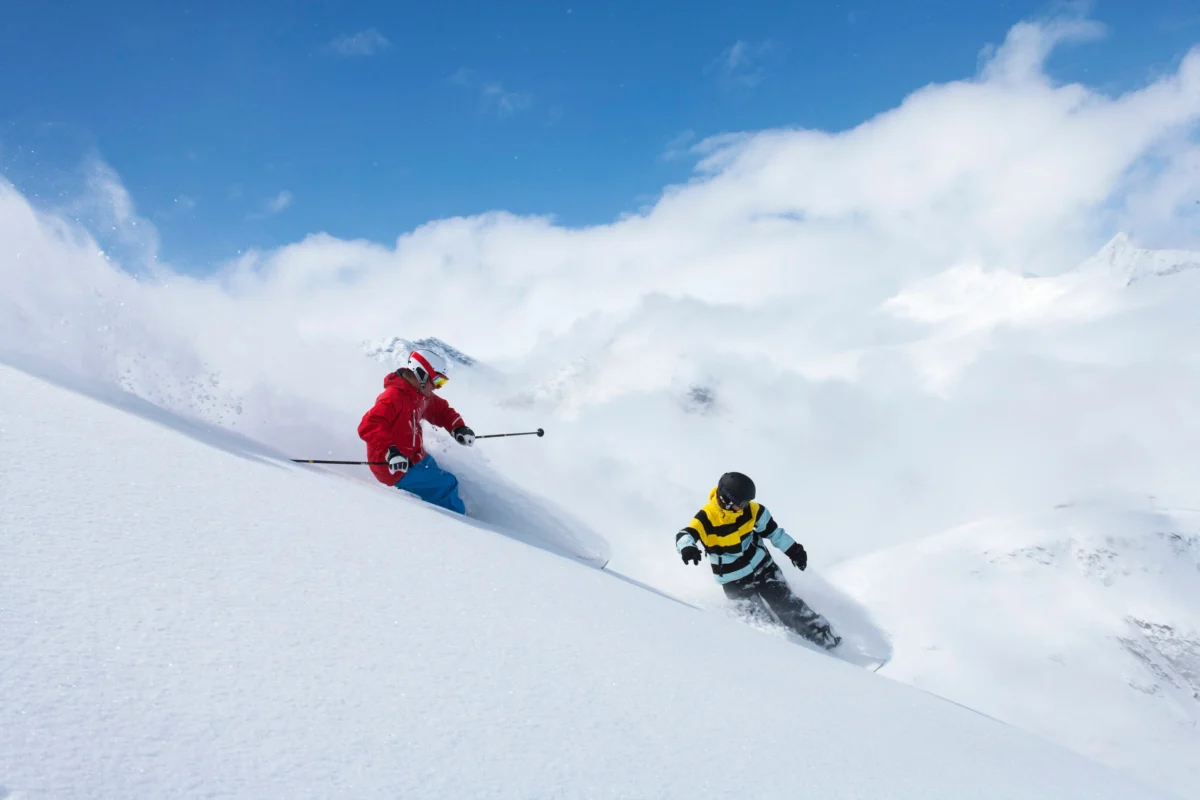
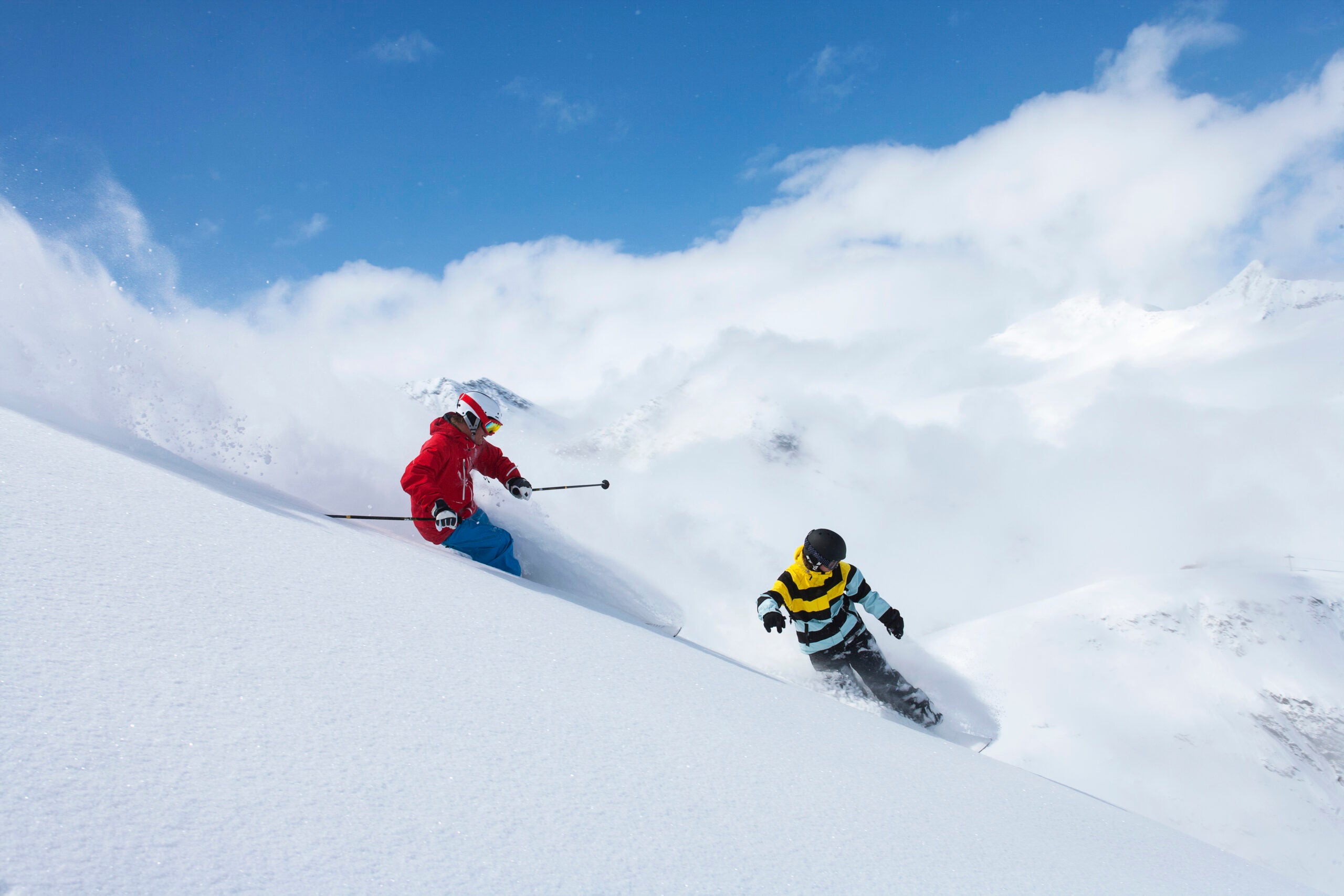
On Christmas morning of 2024, a seemingly idyllic day on the slopes of Winter Park, Colorado, turned into a painful and inconvenient ordeal for a skier who was struck from behind by a snowboarder, resulting in a fractured pelvis. The incident, which occurred on a clear, crisp morning with pristine corduroy conditions, left the skier sidelined for three months, a significant disruption to their winter season. While the immediate aftermath might have evoked thoughts of blame and potential legal recourse, the identity of the snowboarder complicated any notion of a simple grievance. The perpetrator, as it turned out, was the skier’s own husband, an inconvenient truth that shifted the narrative from one of external fault to an intimate, yet still painful, accident.
The collision, described as a high-speed impact, sent the skier airborne and resulted in a severe fracture of the pelvis, colloquially compared to a "peppermint Lifesaver" snapping. The skier, who was proceeding downhill on a predictable trajectory, only registered the approaching snowboarder in their peripheral vision milliseconds before impact. The snowboarder, a 215-pound individual standing 6’2”, was executing a toe-side turn and reportedly failed to see the skier in their blind spot. This miscalculation of trajectory led to a direct collision that sent shockwaves through the skier’s body, creating a sensation akin to legs being pulled apart, a visceral indicator of the significant pelvic injury.
Chronology of the Christmas Day Collision
The events of that Christmas morning unfolded as follows:
- Morning of December 25, 2024: The skier and their husband, both avid winter sports enthusiasts, head to Winter Park Resort for a Christmas Day ski session. Conditions are reported as ideal, with clear skies and well-groomed slopes.
- Mid-morning: While skiing on a run known as Hughes, the skier is struck from behind by their husband, who is snowboarding. The impact is severe, causing the skier to be thrown into the air and land forcefully on their back.
- Immediate Aftermath: The skier experiences significant pain, later diagnosed as a fractured pelvis. Ski patrol is alerted, and the skier is attended to on the slope.
- Transport to Medical Facility: The skier is transported to the emergency room at the base of the resort for evaluation and treatment.
- ER Assessment: Medical personnel confirm a pelvic fracture. During the initial assessment, a brief exchange occurs between the skier and their husband regarding the nature of the collision, with the skier initially stating, "He hit me from behind," and the husband countering, "We collided with each other."
- Follow-up Appointment: Within days, the skier attends a follow-up appointment with an orthopedic specialist. The fracture is assessed as non-displaced and not requiring surgery.
- Recovery Period: The skier is on crutches for less than two weeks but is advised to refrain from skiing for approximately three months to allow for bone healing.
- Return to Skiing: After the three-month recovery period, the skier gradually returns to the slopes, implementing new safety precautions when skiing with their husband.
The Anatomy of the Accident: Factors and Perceptions
The accident highlights several critical aspects of on-slope safety and personal dynamics:
1. Downhill Skiing vs. Uphill Snowboarding Dynamics: The fundamental principle of skiing and snowboarding safety dictates that the downhill skier or snowboarder has the right of way. The uphill rider or skier is responsible for avoiding those below them. In this instance, the snowboarder, by definition, was in an uphill position relative to the skier’s descent. However, the nature of their turns and the skier’s path created a convergence point. The skier described their own skiing style as "beeline straight down the fall-line in predictable short-swing turns," indicating a consistent and direct descent. Conversely, the husband’s "big toe-side turn" and subsequent failure to see the skier in his blind spot were identified as the immediate cause of the collision. This emphasizes the importance of constant situational awareness for all participants, regardless of their position on the slope.
2. The "Blind Spot" Phenomenon: The concept of blind spots is well-understood in automotive safety, but it also applies to the dynamic environment of ski slopes. Snowboarders, particularly during carving turns, can have significant blind spots, especially to their rear and sides. The skier’s sudden appearance in this blind spot, combined with the speed of both parties, created a high-risk scenario. Statistics from the National Ski Patrol Association indicate that collisions are a significant cause of skiing and snowboarding injuries, with contributing factors often including loss of control, speed, and failure to yield. While specific data for intra-family collisions is not readily available, the general principles of collision avoidance remain paramount.
3. The Psychological Impact of Intra-Family Accidents: The fact that the collision involved a spouse introduced a complex emotional layer to the incident. While the skier briefly considered legal ramifications, the perpetrator’s identity immediately quelled any such thoughts. This highlights the inherent tension between seeking accountability and maintaining personal relationships. The doctor’s advice during the follow-up appointment, referencing his own experience with a past on-slope accident involving his ex-wife and emphasizing the importance of forgiveness, further underscored this dynamic. The skier’s witty retort, "I noticed you said ‘ex-wife,’" subtly points to the long-term consequences that can arise from such incidents, even if unintentional.
The Inconvenient Truth and the Path to Forgiveness
The immediate aftermath of the crash presented the skier with a difficult question: how to process an injury inflicted by a loved one? While the accident was clearly unintentional, the three-month hiatus from a beloved activity weighed heavily. The skier pondered the concept of retribution, even contemplating a "simple five-step plan" to "even the score." This suggests a natural human inclination to seek a sense of balance or justice, even in the face of an accidental harm. However, the article subtly reveals that the true act of forgiveness occurred much earlier.
Back in the emergency room, witnessing the palpable distress on her husband’s face as the doctor explained the extent of her injuries, the skier recognized the depth of his remorse. This empathetic moment, amidst the pain and shock, marked the turning point. The physical injury was undeniable, requiring a period of healing and a temporary cessation of skiing. However, the emotional injury, or the potential for lingering resentment, was addressed in that very moment.
The doctor’s analogy of his own past accident and the necessity of forgiveness served as a poignant reminder. While the skier’s response was laced with humor, the underlying message resonated. Forgiveness, in this context, was not about condoning the action but about releasing the burden of anger and resentment to facilitate healing and preserve the relationship.
Broader Implications for Ski Slope Safety and Relationships
This personal narrative offers broader insights into the dynamics of ski safety and interpersonal relationships on the slopes:
1. The Importance of Communication and Pre-Ski Discussions: While not explicitly detailed, the incident underscores the value of open communication between skiing partners, especially spouses or family members. Discussing preferred skiing styles, comfort levels, and agreed-upon safety protocols before hitting the slopes can mitigate potential misunderstandings and collisions. This could include agreeing on designated meeting points, communication signals, and maintaining awareness of each other’s presence.
2. The Role of Risk Assessment and Skill Level: The accident, while attributed to a blind spot, also implicitly touches upon risk assessment. Both skiers and snowboarders must continually assess their surroundings, the terrain, and their own capabilities. For a partner to be struck from behind suggests a potential disconnect in awareness or an unexpected maneuver. Understanding and respecting the varying skill levels and tendencies within a skiing party is crucial.
3. The Power of Empathy in Conflict Resolution: The skier’s eventual forgiveness, rooted in observing her husband’s remorse, highlights the power of empathy in resolving conflict, even in the context of physical harm. Recognizing the emotional toll on the other party can often be more significant than the physical incident itself, fostering a path toward reconciliation.
4. Adapting Behavior Post-Incident: The concluding statement, "Now, when we ski together, I let the big guy go first," is a pragmatic adaptation to the incident. This simple change in routine reflects a learned behavior that prioritizes safety and minimizes the risk of a recurrence. It demonstrates a mature approach to managing a recurring activity that now carries a specific memory and a modified risk profile.
In conclusion, the Christmas Day collision at Winter Park serves as a powerful reminder that even within the most cherished activities and relationships, unexpected hazards can arise. The skier’s journey from the initial shock and pain to a place of understanding and forgiveness, despite a significant physical setback, underscores the resilience of the human spirit and the complexities of navigating accidents that occur close to home. The experience ultimately led to a deeper appreciation for safety on the slopes and a nuanced understanding of forgiveness, proving that sometimes, the most inconvenient truths can lead to the most profound lessons.
