

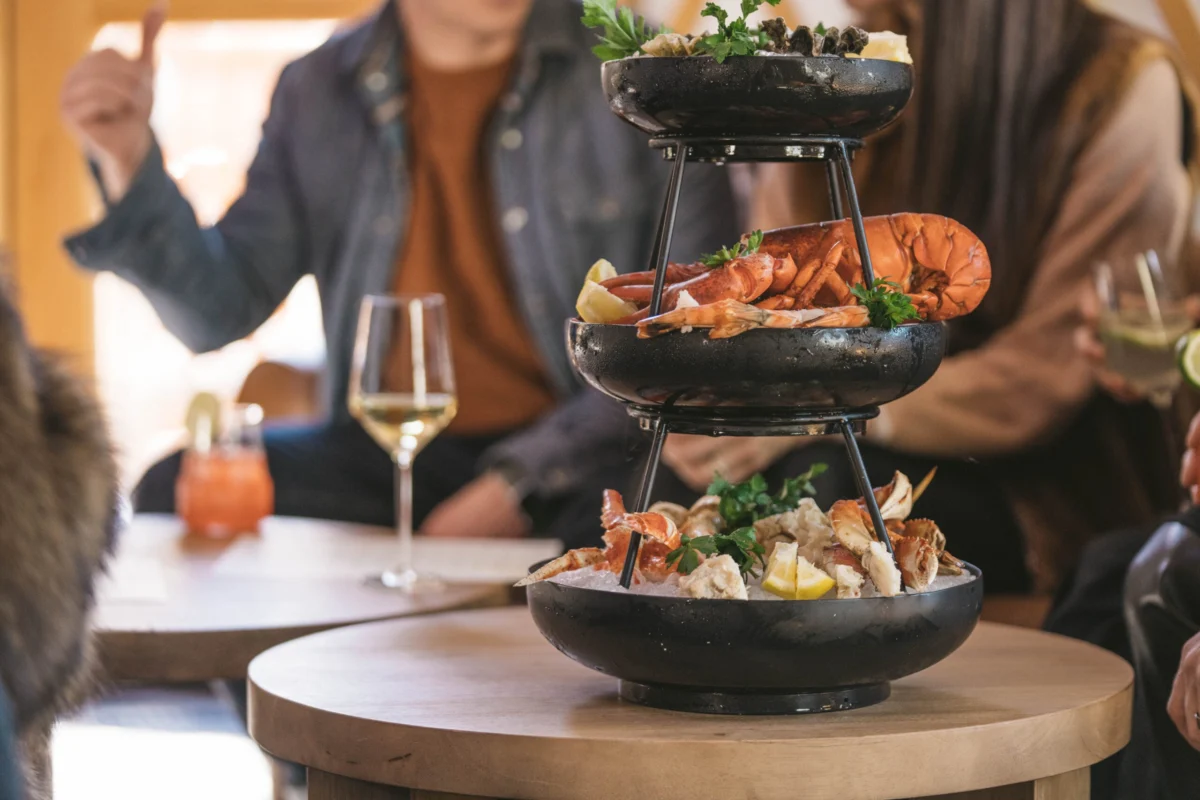
The culinary landscape of North American ski resorts has undergone a radical transformation over the last decade, shifting from utilitarian cafeterias to sophisticated gastronomic destinations. According to the 2026 SKI Magazine Reader Survey, the demand for high-quality, memorable dining experiences now rivals the demand for pristine snow conditions and advanced lift infrastructure. As travelers increasingly view ski vacations as comprehensive luxury experiences, resorts that invest in "mountain-to-table" initiatives, international wine programs, and diverse apres-ski environments are securing the highest levels of guest loyalty.
This year’s rankings highlight a distinct trend: the integration of authentic town culture with resort-managed services. While on-mountain dining remains a critical factor for midday convenience, the availability of high-end dinner options in neighboring base villages often dictates a resort’s overall standing. The following analysis details the top ten resorts in the Western United States and Canada that have successfully balanced slope-side nourishment with world-class evening hospitality.
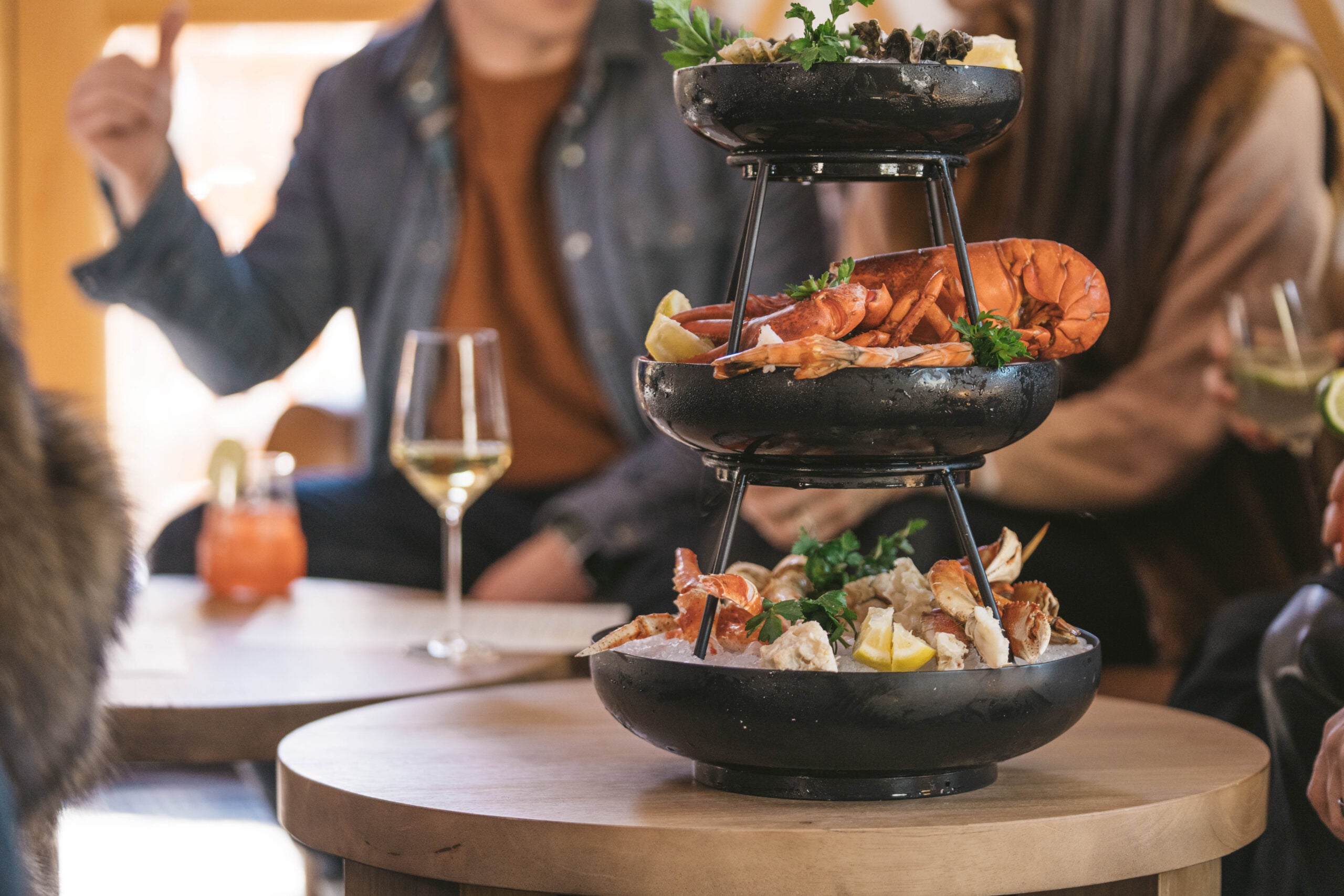
10. Vail Mountain, Colorado: The Luxury Powerhouse
Vail Mountain maintains its position in the top ten with a score of 7.87. Long recognized as a titan of the Colorado ski industry, Vail’s dining scene is characterized by its sheer scale and the variety offered within Vail Village and Lionshead. Readers praised the resort for providing a "real vacation" feel, bolstered by a wide array of high-end shopping and diverse dining options.
However, the resort faces persistent challenges regarding accessibility and cost. Analysis of reader feedback indicates that while the food quality is high, the "Value" and "Parking" categories remain significant weaknesses. The high cost of entry—both in terms of lift tickets and meal prices—creates a barrier for some visitors. Despite these economic hurdles, Vail’s strengths in "Apres" and "Nightlife" ensure it remains a premier destination for those seeking a vibrant social scene after the lifts close.
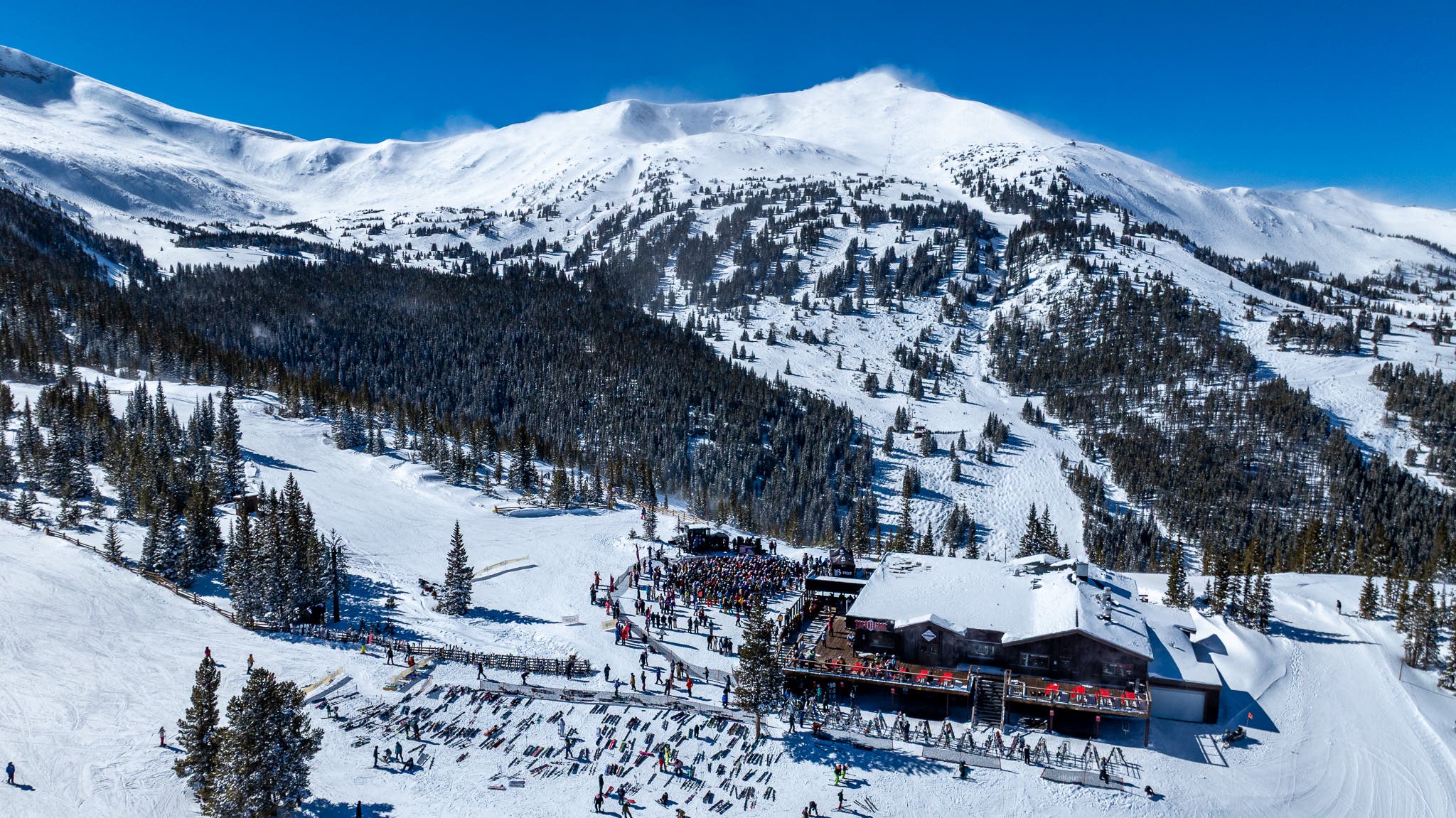
9. Breckenridge Resort, Colorado: Authentic Town Integration
Breckenridge follows closely with a score of 7.91. The resort’s primary advantage is its seamless connection to an authentic, historic mining town. Unlike "manufactured" resort villages, Breckenridge offers a walkable downtown area with a robust selection of independent restaurants and bars. Readers highlighted the efficiency of the local bus system and the proximity of the town to the slopes as major logistical benefits.
The resort’s strengths lie in its "Lodging" and "Apres" offerings, though it saw lower marks for "Snow Quality" and "Safety" during the most recent season. The ability to transition from a day of skiing directly into a historic district with dozens of dining options remains a significant draw for the "Breck" demographic, which values local character over corporate uniformity.
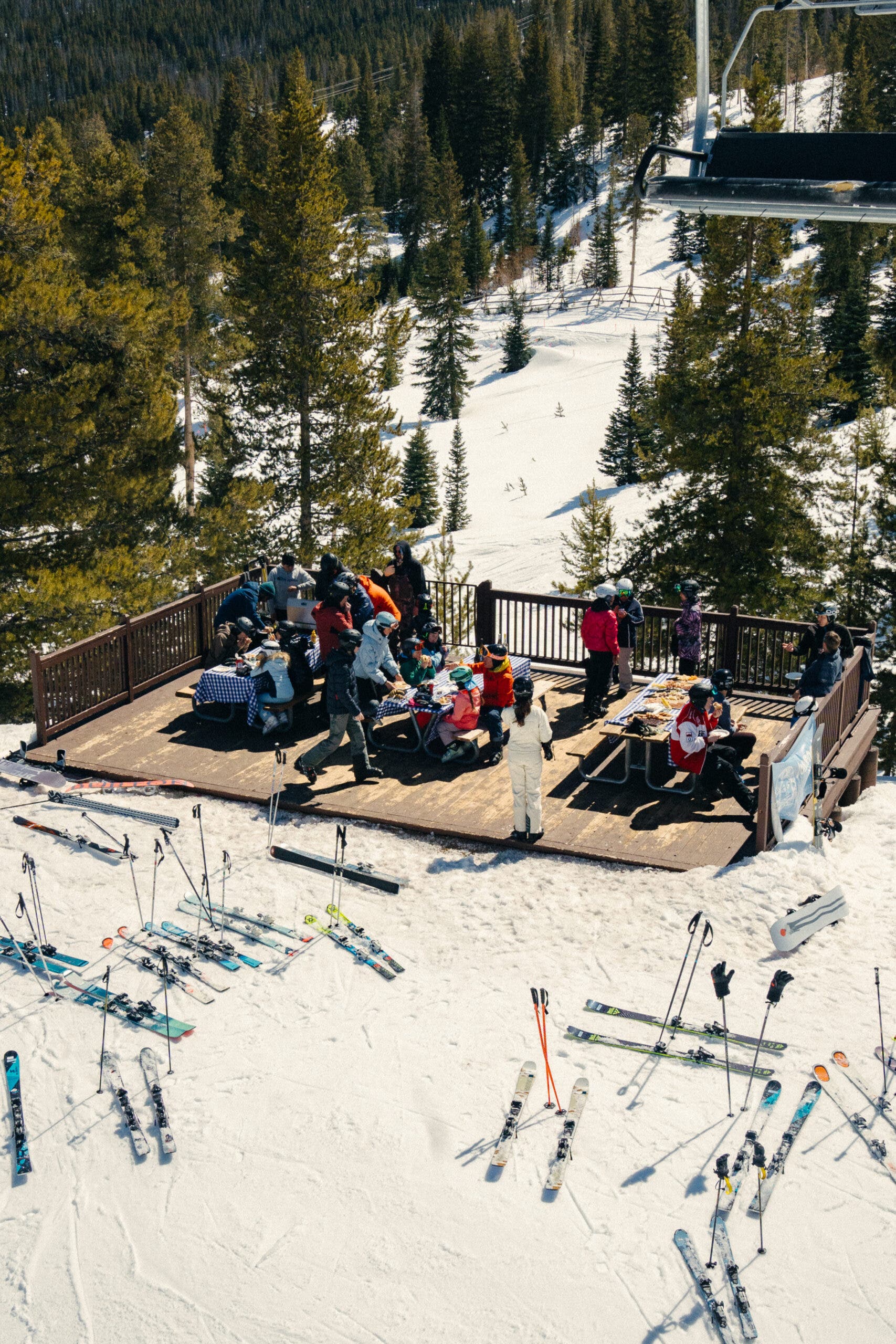
8. Tamarack Resort, Idaho: The Emerging Hidden Gem
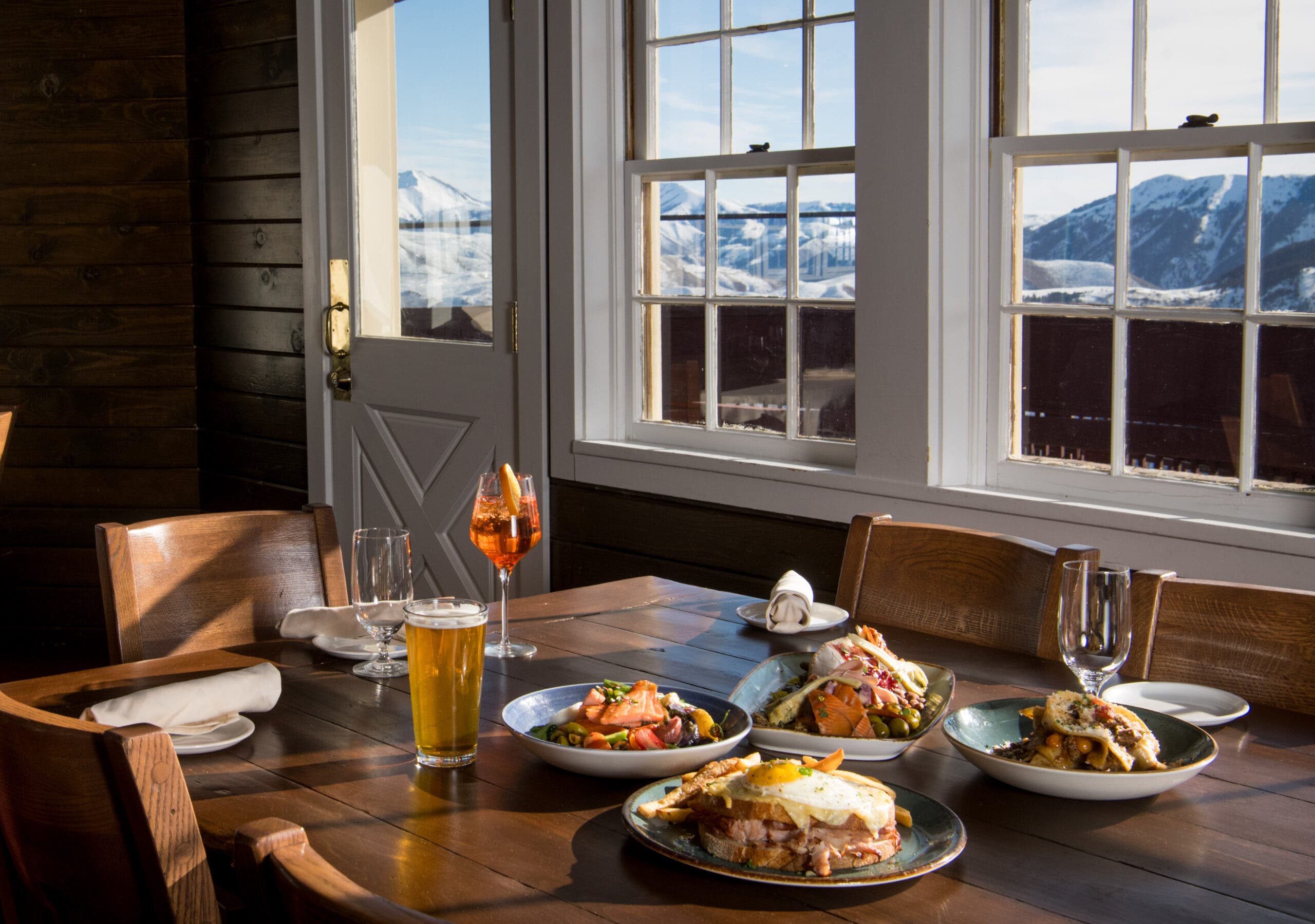
Tamarack Resort in Idaho secured the eighth spot with a score of 7.94, making it one of the few smaller-scale resorts to break into the top ten. Readers frequently referred to Tamarack as a "hidden gem," noting the lack of crowds and the high quality of the Mid-Mountain Lodge. The resort’s staff earned praise for their friendliness, and the dining experience was noted for being "delicious" and well-integrated with the mountain views.
Tamarack’s high scores in "Parking" and "Safety" suggest a more relaxed, family-friendly atmosphere compared to the high-traffic hubs of Colorado and Utah. While it lacks the "Local Flavor" and "Challenge" of some competitors, its consistent performance in food service indicates that smaller resorts can compete on quality by focusing on guest intimacy and high-standard grooming.
7. Beaver Creek, Colorado: The Pinnacle of Guest Service
Beaver Creek earned a score of 8.00, solidifying its reputation for "white-glove" service. The resort is often viewed as the more refined sibling to Vail, focusing on a curated experience that includes fine dining and luxury lodging. Readers noted that Beaver Creek delivers a superior combination of skiing and dining, with many highlighting the resort’s ability to cater to those who enjoy tree skiing and moguls in addition to gourmet meals.
The "Guest Service" at Beaver Creek remains its standout feature, though it shares Vail’s weaknesses in "Parking" and "Value." The resort’s commitment to the guest experience—exemplified by its famous slope-side cookie distribution and high-end mountain cabins—continues to attract a loyal base of affluent travelers who prioritize comfort and culinary excellence.
6. Steamboat Resort, Colorado: Western Heritage and Local Flavor
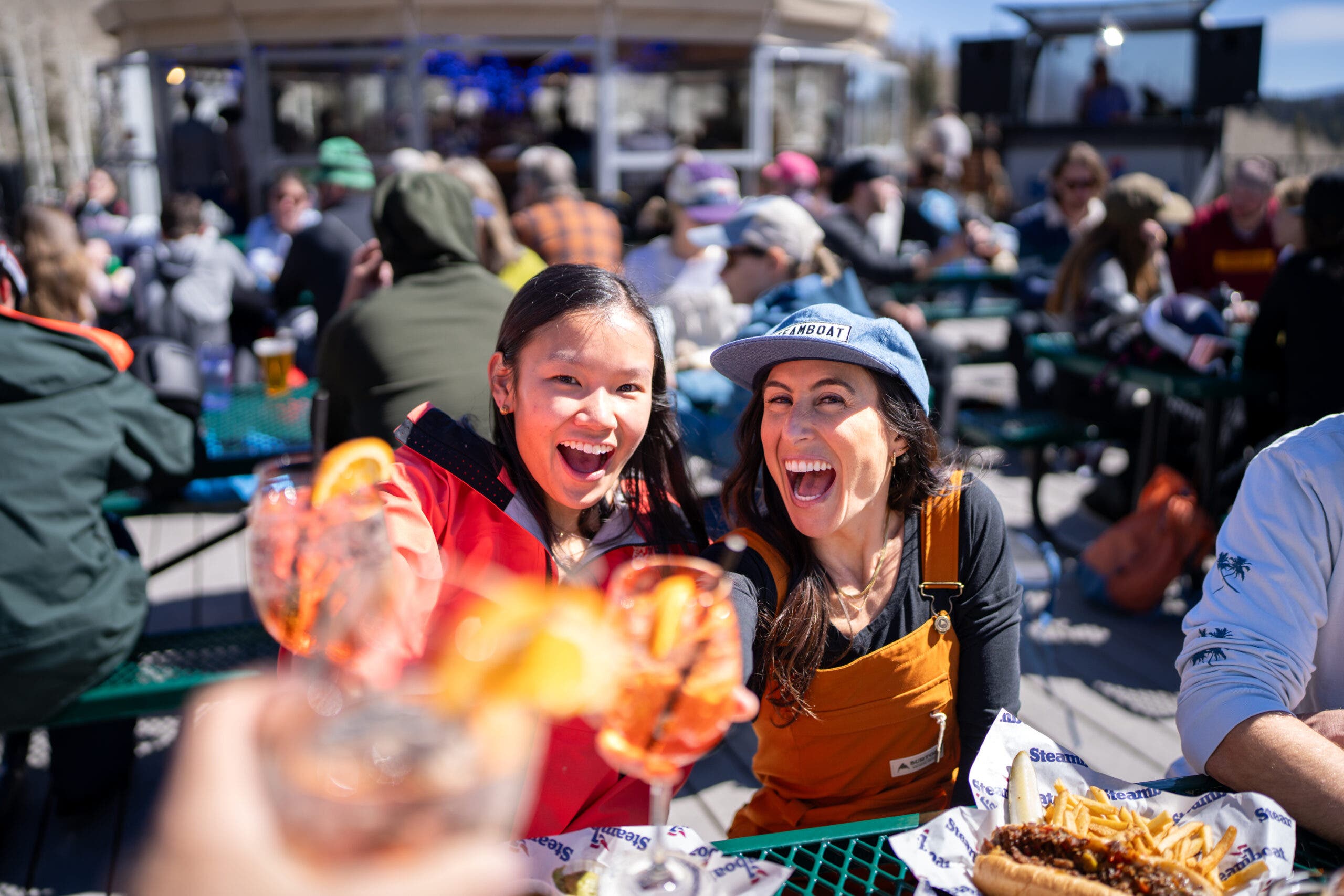
Steamboat Resort, often referred to as "Ski Town, USA," scored 8.01. The resort is celebrated for its "Local Flavor" and "Apres" scene, which reflects the town’s deep-rooted ranching and Western heritage. Readers appreciated the variety of terrain and the friendliness of the locals, noting that the food options both on the mountain and in town are consistently high-quality.
The "ski-in/ski-out" nature of many Steamboat properties, combined with an open-air entertainment atmosphere, makes it a favorite for families and groups. While "Challenge" and "Grooming" were cited as minor weaknesses this year, the overall vibe of the resort—defined by its genuine hospitality and robust dining scene—keeps it high in the rankings.
5. Snowbasin Resort, Utah: Day-Trip Excellence and Olympic Infrastructure
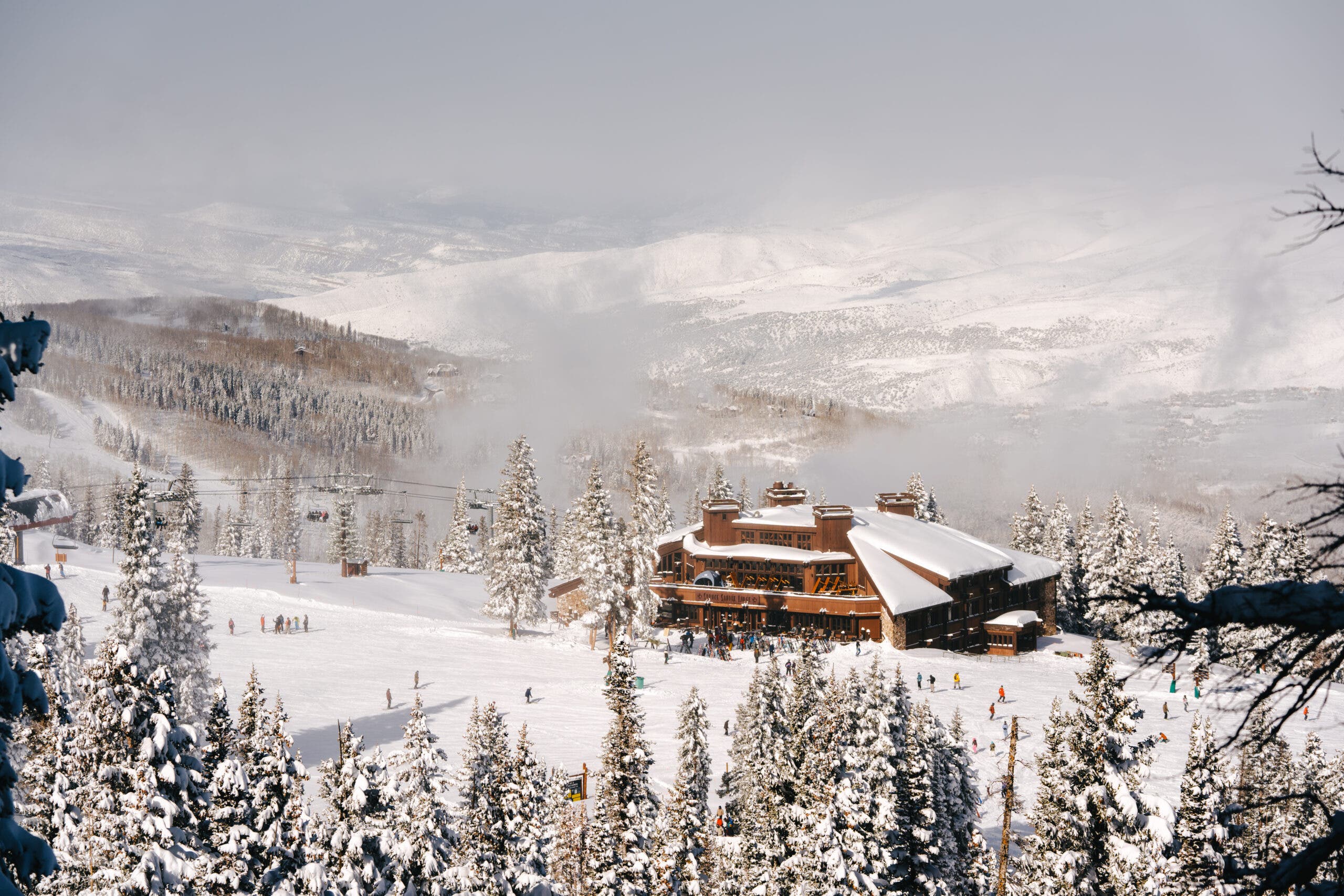
Snowbasin Resort in Utah achieved a score of 8.20, largely due to its world-class lodge facilities. Built to accommodate the 2002 Winter Olympics, the resort’s lodges feature opulent finishes, such as brass fixtures and marble restrooms, which extend to its dining halls. Readers praised the "unmatched variety" of the food and the spectacular views afforded by the mountain’s unique topography.
Snowbasin’s primary strengths are "Access" and "Parking," making it a favorite for those staying in nearby Ogden or Salt Lake City. However, a lack of "Lodging" and "Nightlife" prevents it from ranking higher as a multi-day destination. For day skiers, the food quality is often cited as the best in the region, offering a level of sophistication rarely seen in non-residential resorts.
4. Aspen Snowmass, Colorado: The Global Standard for Sophistication
Aspen Snowmass scored 8.51, reflecting its status as a global epicenter for luxury and culture. Readers described the food as "superior to most all other resorts," noting that even with high pricing, the preparation and quality are "fantastic." The resort complex, which includes four distinct mountains, offers a dining portfolio that ranges from casual mountain grills to Michelin-recommended fine dining in the town of Aspen.
Despite weaknesses in "Parking" and "Value," Aspen Snowmass remains the gold standard for many because of its "Apres" and "Nightlife." The town’s ability to provide a cosmopolitan dining experience in a remote mountain setting is a feat few other resorts can replicate. Analysis of the survey data shows that Aspen guests are generally more willing to accept high costs in exchange for what they perceive as "superior" preparation and variety.
3. Sun Valley, Idaho: Historic Prestige and Modern Service
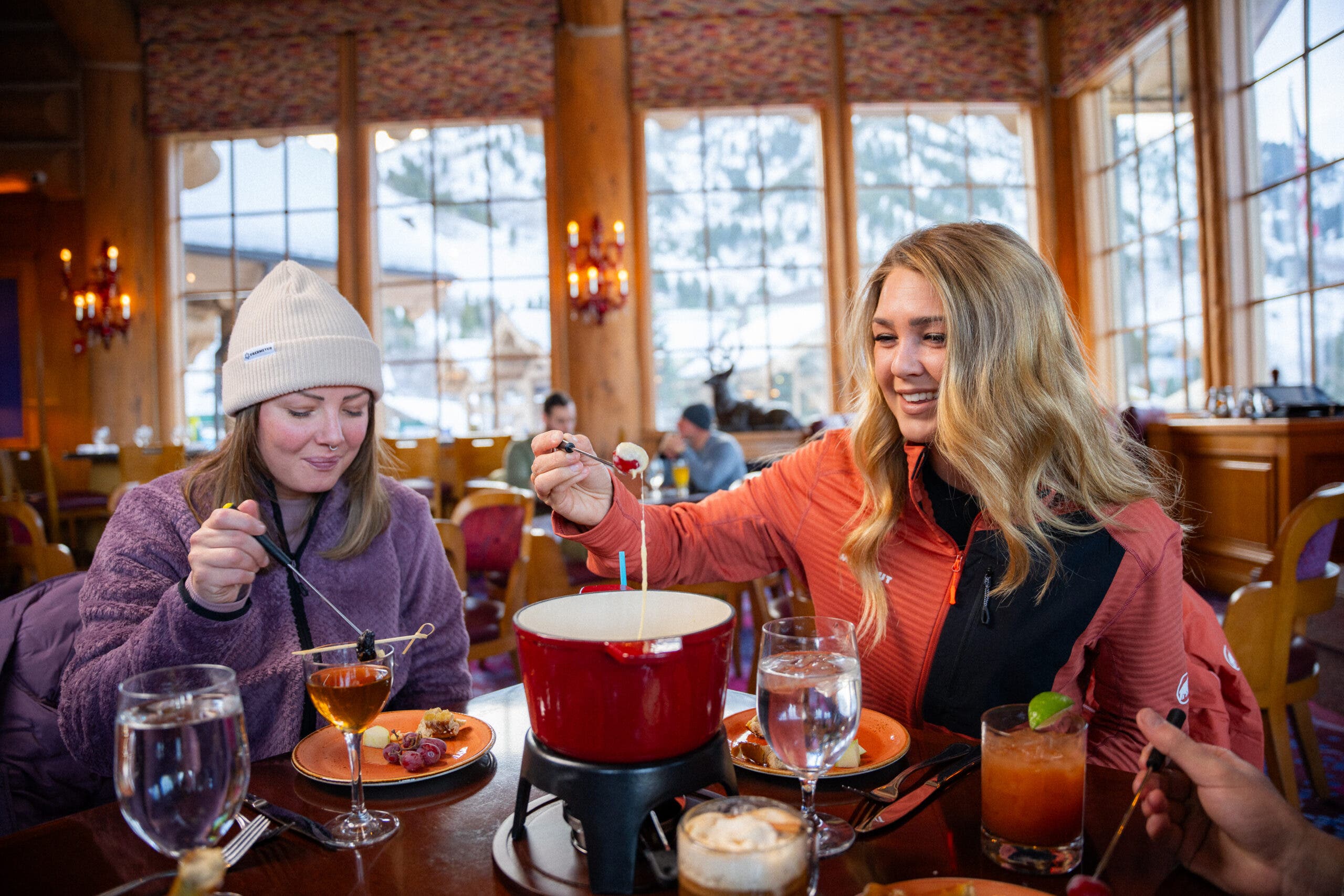
Sun Valley Resort took the third spot with a score of 8.69. As America’s first destination ski resort, Sun Valley has a long history of catering to a discerning clientele. Readers praised the "very authentic vibe" and the absence of lift lines. The resort’s dining options were described as "the best in the world" by some respondents, with a particular emphasis on the inclusion of high-quality vegan and vegetarian options.
Sun Valley’s staff earned high marks for courtesy, and the resort’s ability to maintain high standards during low-snow years through aggressive snowmaking and grooming was noted. While it may lack "Terrain Variety" for extreme skiers, its focus on "Lifts," "Parking," and a top-tier culinary program makes it a perennial favorite for those seeking a refined, stress-free vacation.
2. Whistler Blackcomb, British Columbia: International Scale and Variety
Whistler Blackcomb, the only Canadian entry in the top ten, earned a score of 8.90. The resort’s scale is nearly unparalleled in North America, and its base village offers a staggering array of international dining options. Readers highlighted the "reliable base of snow" and the "fantastic lodging and dining" as key reasons for its high ranking.
The village’s design allows for a vibrant pedestrian experience where guests can choose from casual pubs to world-class sushi and French bistros. While "Access" and "Safety" (often due to the sheer volume of skiers) were noted as weaknesses, the sheer diversity of the culinary and skiing terrain makes Whistler a dominant force in the industry.
1. Deer Valley, Utah: The Undisputed Leader in Luxury
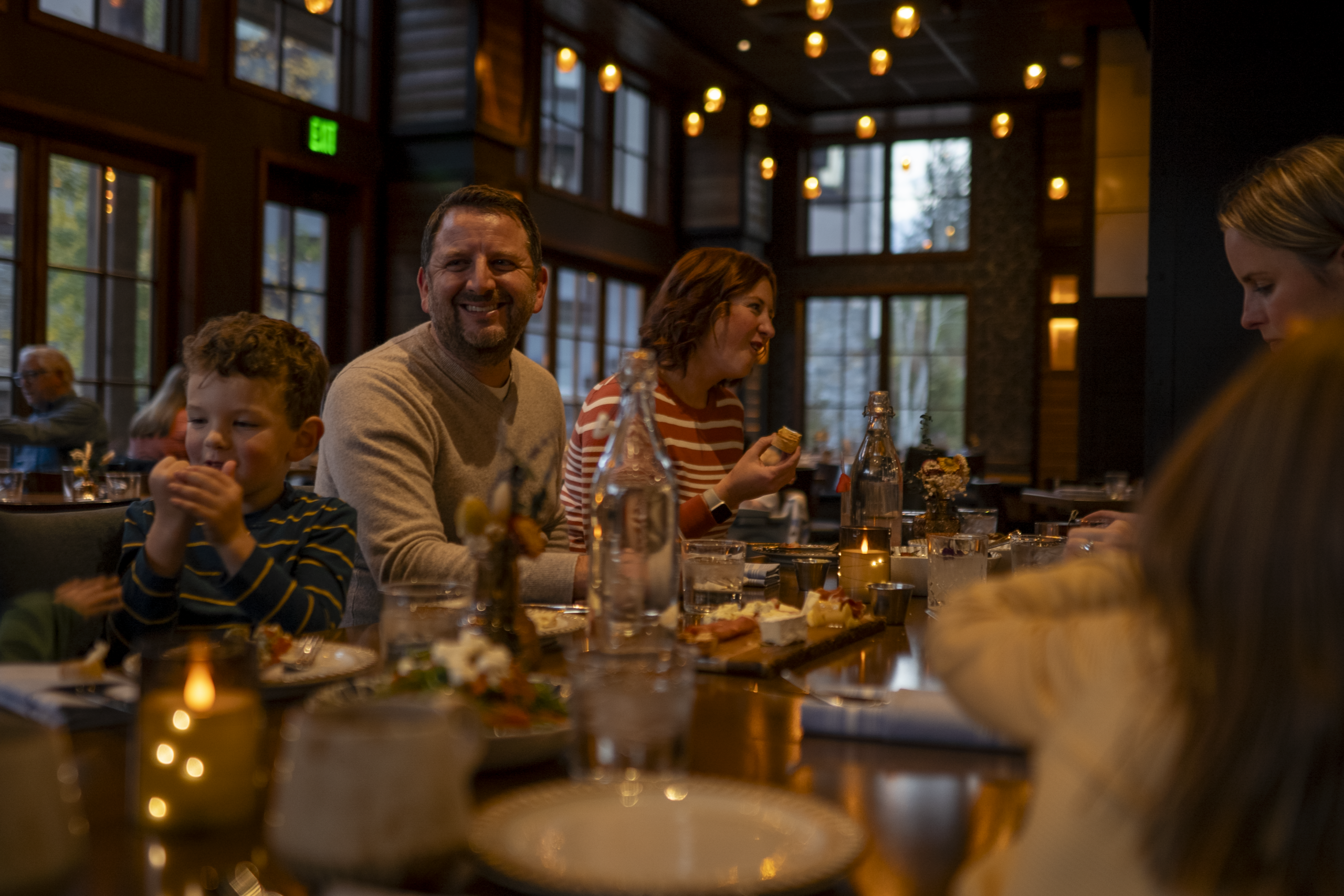
Deer Valley Resort reclaimed the number one spot with a score of 8.92. Long known for its "ski-only" policy and obsessive attention to detail, Deer Valley has made culinary excellence a core part of its brand identity. Readers consistently referred to the resort as the "gold standard" for customer service and food quality. The resort’s famous turkey chili and gourmet buffet options have become iconic elements of the Utah ski experience.
The survey data indicates that Deer Valley excels in "Grooming" and "Guest Service," creating an environment where the dining experience is as much of a draw as the skiing itself. While "Value" and "Challenge" are recognized weaknesses, the resort’s target demographic remains largely unaffected by price points, prioritizing the "first-rate" choices and "outstanding" staff.
Chronology of the 2025-2026 Season
The 2025-2026 ski season was characterized by volatile weather patterns, which placed an increased emphasis on resort amenities beyond the slopes. Early-season snow droughts in parts of Colorado and Idaho forced many resorts to rely on their dining and nightlife programs to maintain guest satisfaction.
- November 2025: Resorts in the Rockies opened with limited terrain; the focus shifted to base-area events and indoor dining.
- January 2026: A mid-season surge in snowfall improved conditions at Whistler and Sun Valley, but high-traffic periods led to complaints regarding parking and lift line management at Vail and Breckenridge.
- March 2026: The SKI Magazine survey period concluded, showing a marked increase in "Dining" as a priority for travelers compared to the previous five-year average.
Economic Impact and Industry Implications
The high scores in dining among these top ten resorts correlate strongly with their economic performance. According to industry analysts, "non-ski revenue"—which includes food, beverage, and retail—now accounts for approximately 30% to 40% of total resort income at high-end destinations like Deer Valley and Aspen.
The trend toward "premiumization" in the ski industry is driven by a demographic that seeks a holistic travel experience. This shift has led to a competitive arms race in the culinary sector, with resorts hiring celebrity chefs and investing in sustainable, locally sourced ingredients to differentiate themselves. Furthermore, the data suggests that resorts with high dining scores are better equipped to withstand "low-snow" years, as the culinary and social aspects of the trip provide a safety net for guest satisfaction.
Official Responses and Market Sentiment
Representatives from the top-ranked resorts have noted that the feedback from the 2026 survey will inform future infrastructure investments. A spokesperson for Deer Valley indicated that the resort plans to further expand its culinary offerings in its new base area development, aiming to maintain its lead in the "Guest Service" category. Meanwhile, resorts like Vail and Beaver Creek are reportedly exploring new parking solutions to address the consistent weaknesses identified by readers.
The consensus among industry experts is that the "Dining" category will only grow in importance. As the "Ikon vs. Epic" pass war continues to stabilize, resorts are looking for ways to capture guest spending once they are on the mountain. Providing a meal that is "worth getting out of the hot tub for" is no longer a luxury—it is a strategic necessity in the modern ski market.
