

The global winter sports equipment market, valued at approximately $14 billion in 2025, continues to witness a significant shift toward technical specialization and performance-oriented consumer behavior. As skiing evolves from a seasonal recreation into a year-round lifestyle for a dedicated demographic, the requirements for gear have transitioned from general-purpose apparel to highly specific, engineered solutions. For the "hardcore" skier—those who prioritize vertical feet, backcountry access, and technical progression—the selection of equipment is no longer dictated by aesthetic appeal but by functional utility, durability, and physiological recovery.
Industry data suggests that the modern skier is increasingly invested in the "quantified self" and advanced thermoregulation. This trend is reflected in the 2026-2027 product cycle, where brands are integrating biometric feedback, recycled high-performance textiles, and professional-grade recovery tools into the consumer market. This report analyzes the essential equipment and innovations currently defining the high-end ski market, categorized by their impact on performance, safety, and athlete longevity.
Advanced Thermoregulation and Technical Apparel
The science of layering has progressed beyond simple insulation to strategic "zoning." Modern technical apparel now focuses on moisture management and targeted warmth, recognizing that different parts of the body require different micro-climates during high-output activities like uphill touring or aggressive resort skiing.
Mid-Layer Innovations: Stio and Beringia
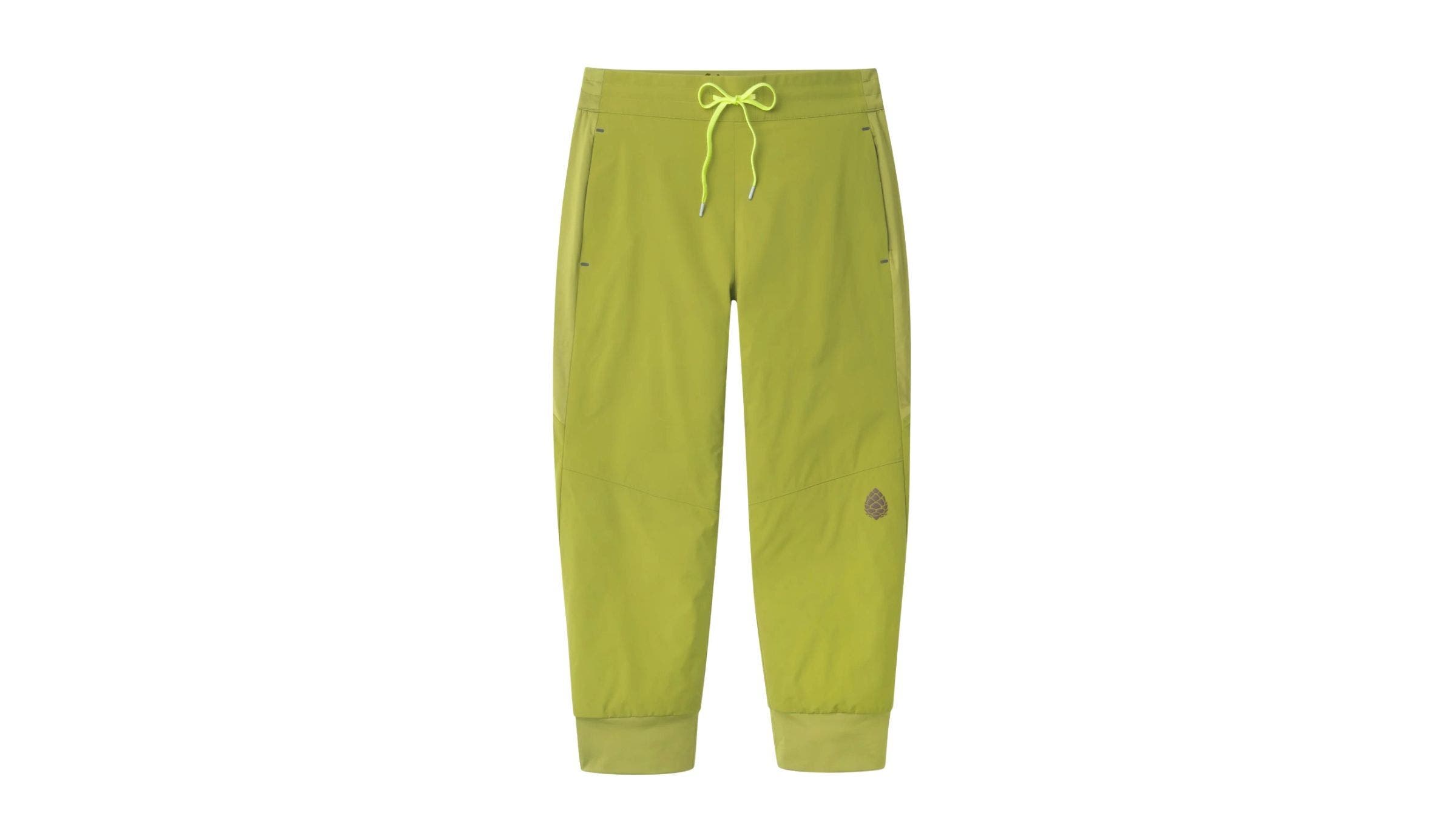
The Stio Women’s Fernos Insulated Knicker represents a growing category in alpine apparel: the targeted insulator. Designed to be worn over base layers, these 3/4-length pants address a common physiological complaint among lift-access skiers—conductive heat loss during sedentary periods on chairlifts. By providing synthetic insulation specifically for the glutes and thighs without adding bulk to the lower leg (which would interfere with boot fit), these knickers optimize the warmth-to-weight ratio.
Similarly, the Beringia Lightstream series emphasizes the importance of weight-conscious warmth. The Lightstream Full Zip Hoodie, weighing only 9.8 ounces, utilizes Vivo Extreme insulation. This technology is strategically zoned, featuring 60 grams in the core and collar where heat retention is critical, and 25 grams in high-perspiration areas like the underarms. This reflects a broader industry move toward "active insulation," which allows for breathability during exertion while maintaining a thermal barrier during rest.
The Professional Standard: The North Face and U.S. Ski Team
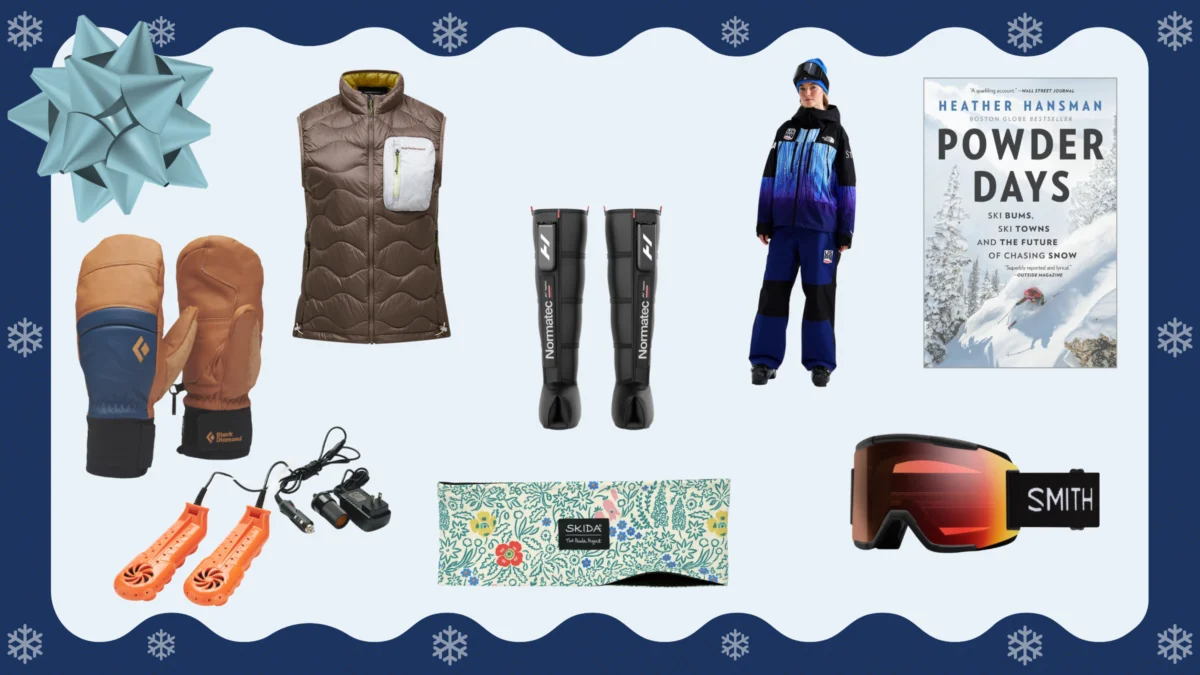
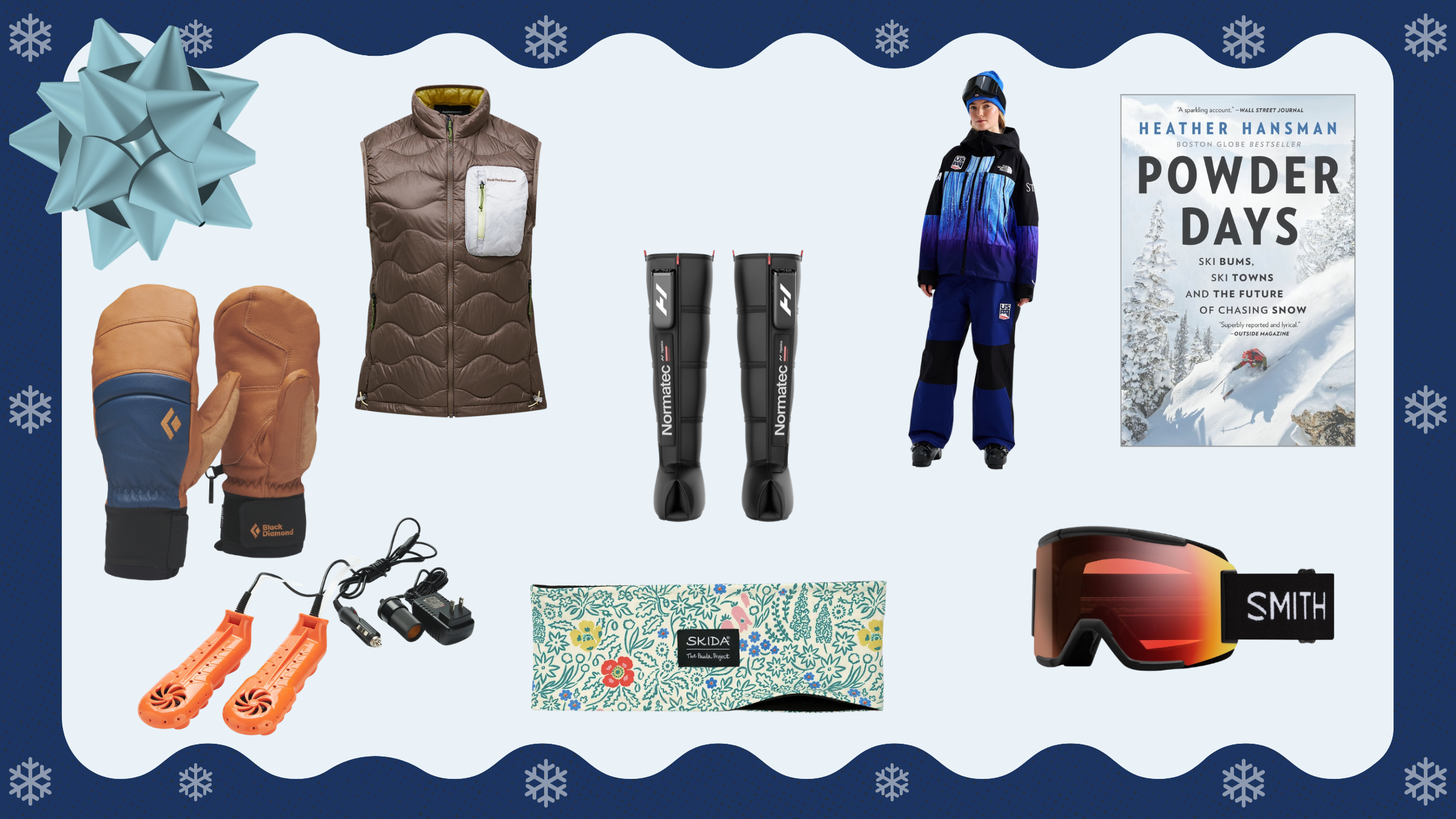
In a landmark eight-year agreement, The North Face has become the official outfitter for the U.S. Ski & Snowboard teams, covering both alpine and freestyle disciplines through 2032. The consumer release of the Comp Team GORE-TEX Freestyle 2L and Alpine 3L kits marks a significant moment in the 2026 season. These garments utilize multi-layer GORE-TEX membranes, providing a waterproof rating of 28,000mm, the gold standard for heavy precipitation and high-velocity wind protection. The integration of "freestyle" versus "alpine" cuts acknowledges the divergent ergonomic needs of different skiing styles, with the freestyle line offering a more relaxed fit for range of motion and the alpine line prioritizing aerodynamic efficiency and weight.
Optical Precision and Visual Technology
The evolution of lens technology remains a primary focus for safety and performance. High-altitude environments present unique challenges, including intense UV radiation and "flat light" conditions that obscure terrain hazards.
Smith Squad and ChromaPop Technology
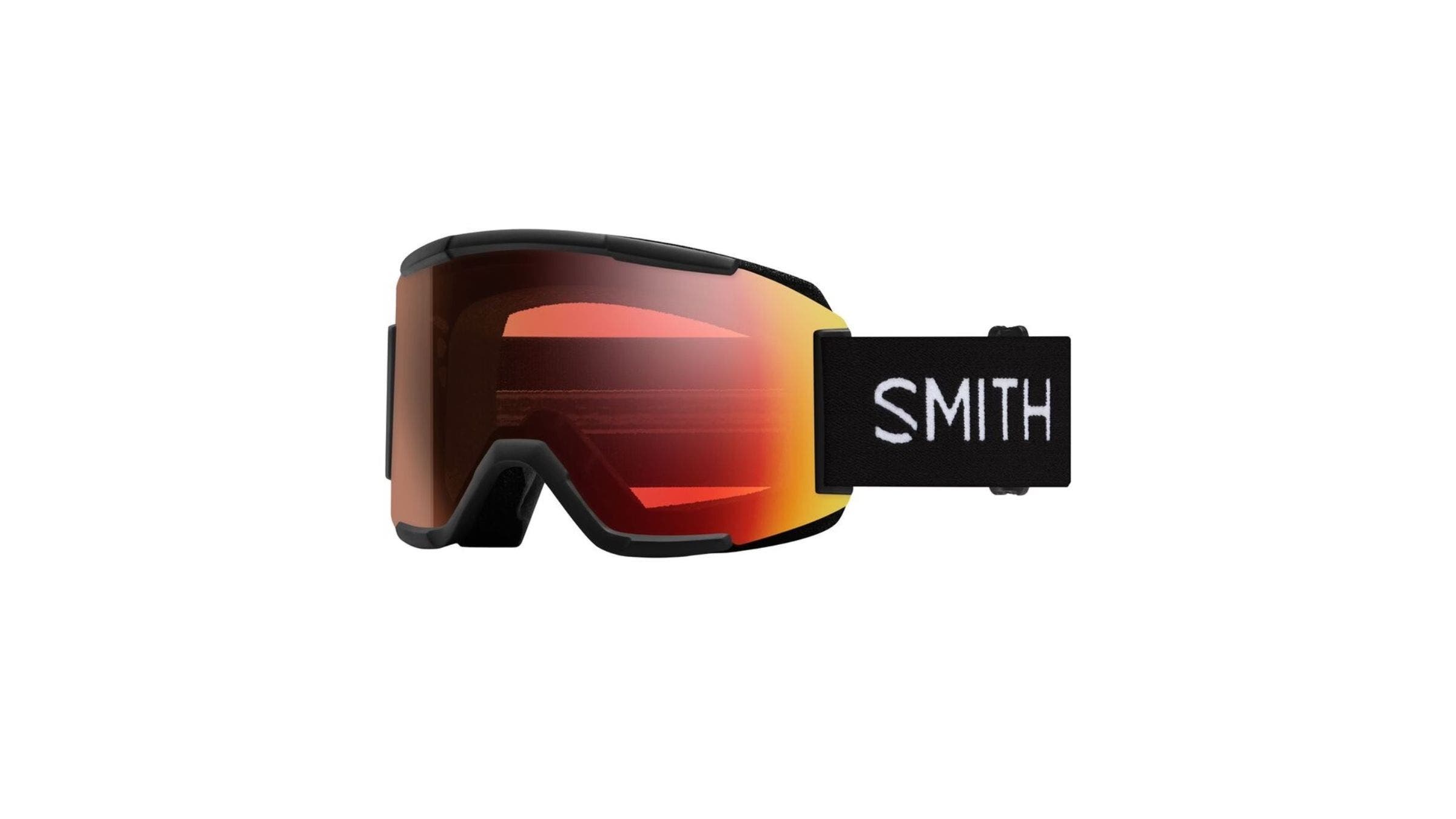
The Smith Squad series continues to be a benchmark for reliability in the mid-range to high-end market. The core of its efficacy lies in the ChromaPop lens technology, which filters light at two specific wavelengths to eliminate color confusion. This results in greater definition, more natural color, and enhanced clarity. By moving away from magnetic lens systems in this specific model, Smith prioritizes a secure mechanical "click-in" fit, which many professional skiers prefer for high-impact scenarios where a magnetic slip could result in lens loss.
The Rise of Recovery Tech and Biometrics
As the average age of the "hardcore" skier increases and the intensity of the sport rises, recovery has become as vital as the descent itself. The 2026 market has seen a surge in portable physiotherapy devices designed specifically for the rigors of cold-weather athletics.
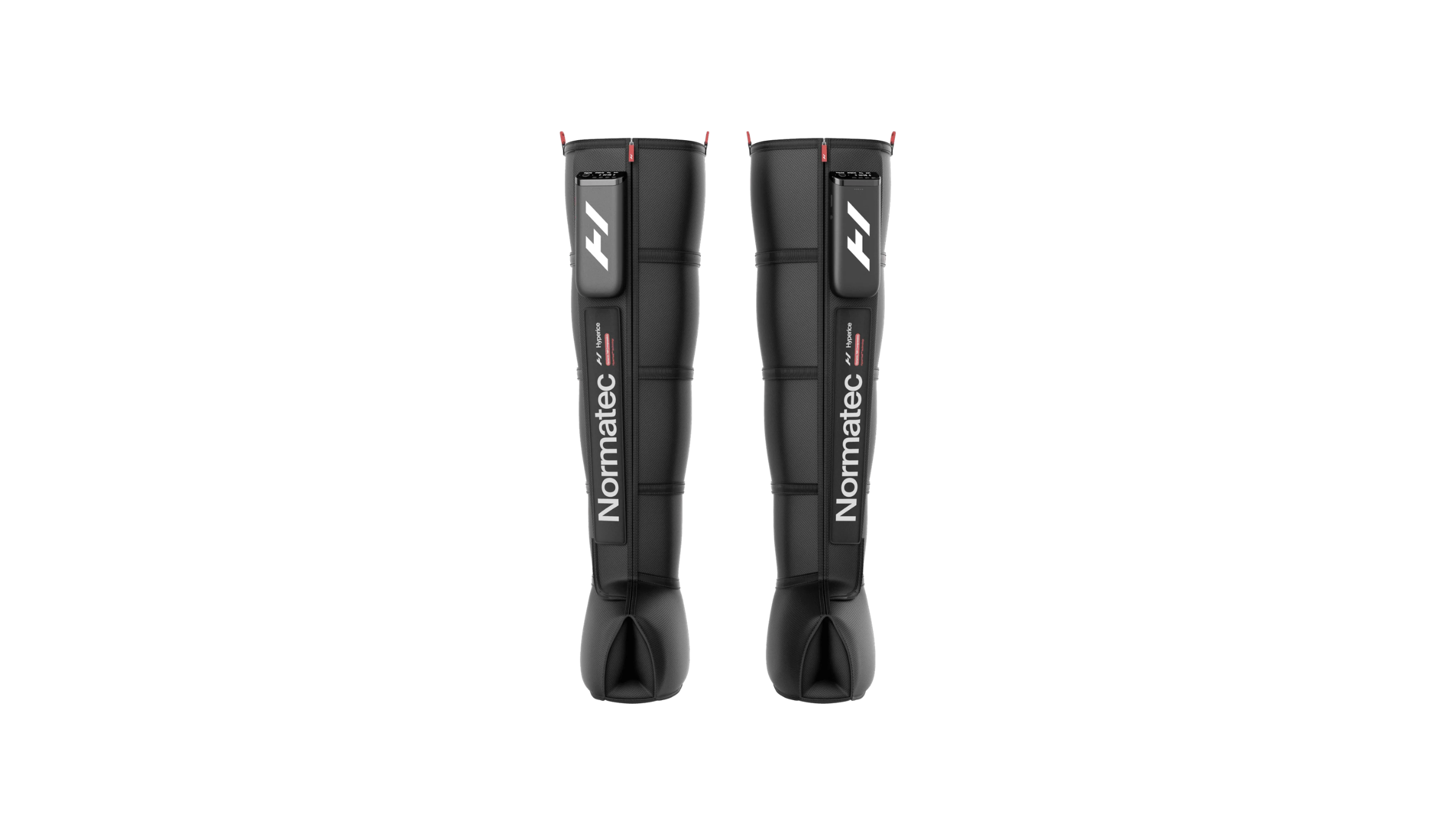
Normatec Elite Heat: Pneumatic Compression and Thermal Therapy
The Normatec Elite Heat Legs represent the pinnacle of post-ski recovery. This system utilizes dynamic air compression to mimic the "muscle pump" of the legs, enhancing blood flow and accelerating the removal of metabolic waste like lactate. The 2026 update adds integrated heat therapy, a critical addition for skiers dealing with cold-induced vasoconstriction. By combining heat with pressure, the device addresses muscle stiffness more effectively than traditional compression alone. Industry analysts note that such "pro-sumer" devices are becoming standard equipment in ski houses and boot bags, reflecting a professionalization of the amateur experience.
Carv 2: The Digital Coaching Revolution
The Carv 2 Ski Coach is perhaps the most significant technological disruption in ski instruction in the last decade. Utilizing pressure sensors and motion-sensing hardware (IMUs) attached to the boot, Carv analyzes technique across metrics such as edge angle, pressure distribution, and turn shape. The 2026 iteration offers real-time audio coaching, turning the mountain into a digital laboratory. This device addresses a specific market gap: the advanced skier who has plateaued and requires granular data to improve.
Essential Hardware and Safety Equipment
While high-tech gadgets garner headlines, the "hardcore" skier relies on a foundation of "bombproof" hardware. These items are often the difference between a successful day and a gear-related failure in the backcountry.
Hestra and Black Diamond: Hand Protection
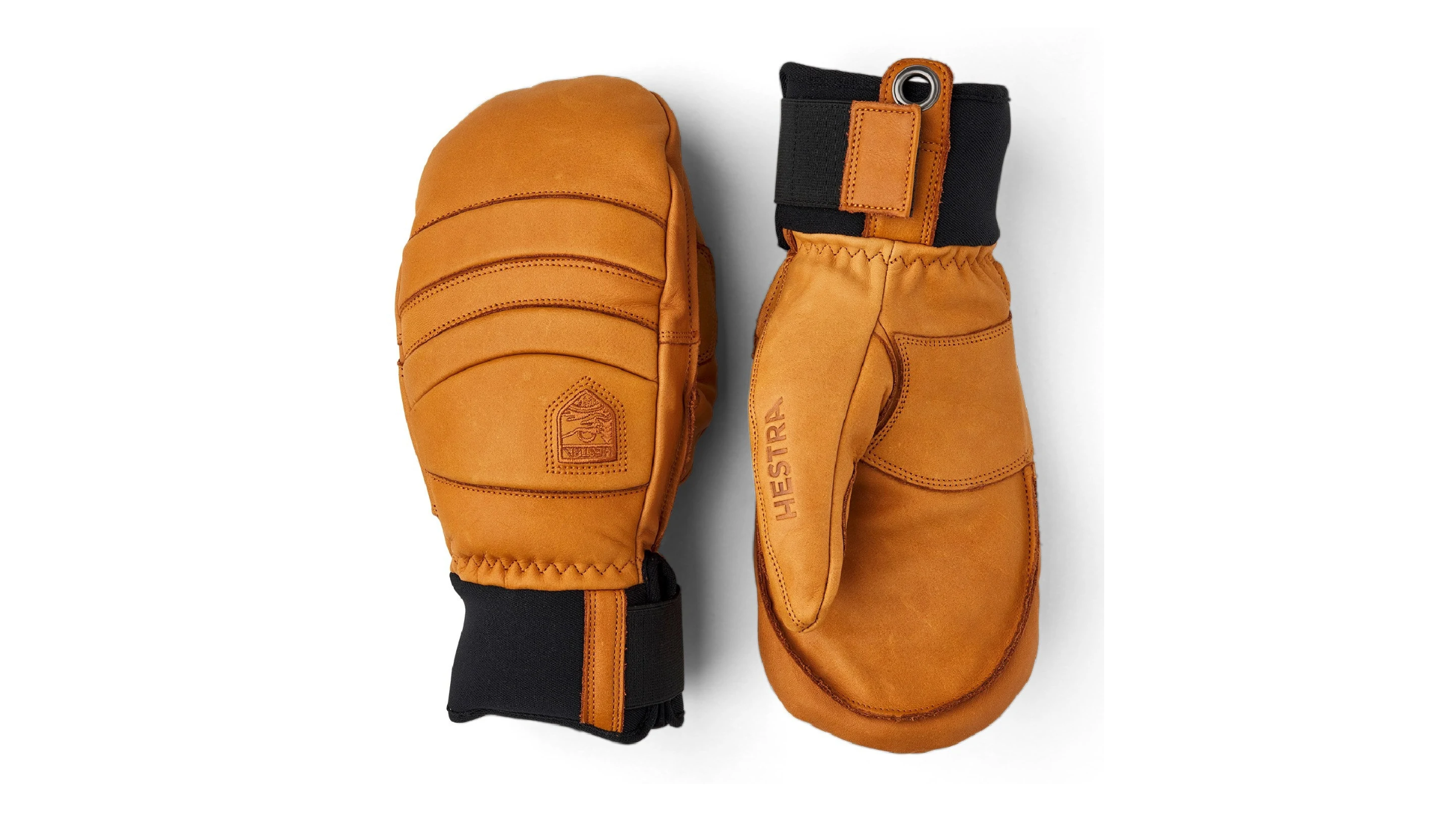
The Hestra Fall Line and Black Diamond Spark Mittens represent two different philosophies in handwear. Hestra utilizes treated cowhide and brushed polyester, focusing on longevity and the "broken-in" feel that professional patrollers and guides demand. Black Diamond, conversely, integrates fun aesthetic elements—like the "shark teeth" embroidery—with technical short-gauntlet designs. Both brands have moved toward under-cuff designs, which provide a sleeker interface with technical jacket sleeves, preventing snow ingress during falls or deep powder skiing.
The Utility of the Voile Strap
Often cited as the most versatile tool in the industry, the Voile Strap remains a staple of the "hardcore" kit. Originally designed to hold skis together, these polyurethane straps are now used for emergency repairs to boot buckles, skins, and backpacks. Their resilience in sub-zero temperatures makes them superior to zip ties or duct tape, which can become brittle or lose adhesion in extreme cold.
Market Context and Broader Implications
The current state of ski gear reflects broader socio-economic and environmental trends. The 2026 season highlights a push toward sustainability, as seen in the Vuori Men’s Echo Insulated Jacket 3.0, which utilizes recycled shells and PrimaLoft insulation. As the ski industry faces the realities of shorter winters and more volatile weather patterns, the demand for "all-condition" gear has never been higher.
Socio-Cultural Reflection: "Powder Days"
The inclusion of literature like Powder Days by Heather Hansman in the 2026 gift cycle indicates a growing self-awareness within the ski community. The book examines the "ski bum" culture against the backdrop of rising costs and climate change. It serves as a reminder that while the gear is becoming more advanced, the environment that sustains the sport is increasingly fragile. This cultural context is driving a shift toward "quality over quantity," where skiers invest in durable, high-end gear that reduces the need for frequent replacements.
Conclusion and Strategic Outlook
For the 2026 holiday season and the 2027 winter cycle, the "hardcore" skier’s needs are defined by a convergence of high-performance textiles, digital feedback, and physiological maintenance. From the U.S. Ski Team-inspired kits of The North Face to the data-driven insights of Carv 2, the barrier between professional and recreational equipment continues to erode.
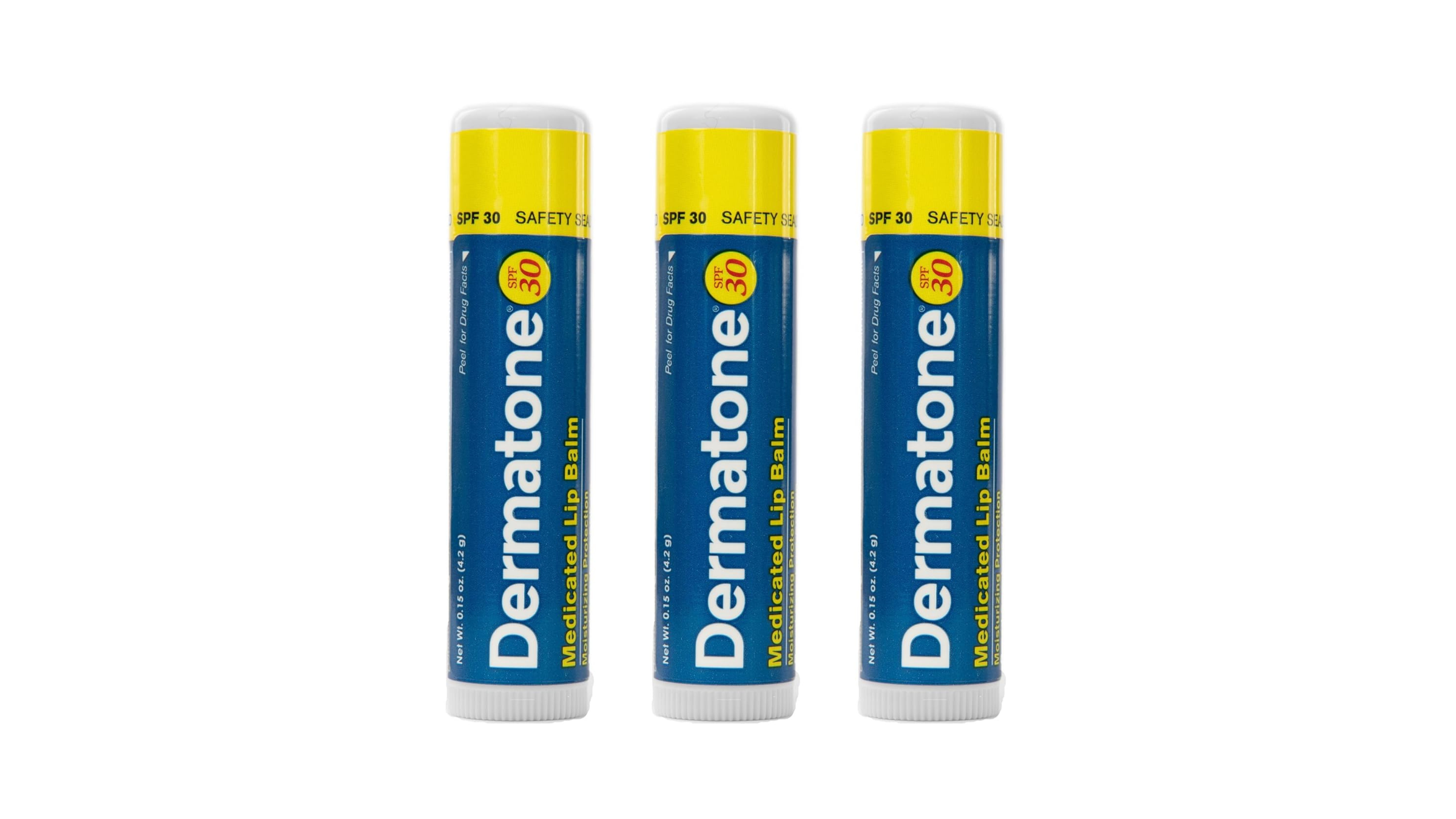
Skiers are no longer just looking for warmth; they are looking for "marginal gains"—the small technical advantages that allow for one more run, one more backcountry lap, or a slightly sharper edge angle. As the market continues to specialize, the successful gift for a dedicated skier is one that acknowledges the technical demands of the sport and the rigorous environment in which it takes place. Whether it is a $2 stocking stuffer like Dermatone SPF chapstick to prevent high-altitude frostbite or a $1,000 recovery system, the modern ski gift is an investment in the athlete’s ability to remain on the mountain.
