

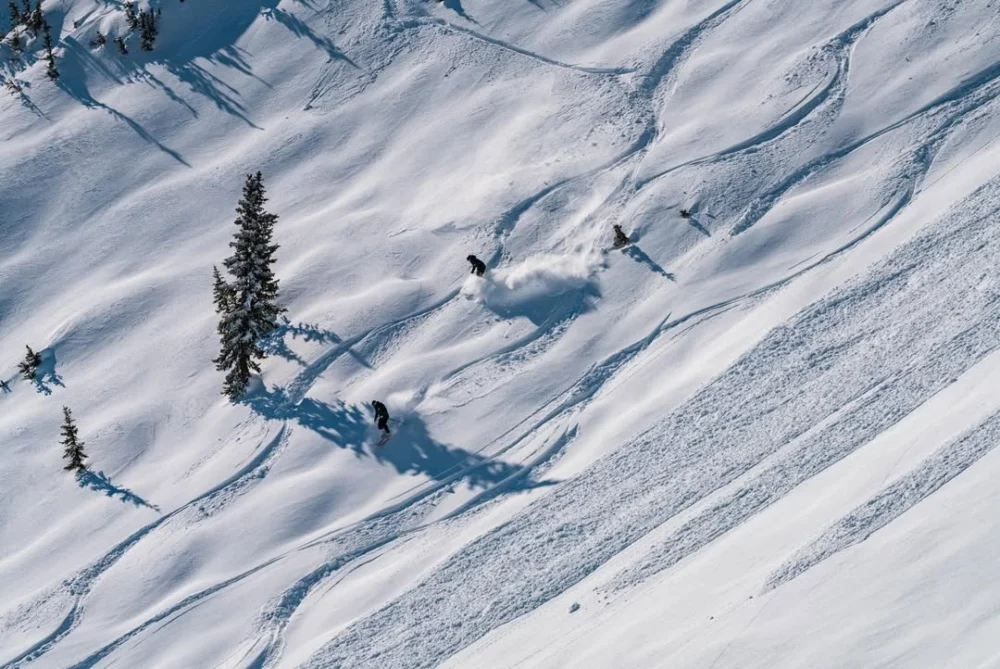
A 19-year-old skier has tragically lost their life following a severe collision with a tree in the Nina’s area of Alta Ski Area in Little Cottonwood Canyon on Sunday. The incident, which occurred around midday, has prompted an ongoing investigation by the Alta Marshal’s Office to determine the precise circumstances surrounding the fatal accident. This event underscores the inherent risks associated with skiing in challenging terrain, even at renowned resorts like Alta, which is celebrated for its expert-level challenges and abundant snowfall.
Chronology of the Incident
According to initial reports, Alta Ski Patrol was dispatched to the scene shortly after the collision was reported. Responders immediately initiated life-saving measures on the mountain. Despite their efforts, the skier’s condition necessitated urgent transport to the base area. A medical helicopter was then utilized to transfer the injured individual to a nearby hospital. Tragically, at the hospital, the skier was pronounced deceased.
The Alta Marshal’s Office has indicated that the crash appears to have been accidental. Importantly, officials have stated that no other skiers were involved in the incident, suggesting that the collision was an isolated event. The identity of the deceased skier has not yet been released, pending notification of their next of kin. The investigation is actively underway, with authorities working to piece together a comprehensive understanding of the events that led to this devastating outcome.
Understanding the Nina’s Area and Terrain Risks
The Nina’s area, situated on Alta’s prominent front face, is characterized by its steep, natural terrain that includes significant tree coverage. This type of environment, while offering exciting and challenging skiing for experienced individuals, also presents elevated risks. Factors such as high speeds, variable snow conditions, and the presence of numerous trees can rapidly transform a minor fall into a severe accident.
Ski resorts, particularly those known for challenging off-piste and backcountry-style terrain like Alta, often see a higher incidence of accidents related to tree collisions. While fatalities at ski resorts remain statistically rare when considering the millions of skier visits annually, collisions with fixed objects, primarily trees, continue to be a leading cause of in-bounds fatalities each ski season. Data from the National Ski Areas Association (NSAA) has consistently shown that while falls are the most common cause of injuries, tree-related incidents often result in more severe outcomes. For the 2022-2023 season, the NSAA reported a total of 39 fatalities across U.S. ski resorts, with a significant portion attributed to collisions with trees or other stationary objects. This statistic highlights the persistent danger present in such environments.
Official Response and Investigation
The Alta Marshal’s Office is leading the investigation into the incident. Their primary objective is to gather all relevant information, including witness accounts (if any emerge from the broader ski community), the skier’s equipment, and the specific conditions of the terrain at the time of the accident. The office has emphasized that the investigation is ongoing and has not released further details beyond the initial assessment that the crash appears accidental.

The role of the Alta Marshal’s Office is critical in ensuring that safety protocols are reviewed and, if necessary, enhanced. Their findings will contribute to the broader understanding of skiing safety within the resort and could inform future recommendations for skiers navigating similar terrain.
Broader Implications for Ski Safety
This tragic incident serves as a somber reminder of the inherent risks involved in skiing, even for experienced individuals. Alta Ski Area is renowned for its challenging terrain, attracting a dedicated clientele of advanced and expert skiers who are drawn to its steep pitches and abundant powder. However, the allure of such terrain demands a high level of skill, awareness, and respect for the mountain environment.
The Nina’s area, with its natural tree line, requires skiers to maintain constant vigilance regarding their speed, line choice, and the potential for sudden changes in terrain and visibility. Factors such as fatigue, adverse weather conditions, and even momentary lapses in concentration can have severe consequences in such an environment.
While resorts like Alta implement extensive avalanche control measures and patrol systems, the responsibility for safe skiing ultimately lies with the individual. This includes understanding one’s own abilities, assessing current conditions, and making prudent decisions about which terrain to enter and how to navigate it.
Community and First Responder Response
The response from Alta Ski Patrol and other first responders highlights the dedication and professionalism of those who work to ensure the safety of skiers and snowboarders. Their swift action and commitment to providing aid in challenging circumstances are commendable. The involvement of a medical helicopter underscores the severity of the injuries sustained and the critical need for rapid medical intervention.
The skiing community, particularly in the close-knit environment of Utah’s Wasatch Mountains, is likely to be deeply affected by this loss. Condolences have been extended to the skier’s family and friends, acknowledging the profound grief that such a tragedy brings. The collective experience of the ski patrol and first responders who worked the scene also deserves recognition for their difficult and often harrowing duties.
Statistical Context of Skiing Fatalities
It is important to contextualize this incident within the broader landscape of ski safety statistics. According to the NSAA, skiing and snowboarding remain relatively safe recreational activities. For instance, the injury rate per 1,000 skier visits is typically low, often in the range of 0.3 to 0.6 for all injuries. Fatalities are even rarer.

However, when fatalities do occur, the contributing factors are often consistent. Collisions with trees are a recurring theme, as are incidents involving high speeds and a loss of control. The NSAA also notes that a significant percentage of fatalities occur when skiers are skiing off-piste or in areas not designated as groomed trails.
The average age of skiers involved in fatal incidents can vary, but younger, more aggressive skiers may sometimes be at a higher risk due to a combination of confidence and potentially less developed risk assessment skills. The fact that the deceased was 19 years old aligns with some observed patterns, though it is crucial to avoid generalizations, as accidents can happen to skiers of any age and experience level.
The Role of Technology and Training
In light of such incidents, discussions often arise regarding the role of technology and training in enhancing ski safety. Advanced safety features in ski equipment, such as avalanche airbags, are becoming more prevalent, particularly for those venturing into backcountry terrain. However, these are often not utilized or mandated for in-bounds skiing.
For in-bounds skiing, particularly in challenging areas like Nina’s, continuous education and self-awareness are paramount. Ski resorts frequently provide information on trail ratings, avalanche advisories (where applicable), and general safety guidelines. However, the ultimate decision-making process rests with the individual skier.
The Alta Marshal’s Office’s ongoing investigation will undoubtedly examine all contributing factors. This may include the skier’s experience level, the specific conditions of the terrain at the time of the incident, and whether any external factors played a role. The goal of such investigations is not only to ascertain facts but also to contribute to the ongoing effort to minimize the risk of future tragedies in the mountains.
The loss of a young skier at Alta serves as a profound reminder that even in the most exhilarating and beautiful of environments, the mountains demand respect and caution. The skiing community mourns this loss and hopes that the ongoing investigation will provide clarity and contribute to enhanced safety awareness for all who enjoy the thrill of the slopes.
