

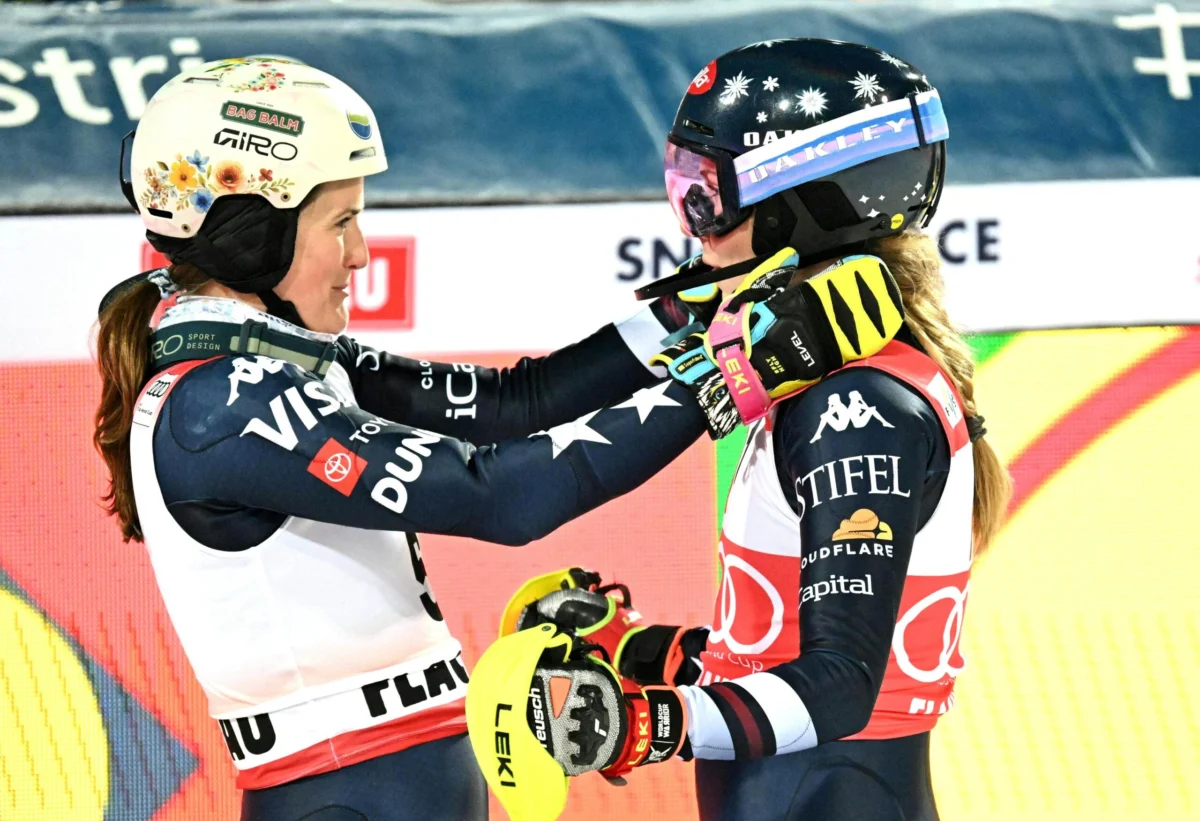
The FIS Alpine World Cup season officially commences this weekend on the Rettenbach Glacier in Sölden, Austria, where the world’s elite female skiers will face one of the most demanding giant slalom courses on the circuit. For the United States women’s technical squad, the event represents more than just an opening race; it is the first defense of their historic status as the reigning Nations Cup champions. Following a 2025–26 season that saw the American women secure the title for the first time in history, the team arrives in the Tyrolean Alps with a roster that combines veteran leadership with emerging talent, all aiming to replicate the dominant performance that defined their previous campaign.
Last year’s opener in Sölden served as a harbinger for the success that followed. The U.S. women placed six athletes in the top 19, a level of depth rarely seen from the program in technical disciplines. Paula Moltzan secured a podium finish, followed by Mikaela Shiffrin in fourth and Nina O’Brien in sixth. This collective strength eventually culminated in the U.S. women capturing the Nations Cup, an award presented to the country whose athletes accumulate the highest number of World Cup points over the season. The victory signaled a shift in the traditional power dynamics of alpine skiing, traditionally dominated by European powerhouses such as Austria and Switzerland.
The Rettenbach Challenge and Historical Context
The Rettenbach Glacier is renowned for its high altitude and punishing terrain. The giant slalom course begins at approximately 3,040 meters (9,974 feet) and ends at 2,670 meters (8,760 feet). The "Ice Wall," a central section of the course with a gradient reaching 65 percent, is widely considered the most difficult pitch in women’s giant slalom. Success in Sölden requires a combination of physical strength, technical precision, and the ability to maintain edge grip on injected ice.
Historically, the Sölden opener has been a litmus test for overall season fitness. For the U.S. team, the 2026–27 season is particularly significant as it follows a year of unprecedented milestones. Shiffrin and Moltzan were instrumental last year, combining for 16 World Cup podiums in technical events. However, the Nations Cup was won through the "points-in-the-bucket" philosophy, where consistent top-20 finishes from athletes like AJ Hurt, Elisabeth Bocock, and Katie Hensien provided the necessary mathematical cushion to outpace European rivals.
Mikaela Shiffrin: A Renewed Focus on Giant Slalom
Mikaela Shiffrin, the most decorated alpine skier in history, enters the season with a specific strategic objective: reclaiming her dominance in giant slalom (GS). While she has remained the gold standard in slalom, her journey in GS has been a road of recovery and psychological rebuilding. Two years ago, a high-speed crash during the 2024 Killington GS resulted in a severe abdominal puncture wound and a period of forced absence from the circuit.
The recovery was not merely physical. Shiffrin has been transparent about the post-traumatic stress associated with returning to the discipline that caused her injury. During the 2025–26 season, she methodically climbed from 30th in the GS standings back to fourth. Heading into Sölden, she has indicated that her off-season training was heavily weighted toward GS.
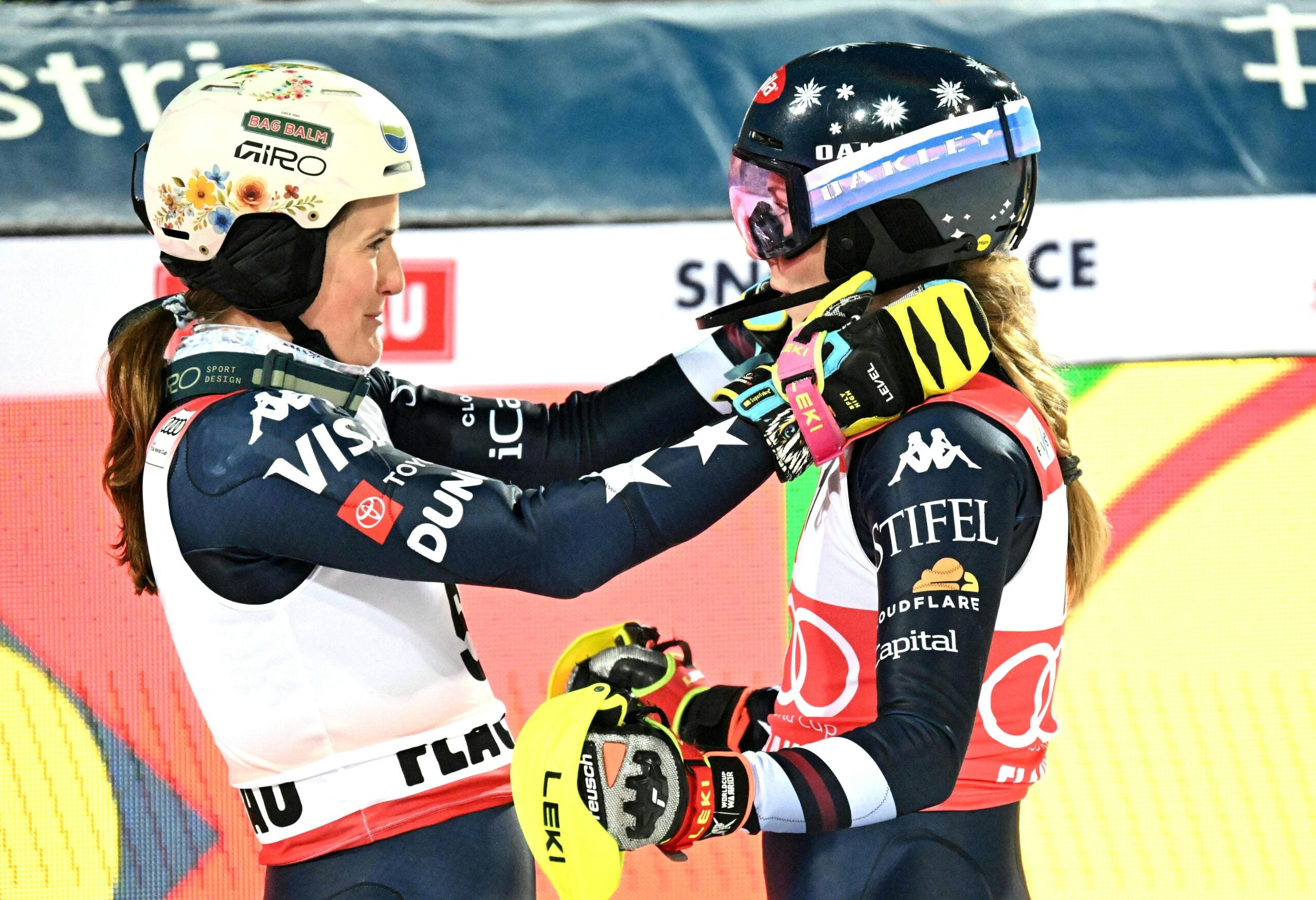
"I really wonder where I can take GS," Shiffrin noted during pre-season media availability. "I have a ton of questions about it in my own mind, and I want to find out." Analysts suggest that if Shiffrin can regain her peak GS form—characterized by her unique ability to generate speed through the transition of the turn—she will be the favorite not only for the Sölden victory but for the discipline globe.
Paula Moltzan and the Equipment Revolution
While Shiffrin focuses on technique, her teammate Paula Moltzan is embarking on a technical revolution of a different kind. At 32, Moltzan is coming off the strongest season of her career, having secured five World Cup podiums last year. In a move that surprised many in the industry, Moltzan switched her equipment sponsorship to VAN DEER-Red Bull Sports during the off-season.
The brand, founded by eight-time overall World Cup champion Marcel Hirscher, has been aggressive in its recruitment of top-tier talent. For Moltzan, the switch represents an opportunity to influence the development of a specific line of women’s racing skis. "My route of inspiration is trying to develop this whole brand-new line of women’s equipment," Moltzan said.
Equipment changes are notoriously risky in alpine skiing, as the "feel" of the ski and the boot-binding interface can take months to master. However, Moltzan’s performance in Sölden will be a critical indicator of whether the VAN DEER setup can handle the extreme vibrations and ice of the Rettenbach. Her ability to adapt quickly will be vital for the U.S. team’s goal of maintaining their lead in the Nations Cup standings.
The Recovery of the Support Squad
The depth of the U.S. roster is bolstered by several athletes returning from significant injuries, highlighting the high-risk nature of the sport.
- Nina O’Brien: At 28, O’Brien is widely considered the next American woman poised for a World Cup podium. Her performance at the 2026 Olympics, where she posted the fastest second run in the giant slalom, demonstrated that her ceiling is among the top five in the world.
- AJ Hurt: After rehabbing a hip injury sustained early last season, Hurt returned to the top 10 in GS. Her power-oriented skiing style is particularly well-suited for the steep sections of the Sölden course.
- Katie Hensien: Hensien faces a comeback narrative of her own. A fractured tibia suffered during training last year forced her to withdraw from the 2026 Olympics despite qualifying. Her fourth-place finish at Sölden in 2024 remains a career highlight, and her return to the glacier is a major step in her recovery arc.
Rising Talent: The Elisabeth Bocock Factor
Perhaps the most intriguing prospect on the roster is 21-year-old Elisabeth Bocock. The younger sister of former U.S. skier Mary Bocock, Elisabeth has moved rapidly through the development ranks. Her 2025–26 season was a mixture of brilliance and "rookie" mistakes; she recorded several top-15 finishes and a silver medal at the World Junior Championships but struggled with a high DNF (Did Not Finish) rate in World Cup starts.
Bocock’s development has been accelerated by the "Shiffrin Effect"—the benefit of training daily alongside the world’s best. "If you’re having a good day in training, if, say, you beat Paula or Nina, and you know that they win World Cup runs, you could be beating the entire world," Bocock explained. This internal competition has created a high-performance environment that U.S. Ski & Snowboard officials credit for the team’s recent surge.
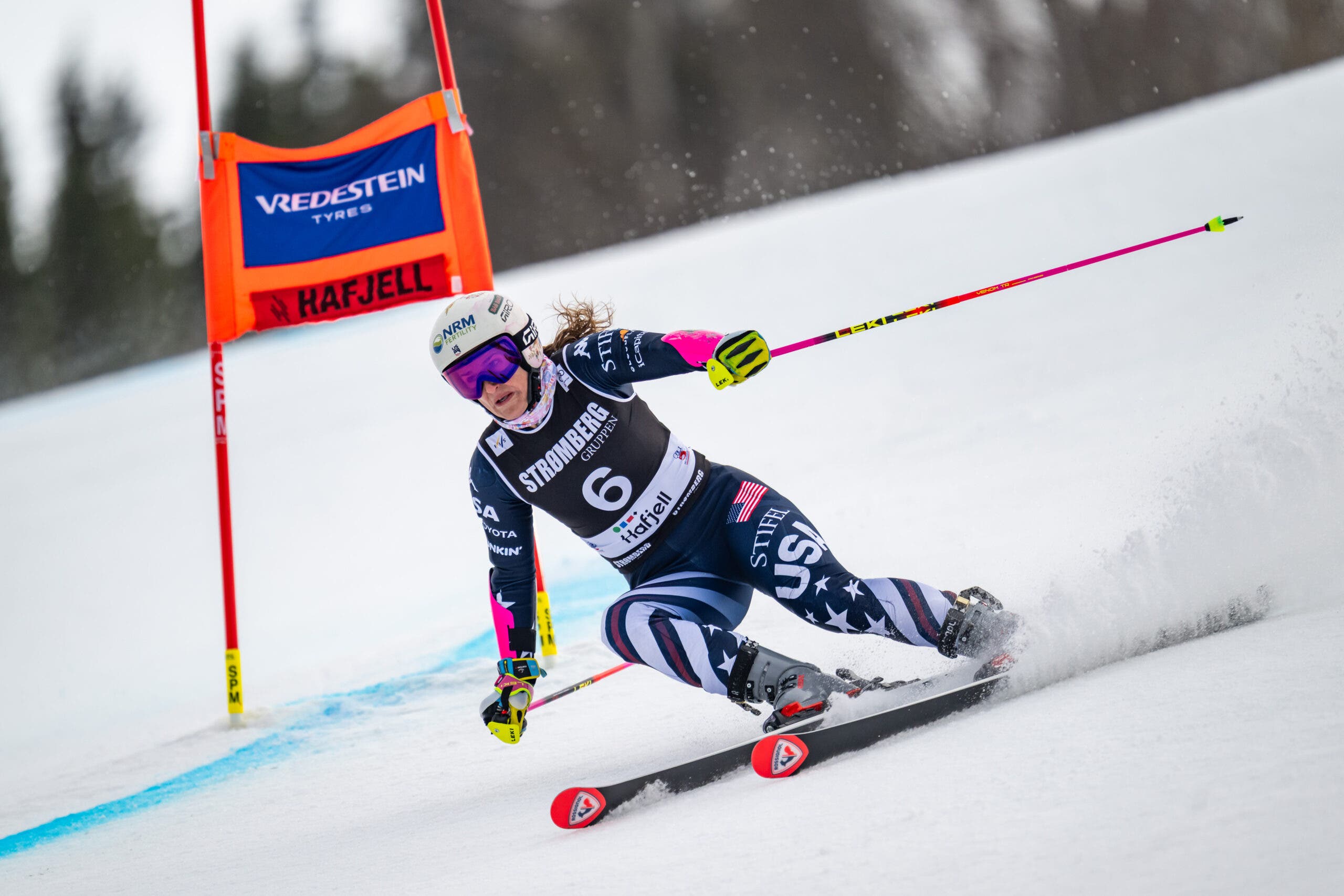
A Summer of Climate Adaptation
The preparation for the 2026–27 season was marked by the increasing difficulty of finding reliable training snow. The U.S. team engaged in a "summer of chasing snow," which saw them travel to Chile, New Zealand, and various European glaciers. The logistics were complicated by erratic weather patterns—unseasonable warmth in Europe, excessive snow in the Andes, and rain in the Southern Alps of New Zealand.
The team’s ability to adapt to these inconsistent conditions may actually serve as an advantage in Sölden. Glacier racing is inherently unpredictable, often featuring flat light, wind, and changing snow textures. Having spent a summer "adapting on the fly," as Bocock described it, the Americans may be better prepared for the variables of the Rettenbach than teams that enjoyed more stable, but perhaps less challenging, training blocks.
Analysis of Implications: The Battle for the Nations Cup
The 2026–27 season is the first year of a new quadrennial cycle following the 2026 Winter Games. Historically, this is a period where veteran athletes assess their futures and younger athletes are given more opportunities. For the U.S. women, the goal is to prove that their 2025–26 Nations Cup victory was not an anomaly but the beginning of a sustained era of dominance.
The financial and developmental implications of this success are significant. Winning the Nations Cup increases funding from sponsors and the U.S. Olympic & Paralympic Committee, which in turn allows for better coaching, more specialized travel logistics, and advanced sports science support. A strong showing in Sölden would validate the current high-performance model and set a psychological benchmark for their European competitors.
Broadcasting and Global Access
In a significant move to centralize viewership, the 2026–27 season marks the debut of a streamlined broadcast structure. Following years of fragmented rights, U.S. Ski & Snowboard, NBC, and the FIS have consolidated the viewing experience.
Every Alpine World Cup event this season will be streamed live on Peacock. Additionally, a new free YouTube channel and a dedicated FAST (Free Ad-supported Streaming TV) channel, both titled "Ski & Snowboard World Cup," have been launched to increase the sport’s accessibility to a global audience. This digital-first approach is intended to capitalize on the growing international profile of stars like Shiffrin and the collective success of the U.S. team.
As the women’s giant slalom begins on the morning of October 24, the eyes of the skiing world will be on Sölden. The Rettenbach Glacier will provide the first definitive answers to the questions surrounding Shiffrin’s GS form, Moltzan’s equipment switch, and the U.S. team’s ability to remain at the pinnacle of alpine skiing.
