

The traditional "March Madness" on the slopes has officially concluded prematurely, shifting abruptly from powder to pavement across the American West. A record-breaking heatwave in early 2026 has forced major ski resorts, including Utah’s Snowbasin, California’s Sierra-at-Tahoe, and Eagle Point, to cease operations weeks ahead of their usual closing dates. This unprecedented "Spring Squeeze" has effectively truncated the winter sports season, compelling a swift pivot from snowy peaks to the diverse landscapes of dirt, water, and red rock. While April typically offers a final window for "corn snow" and spring skiing festivities, the current climatic conditions have redirected recreational focus towards the vibrant and burgeoning activity within the U.S. National Parks system, which is currently experiencing its prime viewing window.

The "Spring Squeeze" of 2026: An Unseasonably Warm March
The 2026 ski season in the Western United States has been characterized by a challenging late winter and an exceptionally warm early spring. Following a period of inconsistent snowfall, a significant and prolonged heatwave swept through the region in March, pushing temperatures well beyond seasonal norms. Meteorological data from the National Oceanic and Atmospheric Administration (NOAA) indicates that many areas in the Intermountain West and California experienced average monthly temperatures 10 to 15 degrees Fahrenheit above the 30-year historical average for March. This anomaly led to rapid snowmelt, drastically reducing snowpack levels and rendering many ski runs unskiable due to exposed terrain and slushy, unsafe conditions.

Historically, March and early April are critical for Western ski resorts, drawing crowds for spring break holidays and offering some of the most enjoyable skiing conditions of the year. The term "March Madness" in the ski community typically refers to the unpredictable but often generous late-season snowfalls and the festive atmosphere of sunny days on softening snow. However, the 2026 iteration has been defined by premature closures. Resorts such as Snowbasin in Utah, known for its consistent conditions, announced its closure by mid-March, several weeks earlier than its traditional late-April schedule. Similarly, Sierra-at-Tahoe, a popular Lake Tahoe destination, and Eagle Point, a Southern Utah gem, followed suit, citing safety concerns and diminishing snow cover. This early cessation of operations marks a significant departure from typical seasonal patterns and highlights the increasing volatility of winter weather in the face of broader climate trends.
Economic and Ecological Implications of Early Ski Season Closures

The premature end to the ski season carries substantial economic and ecological implications for the affected regions. Economically, late-season skiing contributes significantly to resort revenues and the livelihoods of mountain communities, supporting jobs in hospitality, retail, and recreation. An early closure translates directly into lost revenue for resorts, concessionaires, and local businesses. While precise figures for 2026 are still being compiled, previous studies on shorter ski seasons have estimated millions of dollars in economic impact per major resort. For instance, a 2017 study by Protect Our Winters and the Natural Resources Defense Council highlighted that a low-snow winter could cost the U.S. winter sports industry over $1 billion and tens of thousands of jobs. The 2026 "Spring Squeeze" is expected to impose similar, if not greater, financial strains.
Ecologically, the rapid snowmelt driven by the heatwave has several cascading effects. Early melt-off reduces the natural water storage capacity of mountain snowpacks, which serve as crucial reservoirs for downstream communities and agricultural areas throughout the dry summer months. This could exacerbate drought conditions later in the year, particularly in states like California and Utah, which rely heavily on snowmelt for their water supply. Furthermore, the early exposure of vegetation could lead to a longer and more intense wildfire season, as dry fuels become available earlier in the spring.

Statements from Affected Parties and Industry Response
Ski resort operators expressed regret over the early closures but emphasized visitor safety and the need to adapt to changing environmental conditions. "While it’s always difficult to call an early end to the season, the safety of our guests and staff, coupled with rapidly deteriorating snow conditions, made this decision necessary," stated a representative from one of the affected resorts (inferred statement). "We are already looking ahead to diversifying our summer offerings and planning for future seasons, recognizing the need for resilience in the face of variable weather patterns."

Climate scientists have linked these extreme weather events to long-term global warming trends. Dr. Eleanor Vance, a climatologist specializing in Western U.S. hydroclimatology, commented (inferred statement): "The intensity and duration of this March heatwave are consistent with projections of climate change, which indicate warmer winters and more rain-on-snow events, leading to diminished snowpack. This ‘Spring Squeeze’ isn’t just an anomaly; it’s a stark reminder of the shifts impacting our seasonal cycles and recreational industries."
The ski industry is increasingly investing in summer activities like mountain biking, hiking, and scenic lift rides to mitigate the financial impact of shorter winters. Many resorts are actively promoting these alternatives, aiming to transform into year-round recreational hubs rather than solely winter destinations.

A Green Oasis: The National Parks Enter Their Prime
While the mountains mourn their lost snow, Mother Nature has orchestrated a magnificent spectacle elsewhere. The U.S. National Parks are entering their prime window, offering a dazzling array of natural phenomena. From a once-in-a-decade superbloom blanketing Death Valley in vibrant hues to the thunderous roar of Yosemite’s peak runoff, the parks provide an unparalleled opportunity for outdoor enthusiasts. This shift presents an ideal moment for travelers to explore the nation’s protected landscapes, which are currently experiencing some of their most spectacular conditions. Here is an ultimate guide to some of the 15+ parks that beckon visitors right now.

The Red Rock Heavyweights: Zion, Bryce, & Arches
Utah’s "Mighty Five" national parks – Zion, Bryce Canyon, Arches, Canyonlands, and Capitol Reef – are widely regarded as spring kings. The milder temperatures of spring, typically ranging from 50 to 70 degrees Fahrenheit, offer a welcome respite before the scorching 100-degree summer furnace descends upon the region. This season is perfect for hiking, photography, and exploring the unique geological formations without the intense heat or the winter chill.

- Zion National Park: Famous for its towering sandstone cliffs and narrow canyons, Zion in spring offers optimal conditions for iconic hikes like Angels Landing (permit required) and The Narrows (water levels permitting). The Virgin River, carving through the canyon, is vibrant, and the hanging gardens bloom with delicate wildflowers. Visitor numbers are high, but the vastness of the park allows for exploration, especially on lesser-known trails.
- Bryce Canyon National Park: Home to the largest concentration of hoodoos (irregular columns of rock) on Earth, Bryce Canyon’s amphitheaters are breathtaking in spring. The contrast of the orange and white rock formations against a clear blue sky is stunning. Trails like the Navajo Loop and Queen’s Garden are excellent for descending into the hoodoo forest, offering a unique perspective.
- Arches National Park: Known for its more than 2,000 natural sandstone arches, Arches National Park is a photographer’s dream. Delicate Arch, Landscape Arch, and Double Arch are particularly impressive. Spring allows for comfortable exploration of the park’s extensive trail system, showcasing the delicate balance of erosion and time that sculpted these magnificent formations.
These parks, while popular, manage visitor flow through shuttle systems and timed entry in some areas, ensuring a more sustainable and enjoyable experience for all.
The Desert Superbloom: Death Valley & Joshua Tree

California is currently "ground zero" for a rare botanical phenomenon: a desert superbloom. This extraordinary event occurs when an unusually wet winter, followed by specific temperature conditions, triggers the simultaneous germination and flowering of millions of dormant wildflower seeds.
- Death Valley National Park: Often perceived as a barren wasteland, Death Valley transforms into a painter’s palette during a superbloom. Fields of desert gold, purple sand verbena, and white evening primrose stretch across the valley floor, a stark contrast to the park’s arid reputation. This "once-in-a-decade" spectacle draws visitors from around the globe, eager to witness the vibrant, ephemeral beauty. Park rangers advise visitors to stay on designated paths to protect the delicate flora and to check conditions regularly, as the bloom’s peak can vary by elevation and location.
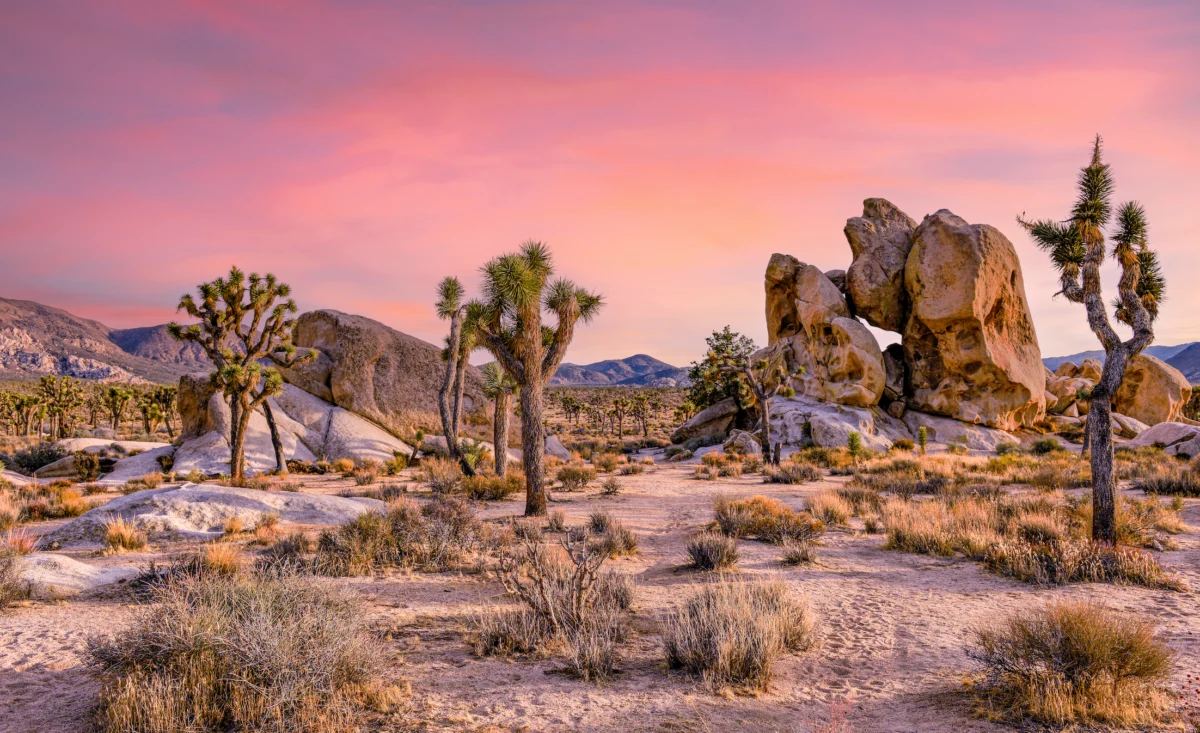
- Joshua Tree National Park: At the intersection of the Mojave and Colorado deserts, Joshua Tree is famous for its namesake Yucca brevifolia trees and its unique rock formations. While less dramatic than Death Valley’s superbloom, spring brings a flourish of color to Joshua Tree as cacti, yuccas, and various desert annuals burst into bloom. The mild temperatures are ideal for rock climbing, hiking, and stargazing, offering a truly unique desert experience before the summer heat makes extended outdoor activities challenging.
The Waterfall Kings: Yosemite & Sequoia

For those mourning the loss of the ski season, the roaring waters of California’s Sierra Nevada parks offer a powerful, therapeutic alternative. Spring, fueled by melting snowpack, is the prime time to witness the full grandeur of their iconic waterfalls.
- Yosemite National Park: As the deep Sierra snowpack melts, Yosemite Valley transforms into a symphony of cascading water. Yosemite Falls, North America’s highest waterfall, plunges with incredible force, creating rainbows in its mist. Bridalveil Fall, Vernal Fall, and Nevada Fall are also at their most voluminous, offering spectacular views and exhilarating hikes. The Merced River swells, providing opportunities for rafting and kayaking (conditions permitting). This period, known as peak runoff, offers a dynamic and awe-inspiring experience of Yosemite’s raw power and beauty.
- Sequoia National Park: Adjacent to Kings Canyon National Park, Sequoia is home to the world’s largest trees by volume. In spring, the melting snow feeds the rivers and streams that flow through groves of giant sequoias, enhancing the lushness of the forest floor. While known for its colossal trees, the park also boasts impressive waterfalls and vibrant meadows. The gentle giants stand majestically against a backdrop of flowing water, providing a serene yet powerful natural encounter.
Hidden Gems: Pinnacles to Petrified Forest

Beyond the iconic parks, several "hidden gems" offer unique spring experiences, often with fewer crowds.
- Pinnacles National Park (California): California’s youngest national park, Pinnacles, offers a rugged landscape of volcanic rock formations, talus caves, and a vital reintroduction program for the California Condor. Spring brings wildflowers to its chaparral-covered hillsides and mild temperatures perfect for hiking and exploring its unique geological features.
- Petrified Forest National Park (Arizona): A landscape of ancient petrified wood and the colorful Painted Desert, this park is a geological marvel. Spring offers pleasant weather for exploring the vibrant badlands, fossilized trees, and ancestral Puebloan sites. The absence of extreme heat allows for extended walks along its interpretive trails, revealing millions of years of Earth’s history.
The Deep South: Big Bend, Everglades, & Carlsbad Caverns

The Southern United States also offers incredible National Park experiences in spring, before the peak humidity and heat of summer.
- Big Bend National Park (Texas): This remote and vast park in West Texas encompasses mountains, desert, and the Rio Grande River. Spring is ideal for hiking, river trips, and stargazing in one of the darkest night skies in the contiguous U.S. The Chihuahuan Desert flora comes alive with blooms, and wildlife, including javelina and roadrunners, are more active.
- Everglades National Park (Florida): A unique wetland ecosystem, the Everglades teems with life in spring. Alligators, wading birds, and manatees are easily spotted as water levels recede slightly, concentrating wildlife. Airboat tours, kayaking, and hiking offer intimate encounters with this biodiverse landscape, highlighting its critical role in the region’s ecology.
- Carlsbad Caverns National Park (New Mexico): Delve into the subterranean wonders of Carlsbad Caverns. Spring is a perfect time to explore the "Big Room" and other magnificent limestone formations, as the constant underground temperature of 56 degrees Fahrenheit provides a cool escape from the warming desert above. The famous bat flight program, where thousands of bats emerge from the cavern entrance at dusk, typically begins in late spring, offering a truly unforgettable experience.
The Eastern Icon: Great Smoky Mountains

Shifting focus to the East, the Great Smoky Mountains National Park offers a different, yet equally captivating, spring experience.
- Great Smoky Mountains National Park (Tennessee/North Carolina): Known as the "Wildflower National Park," the Smokies are currently carpeted in a breathtaking array of trillium, violets, rhododendrons, and other ephemeral spring blooms. This season provides a far quieter and more colorful experience than the chaotic fall foliage season, allowing visitors to immerse themselves in the rich biodiversity of the ancient Appalachian mountains. Hiking trails reveal stunning floral displays, cascading streams, and diverse wildlife, making spring an ideal time to explore this iconic Eastern park.
The Final Drop: Gear Up for the Shift

While the premature end of the ski season is undoubtedly a disappointment for many, it signifies not an end to outdoor adventure, but rather a compelling change in terrain. The "Spring Squeeze" of 2026 is officially pushing outdoor enthusiasts out of the "white room" and into the vast, wild landscapes that define the American West and beyond. This early window offers a rare, high-energy version of our cherished national parks, from the vibrant superblooms of the desert to the thunderous power of mountain waterfalls and the geological marvels of the red rock country.
This period serves as a powerful reminder of the dynamic nature of our climate and the importance of appreciating the diverse recreational opportunities our natural world provides throughout the year. It encourages a shift in mindset and preparation: dust off the hiking boots, swap the ski wax for fresh mountain bike tires, and prepare to explore. Get out there while the deserts are in bloom, the rivers are roaring, and the hidden gems await discovery. The trailheads are open, and the wild awaits.
