

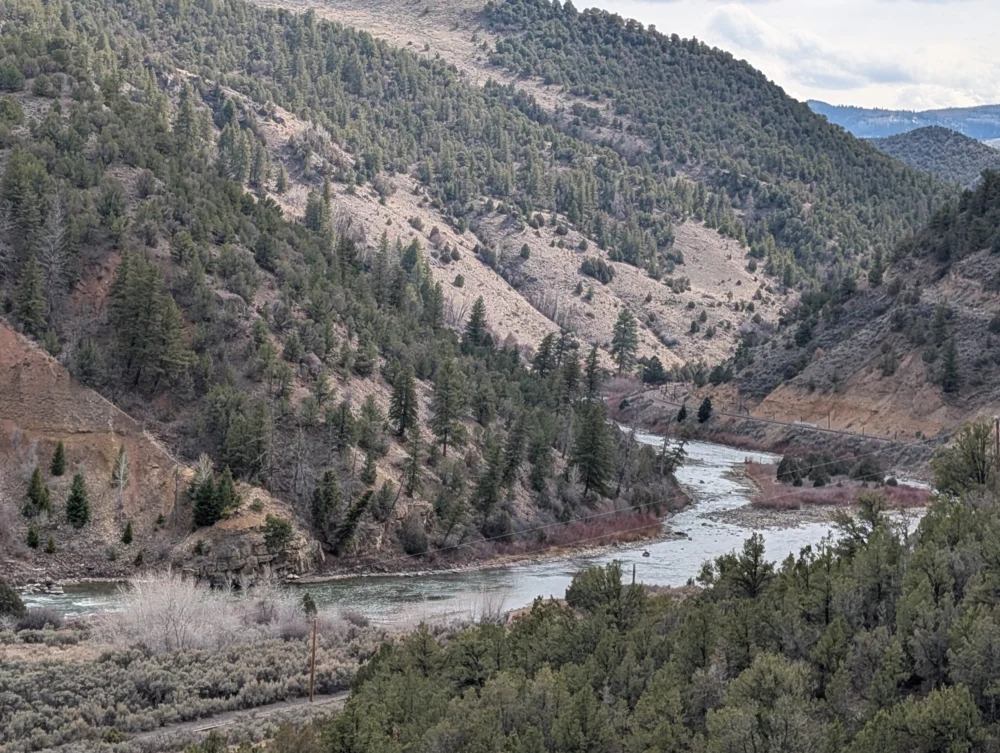
The expansive drive across the American West offers unparalleled vistas, a primary benefit often highlighted by those embarking on extended ski tours. The recent 200-mile journey from Glenwood Springs, Colorado, to Laramie, Wyoming, proved to be no exception, delivering a spectacular visual narrative across diverse landscapes. This particular route, typically impassable in a winter defined by significant snowfall, was rendered accessible due to the notably diminished snow totals recorded for the 2025-26 winter season in Colorado. While these conditions have raised broader concerns, they fortuitously facilitated this specific leg of the journey for the correspondent. The path ascended to elevations exceeding 10,000 feet, tracing the consistent presence of the Colorado River, before commencing a gradual, lengthy descent towards Laramie.
The journey underscored both the challenges and unexpected opportunities presented by a changing climate. A winter season characterized by "depressingly low snow totals" in Colorado, a state renowned globally for its abundant powder and extensive ski industry, represents a significant deviation from historical norms. This climatic shift, while enabling a scenic drive through high mountain passes that would ordinarily be buried under feet of snow, simultaneously casts a long shadow over the future of winter sports and the ecological balance of the Rocky Mountain region. Resorts across Colorado reported substantial reductions in snowpack, impacting not only ski operations but also critical water resources for the spring and summer months. Environmental scientists and hydrologists have increasingly pointed to such anomalies as indicators of broader climate trends, suggesting a future where accessible high-altitude routes in mid-winter might become more common, yet simultaneously more concerning for the very industry they serve.

The road itself was a study in contrasts. Approximately seventeen miles consisted of an unpaved dirt section, contributing to a sense of remoteness and solitude. Throughout the entire 200-mile stretch, the correspondent, traveling in an electric vehicle (referred to as "SKIBMEV"), reported never being overtaken by another vehicle—a testament to the route’s infrequent traffic, particularly at this unusual time of year. The final forty miles transitioned into the vast, austere high plains of Wyoming, a landscape dominated by cattle ranches and notable for its scarcity of human settlements. Despite the rugged terrain and high passes encountered, the journey culminated successfully with arrival at the Laramie Quality Inn. The immediate priority upon arrival was to locate an EV charger, a critical logistical consideration for electric vehicle users embarking on long-distance tours in less-populated areas. The availability of charging infrastructure, while improving, remains a key planning factor for adventurers seeking to traverse regions not traditionally equipped for widespread EV adoption. With the vehicle sufficiently charged, preparations commenced for the subsequent day’s 30-mile drive into the high evergreen forests encircling the celebrated Snowy Range ski area.
Gateway to the Snowies: Laramie and the Ascent to Centennial
The following morning, the journey from Laramie into the heart of the Snowy Range mountains unfolded across a high mesa, a landscape that at this time of year presented a stark, almost bleak, beauty. Yet, a light snowfall began to dust the surroundings, an auspicious sign for any skier en route to a mountain resort. There is an inherent, almost primal satisfaction in driving through falling snow when the destination is a ski area, a promise of fresh turns to come. Approximately twenty-five miles into the ascent, the route passed through the quaint village of Centennial. This community immediately exuded the unmistakable ambiance of a classic ski bum town – a vibrant, albeit rustic, hub for those prioritizing mountain life. Subsequent conversations with local skiers and riders in the area unequivocally confirmed this initial impression, solidifying Centennial’s reputation as the social and nightlife epicenter for visitors seeking an authentic, unpretentious mountain experience.

Snowy Range Ski Area, nestled within the Medicine Bow National Forest, is a gem in Wyoming’s relatively small ski landscape. With a summit elevation of 9,600 feet and a base elevation of 8,600 feet, it offers 1,000 vertical feet of skiing across 27 trails. Known for its laid-back atmosphere, affordability, and consistent snow (in typical winters), it draws a significant portion of its clientele from the University of Wyoming in nearby Laramie. The resort prides itself on being a family-friendly destination, yet it also caters to a robust local community of passionate skiers and snowboarders. Its history dates back to 1961, evolving from a simple rope tow to a full-service resort, maintaining its charm and community-focused ethos throughout its development.
On the Slopes of Snowy Range: A Blend of Tradition and Modernity
This was not the correspondent’s inaugural visit to Snowy Range. A few years prior, during a mid-March excursion, the conditions had yielded corn snow—a term for granular, softened snow common in spring. This visit, however, promised a different experience: a "modest powder day." While not a monumental dump, the arrival of fresh snow was a welcome change, particularly given the regional context of low snow totals. In the bustling parking lot, the correspondent encountered a pair of University of Wyoming students meticulously booting up for their day on the slopes. These students, affectionately known as "Cowboys"—a nod to the university’s mascot and Wyoming’s rugged heritage—represent a substantial segment of the resort’s vibrant clientele.

From these young enthusiasts, the correspondent gained an invaluable insight into contemporary ski culture, acquiring a term previously unheard: "Knuckle Huck." It was explained that "knuckle-huckers" are individuals exceptionally skilled at executing tricks and aerial maneuvers off the "knuckles," or landing areas, of the formidable jumps found on slopestyle courses. This encounter served as a salient reminder that even seasoned skiers can continually learn new tricks and terminology, reflecting the dynamic and evolving nature of freestyle skiing and snowboarding. The incident underscored the unique blend of traditional mountain sports and modern, youth-driven innovation that characterizes many ski areas today.
Snowy Range also extends a particularly attractive incentive to its more experienced patrons: complimentary lift access for individuals over the age of 70. The correspondent, having comfortably surpassed this milestone, benefited directly from this generous policy. Beyond free access, the resort further caters to this demographic by offering a "senior clinic," providing tailored instruction for those who might appreciate a refresher or wish to refine their technique in a supportive environment. These policies highlight a growing trend in the ski industry to recognize and accommodate an aging demographic that continues to participate actively in winter sports, ensuring inclusivity and fostering a lifelong passion for skiing and riding.
With the complimentary lift pass secured, the correspondent headed towards the slopes. Outside the main lodge, a brief interaction with two ski patrollers ensued. The first inquiry, "Have you ever heard the term Knuckle Huck?" elicited a split response: one patroller affirmed familiarity, while the other admitted ignorance, showcasing the diverse exposure to modern ski lexicon even among mountain professionals. The subsequent query regarding the day’s conditions, "How is it out there?" was met with the characteristically laconic and understated reply often associated with Wyoming locals: "Been worse." This succinct assessment, while seemingly minimal, conveyed a deep understanding of mountain variability and a quiet resilience typical of the region’s residents.

The Virginian Chair and Wyoming’s Approach to Safety
The next objective was to board the Virginian Chair, one of the four primary lifts serving the resort. The RFID gate, designed for seamless access, proved somewhat reluctant, requiring three attempts before successfully processing the correspondent’s card. This minor delay, while perhaps a momentary frustration, was framed as another small eccentricity of the Wyoming experience, a subtle reinforcement of the idea that "Wyomingites are slow to make your acquaintance."
A notable aspect of the Virginian Chair quickly became apparent: it lacked safety bars. During the ride up, sharing the chair with a patroller, the correspondent inquired about this unusual omission. The explanation offered was pragmatic and rooted in the unique environmental challenges of the region. On days characterized by exceptionally high winds, the presence of safety bars had occasionally led to them becoming entangled with the lift towers, posing operational challenges and potential hazards. The resort’s solution was direct: remove the safety bars. The patroller calmly stated that since this decision was implemented, there had been no reported incidents of individuals falling from the lift or any fatalities related to the absence of the bars. This approach, while potentially raising eyebrows in an era of heightened safety regulations, reflects a localized risk assessment and a reliance on individual responsibility prevalent in some smaller, independent ski areas. Below the lift, the newly fallen couple of inches of snow lay largely untracked, a tantalizing invitation.

That pristine line beneath the lift was an undeniable draw. The correspondent carved the initial run over mostly untracked powder, experiencing a profound sense of satisfaction. The patroller had previously mentioned that the preceding day had been unseasonably warm, causing the surface to refreeze overnight. While the underlying layer was indeed "crispy," the fresh two inches of powder provided a welcome softening, allowing for enjoyable turns. On subsequent laps, other skiers were observed, also reveling in the fresh snow that blanketed the lift line, transforming what might have been an ordinary day into one of unexpected pleasure.
Connecting with the Core: Max Galbraith, the Modern Ski Bum
On the subsequent lap, the correspondent traversed the ridgeline along "Drifter," a particularly pleasant green run situated at the apex of the ridge, approximately 10,000 feet in elevation. This scenic route led to the base of the Sundance Lift, the second chairlift at the resort. The name "Sundance" resonated with a distinct Western allure, evoking cinematic nostalgia and legendary figures like Butch Cassidy and The Sundance Kid. The base area for this lift, in keeping with the resort’s unpretentious character, was notably devoid of elaborate amenities, embodying a functional, no-frills approach to mountain operations.

It was at the Sundance base that the correspondent reconnected with Max Galbraith, a figure who would epitomize the modern ski bum archetype. Max and the correspondent had shared a brief interaction earlier in the parking lot, bonding over their mutual appreciation for Elan Ripstick skis, which they both agreed were exceptional all-around performers. During their first shared ride up the Sundance Lift, Max offered valuable local insights. He noted that in winters with robust snowfall, Snowy Range, despite its modest 1,000 feet of vertical drop, boasted excellent tree skiing—a feature sadly limited in the current lean winter. Max also alluded to the local strategy of perpetuating the resort’s reputation for being "very windy," a somewhat exaggerated tale designed to deter "flatlanders" (non-locals) and preserve the uncrowded slopes for the discerning few. Max’s fluid and expert skiing quickly demonstrated his proficiency on the snow.
On their next chair ride, a deeper conversation unveiled more about Max’s unique blend of passion and profession. Max, observing the correspondent’s distinctive bib ski pants and long jacket, astutely inquired if he was involved in the "Alpine race world." When confirmed, the correspondent, intrigued by Max’s accurate deduction, posed a question about well-known alpine racers. The conversation then took an unexpected turn when Max revealed a direct personal connection to elite skiing: "Actually, Travis Ganong is my cousin." This revelation was particularly striking, as Travis Ganong is a highly respected speed skier with a distinguished career, including six World Cup podium finishes and a World Championship silver medal in downhill. This chance encounter underscored the interconnectedness of the ski community, revealing hidden links within the broader world of professional skiing.
Further discussion illuminated Max’s "real job": he serves as the director of the planetarium at the University of Wyoming. This professional role, seemingly disparate from the life of a ski enthusiast, was perfectly integrated into his mountain lifestyle. Max humorously confessed his affinity for "big snowstorms," explaining that such weather events often led to the cancellation of school group tours to the planetarium, thereby liberating him to pursue his true calling: "I go ski powder." This candid statement perfectly encapsulated the ethos of the modern ski bum—an individual who skillfully navigates professional responsibilities while ingeniously maximizing opportunities to indulge their profound passion for skiing. It’s a testament to a lifestyle where work is a means to an end, with the ultimate goal being time on the slopes.

Reflections and the Road Ahead: Beyond Snowy Range
After half a dozen more exhilarating laps, soaking in the modest powder and the unique atmosphere of Snowy Range, it was time for the correspondent to conclude this leg of the journey. Ski gear was reloaded into the EV, and the compass was set eastward towards South Dakota, where Terry Peak awaited. The prospect of a 7,100-foot-high mountain in South Dakota was, for many, an unexpected revelation. However, the correspondent had prior intelligence: a trusted friend, Peter Dodge, a fellow adventurer who traverses the West in his Sprinter camper rig, had recently given Terry Peak a definitive "thumbs-up."
The journey to Snowy Range, Wyoming, served as a microcosm of the larger narrative unfolding across the Western United States. The initial paradox of a scenic drive enabled by unusually low snow totals underscored the environmental concerns that increasingly shape the winter sports landscape. Yet, within this context, the spirit of skiing endures, manifesting in the rugged charm of places like Centennial, the community focus of Snowy Range, and the passionate individuals who call these mountains home. From the university "Cowboys" embracing new freestyle lingo to the multi-talented Max Galbraith, balancing scientific vocation with powder pursuit, the human element of ski culture proved resilient and adaptable. The unique safety protocols of the Virginian Chair, born of practical necessity, further highlighted the distinctive character of smaller, independent resorts. As the correspondent embarked on the next leg of this extended ski tour, the experience at Snowy Range left an indelible impression of a mountain community that, despite the challenges of an unpredictable winter, continues to embody the enduring allure of the West and the timeless joy of skiing.
