

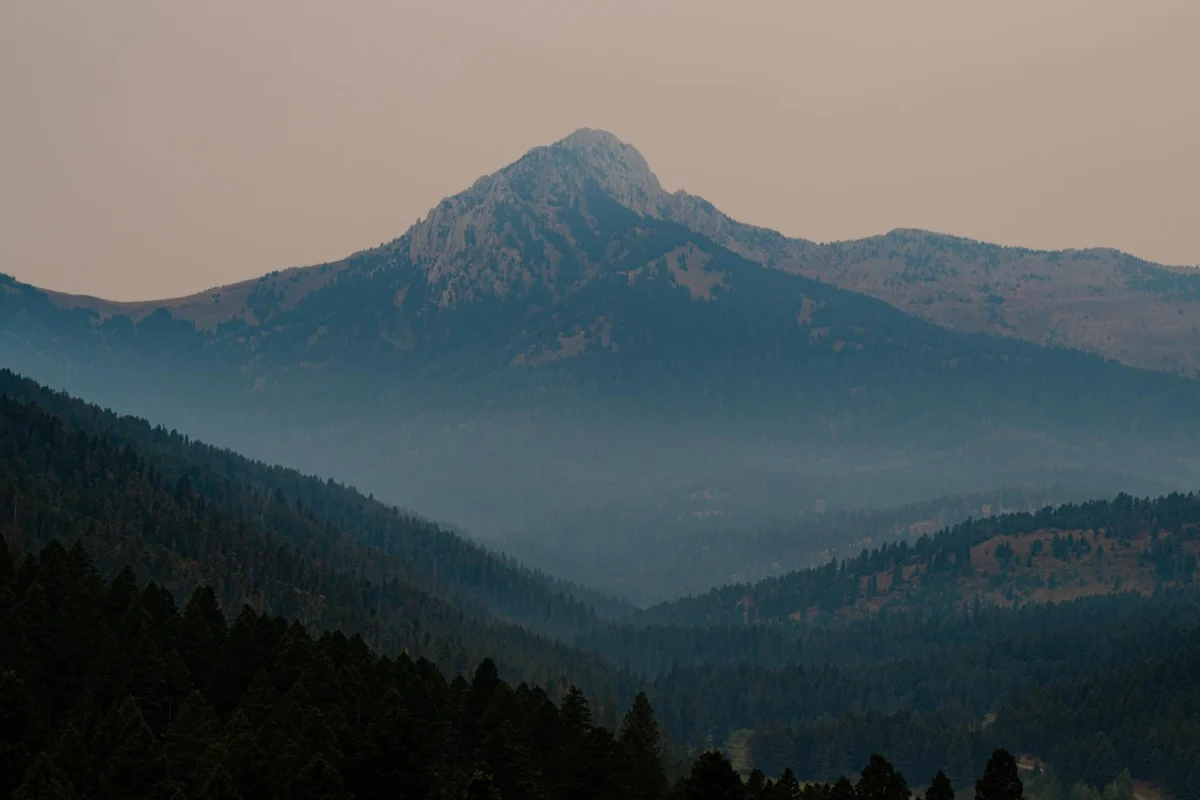
The Environmental Protection Agency (EPA) has officially repealed the Endangerment Finding, a move that strips away the scientific and legal foundation for federal greenhouse gas regulations in the United States. In response to this decision, the advocacy group Protect Our Winters (POW) has issued a formal demand for the immediate resignation of EPA Administrator Lee Zeldin. The organization, which represents a broad coalition of outdoor athletes, scientists, and business leaders, characterizes the repeal as a fundamental abandonment of the agency’s statutory mission to protect human health and the environment. The Endangerment Finding, originally established in 2009, serves as the definitive scientific determination that greenhouse gas emissions—including carbon dioxide, methane, and nitrous oxide—threaten the well-being of current and future generations. By dismantling this pillar of environmental law, the EPA effectively relinquishes its authority to regulate the primary drivers of global climate change, sparking immediate backlash from environmental advocates, legal scholars, and sectors of the economy dependent on stable seasonal patterns.
The Scientific and Legal Foundation of the Endangerment Finding
To understand the gravity of the current repeal, it is necessary to examine the origin of the Endangerment Finding. The document was the culmination of years of litigation and scientific review, triggered by the 2007 Supreme Court case Massachusetts v. EPA. In that landmark ruling, the Court determined that greenhouse gases fit the definition of "air pollutants" under the Clean Air Act. However, the Court also ruled that the EPA was required to determine whether these pollutants contributed to climate change that could reasonably be anticipated to endanger public health or welfare.
In December 2009, following an exhaustive review of peer-reviewed climate science, the EPA issued the Endangerment Finding. This determination provided the "legal trigger" for the agency to issue regulations under the Clean Air Act. Without the Finding, the EPA lacks the mandate to limit emissions from vehicles, power plants, and industrial facilities. Over the last 15 years, the Finding has been the bedrock of every major federal climate policy, including the Clean Power Plan and various fuel efficiency standards. Legal experts suggest that by repealing this finding, the current administration is attempting to insulate the fossil fuel industry from future carbon-related litigation and regulatory oversight.
Chronology of Climate Policy and Recent Deregulation
The repeal of the Endangerment Finding marks the latest chapter in a decades-long struggle over the scope of federal environmental authority. The following timeline outlines the progression of events leading to the current crisis:
- April 2007: The U.S. Supreme Court rules in Massachusetts v. EPA that the agency has the authority to regulate greenhouse gases if they are found to endanger public health.
- December 2009: The EPA officially signs the Endangerment Finding, establishing that six greenhouse gases pose a threat to the American public.
- 2015–2016: The Finding is used to justify the Clean Power Plan and the U.S. commitment to the Paris Agreement.
- 2017–2020: The Trump administration attempts to weaken various climate rules but stops short of repealing the Endangerment Finding itself, citing the high bar for scientific evidence required to overturn it.
- 2021–2024: The Biden administration strengthens the Finding, incorporating more recent data regarding extreme weather events, heatwaves, and ocean acidification.
- January 2025: Lee Zeldin assumes the role of EPA Administrator. He immediately announces a "regulatory reset" aimed at achieving "energy dominance" through the removal of barriers for coal, oil, and gas production.
- Present Day: The EPA formally repeals the Endangerment Finding, leading to POW’s demand for Zeldin’s resignation.
Administrator Zeldin has defended the move as a return to "scientific humility," arguing that the previous finding relied on speculative modeling. However, the scientific community has largely condemned this stance, noting that the evidence for anthropogenic climate change has only strengthened since 2009.
The "Snow Drought" and Environmental Consequences in the American West
The call for Zeldin’s resignation comes during a period of acute environmental distress in the American West. Protect Our Winters has highlighted a severe "snow drought" currently affecting high-altitude regions from the Sierra Nevada to the Rocky Mountains. Scientific measurements from the SNOTEL (Snow Telemetry) network and satellite imagery indicate that snowpack levels in several key basins are at 40% to 60% of their historical averages for this time of year.
This phenomenon is not merely a result of low precipitation but is driven by "thermal drought"—temperatures so high that precipitation falls as rain rather than snow, and existing snowpacks melt prematurely. Mountain snowpack serves as a natural reservoir for the Western United States, storing water during the winter and releasing it slowly during the spring and summer. When this cycle is disrupted, the downstream consequences are catastrophic.
Low snowpack directly correlates with reduced water levels in the Colorado River and the Rio Grande, which provide water for tens of millions of people and millions of acres of farmland. Furthermore, the lack of a sustained snowmelt keeps forest fuels dry, significantly extending the wildfire season. According to data from the National Interagency Fire Center, years with record-low snowpacks often precede the most destructive wildfire seasons in California and Oregon. POW argues that the EPA’s repeal of climate protections ignores these tangible, escalating threats to regional stability.
Economic Impact on the "Outdoor State"
The economic ramifications of the EPA’s policy shift extend far beyond the energy sector. Protect Our Winters represents what they call the "Outdoor State"—a demographic of 181 million Americans who participate in outdoor recreation annually. According to data from the Bureau of Economic Analysis (BEA), the outdoor recreation economy contributes $1.2 trillion to the U.S. Gross Domestic Product (GDP) and supports approximately 4.5 million jobs.
This sector includes skiing, snowboarding, fishing, hunting, hiking, and mountain biking. All of these industries are highly sensitive to climate volatility. For example:
- Skiing and Winter Tourism: A shortened winter season directly impacts mountain towns that rely on tourism revenue to fund local infrastructure and schools. Research indicates that "low snow" years can cost the ski industry over $1 billion in lost revenue.
- Agriculture: Farmers in the Central Valley of California and the high plains depend on predictable snowmelt for irrigation. Without it, crop yields drop and food prices rise.
- Hydropower: Many Western states rely on hydropower for clean electricity. Low reservoir levels caused by poor snowpack force utilities to buy more expensive and more polluting fossil fuel power to meet demand.
By calling for Zeldin’s resignation, POW is emphasizing that the EPA’s current direction is not just an environmental issue but an economic one. The organization asserts that prioritizing short-term gains for the fossil fuel industry jeopardizes a $1.2 trillion economy that provides sustainable, long-term employment across rural America.
Reactions from Stakeholders and Legal Experts
The EPA’s announcement has triggered a wave of reactions across the political and social spectrum. While some industry trade groups, such as the American Petroleum Institute (API), have historically advocated for more streamlined permitting and less federal oversight, the total repeal of the Endangerment Finding is seen by many as a step toward legal chaos.
Legal experts predict a "tsunami of litigation" from state attorneys general. States like California, Washington, and New York have already indicated they will challenge the repeal in federal court. "The EPA cannot simply decide science doesn’t exist anymore," said one environmental law professor at Georgetown University. "To repeal the Finding, the agency must provide a robust scientific record that proves greenhouse gases are not a threat. There is no such record."
Tribal nations have also voiced opposition, noting that the loss of clean water protections and the acceleration of climate change disproportionately affect indigenous communities who rely on subsistence fishing and traditional land use. The National Congress of American Indians has previously emphasized that climate change is an existential threat to tribal sovereignty and cultural heritage.
Implications for Public Health and Global Standing
Beyond the immediate legal and economic concerns, the repeal of the Endangerment Finding has profound implications for public health. The original 2009 Finding detailed how climate change exacerbates respiratory illnesses through increased smog (ground-level ozone), spreads vector-borne diseases like Lyme disease and West Nile virus, and increases mortality rates through extreme heatwaves. Without the Finding, the EPA’s ability to implement the National Ambient Air Quality Standards (NAAQS) for related pollutants is severely hampered.
On the international stage, the move signals a retreat from American leadership in the global effort to mitigate climate change. As the second-largest emitter of greenhouse gases globally, the United States’ decision to dismantle its primary regulatory mechanism may undermine the Paris Agreement and discourage other nations from meeting their emissions targets. This could lead to a "race to the bottom" in environmental standards, further accelerating global temperature rise.
Conclusion: The Demand for Accountability
Protect Our Winters’ demand for Administrator Lee Zeldin’s resignation is rooted in the belief that the EPA is currently operating in direct opposition to its founding principles. The organization argues that an administrator who ignores the consensus of the scientific community and the economic realities of the $1.2 trillion recreation industry is unfit to lead.
The repeal of the Endangerment Finding is more than a policy change; it is a fundamental shift in how the United States government views its responsibility to its citizens and the planet. As the "snow drought" continues to parched the American West and the legal battles begin to take shape in the courts, the focus remains on the leadership of the EPA. For the 181 million members of the "Outdoor State," the stakes are not merely political—they are existential. The coming months will determine whether the EPA remains a participant in the global effort to secure a stable climate or if it will continue its current trajectory of systematic deregulation regardless of the environmental and economic costs.
