


The permanent suspension of summer skiing operations on the Horstman Glacier at Whistler Blackcomb marks a definitive end to an era that shaped the modern landscape of freeskiing. For decades, the glacier served as a high-altitude laboratory for the sport, a place where the limits of aerial maneuvers and technical descent were tested under the summer sun. Today, the site stands as a silent witness to a rapidly changing climate, forcing the outdoor industry to confront a reality that was once considered a distant threat. The decision to close these operations indefinitely was not merely a local logistical shift but a symbolic milestone in the global retreat of alpine environments, prompting a significant pivot in how brands like Salomon and athletes like Mike Douglas approach their roles in environmental stewardship.
The Rise and Fall of the Horstman Glacier Proving Grounds
In the 1990s, the Horstman Glacier was the epicenter of the "New School" skiing movement. It was here that Mike Douglas, a Salomon athlete often referred to as the "Godfather of Freeskiing," helped pioneer the twin-tip ski, a revolutionary design that allowed skiers to take off and land backward, mirroring the progression seen in snowboarding. During this period, the glacier provided a year-round training facility that was essential for athletes looking to refine their skills outside the traditional winter season. The reliable snowpack allowed for the construction of massive terrain parks and halfpipes, fostering a culture of innovation that eventually led to the inclusion of slopestyle and halfpipe skiing in the Olympic Games.
However, the geological reality of the glacier began to diverge from its cultural importance. Glaciological data indicates that the Horstman Glacier has been in a state of net mass loss for several decades. Between the mid-20th century and the present, glaciers in the Pacific Northwest have experienced significant thinning and recession. According to reports from the University of Northern British Columbia, glaciers in Western Canada are projected to lose 60% to 80% of their volume by the year 2100 under current warming scenarios. The closure of summer operations at Whistler Blackcomb in 2020—a decision made permanent recently—was the culmination of years of diminishing returns as the ice became too thin and the risks of crevasses and exposed rock became too great to manage safely.
A Chronology of Environmental Advocacy in the Ski Industry
The transition from athlete to advocate for Mike Douglas was a gradual process informed by thirty years of observation on the front lines of the mountains. In the 1990s, the focus of the industry was almost entirely on performance, aesthetics, and market expansion. Environmental concerns were often relegated to the periphery of corporate strategy. By the mid-2000s, however, the visible recession of glaciers across the Alps and the Rockies began to impact the bottom line of ski resorts and equipment manufacturers.
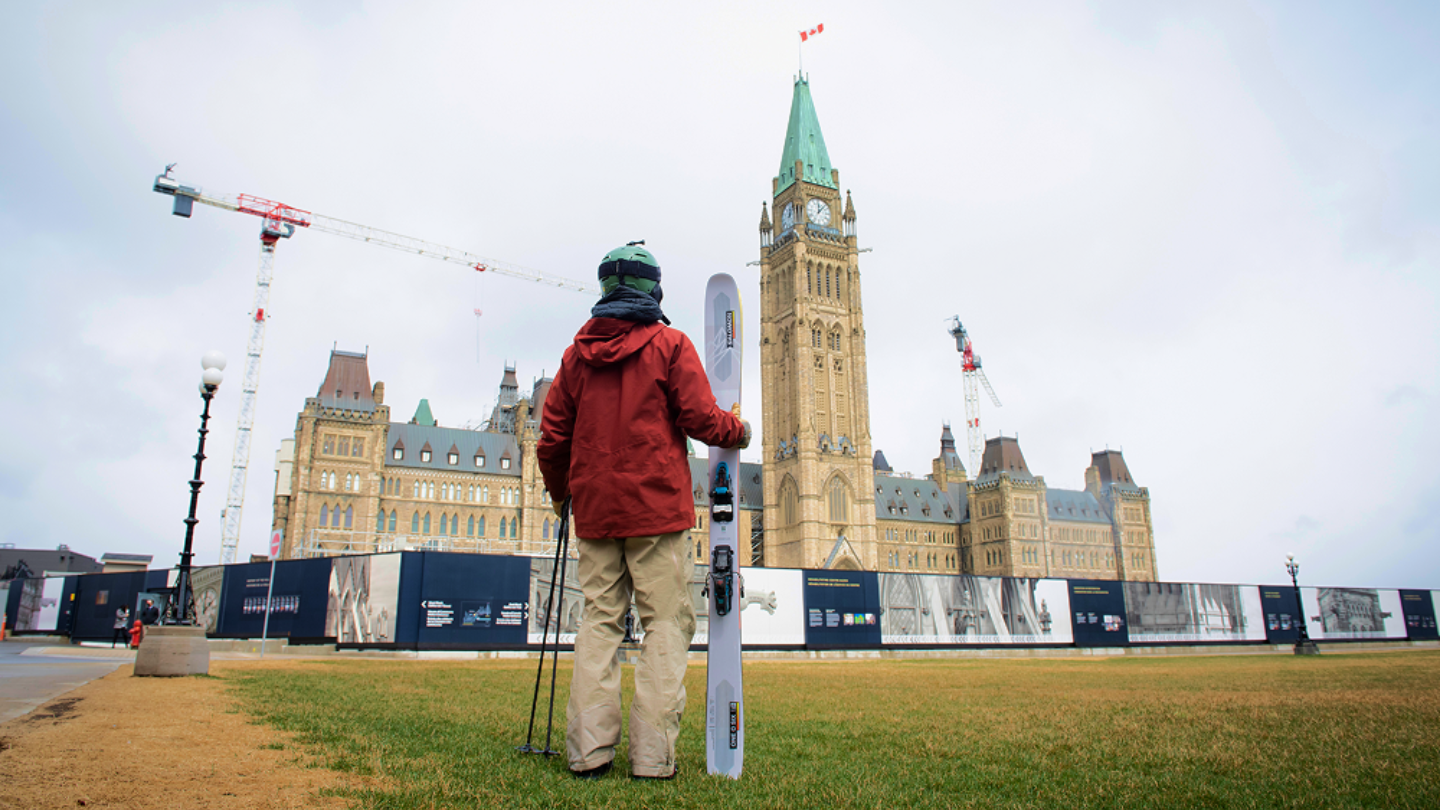
In 2007, professional snowboarder Jeremy Jones founded Protect Our Winters (POW), a non-profit organization designed to mobilize the outdoor sports community against climate change. This marked a turning point in the industry’s political engagement. Mike Douglas joined the POW Canada Alliance in 2018, representing a new breed of "athlete-advocates" who leverage their public profiles to influence policy. The partnership between Salomon and POW represents a strategic alignment between a major manufacturing entity and a grassroots advocacy group, aimed at bridging the gap between corporate sustainability goals and legislative action.
Salomon’s Sustainability Framework: From Manufacturing to Advocacy
As one of the world’s leading producers of winter sports equipment, Salomon faces the dual challenge of maintaining high-performance standards while drastically reducing its environmental footprint. The company’s "Play Minded" program outlines a series of ambitious targets for 2025 and beyond, focusing on carbon reduction, product circularity, and supply chain transparency.
Salomon has committed to a 30% reduction in its overall carbon emissions by 2030, a goal that requires a fundamental restructuring of its production processes. This includes a shift toward renewable energy sources in its manufacturing facilities and a significant reduction in air freight, which is one of the highest contributors to the brand’s carbon logistics footprint. Furthermore, the company is investing in "circular" product design. A notable example is the development of recyclable footwear and the exploration of bio-based materials in ski construction. By designing products that can be disassembled and repurposed at the end of their life cycle, Salomon aims to decouple business growth from resource depletion.
Mike Douglas plays a critical role in this ecosystem as a consultant who balances the needs of high-level athletes with the constraints of sustainable manufacturing. He notes that while athletes require gear that can withstand extreme conditions, they are increasingly unwilling to endorse products that contribute to the destruction of the environments where they work. This internal pressure from the athlete roster has become a powerful catalyst for innovation within Salomon’s research and development departments.
The Economic Imperative for Climate Action
The motivation for climate advocacy within the ski industry is not solely philanthropic; it is a matter of economic survival. The global ski resort industry is valued at over $30 billion, supporting hundreds of thousands of jobs in mountain communities. Shorter winters, erratic snowfall patterns, and the loss of glacial skiing directly threaten the viability of this economy.
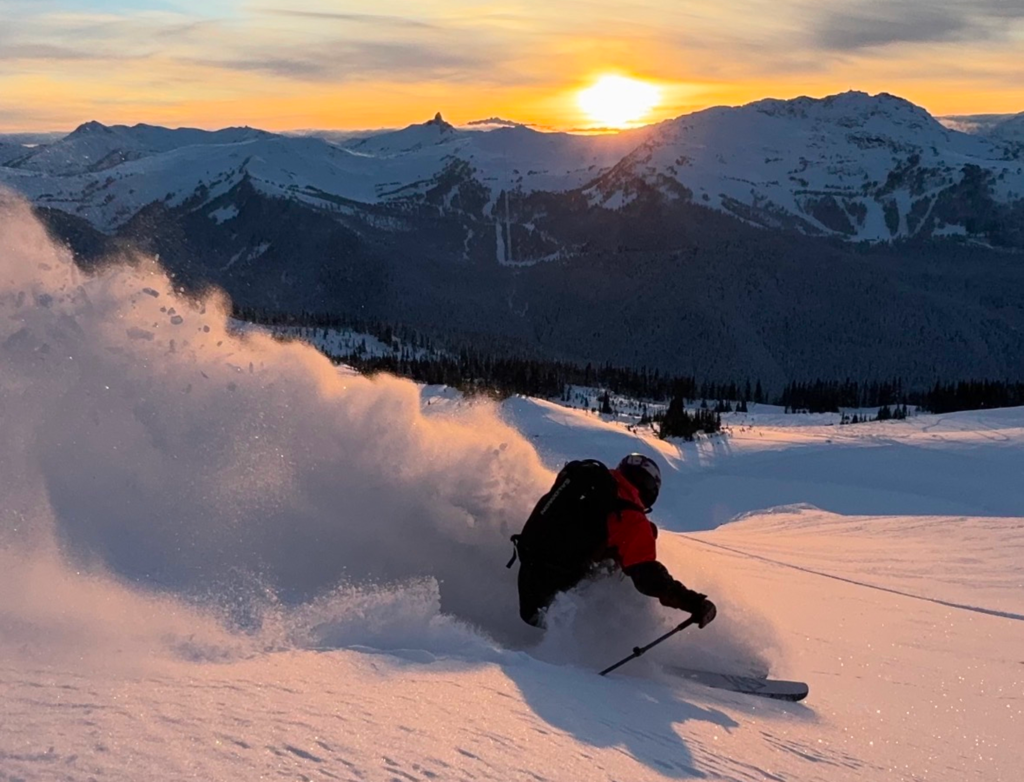
Data from the National Ski Areas Association (NSAA) suggests that low-snow years correlate with a significant drop in skier visits, which in turn impacts local hospitality, retail, and real estate sectors. In the United States alone, the winter sports industry is estimated to have lost over $1 billion in revenue and thousands of jobs over the last decade due to climate-related variability. By investing in advocacy and sustainability, brands like Salomon are essentially engaging in a form of long-term risk management. They recognize that without a stable climate and reliable winters, the market for skis, boots, and technical apparel will eventually evaporate.
Official Responses and Industry Sentiment
The shift toward sustainability has met with a range of responses from across the industry. While some critics argue that the carbon footprint of global travel for skiing remains an unresolved contradiction, major players are increasingly vocal about their commitment to change. Vail Resorts, which owns Whistler Blackcomb, has implemented its "Commitment to Zero," a goal to reach a zero net operating footprint by 2030. This includes zero net emissions, zero waste to landfills, and a zero net impact on forests and local habitats.
Industry analysts suggest that the "Salomon model"—integrating athlete influence with corporate policy—is becoming the new standard. There is a growing consensus that "greenwashing," or the use of superficial environmental claims for marketing purposes, is no longer effective in a market populated by highly informed consumers. Modern outdoor enthusiasts often scrutinize a brand’s political donations, supply chain ethics, and carbon disclosures before making a purchase.
Broader Impact and the Future of Winter Culture
The loss of summer skiing on the Horstman Glacier is more than a missed opportunity for training; it is a cultural loss. For many, the glacier represented the possibility of an endless winter, a concept that fueled the romanticism of the ski lifestyle. Its disappearance forces a reimagining of what it means to be an outdoor enthusiast in the 21st century.
The future of the industry likely lies in a combination of technological innovation and political mobilization. On the technical side, snowmaking technology is becoming more efficient, and ski designs are evolving to handle the "variable" conditions that are becoming more common. On the political side, the outdoor industry is beginning to flex its muscle as a lobbying force. Organizations like POW are training athletes to meet with lawmakers, advocating for carbon pricing, clean energy transitions, and land conservation.

Mike Douglas’s message to the industry is one of urgency. The "window for action" he describes refers to the narrow timeframe remaining to limit global warming to levels that would preserve some semblance of the winter season as it is currently known. The closure of the Horstman Glacier serves as a permanent reminder that the environment is not a static backdrop for sport, but a fragile system that requires active protection.
As the industry moves forward, the success of partnerships between brands, athletes, and advocacy groups will be measured not just by sales figures or social media engagement, but by the tangible reduction of carbon outputs and the preservation of the remaining alpine glaciers. The story of Salomon and Mike Douglas is a microcosm of a larger global transition—one where the pursuit of adventure must be balanced with the responsibility of preservation. The mountains are changing, and the industry that relies on them has no choice but to change in tandem.
