


The research, funded by the National Science Foundation (NSF), focuses on the complex mechanics of ice shelf stability. Ice shelves are floating extensions of the land-based ice sheets that ring approximately 75% of the Antarctic continent. Their primary function is "buttressing"—acting as a physical barrier that slows the flow of glacial ice from the continent into the Southern Ocean. If these shelves collapse, the land-based glaciers they hold back would accelerate their descent into the sea, leading to a rapid and catastrophic rise in global sea levels.
The Critical Role of Ice Shelves in Global Climate Stability
To grasp the gravity of Dr. Banwell’s research, one must consider the sheer volume of water locked within the Antarctic cryosphere. Glaciologists estimate that if the entire Antarctic Ice Sheet were to melt, global sea levels would rise by approximately 190 feet. While such a total melt is not projected in the immediate future, even partial collapses of major ice systems could have devastating consequences for human civilization.
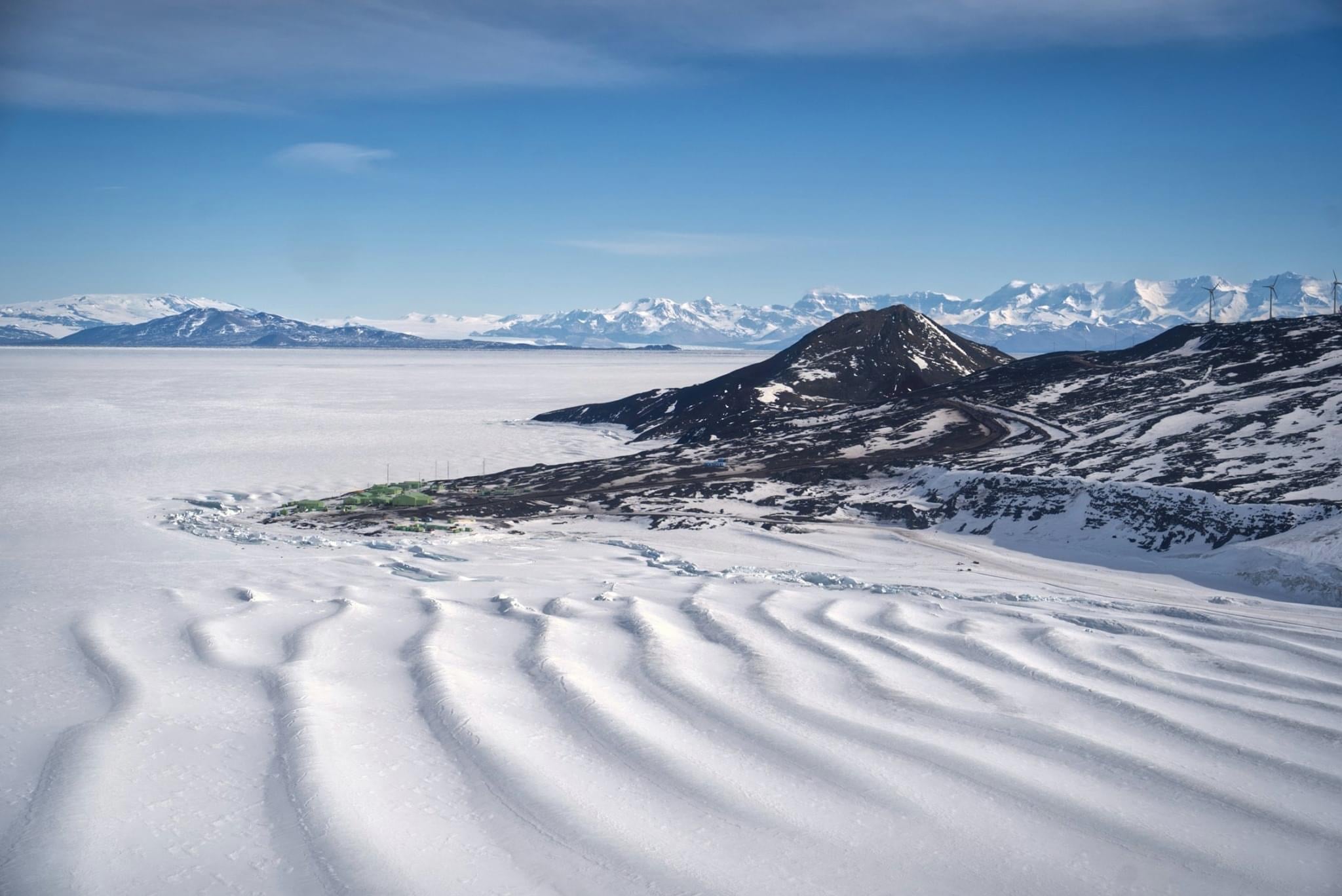
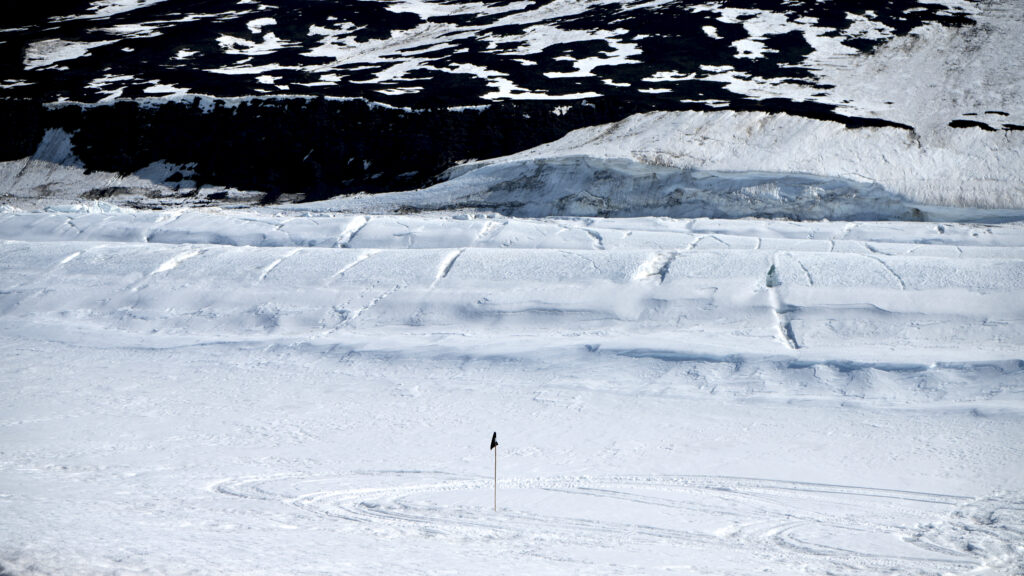
The McMurdo Ice Shelf, located near the United States’ McMurdo Station on Ross Island, serves as a critical laboratory for studying these dynamics. Unlike many ice shelves that flow unimpeded toward the open ocean, the McMurdo shelf exhibits unique behavior. In certain sectors, the ice is being compressed against land masses rather than flowing outward. This pressure causes the ice to buckle and fold, creating features known as "ice shelf rumples." These wave-like ridges and internal fractures represent a scientific paradox: it is currently unclear whether these rumples provide additional structural support to the shelf or if they represent points of terminal weakness that could lead to fragmentation.
Chronology of the Field Expedition: Six Weeks in the Frozen Wilderness
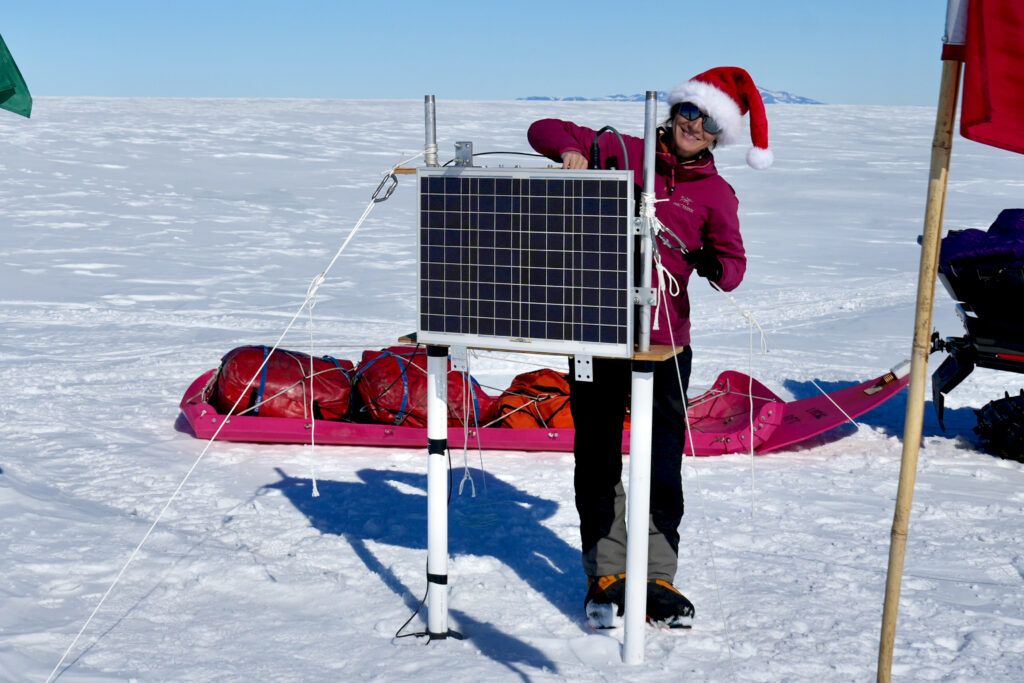
The recent field season involved a six-week deployment of a four-person team consisting of Dr. Banwell, Co-Principal Investigator Dr. Ryan Cassotto (University of Colorado Boulder/University of Maine), and PhD students Allie Berry (University of Maine) and Michela Savignano (University of Colorado Boulder). The expedition’s timeline was characterized by grueling physical labor and the precision deployment of sensitive scientific instruments.
Operating from a base near Ross Island, the team traveled daily via snowmobile across the "otherworldly" landscape of the ice shelf. The first two weeks were dedicated to the transport of equipment and the identification of safe routes through crevasse-heavy zones. The middle phase of the mission involved the installation of a comprehensive sensor network designed to monitor the shelf’s "vital signs" throughout the dark, inaccessible Antarctic winter.
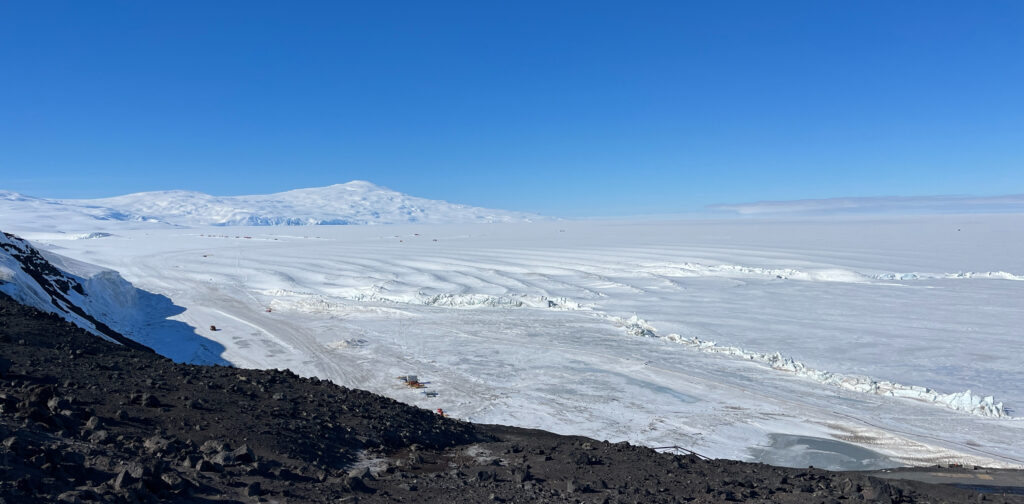
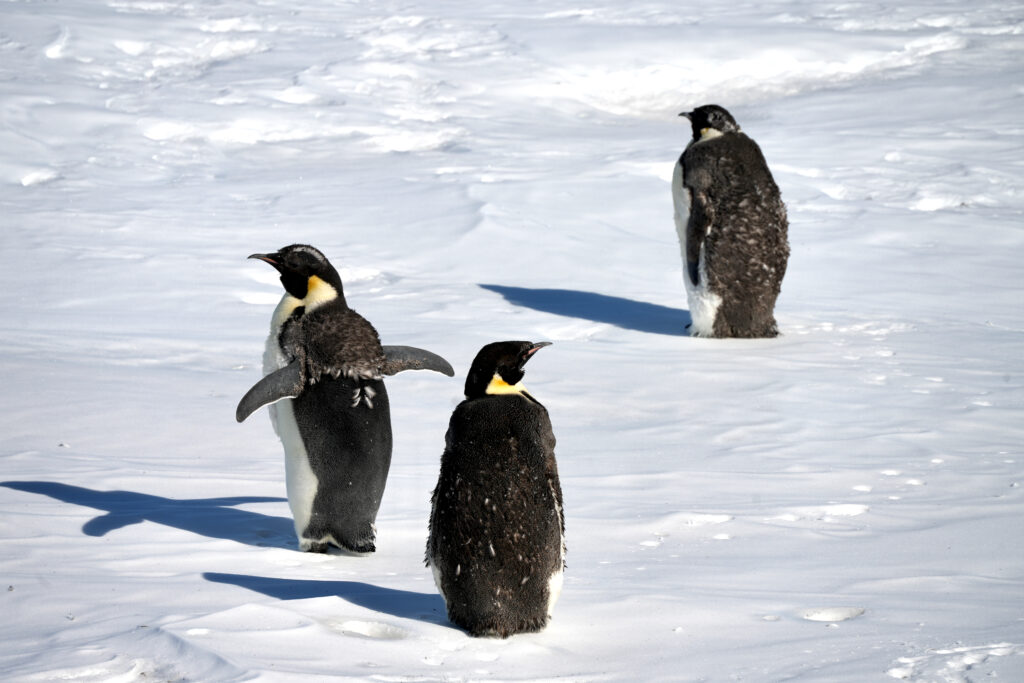
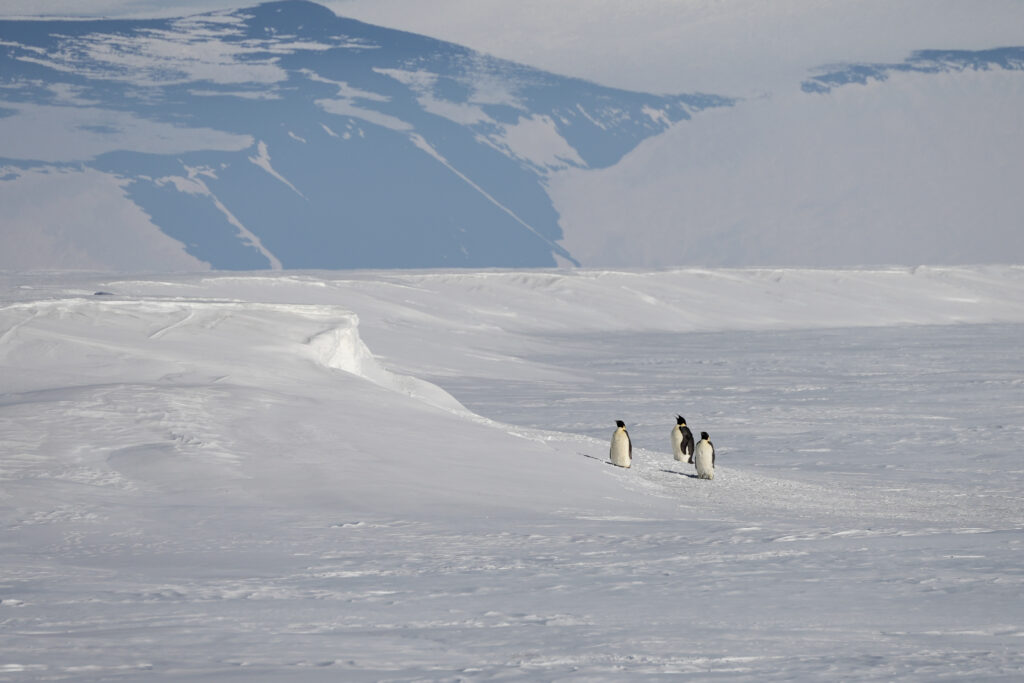
During the final weeks of the expedition, the team conducted intensive radar surveys and GPS mapping. Despite the isolation, the researchers were not entirely alone; they shared their field site with three emperor penguins in the midst of their annual molt. The presence of these iconic animals served as a constant reminder of the ecosystem that depends entirely on the stability of the ice.
Technological Suite and Data Collection Strategy
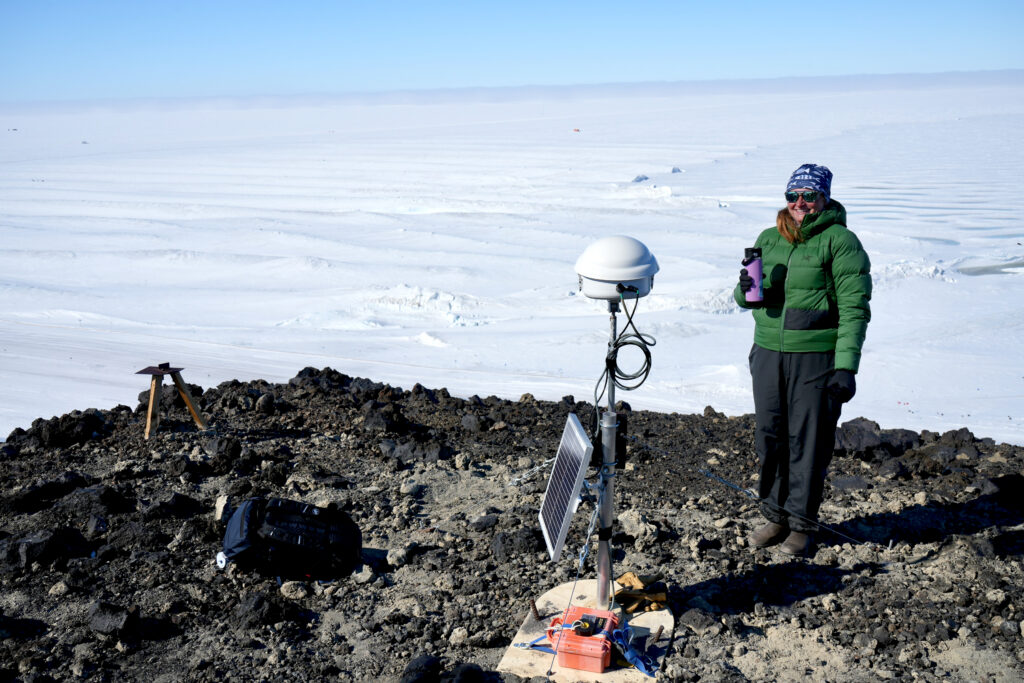
The scientific infrastructure left behind by Dr. Banwell’s team is one of the most sophisticated arrays ever deployed on the McMurdo Ice Shelf. The objective is to create a multi-dimensional dataset that captures the shelf’s response to both atmospheric and oceanic stressors. The instrument network includes:
- Seismometers: These devices are calibrated to detect "icequakes"—the subtle vibrations and acoustic signals produced when ice fractures or shifts. By monitoring these signals, researchers can determine the rate at which new cracks are forming within the rumples.
- High-Precision GPS Units: Measuring movement down to the centimeter, these units track the velocity of the ice shelf. Early field observations already indicate the ice is moving at a rate of one to two feet per day, a speed that underscores the dynamic nature of the shelf.
- Radar Systems: Ground-penetrating radar allows the team to visualize the internal deformation of the ice and measure its thickness, providing a "cross-section" of the shelf’s health.
- Weather Stations and Time-Lapse Cameras: Atmospheric data, including temperature and wind speed, is cross-referenced with visual records. The cameras are programmed to take a photograph every 30 minutes, ensuring a continuous visual history of the surface melt and fracture propagation throughout the year.
This data will remain on the ice through the harsh Antarctic winter, with the team scheduled to return in the next field season to retrieve the instruments and begin the arduous process of data analysis.
Environmental Anomalies and Early Observations
While the full dataset is yet to be analyzed, Dr. Banwell reported several unsettling observations from the most recent season. This year marked the warmest summer she has experienced in seven seasons of Antarctic fieldwork. The elevated temperatures led to an early and extensive melt of the surface snow layer, revealing a landscape far more fractured than previous satellite imagery had suggested.
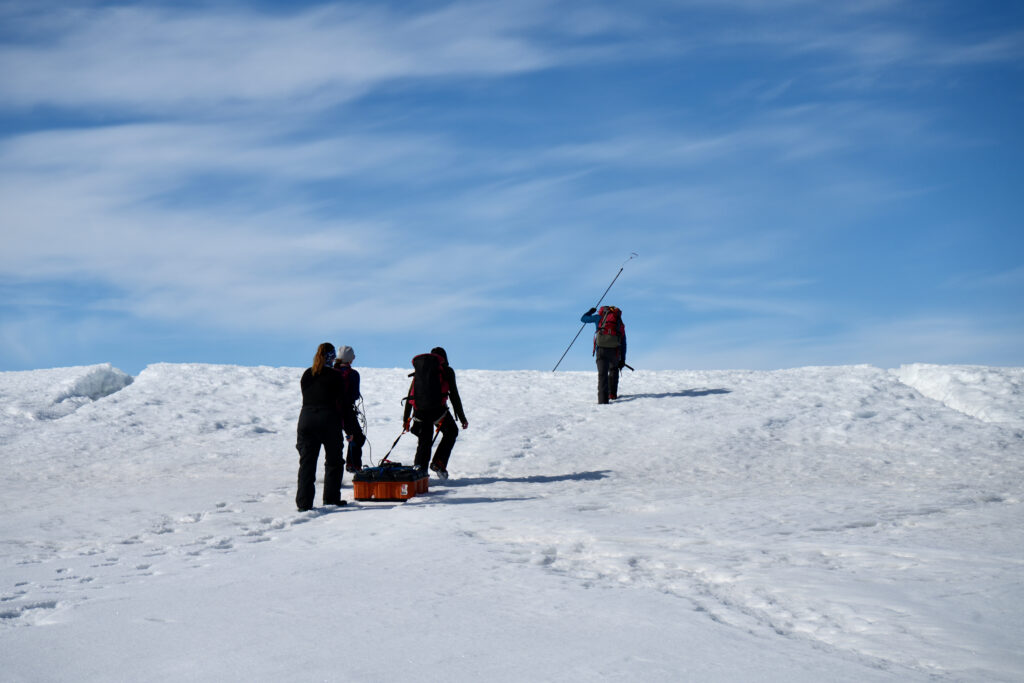
"We found a far more fractured ice surface," Dr. Banwell noted, emphasizing that the team encountered significantly more crevasses than anticipated. This increase in fracturing is a direct physical response to thermal stress. As surface meltwater percolates into existing cracks, it can trigger a process known as hydrofracturing, where the weight of the water forces the cracks to deepen and widen, potentially leading to the rapid disintegration of the ice shelf.
The speed of the ice movement—averaging one to two feet per day—is another critical data point. While this may seem incremental, on a glaciological scale, it represents a high level of activity. When combined with the observed increase in surface fractures, it suggests that the McMurdo Ice Shelf may be entering a phase of heightened vulnerability.
Broader Impact: From the Antarctic Coast to Global Cities
The implications of Dr. Banwell’s research extend far beyond the scientific community. The stability of Antarctica’s ice shelves is a primary variable in global sea-level rise projections. Current models from the Intergovernmental Panel on Climate Change (IPCC) suggest a global sea-level rise of one to three feet by the end of the century. However, these models are heavily dependent on the "buttressing" effect of ice shelves remaining intact.
If ice shelves like McMurdo or the much larger Ross and Ronne shelves were to fail, the acceleration of land-ice discharge could push sea-level rise toward the higher end of projections, or even exceed them. A rise of three feet would be sufficient to displace tens of millions of people worldwide, threatening low-lying coastal cities such as Miami, New York, Shanghai, and Bangkok. The economic cost of such displacement and the loss of coastal infrastructure are estimated in the trillions of dollars.
Furthermore, the research highlights the "tipping point" nature of the Antarctic climate. Once an ice shelf begins to collapse, the process is often irreversible. The data collected by Dr. Banwell’s team will be used to refine climate models, allowing policymakers and urban planners to better prepare for the realities of a rising ocean.
Conclusion and Future Outlook
The work of Dr. Ali Banwell and her colleagues represents the front line of climate science. By enduring the extreme conditions of the McMurdo Ice Shelf, they are gathering the "ground-truth" data that satellite observations alone cannot provide. The synthesis of seismic signals, GPS tracks, and radar images will eventually provide a definitive answer to the question of whether the shelf’s rumples are a source of strength or a precursor to collapse.
As the instruments sit in the silence of the Antarctic winter, they continue to record the subtle movements of a continent in transition. The return of the team next season will mark the beginning of a new chapter in our understanding of the cryosphere. In the race against a warming climate, the insights gained from the McMurdo Ice Shelf may provide the critical lead time needed for the world to adapt to an encroaching sea. The weight of Antarctica’s ice is measured in gigatons, but as Dr. Banwell’s research proves, the future of the global coastline is measured in the millimeters of movement captured by a GPS unit in the middle of a frozen wasteland.
