

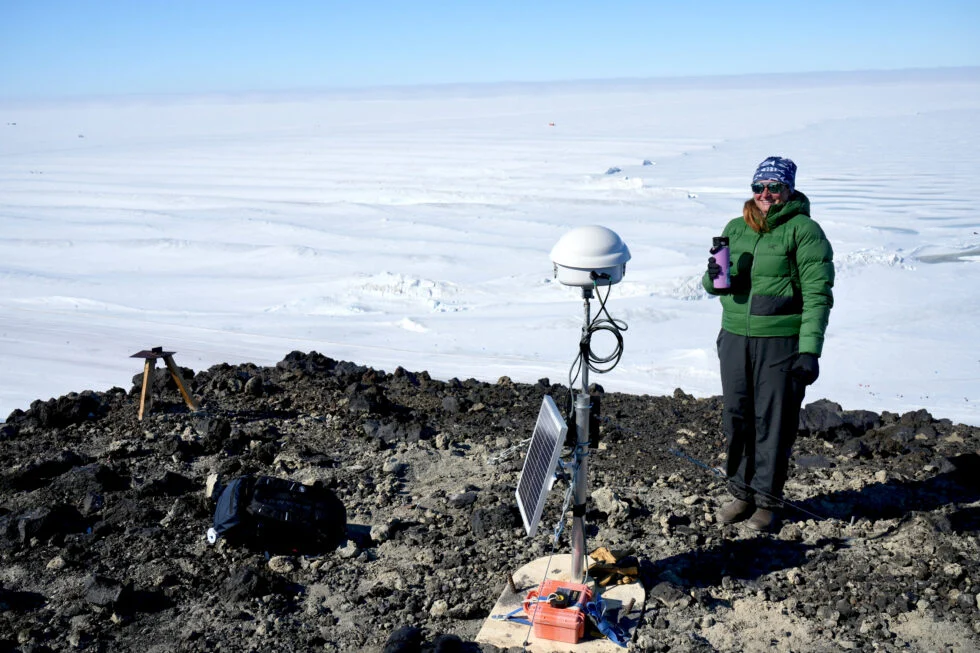
The Antarctic continent, a desolate expanse of ice and rock at the southernmost point of the globe, serves as the world’s largest reservoir of freshwater and its most significant potential driver of sea-level rise. Within this high-stakes environment, Dr. Ali Banwell, a prominent member of the POW Science Alliance and a Research Scientist at the University of Colorado Boulder, is spearheading a critical investigation into the structural integrity of the continent’s ice shelves. As global temperatures continue to fluctuate and trend upward, the question driving her research is no longer if the ice will change, but how rapidly those changes will translate into global coastal displacement.
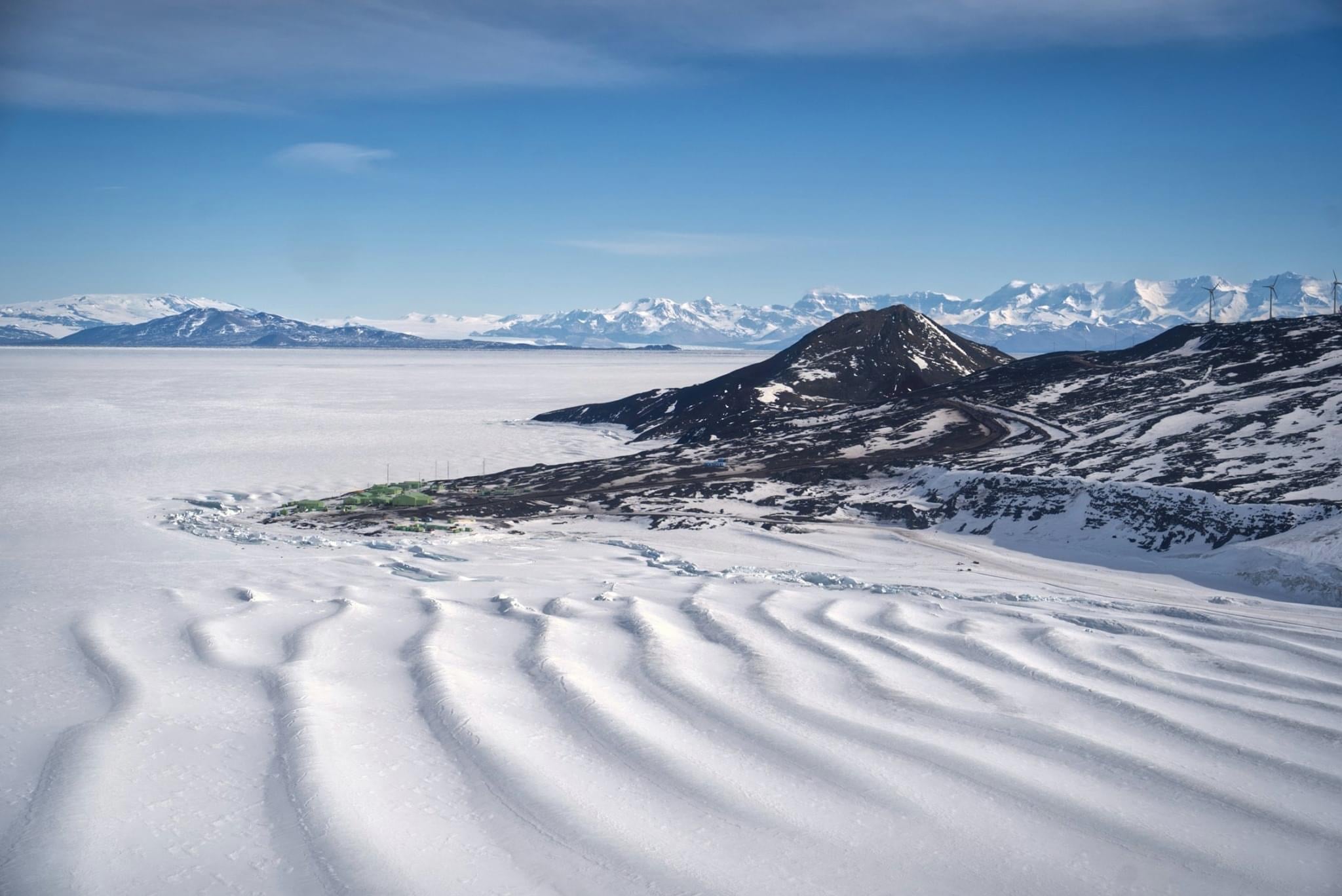
Dr. Banwell, who also serves as a Professor in Glaciology at Northumbria University in the United Kingdom, recently concluded an intensive field season on the McMurdo Ice Shelf. This region, situated near the primary United States research hub at McMurdo Station on Ross Island, serves as a natural laboratory for studying the complex mechanics of glacial flow. The research, funded by the National Science Foundation (NSF), seeks to decode the behavior of "ice shelf rumples"—unique topographical features that may hold the key to predicting the future of the Antarctic Ice Sheet.
The Mechanics of Glacial Buttressing and Global Sea Levels
To grasp the gravity of Dr. Banwell’s research, one must understand the fundamental relationship between Antarctica’s land-based ice sheets and its floating ice shelves. The Antarctic Ice Sheet is a massive layer of ice resting on the continental landmass. If this entire volume of ice were to melt and enter the ocean, global sea levels would rise by approximately 190 feet. While scientists do not expect such a total collapse in the immediate future, even fractional losses can have catastrophic consequences for global civilization.
Ice shelves act as the continent’s "last line of defense." These are vast, floating extensions of the land-based glaciers that ring roughly 75% of the Antarctic coastline. In a process known as "buttressing," these shelves provide a back-pressure that slows the flow of glaciers from the land into the sea. When an ice shelf thins or collapses, this resistive force is removed, allowing the land-based ice to accelerate its descent into the ocean. This acceleration is the primary mechanism through which Antarctica contributes to global sea-level rise.
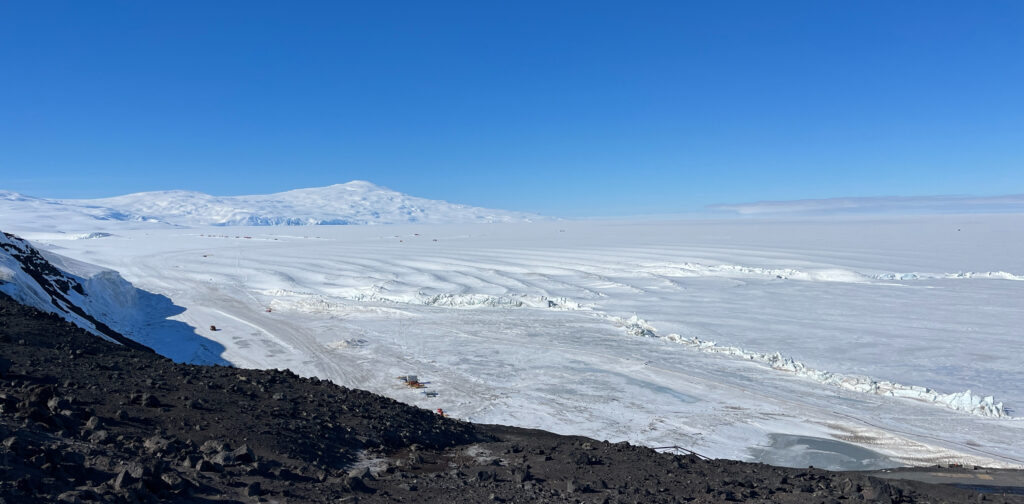
The McMurdo Ice Shelf presents a specific glaciological puzzle. While most ice shelves flow outward toward the open ocean, portions of the McMurdo shelf are being compressed against landmasses. This compression forces the ice to buckle and "crumple," creating wave-like ridges known as rumples. These features can stretch for miles across the ice surface, often accompanied by deep fractures and buckling. The central objective of Dr. Banwell’s team is to determine whether these rumples act as structural anchors that help hold the shelf together or if they represent points of terminal weakness where the shelf is likely to shatter.
Chronology of the Six-Week Expedition
The recent field season involved a rigorous six-week deployment on the ice. Dr. Banwell led a specialized four-person team, including Co-Principal Investigator Dr. Ryan Cassotto from the University of Colorado Boulder and the University of Maine, and PhD students Allie Berry (University of Maine) and Michela Savignano (University of Colorado Boulder).
The team’s daily operations were defined by the harsh realities of the Antarctic summer. Operating under a sun that never sets, the scientists traveled across the shelf via snowmobile, navigating a landscape that Dr. Banwell describes as "vast, remote, and at times almost otherworldly." The mission was not merely one of observation but of high-precision engineering and data collection.
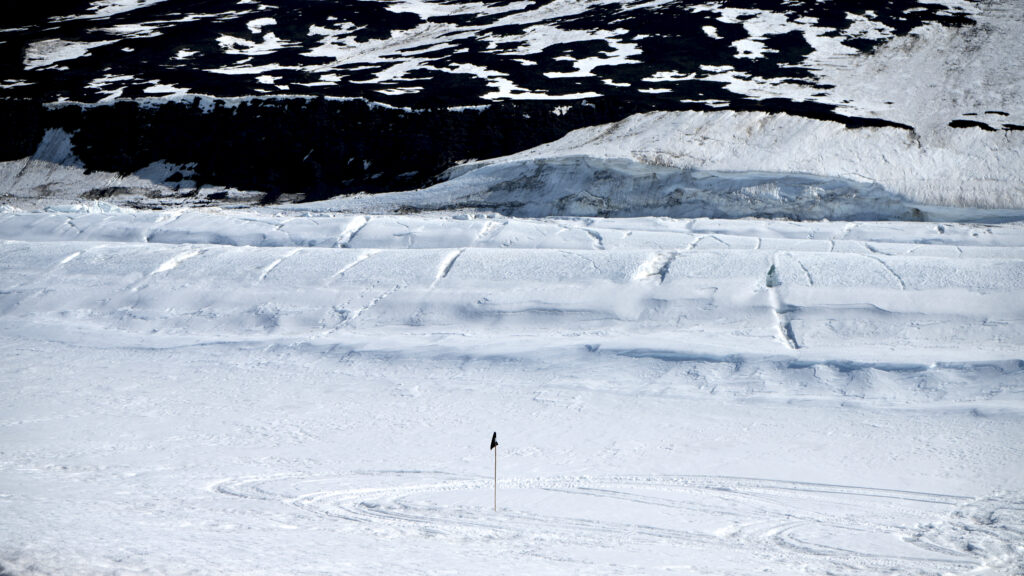
The expedition followed a strict timeline:
- Site Assessment and Safety Training: Initial weeks were dedicated to mountaineering training and crevasse rescue drills, essential for a team working on a fractured and dynamic ice surface.
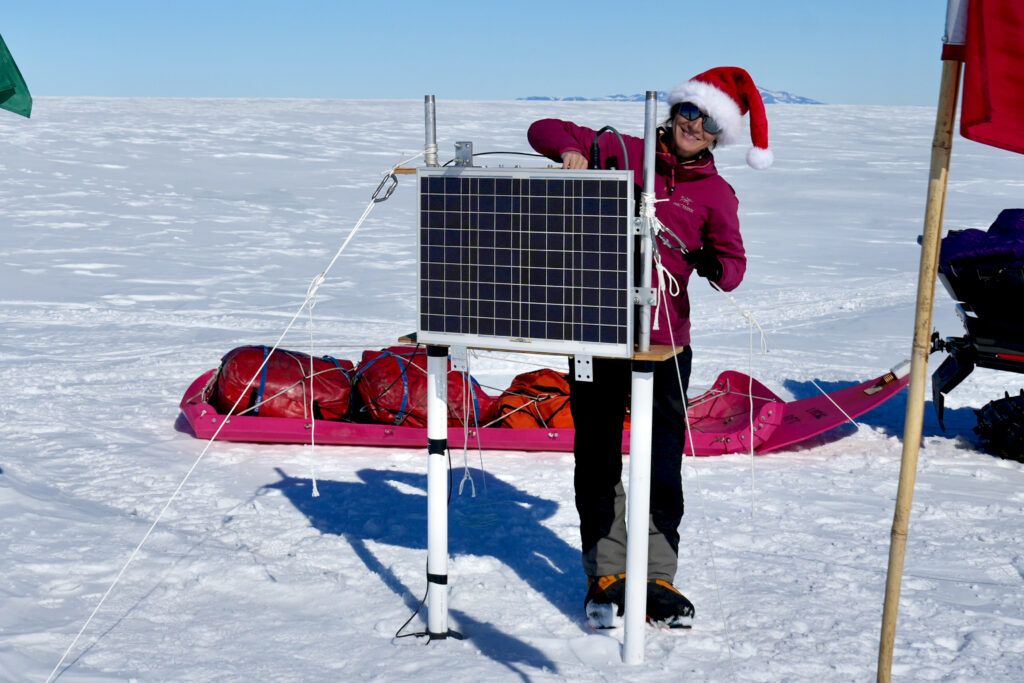
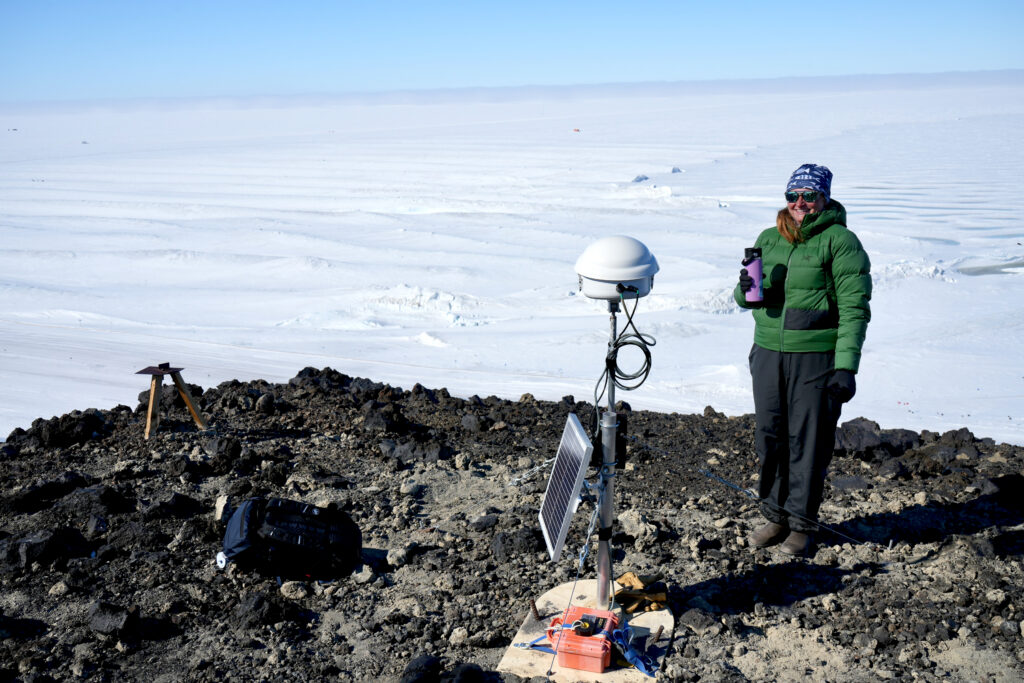
- Instrument Deployment: The team established a sophisticated network of sensors across the rumple zone. This included the installation of seismometers, GPS units, and weather stations.
- Internal Mapping: Utilizing radar systems, the researchers spent the middle weeks of the expedition measuring the thickness of the ice and mapping internal deformations that are invisible from the surface.
- Monitoring and Observation: The final stage involved the placement of time-lapse cameras designed to capture the shelf’s evolution throughout the upcoming Antarctic winter.
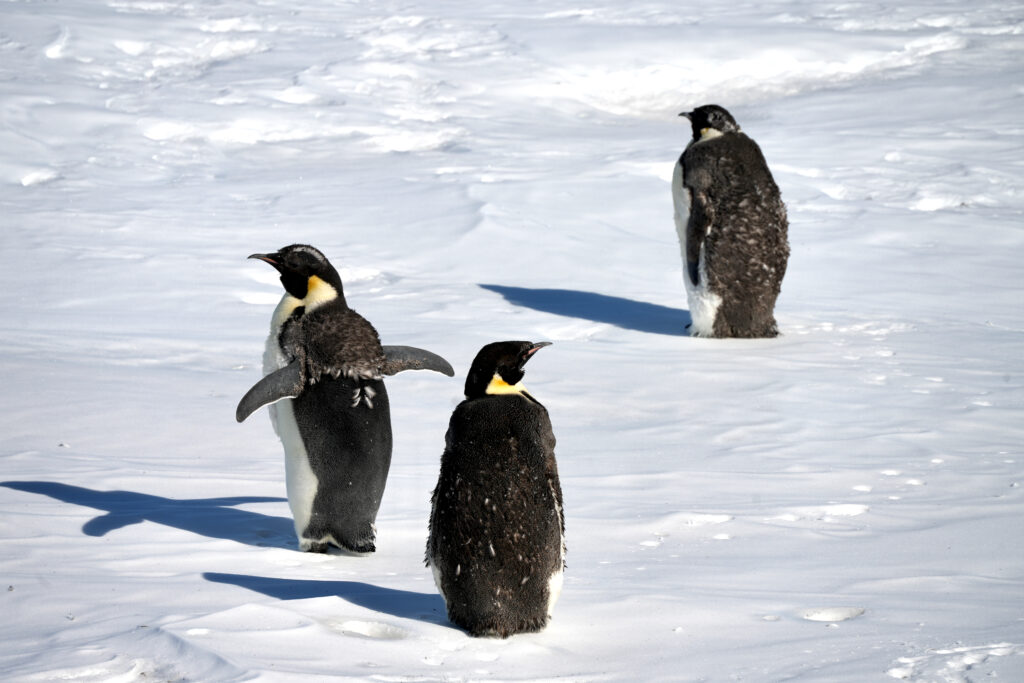
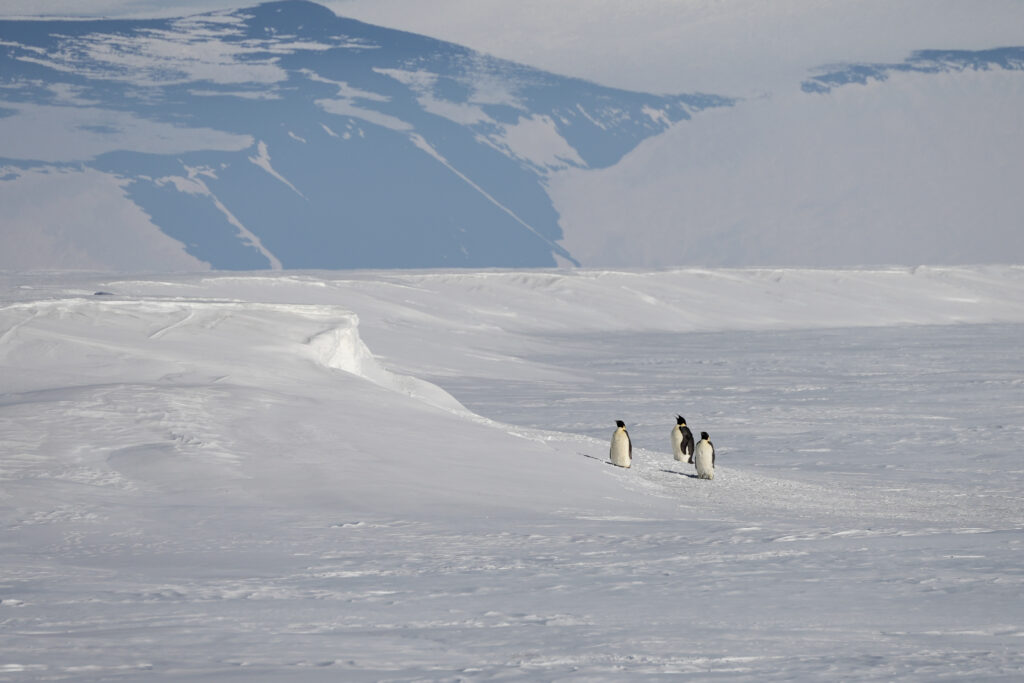
Throughout the deployment, the team shared their workspace with three emperor penguins in the midst of their annual molt. The presence of these animals provided a stark reminder of the biological ecosystems that depend on the stability of the ice shelves currently under study.
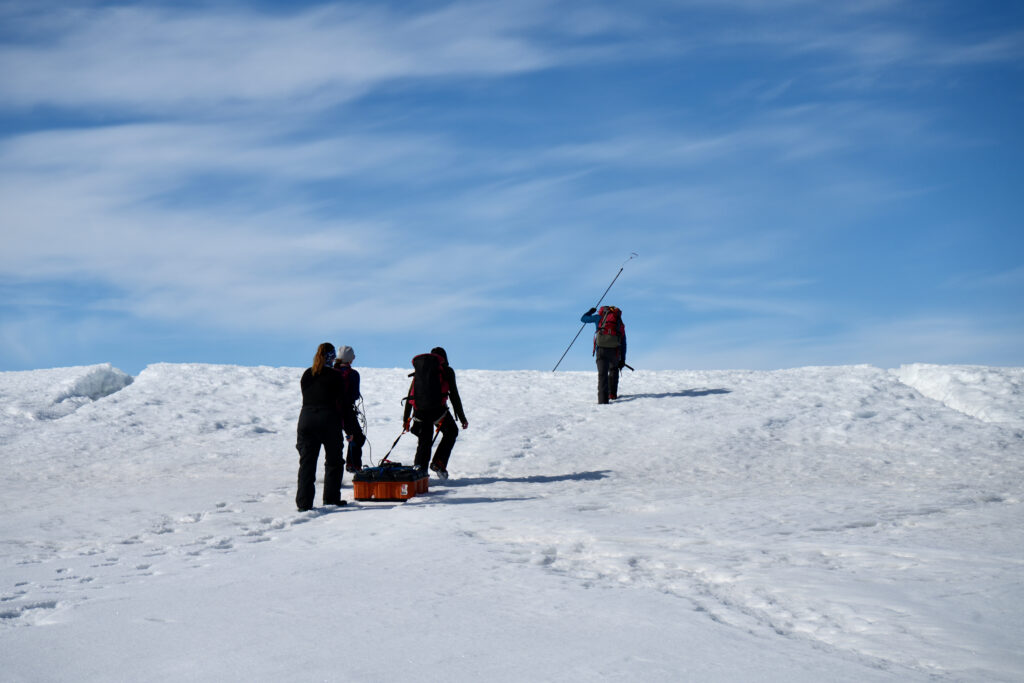
High-Precision Data and Early Observations
The technical arsenal deployed by Dr. Banwell’s team represents the cutting edge of glaciological research. Seismometers were used to detect "icequakes"—the sound of the ice cracking and shifting internally. GPS units, capable of measuring movement with centimeter-level precision, were synchronized to track the daily drift of the shelf. Additionally, weather stations were erected to correlate physical ice changes with atmospheric data, such as wind speed and temperature fluctuations.
Even before the full analysis of the retrieved data, the field season yielded several sobering observations. Dr. Banwell noted that the ice was moving significantly faster than previous models had predicted, averaging a displacement of one to two feet per day. While this may seem incremental, on a continental scale, such velocity indicates a highly dynamic and potentially unstable system.
Furthermore, the summer of this expedition was recorded as the warmest in Dr. Banwell’s seven seasons of Antarctic research. The unusual warmth led to premature snowmelt, which in turn exposed a heavily fractured surface. The team encountered a higher frequency of crevasses than anticipated, suggesting that the "rumple" zones are under intense structural stress. This increased fracturing is a direct consequence of surface meltwater percolating into existing cracks—a process known as hydrofracturing, which has been implicated in the rapid collapse of other ice shelves, such as the Larsen B Ice Shelf in 2002.
Broader Impact and Global Implications
The data collected by Dr. Banwell and her colleagues will be cross-referenced with satellite imagery to create a comprehensive model of ice shelf behavior. The implications of this work extend far beyond the scientific community. Current climate projections suggest that global sea levels could rise by one to three feet by the end of the 21st century. Such a rise would threaten the infrastructure and safety of tens of millions of people living in low-lying coastal areas, from the Eastern Seaboard of the United States to the megacities of Southeast Asia.
The stability of the McMurdo Ice Shelf serves as a proxy for the larger Antarctic system. If the "rumples" are found to be weakening, it suggests that other buttressing features across the continent may also be at risk. This would necessitate a significant upward revision of sea-level rise projections, giving coastal planners and governments less time to adapt to a changing coastline.
From a policy perspective, the research conducted by the POW Science Alliance underscores the urgency of climate mitigation. As Dr. Banwell warns, the continued rise in global temperatures will inevitably lead to more frequent ice-shelf break-up events. Once an ice shelf is lost, it cannot be easily restored; the resulting acceleration of land-based ice into the sea is a largely irreversible process on human timescales.
Conclusion and Future Research
As the Antarctic winter sets in, the instruments left behind by Dr. Banwell’s team remain in place, silently recording the shelf’s response to the extreme cold and the absence of sunlight. The team is scheduled to return to the McMurdo Ice Shelf next season to retrieve these devices and the months of data they contain. This dataset—comprising seismic signals, GPS tracks, radar profiles, and thousands of photographs—will provide the most detailed look to date at how ice shelf rumples influence the stability of the Antarctic perimeter.
The work of Dr. Ali Banwell and her team highlights a critical reality of the 21st century: the most significant changes to our global environment are often occurring in the most remote locations. By drilling into the cold and listening to the internal movements of the ice, these scientists are providing the essential data needed to navigate an uncertain future. In the high-stakes world of glaciology, every foot of movement and every degree of temperature change carries the weight of global consequences, reinforcing the necessity of continued, rigorous scientific inquiry into the world’s final frontier.
