

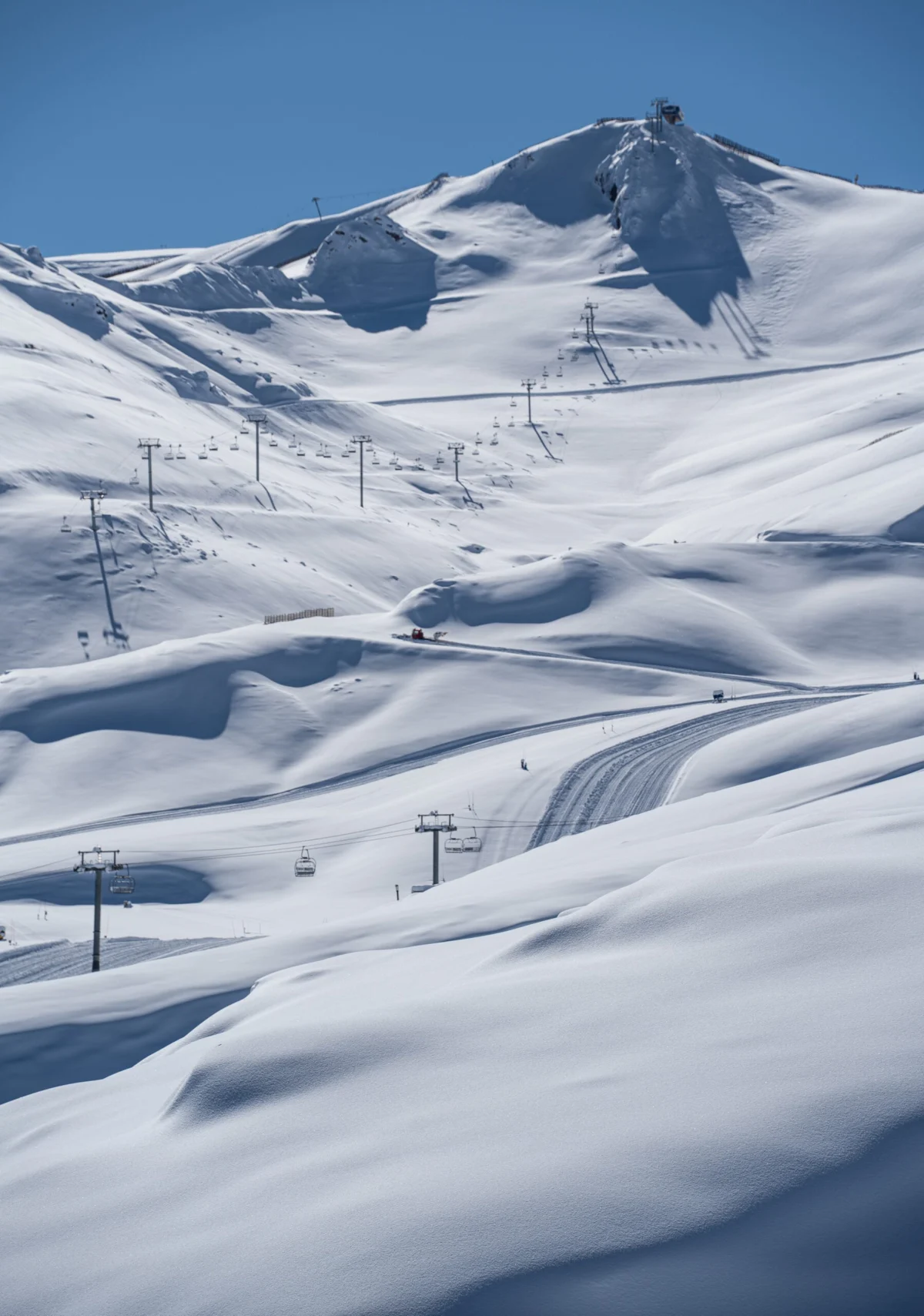
For dedicated skiers and snowboarders whose Northern Hemisphere season proved too brief or unsatisfying, the promise of continuous winter beckons from below the equator. Major multi-passes—including the Epic, Ikon, Indy, Mountain Collective, and Power Pass—have strategically expanded their offerings to include at least one Southern Hemisphere ski destination, providing an enticing opportunity for enthusiasts to extend their winter fantasies into the Northern summer months. With the Southern Hemisphere ski season typically commencing in June and running through late September or early October, the upcoming months present an ideal window for chasing fresh powder. Bolstering this prospect, the National Oceanic and Atmospheric Administration (NOAA) has issued a long-range forecast favorable for an El Niño winter in South America, historically associated with increased snowfall in the Andes, setting the stage for potentially epic conditions.
The Global Reach of Multi-Passes: A Strategic Evolution
The advent of multi-passes fundamentally transformed the ski industry in the Northern Hemisphere, shifting from individual resort passes to expansive networks offering access to dozens of destinations. This model, pioneered by Vail Resorts with the Epic Pass and subsequently challenged by Alterra Mountain Company’s Ikon Pass, has proven immensely popular, providing both cost savings and unparalleled variety for skiers. The strategic integration of Southern Hemisphere resorts into these global networks represents a logical next step in this evolution. For pass providers, it diversifies their product, enhances subscriber value, and generates year-round revenue streams. For the resorts themselves, it provides access to a vast international clientele, bolstering tourism and stability. This global strategy allows skiers to effectively "follow winter," transforming what was once a seasonal sport into a year-round pursuit. The inclusion of destinations in Chile, Argentina, and Australia reflects a calculated effort to cater to a demographic increasingly seeking unique and international travel experiences alongside their passion for skiing.
El Niño’s Influence: A Glimmer of Hope for South American Snowfall
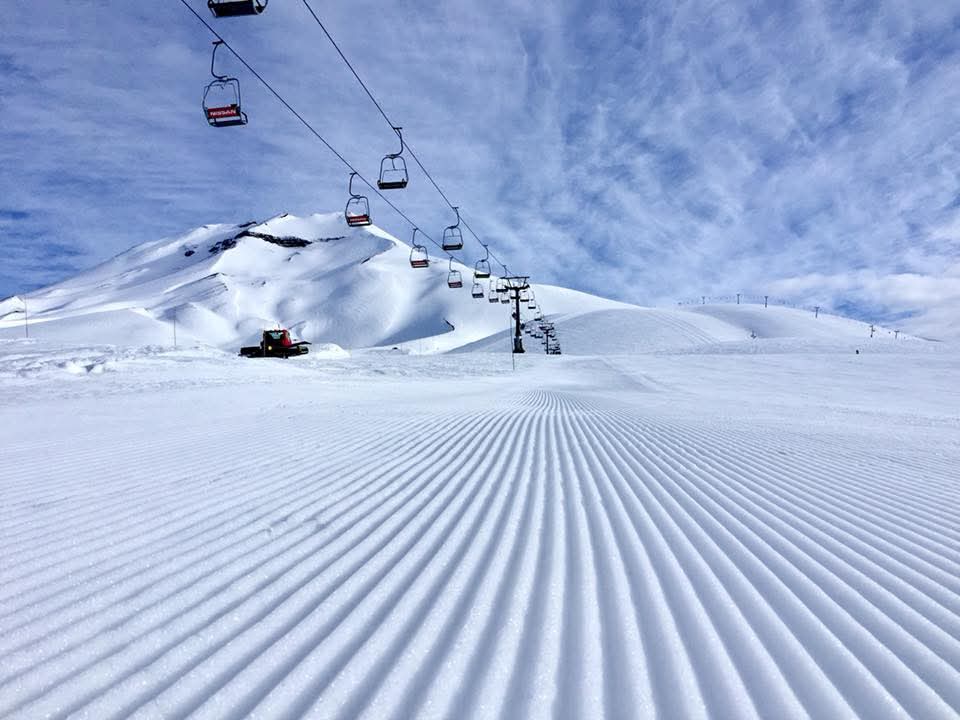
The current long-range forecast indicating an El Niño winter for South America is a significant factor for those planning a counter-seasonal ski trip. El Niño, a climate pattern characterized by warmer-than-average sea surface temperatures in the central and eastern Pacific Ocean, often correlates with increased precipitation, including snow, across parts of the Andes mountain range. Historically, strong El Niño events have led to some of the deepest snow years on record for Chilean and Argentinian ski resorts. For instance, the 1997-98 and 2015-16 El Niño cycles were notable for their abundant snowfall, creating exceptional conditions for skiing. While climate patterns are complex and local conditions can vary, the general outlook provides a strong optimistic signal for a robust Southern Hemisphere ski season, potentially offering deeper bases and more frequent powder days, further enhancing the appeal of these destinations.
Ikon Pass: Unlocking the Chilean Andes at Valle Nevado
Ikon Pass holders gain coveted access to one of South America’s premier ski destinations: Valle Nevado in Chile. Nestled high in the Andes, just an hour and a half from Santiago, Valle Nevado boasts over 2,000 skiable acres. Its high-alpine environment, with a base elevation of approximately 9,900 feet (3,025 meters) and a summit reaching over 12,000 feet (3,670 meters), ensures reliable snow conditions throughout the season. The resort is renowned for its consistent sunshine and dry, light powder, often referred to as "champagne powder."
Valle Nevado’s terrain offers a diverse experience, from wide-open groomers perfect for carving to challenging bowls and steeps that will test even the most experienced skiers. What truly elevates the Valle Nevado experience for Ikon Pass holders is its unique interconnectedness. The resort forms part of the "Tres Valles" (Three Valleys) ski area, offering potential access to neighboring La Parva and El Colorado, although Ikon Pass access specifically applies to Valle Nevado. With a total of 30 lifts serving the combined Valle Nevado and La Parva terrain (La Parva adds another nearly 2,000 acres), skiers can explore an expansive and varied landscape. Ikon Pass holders receive seven days of skiing on the full pass and five days on the Base Pass, with the added benefit of no blackout dates or holiday restrictions, providing maximum flexibility for travel planning. This partnership, established in recent years, has significantly raised Valle Nevado’s international profile, attracting a broader global audience and solidifying its status as a must-visit destination for serious skiers. The average annual snowfall at Valle Nevado typically exceeds 200 inches (500 cm), with the season often extending from mid-June to early October.
Mountain Collective and Power Pass: Shared Access to Chilean Peaks
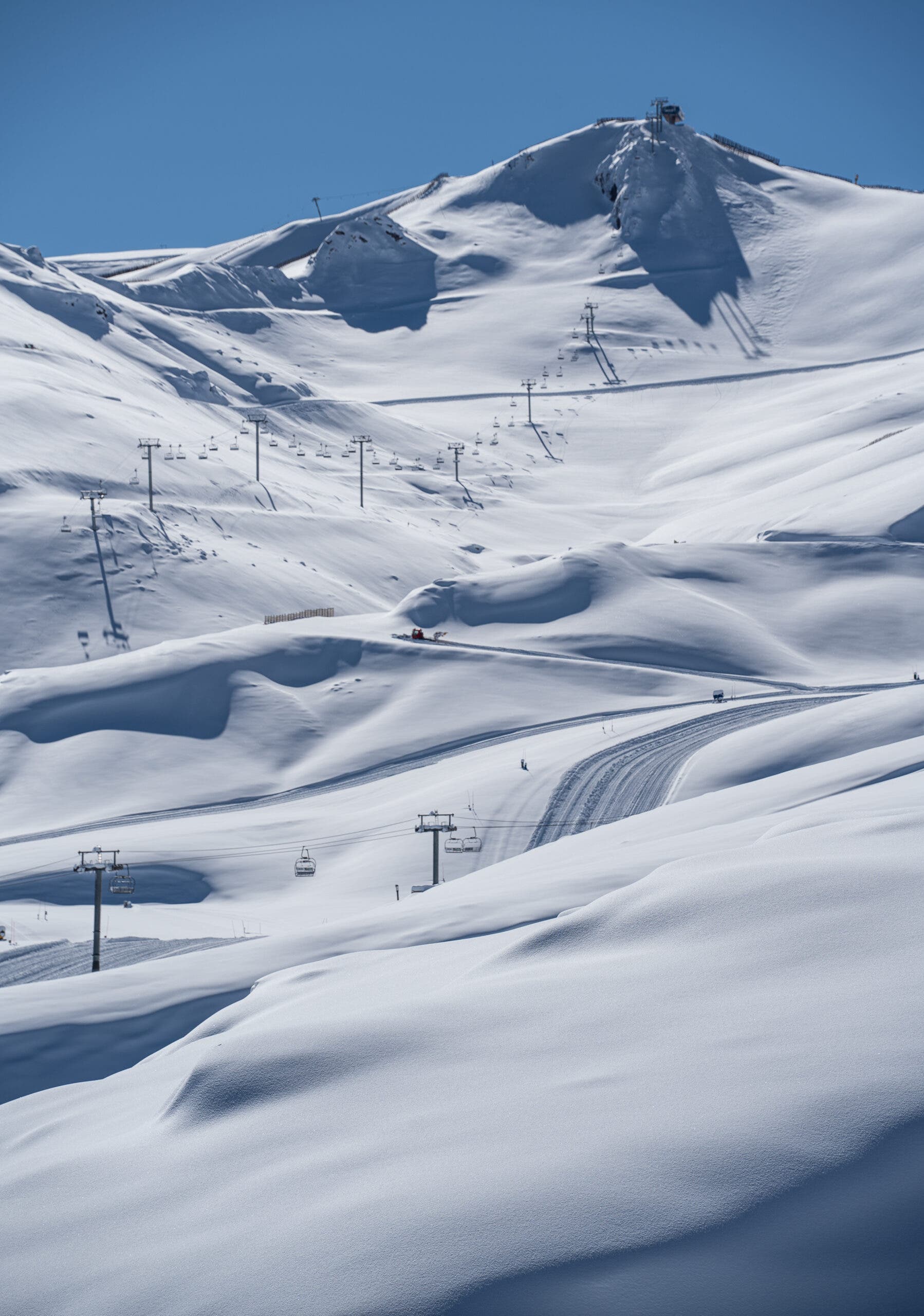
Valle Nevado’s prominence in the Southern Hemisphere ski scene is further underscored by its inclusion on both the Mountain Collective and Power Pass. These partnerships cater to slightly different segments of the ski market but share the goal of providing access to world-class destinations.
Mountain Collective pass holders receive two days of skiing at Valle Nevado, with the option to utilize their free bonus day for a third, extending their stay at this high-Andean gem. The Mountain Collective, known for its curated collection of iconic independent and smaller resorts globally, emphasizes quality and unique experiences, making Valle Nevado a natural fit.
The Power Pass, operated by Mountain Capital Partners, offers a more extensive experience, granting skiers 10 days to use between Valle Nevado and its interconnected neighbor, La Parva. This substantial allocation of days, coupled with no blackout restrictions, allows for a comprehensive exploration of the "Tres Valles" region. La Parva, with its distinct village atmosphere and a focus on challenging terrain, complements Valle Nevado’s more expansive feel. Its slopes are popular with locals and offer incredible views of Santiago. The Power Pass’s inclusion of these resorts reflects its commitment to providing exceptional value and diverse terrain options across its network, which primarily features resorts in the Southwestern U.S. and Rockies. Both partnerships contribute significantly to the local Chilean economy by drawing international visitors who often engage with local services, accommodation, and cultural experiences beyond the slopes.
Indy Pass: Discovering the Volcanic Slopes of Ski Corralco
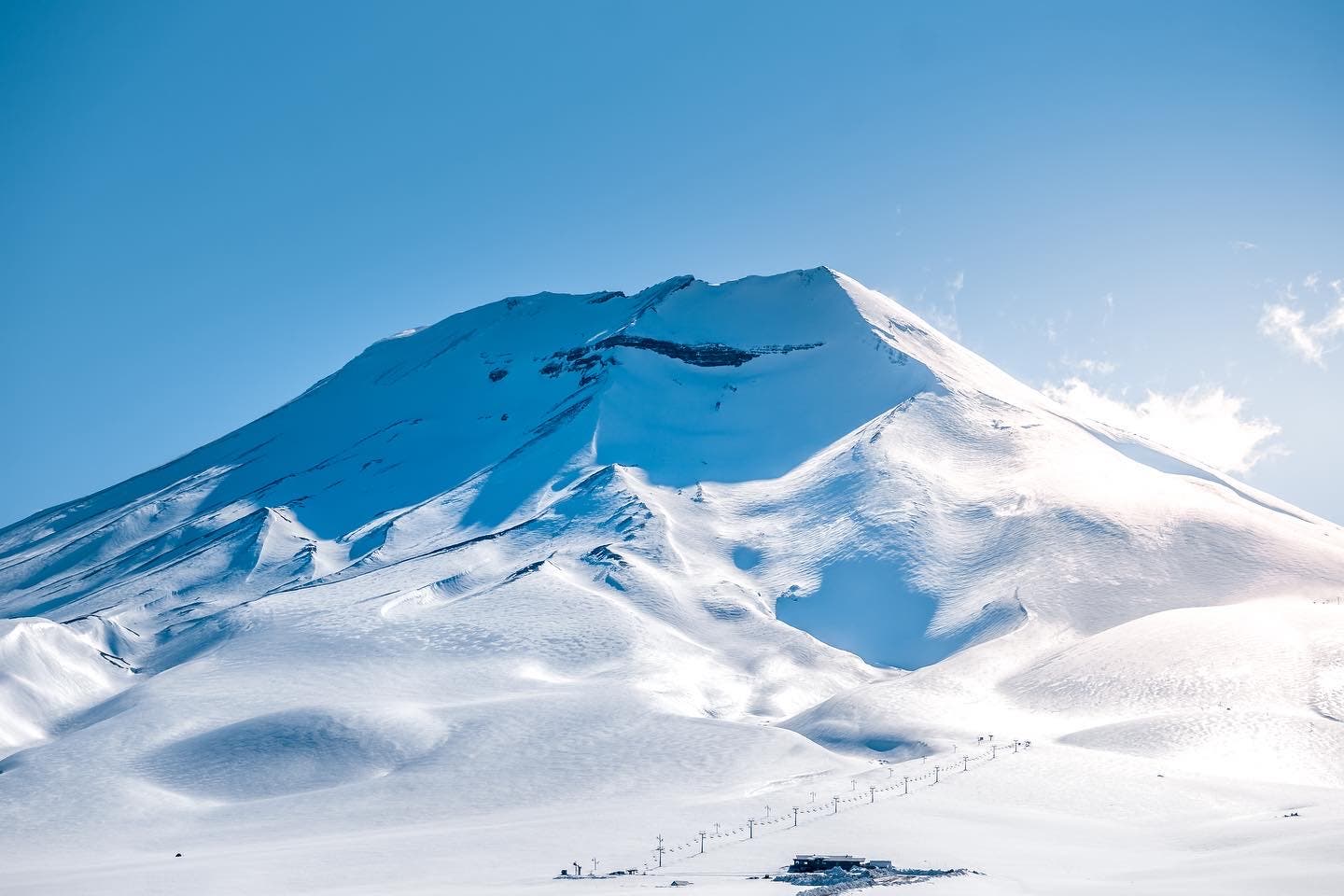
For those seeking a more unique and off-the-beaten-path Southern Hemisphere adventure, the Indy Pass offers access to Ski Corralco in the Chilean Andes. Joining the Indy Pass network last year, Corralco presents a distinct experience, set dramatically on the slopes of the dormant Lonquimay Volcano. This geological marvel provides a stunning backdrop for skiing, with its vast, open terrain and panoramic views of neighboring volcanic peaks, often numbering seven on a clear day from the summit ridge.
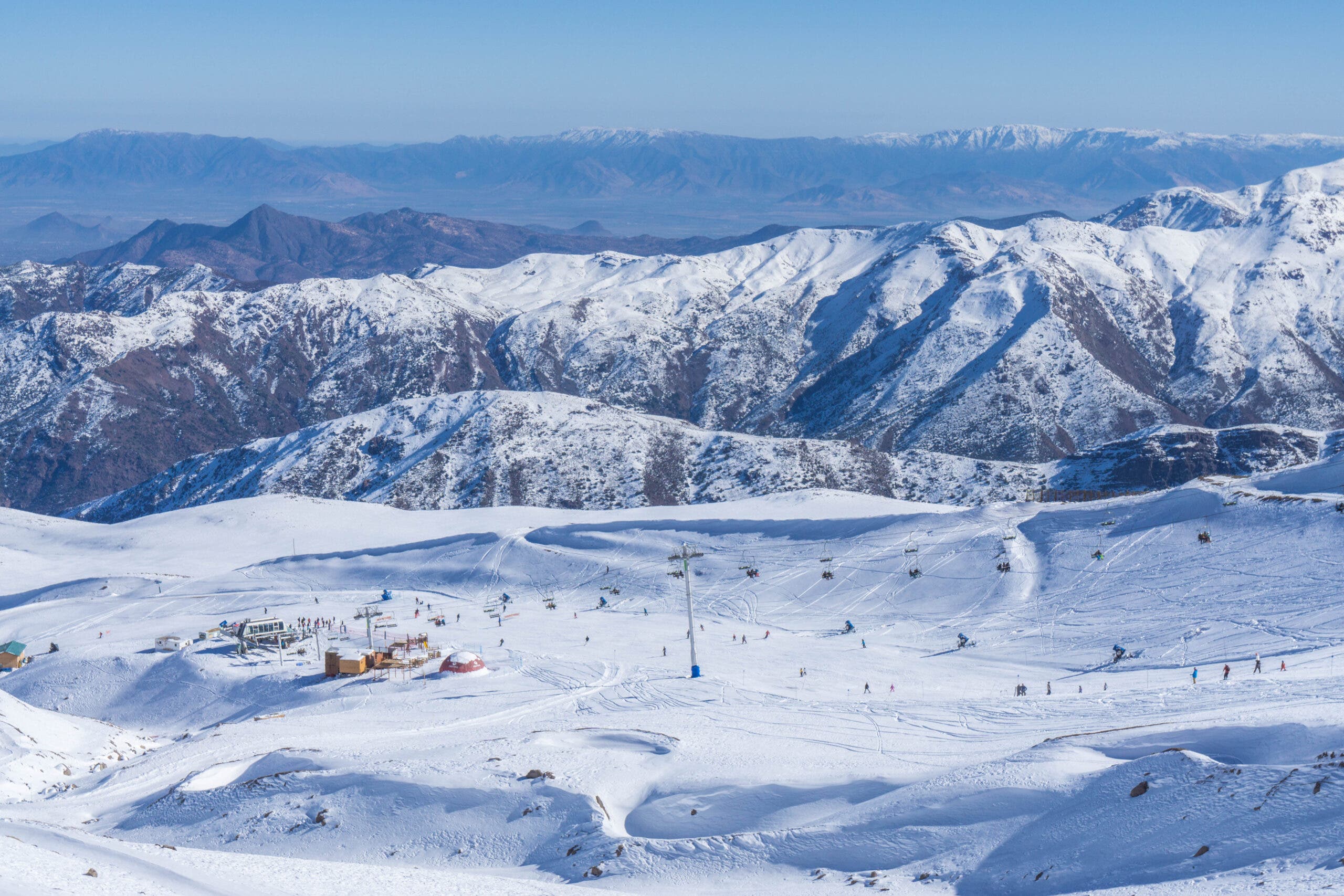
Corralco features eight lifts, catering to a balanced mix of expert runs, intermediate pistes, and beginner trails, making it accessible to various skill levels. Its impressive vertical drop of over 4,000 feet (1,200 meters) offers sustained descents, a rarity in many Southern Hemisphere resorts. Beyond the groomed trails, Corralco is celebrated for its incredible backcountry access. The surrounding volcanic landscape provides endless opportunities for guided off-piste exploration, with vast open faces and tree skiing in ancient Araucaria forests. For safety and an optimal experience, hiring a local guide is strongly recommended for backcountry ventures, ensuring knowledge of local conditions and terrain. Indy Pass holders receive two days of skiing at Ski Corralco, with the additional perk of being able to purchase a third day at a 25 percent discount. Furthermore, the resort often extends lodging deals to pass holders, encouraging a more immersive stay. Corralco’s integration into the Indy Pass highlights the pass’s mission to support and promote independent, authentic ski destinations, offering a genuine taste of Chilean mountain culture away from the larger, more commercialized resorts.
Epic Pass: Australian Alpine Adventures Down Under
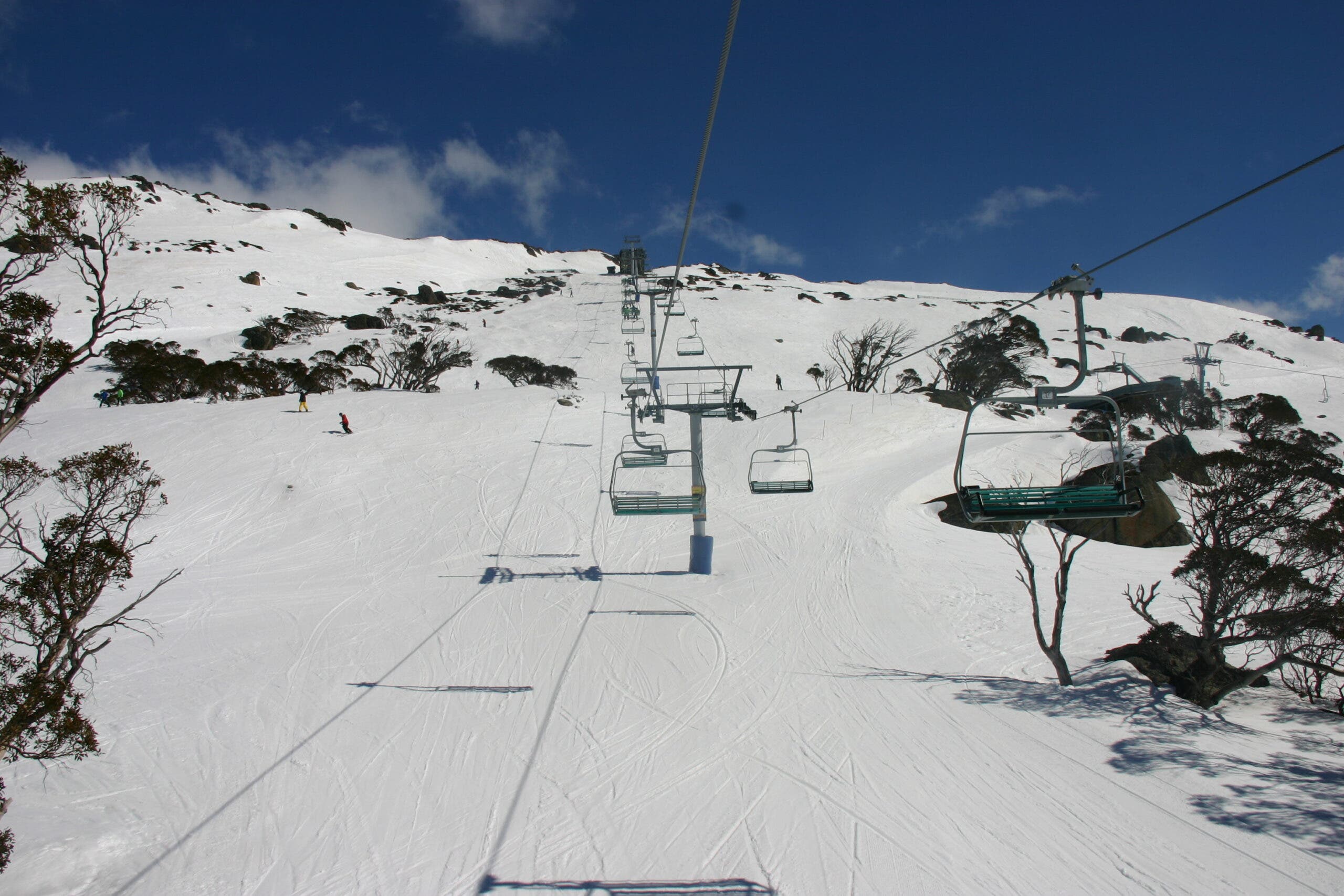
While the Epic Pass does not extend to South America, it offers a trio of Australian ski resorts for those willing to make the significant journey Down Under: Perisher, Mount Hotham, and Falls Creek. Acquired by Vail Resorts, these resorts form the backbone of Australia’s ski industry, providing a distinct alpine experience. While the scale and snowfall totals might differ from the towering peaks of the Andes or the deep powder of North America, Australian skiing offers its own unique charm and challenges.
Perisher, located in New South Wales, is the largest ski resort in the Southern Hemisphere, boasting over 3,000 acres of skiable terrain across four interconnected resort areas. It is particularly known for its extensive network of wide-open runs, catering well to intermediates, and its excellent terrain parks, which are a major draw for freestyle enthusiasts. Mount Hotham, in Victoria, often referred to as the "Powder Capital of Australia," is known for its more challenging, steep terrain and unique village layout where accommodations are located above the main runs. Falls Creek, also in Victoria, stands out as Australia’s only true ski-in/ski-out village, offering a convenient and family-friendly experience with picturesque lake views.
Epic Pass holders enjoy unlimited access to all three Australian resorts, although it’s important to note that access is not included with the Epic Local Pass. Travel to these resorts typically involves a long-haul flight to major Australian cities like Sydney or Melbourne, followed by domestic flights or scenic drives to the alpine regions. The Australian ski season, similar to South America, runs from June to October, with resorts often relying on sophisticated snowmaking systems to supplement natural snowfall, especially during warmer periods. Vail Resorts’ investment in these Australian properties reflects a global strategy to offer year-round skiing options and to capture the robust Australian domestic ski market, solidifying its brand presence across continents.
Independent Icons: Las Leñas and Portillo
Beyond the multi-pass networks, two legendary independent resorts in South America continue to draw a dedicated following, known for their exceptional terrain and unique experiences: Las Leñas in Argentina and Portillo in Chile.
Las Leñas, Argentina: Located in the heart of the Mendoza province, Las Leñas holds a mythical status among expert skiers and snowboarders. Entirely above treeline, its dramatic, treeless landscape offers breathtaking views and a vast expanse of unpatrolled, lift-accessed backcountry terrain that is virtually unmatched. With a summit elevation exceeding 11,000 feet (3,350 meters) and an impressive vertical drop of almost 4,000 feet (1,200 meters), Las Leñas is a playground for advanced and expert riders. The resort is famous for its "Marte" lift, a double chair that, when open (it’s notoriously susceptible to wind closures), provides access to some of the most challenging and exhilarating runs on the continent, as well as extensive off-piste opportunities. While its reputation is built on technical expert terrain, with less than 20 percent of its slopes suited for beginners, intermediates can still find plenty to explore. Las Leñas maintains its independence, offering day tickets starting around $87 USD, which is a testament to its strong brand and loyal clientele who prioritize the unique terrain over multi-pass convenience. Its remote location in the Andes also adds to its allure, offering a truly immersive mountain experience.
Portillo, Chile: A name synonymous with classic South American skiing, Portillo is one of the most recognizable and revered resorts in the world. Its iconic yellow hotel, set against the backdrop of the stunning Andes and overlooking the crystalline waters of Inca Lake, creates a postcard-perfect setting. Portillo is renowned for its dramatic scenery and its unique "Ski Week" format, an all-inclusive experience where guests lodge at the historic Hotel Portillo, enjoy gourmet meals in its sit-down dining room, and often ski with the same guides and instructors throughout their stay. This model fosters a strong sense of community and personalized service, attracting an international clientele, including many professional ski racers who train there during the Northern Hemisphere summer.
The skiing at Portillo is equally impressive, offering ample terrain for all skill levels. From steep couloirs and challenging bowls for experts to wide-open cruising runs for intermediates and gentle slopes for beginners, Portillo delivers. Its famous "Roca Jack" slingshot lift, a unique surface lift designed to combat wind and access steep terrain, is an experience in itself. Lift tickets are typically included as part of Portillo’s Ski Week packages, emphasizing its commitment to a comprehensive, high-quality vacation experience rather than fragmented day passes. Portillo’s decision to remain independent allows it to meticulously control the guest experience, maintain its unique ambiance, and preserve its rich history, which includes hosting the 1966 FIS Alpine World Ski Championships—the first and only time the event has been held in the Southern Hemisphere.
Broader Implications and Future Outlook
The expanding presence of Southern Hemisphere resorts on major multi-passes carries significant implications, both economically and environmentally. For the local economies of Chile, Argentina, and Australia, the increased tourism generated by these partnerships provides a vital boost, supporting jobs in hospitality, transportation, and guiding services. This international influx also introduces diverse cultures to the unique beauty and hospitality of these regions.
However, this growth also necessitates a heightened focus on environmental sustainability. As global climate patterns shift, snow reliability remains a critical concern for ski resorts worldwide. Southern Hemisphere resorts, particularly those in Australia, are often at the forefront of adopting advanced snowmaking technologies and implementing sustainability initiatives to mitigate environmental impacts and ensure future viability. Discussions around carbon footprints associated with long-haul travel to these destinations are also becoming increasingly prevalent, prompting resorts and travelers to consider more eco-conscious choices.
The trend of multi-pass expansion into the Southern Hemisphere is likely to continue, driven by both consumer demand for year-round skiing and the strategic interests of pass providers. This evolution broadens access, democratizes international ski travel for many, and transforms the traditional concept of a ski season into a perpetual winter adventure. As global connectivity increases and the allure of diverse, counter-seasonal experiences grows, the Southern Hemisphere ski market is poised for continued innovation and development, offering an exciting outlook for the future of skiing.
