

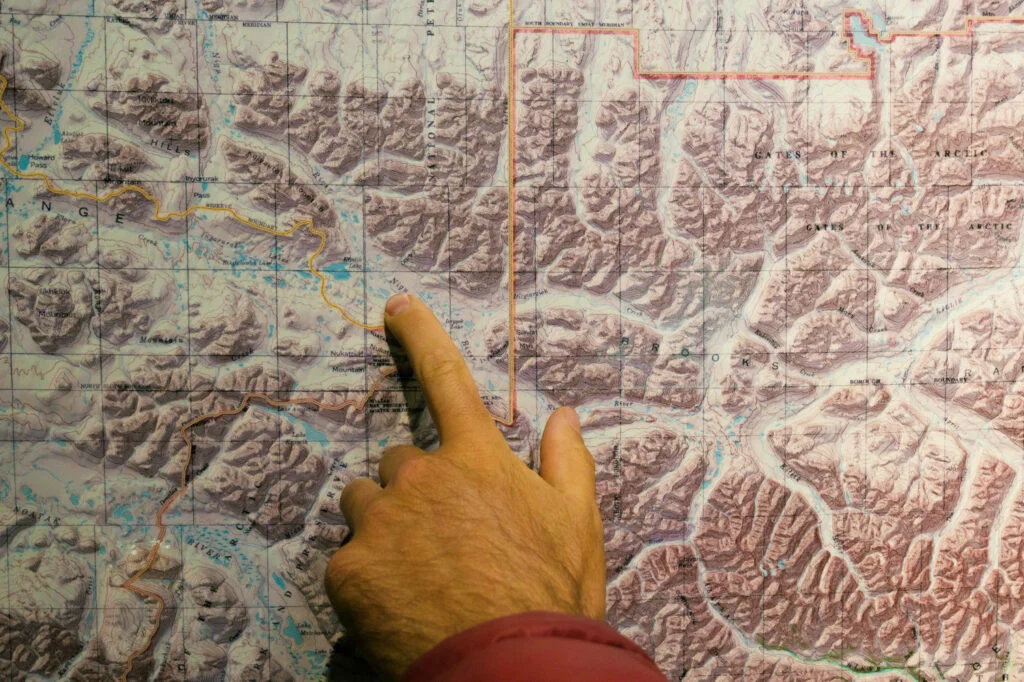
The federal government initiated the first of five mandated oil and gas lease sales in the Western Arctic on March 18, marking a significant milestone in a century-long tension between energy extraction and environmental conservation. This move opens more than 5.5 million acres of the National Petroleum Reserve-Alaska (NPR-A) to potential development, including the ecologically sensitive Teshekpuk Lake wetlands. The sale is part of a broader federal program that requires at least five such auctions over the next decade, a directive rooted in historical designations that continue to shape the management of the United States’ largest block of public land.
Spanning more than 22 million acres, the NPR-A represents an area nearly the size of the state of Indiana. Its current administrative framework and the pressure for industrial expansion are the results of a 1923 executive order signed by President Warren G. Harding. At the time, the region was designated as "Naval Petroleum Reserve No. 4," established to secure oil supplies as the U.S. Navy transitioned its fleet from coal to petroleum. This designation has remained the legal and bureaucratic foundation for the land’s management for over 100 years, despite evolving scientific understanding of the region’s critical role in global biodiversity and climate regulation.
Historical Foundations and the Bureaucracy of Extraction
The NPR-A was born out of early 20th-century anxieties regarding national resource security. When geologists first surveyed the Arctic coast, they discovered natural oil seeps, leading the federal government to withdraw the land from all other potential uses. Following the 1923 designation, the reserve remained under Navy control until 1976. That year, Congress passed the Naval Petroleum Reserves Production Act, which transferred management to the Department of the Interior.
While the transfer shifted oversight to civilian hands, it did not alter the fundamental identity of the land. Renamed the National Petroleum Reserve-Alaska, the region remained legally tethered to its original purpose. Current federal mandates for "an expeditious program of competitive leasing" stem directly from this historical nomenclature. Analysts note that the name itself serves as a powerful tool for proponents of development; by labeling the territory a "petroleum reserve," the legislative framework creates a default expectation of extraction that often overrides conservation efforts.
The history of the reserve is also intertwined with political controversy. Shortly after the NPR-A’s designation, the Harding administration was engulfed in the Teapot Dome scandal, involving the secret leasing of federal oil reserves in Wyoming. While the Alaska reserve was not the primary focus of that specific scandal, the legacy of prioritizing industrial access over public oversight has been a recurring theme in the management of the North Slope.
A Convergence of Development Projects
The recent lease sales are not occurring in isolation but are part of a massive industrial convergence on Alaska’s North Slope. Several large-scale projects are currently moving toward development, creating what environmental scientists describe as a cumulative threat to the region’s ecological integrity.
- The Willow Project: Led by ConocoPhillips, this massive oil development project is entering its construction phase. Located within the NPR-A, Willow is estimated to hold approximately 750 million barrels of technically recoverable oil. At its peak, it could produce 180,000 barrels of oil per day, representing a significant portion of domestic production.
- The Ambler Road: A proposed 211-mile industrial access road would cut through the Brooks Range to reach the Ambler Mining District. This road would facilitate the extraction of copper and other minerals, further fragmenting what is currently one of the largest roadless areas in North America.
- Arctic National Wildlife Refuge (ANWR) Leases: Parallel to the developments in the Western Arctic, the federal government has moved to open the 1.5-million-acre coastal plain of ANWR to oil and gas exploration, an area long considered the "sacred place where life begins" by the Gwich’in people.
- State Land Sales: The State of Alaska continues to offer public land for sale along existing road corridors, aiming to bolster a state budget that remains heavily dependent on fossil fuel revenues.
These projects are often debated as separate entities, but they share a common infrastructure and political momentum. The expansion of roads, pipelines, and processing facilities creates a "creeping progress" that steadily erodes the wild character of the Arctic.
Ecological Significance and the "Last Whole Place"
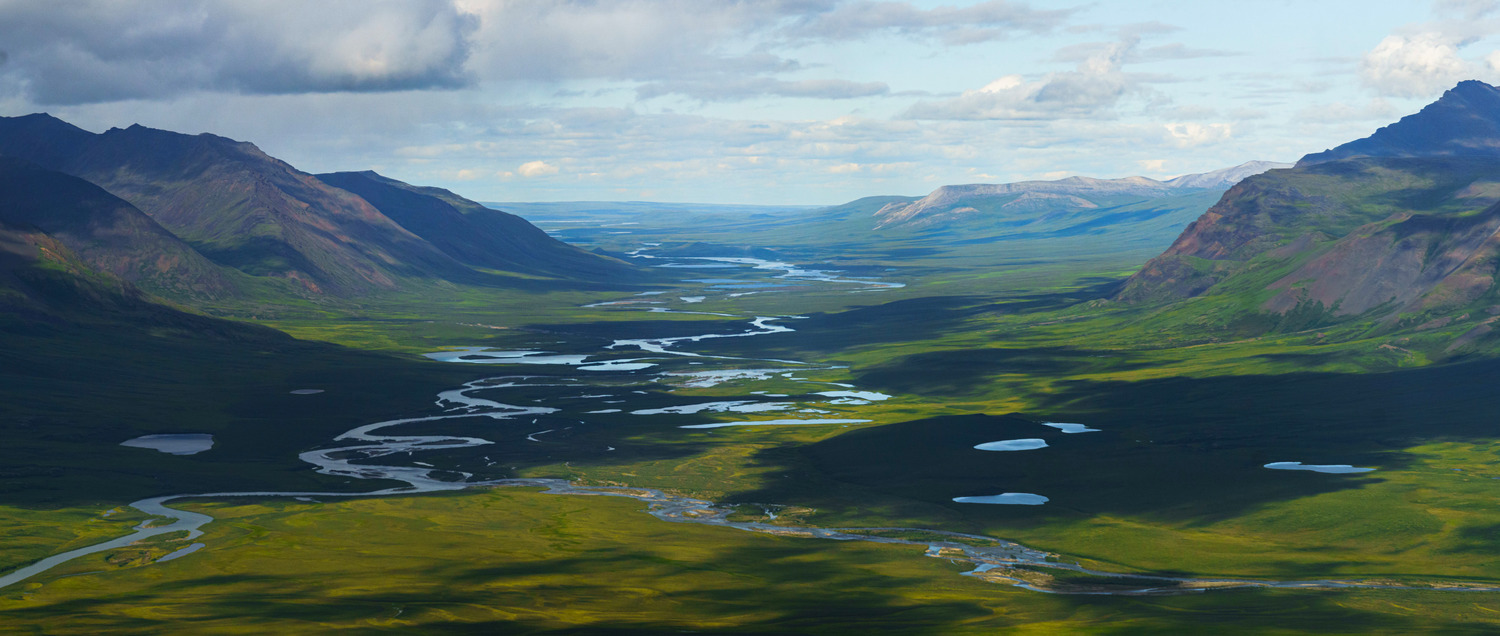
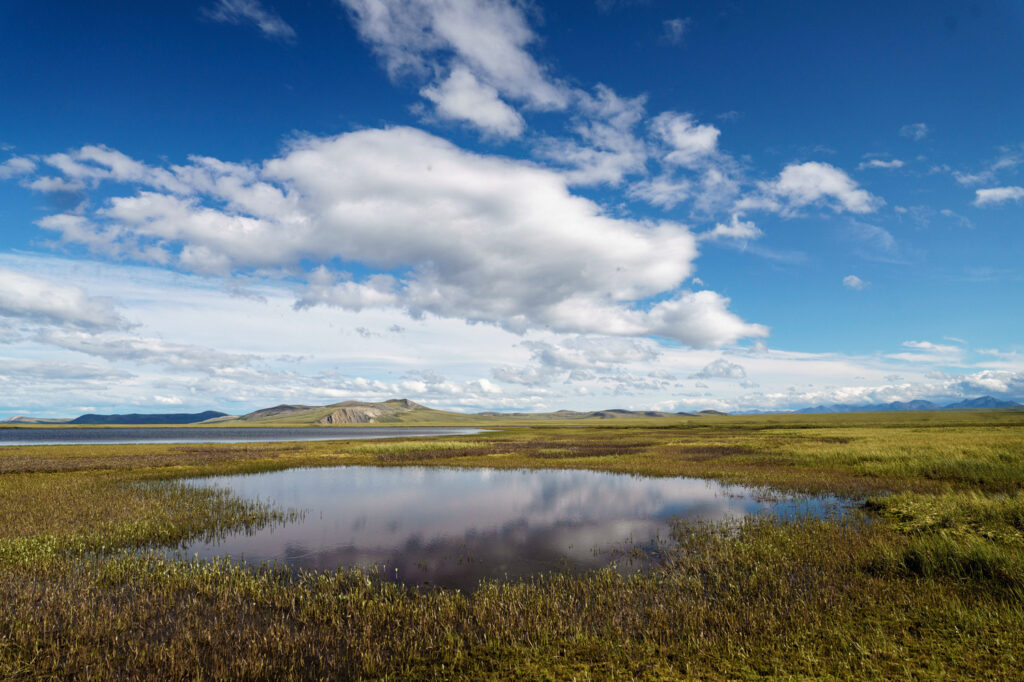
The NPR-A is frequently described by biologists as the "last whole place" due to its status as an intact, functioning ecosystem of a scale rarely seen in the modern world. Unlike the contiguous United States, where wilderness is often restricted to isolated mountain ranges or designated parks, the Arctic remains a connected landscape of mountains, valleys, rivers, and coastal plains.
The Teshekpuk Lake wetlands, which have been a focal point of recent leasing debates, are globally recognized as a critical habitat. For decades, this area received special protection due to its importance to migratory wildlife. The region supports:
- Avian Biodiversity: An estimated 5.4 million aquatic birds migrate to the NPR-A each season. Birds from all seven continents and every U.S. state utilize these wetlands for nesting and molting.
- Caribou Herds: The area serves as the primary calving ground for the Teshekpuk Lake caribou herd, a vital resource for Indigenous subsistence hunters. It also provides a corridor for the Central Arctic and Western Arctic herds, which collectively number in the hundreds of thousands.
- Climate Resilience: The Arctic is warming three to five times faster than the global average. The vast, untrammeled expanse of the NPR-A provides a "climate refugia" where species can migrate and adapt to shifting temperatures without the barriers of human infrastructure.
Economic and Environmental Analysis
The push for Arctic drilling faces significant economic hurdles. Extraction in the Western Arctic is notoriously expensive, requiring specialized infrastructure to withstand extreme cold and permafrost instability. According to the U.S. Geological Survey (USGS), the Northern Alaska region may contain nearly half of all undiscovered recoverable oil on federal lands in the country. However, the cost per barrel is often higher than in the Permian Basin or other domestic sources, leading some economists to argue that Arctic development is only viable through substantial public subsidies and long-term price guarantees.
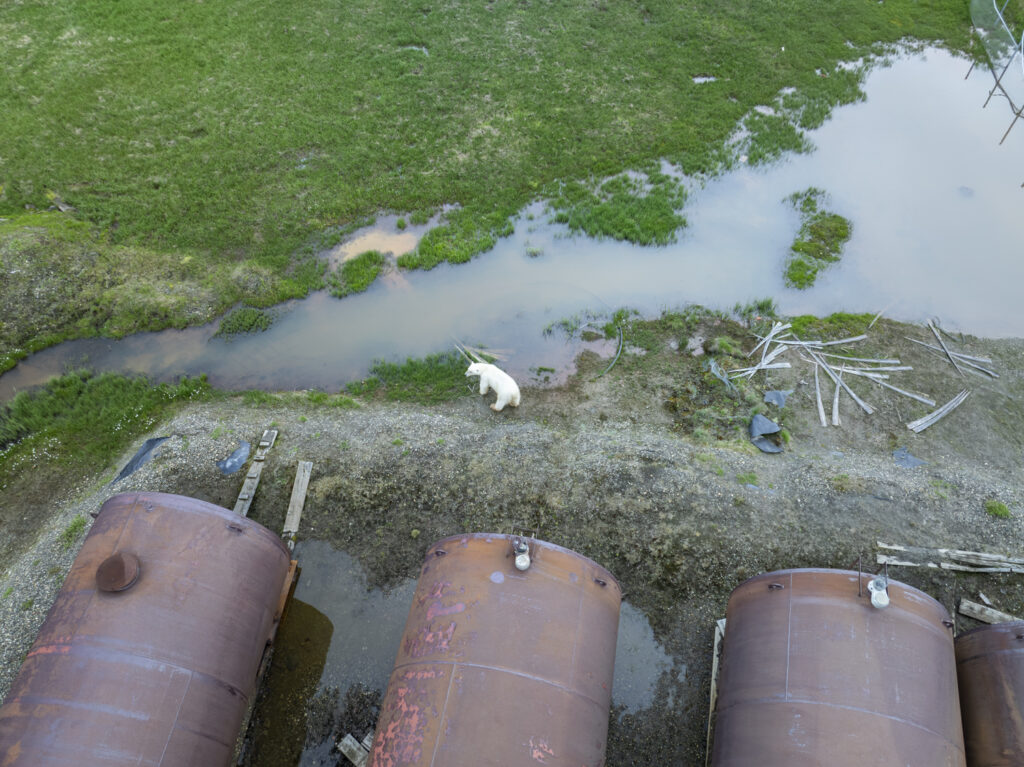
From a climate perspective, the development of the NPR-A presents a stark paradox. The very region being tapped for fossil fuels is also the most vulnerable to the carbon emissions those fuels produce. Thawing permafrost is already damaging existing infrastructure in Alaska, and the loss of sea ice is altering the predatory patterns of polar bears and the migratory routes of marine mammals.
Environmental organizations, such as Protect Our Winters (POW), argue that the 30-year capital horizons required for oil projects are increasingly at odds with global climate goals. They suggest that the financial uncertainty of future political administrations should be "baked into" the risk assessments of energy companies, potentially making these investments less attractive over time.
Official Responses and Public Sentiment
The reaction to the lease sales has been deeply polarized. Pro-development advocates, including many state officials and industry groups, argue that the NPR-A was specifically set aside by Congress for energy production. They emphasize that the "petroleum reserve" designation carries a legal obligation to facilitate extraction, which in turn supports jobs and national energy security.
Conversely, conservationists and several Indigenous communities have filed numerous legal challenges to halt the sales. They contend that the federal government’s environmental impact statements have failed to adequately account for the cumulative effects of greenhouse gas emissions and the disruption of subsistence resources.
"The name ‘petroleum reserve’ describes a decision made one hundred years ago without any understanding of the place or the opportunity it holds," stated Alex Lee, a scientist and environmental philosopher. "The land has not changed, but our understanding of its value as a whole ecosystem has."
Implications for the Future
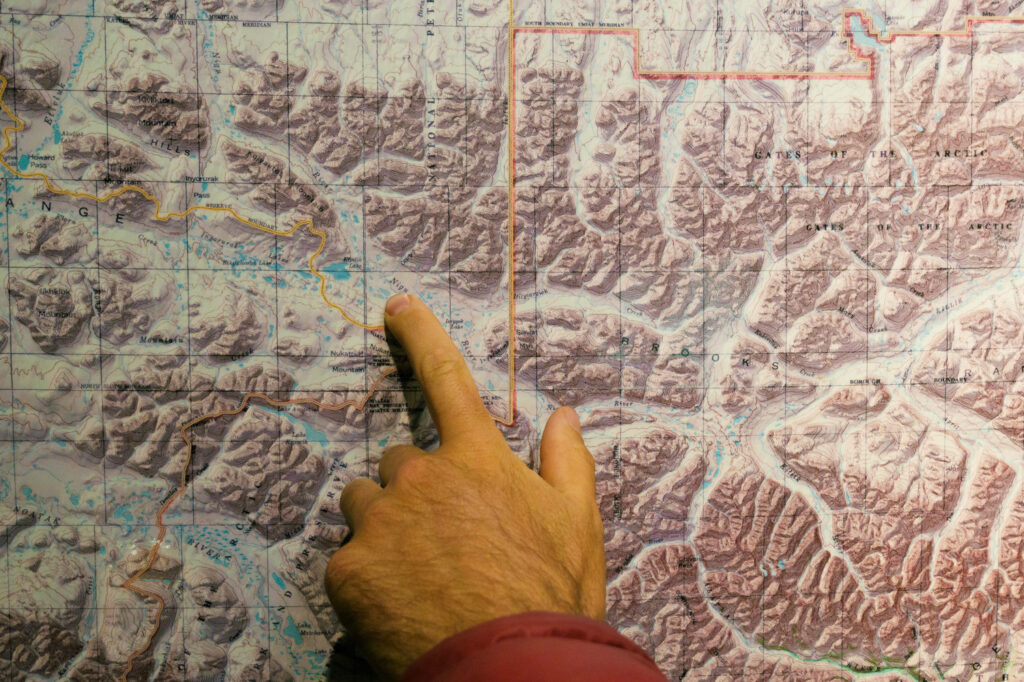
The current legal machinery, which mandates five lease sales over ten years, ensures that the Western Arctic will remain a central battlefield for American environmental policy for the foreseeable future. However, the long-term outcome may depend less on the specific "lines on the map" and more on shifting social and economic priorities.
Analysts suggest that as the global energy transition accelerates, the social acceptability of high-cost Arctic drilling may wane. Furthermore, the political landscape remains volatile; future administrations could use executive authority to withdraw specific areas from leasing or implement more stringent environmental regulations that increase the "financial breakeven" point for oil companies.
As it stands, the NPR-A remains a landscape of contradictions—a designated "reserve" for the fuels of the past that simultaneously serves as one of the most vital sanctuaries for the biodiversity of the future. The ongoing lease sales represent a definitive choice in how the United States values its last remaining wilderness, weighing the immediate demands of the energy industry against the long-term resilience of a warming planet.
