

The 2025-2026 snow season across the Western United States has concluded as a period of significant hydrological volatility, characterized by record-breaking thermal anomalies that severely undermined the region’s cryospheric health. While precipitation levels fluctuated near historical averages in several states, the defining feature of the winter was a persistent and "horrifying" lack of cold temperatures, leading to what experts have termed a "hot mess" for the region’s snowpack. This seasonal failure has profound implications for the Western U.S. water supply, which relies on the high-altitude snowpack as a natural reservoir to sustain municipal, agricultural, and ecological needs through the arid summer months.
A Season of Thermal Anomalies and Shifting Goalposts
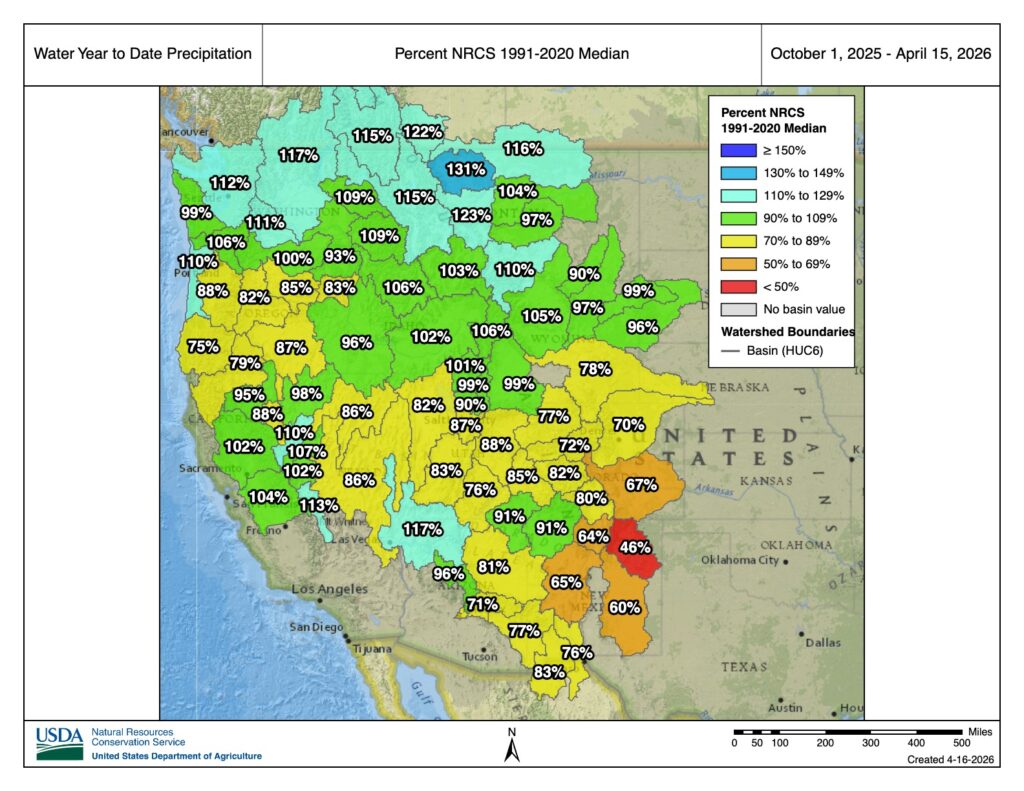
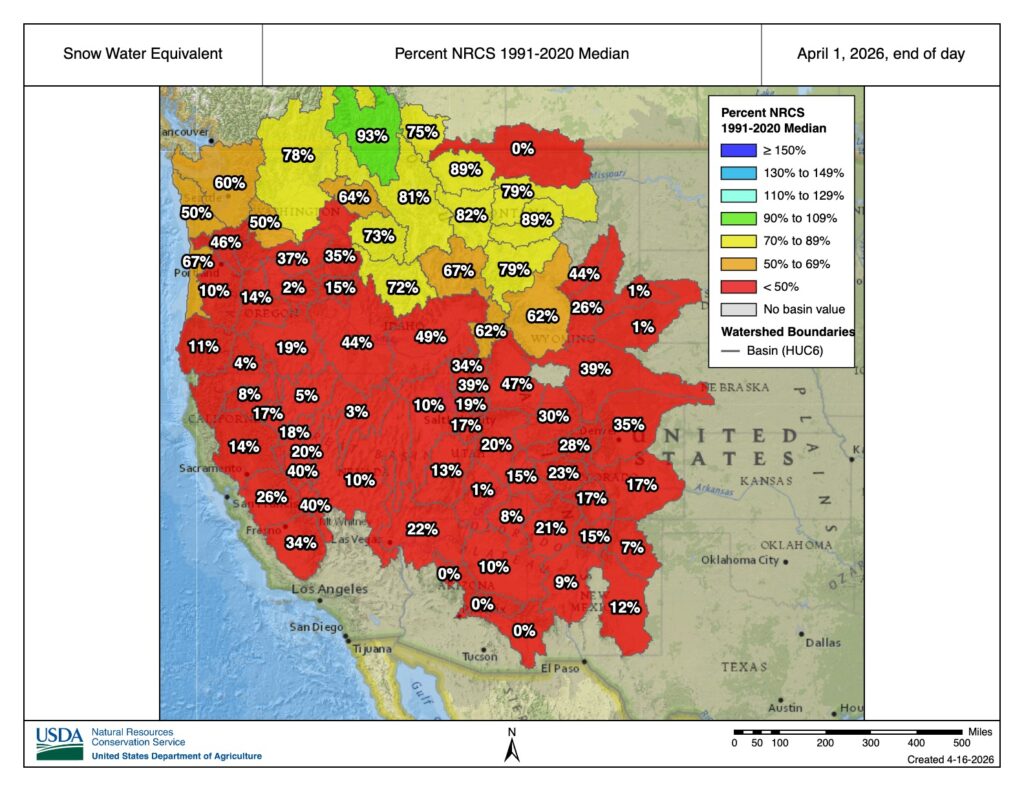
The 2025-2026 water year began with cautious optimism as meteorologists monitored precipitation patterns that, on the surface, appeared relatively standard. According to data from the Natural Resources Conservation Service (NRCS), precipitation levels in northwest Wyoming, Montana, Idaho, and Washington were slightly above average. Conversely, Oregon, Utah, and Colorado experienced drier-than-normal conditions. However, the aggregate moisture levels were not the primary driver of the season’s outcome. Instead, the "smoking gun" for the dismal snowpack was the absence of the sustained freezing temperatures required to convert and maintain that precipitation as snow.
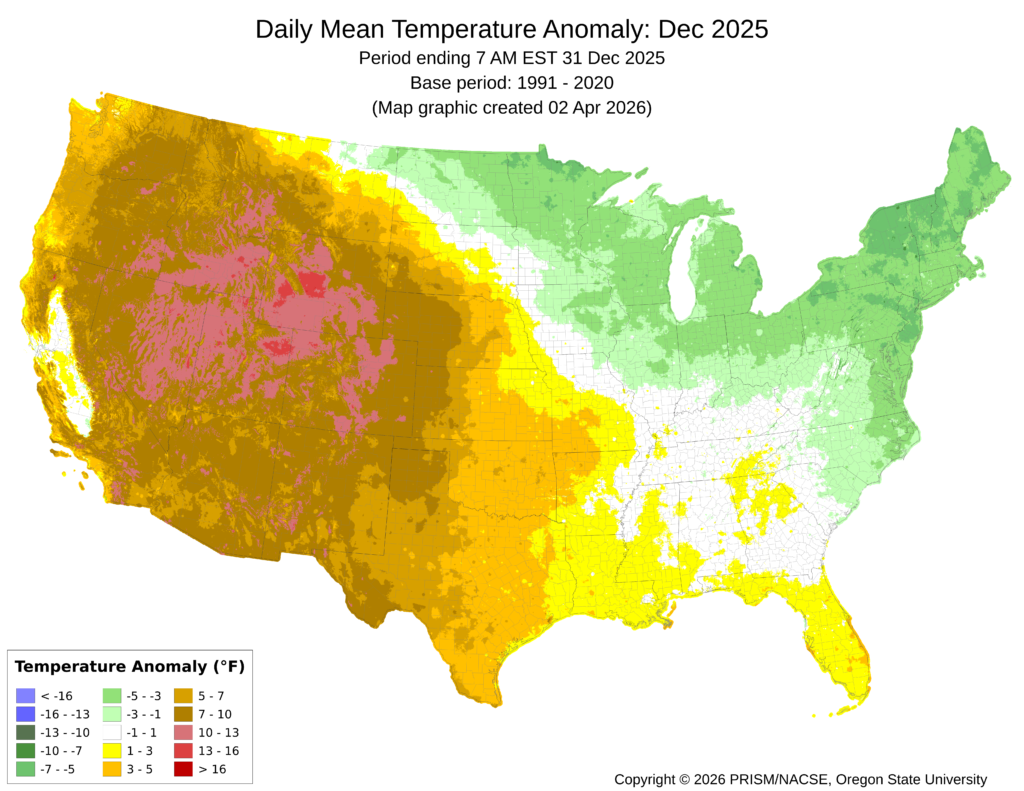
The month of December 2025 proved particularly catastrophic for the winter sports industry and backcountry enthusiasts. Temperature anomaly maps from the PRISM Climate Group revealed that much of the Western U.S. remained between 5 and 15 degrees Fahrenheit above long-term averages during the peak of the accumulation season. This warmth resulted in "rain-on-snow" events and prevented the establishment of a foundational base. Consequently, the traditional milestones for resort openings and seasonal peak accumulation were repeatedly deferred. Expectations for a robust season were pushed from the New Year’s holiday to Martin Luther King Jr. Day, then to President’s Day, and finally to Spring Break, by which point many lower-elevation operations were already facing permanent closure for the year.
Chronology of the 2025-2026 Hydrological Year
The progression of the winter season followed a troubling timeline that saw the rapid degradation of mountain snowpacks across the Cascades, the Sierras, and the Rockies.
- Autumn 2025 (October–November): The water year began with near-average precipitation in the Pacific Northwest, though early-season storms were largely liquid at elevations below 5,000 feet. This set a precarious tone for early-season water storage.
- December 2025: A massive high-pressure ridge and atmospheric river patterns brought warm, moist air into the West. While the Northeast and Upper Midwest experienced temperatures up to 5 degrees below average, the West faced unprecedented warmth, stalling snow accumulation during what is historically the most critical month for snowpack building.
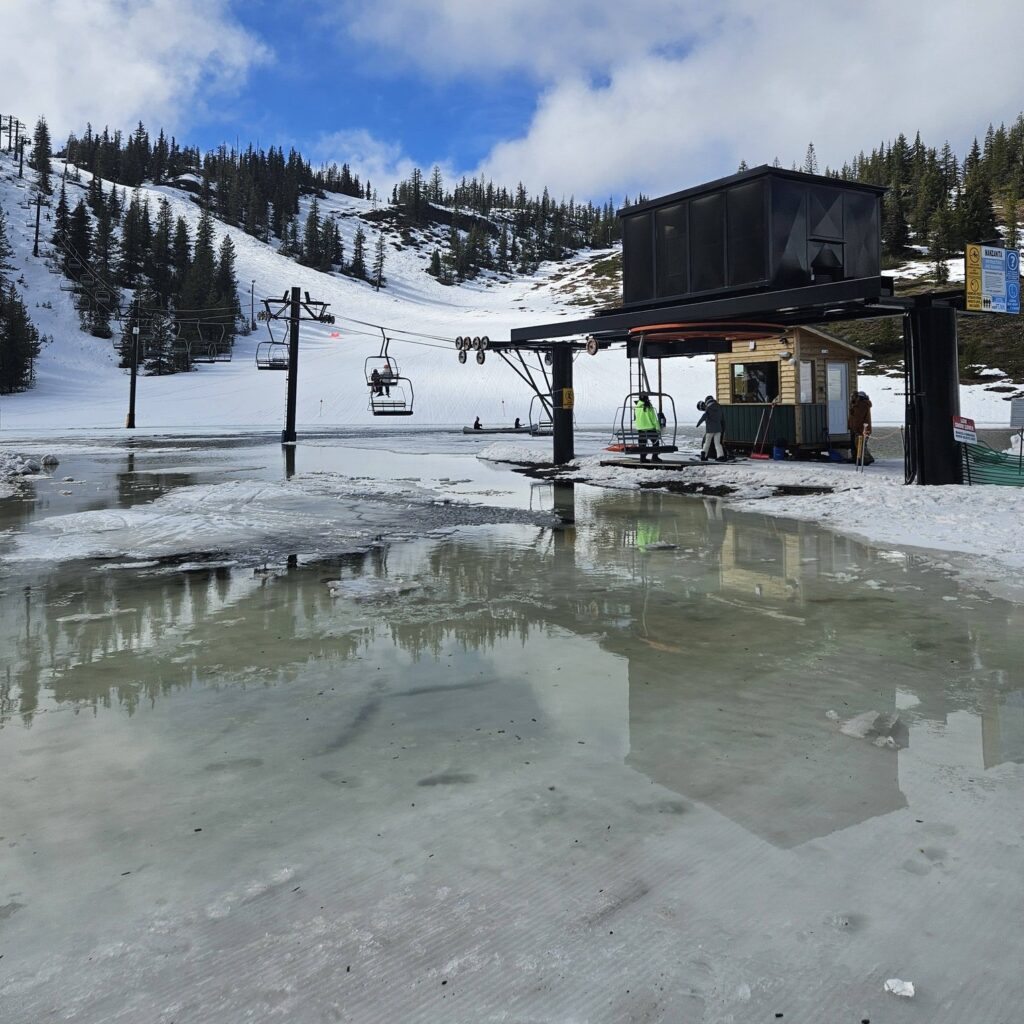
- January–February 2026: Intermittent storms provided some relief to high-alpine areas, but the "mid-winter thaw" became a persistent state rather than a temporary event. Ski resorts reported "unscheduled pond skims" as early as mid-March, a phenomenon typically reserved for late-season festivities in April or May.
- March–April 2026: The traditional benchmark date of April 1, used by water managers to measure peak Snow Water Equivalent (SWE), revealed values that were a mere fraction of the long-term average. In many locations, observation stations recorded the lowest peak SWE values in 45 years.
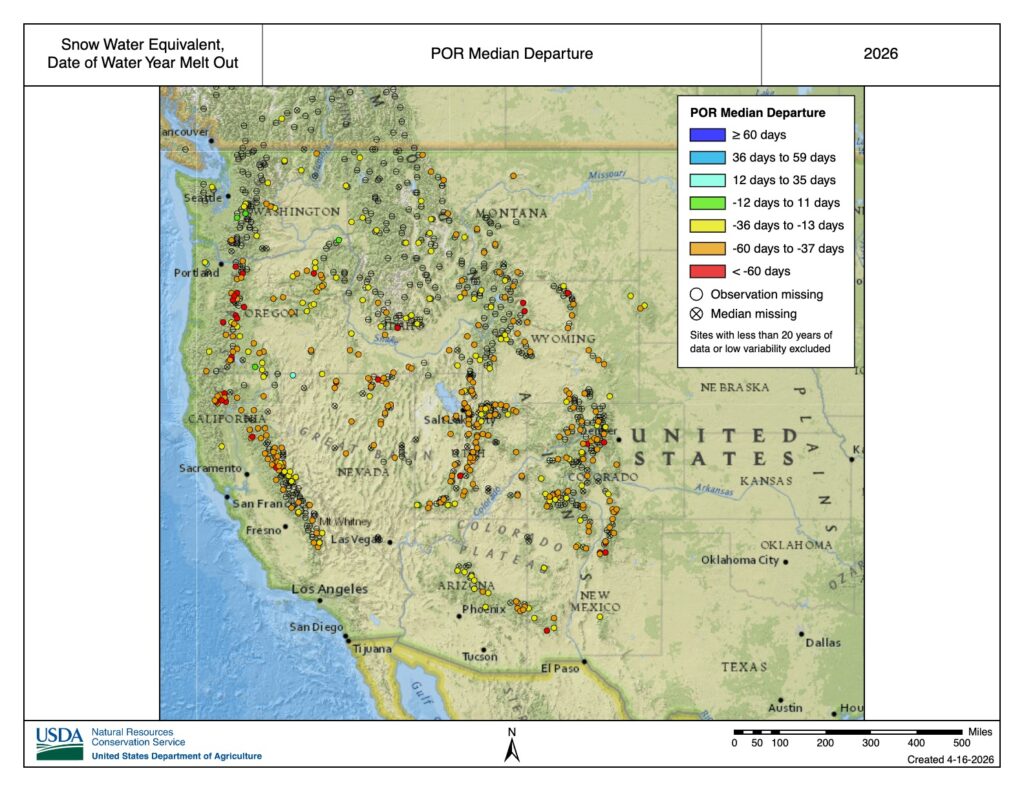
- Post-April 2026: The "snow-off" dates—the calendar day when a station records zero snow depth—occurred not just days or weeks early, but in some instances, two months ahead of schedule. By mid-April, many watersheds that should have been at peak storage were already barren.
The Role of Snow as a Distributed Reservoir
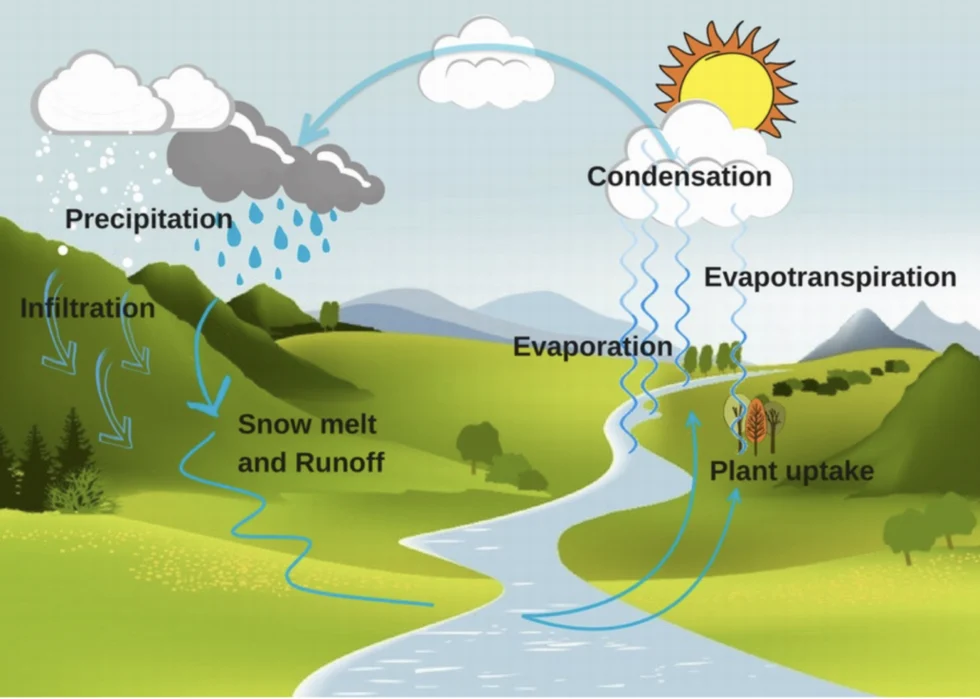
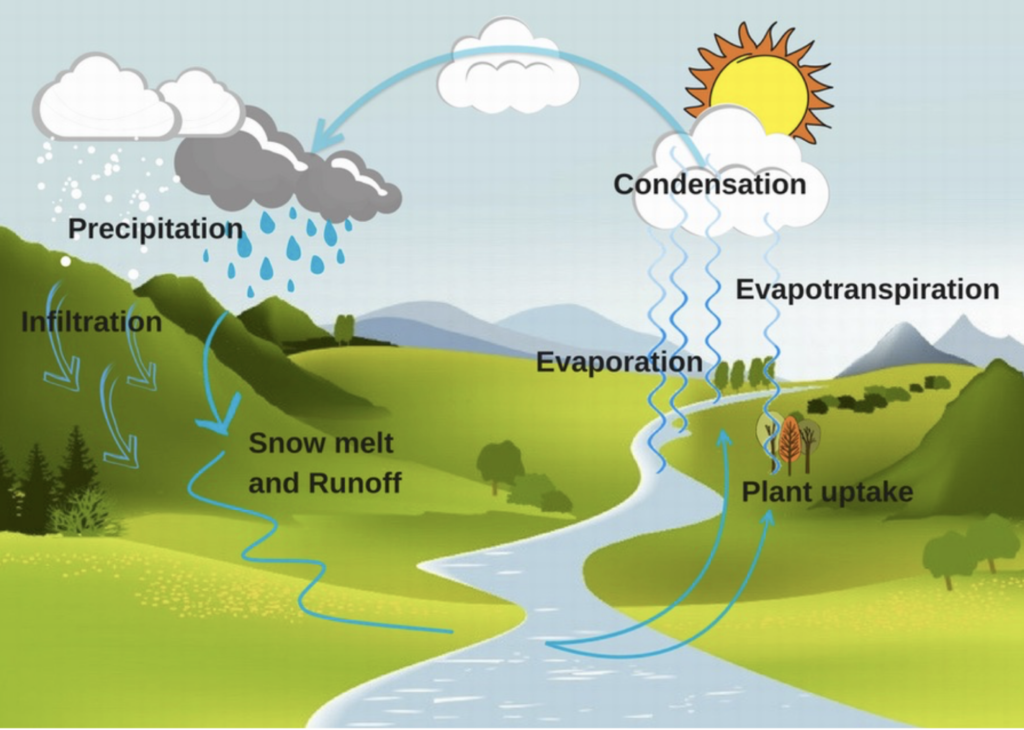
To understand the gravity of the 2025-2026 season, it is necessary to contextualize the Western United States’ dependence on the hydrologic cycle. While Earth is often described as a "water planet," the amount of accessible fresh water is remarkably small. If all the Earth’s water were consolidated into a sphere, it would have a diameter only 40% that of the moon. After accounting for saltwater, polar ice, and deep groundwater, less than 0.01% of the planet’s water is available for human use.
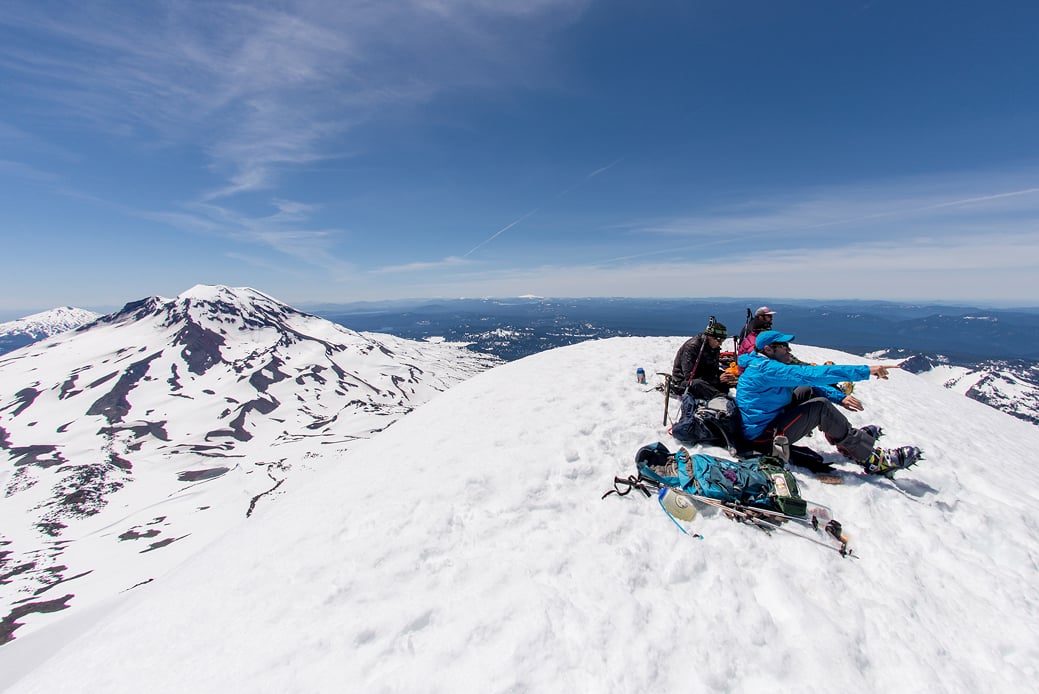
In the Western U.S., the snowpack functions as a "superpower" in the water management conversation. It acts as a massive, distributed reservoir that stores water in a solid state during the winter and releases it gradually during the late spring and summer. This timing is crucial; it ensures that water is available when agricultural demand is highest and helps maintain cool stream temperatures essential for the survival of salmonids and other aquatic species.
Estimates suggest that at its peak, the water stored as snow in the contiguous United States is approximately five times the capacity of Lake Mead, the nation’s largest man-made reservoir. When this "natural insurance policy" fails, as it did in 2025-2026, the burden falls entirely on man-made infrastructure—canals, aqueducts, and surface reservoirs—which are already under historic strain.
Crisis in the Colorado River Basin and Beyond
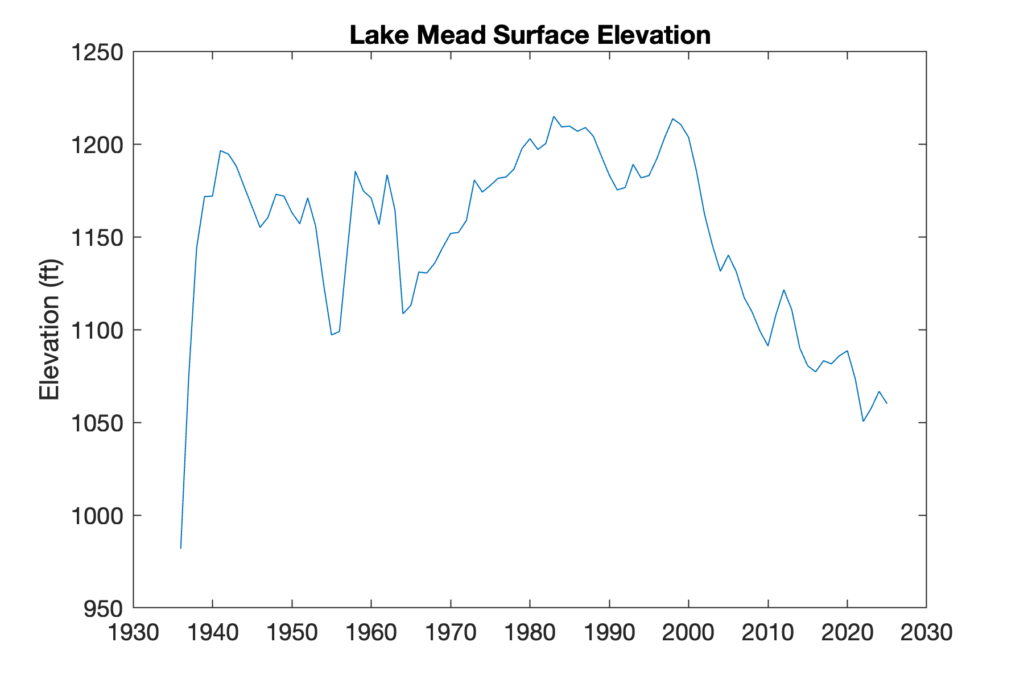
The poor snow season has exacerbated an ongoing crisis in the Colorado River Basin. Years of consecutive dry conditions and rising temperatures have led to a steady decline in the elevations of Lake Mead and Lake Powell. The failure of the 2025-2026 snowpack has forced urgent, and often contentious, conversations among stakeholders in the Seven Basin States (Arizona, California, Colorado, Nevada, New Mexico, Utah, and Wyoming).
Water managers for municipal districts and agricultural collectives have expressed growing concern over the "mismatch" between supply and demand. "We are seeing a fundamental shift in how we must approach water allocation," noted one regional hydrologist. "When the snow melts two months early, we lose the ability to ‘time’ the runoff. The water hits the reservoirs before we need it for irrigation, and much of it is lost to evaporation or must be released for flood control, leaving us with a deficit in July and August."
The 2025-2026 season also highlighted the ecological toll of early melt-out. Rapid runoff leads to "flashier" stream flows, increasing the risk of spring flooding while simultaneously ensuring lower, warmer water levels in the summer. This creates a lethal environment for cold-water fish and disrupts the migratory patterns of birds and mammals that rely on specific riparian conditions.
Data Analysis: A 45-Year Low
The quantitative data from the 2025-2026 season paints a stark picture of cryospheric decline. Analysis of the Hogg Pass SNOTEL site in Oregon, a key indicator for the Central Cascades, showed that the annual maximum SWE was among the lowest in the historical record. The melt-out date anomaly map (FIG. 5) showed deep red clusters across the Sierra Nevada and the Cascades, indicating that snow vanished more than 60 days earlier than the long-term median.
Furthermore, the "13,000 gallons per person per day" metric—a calculation based on the average meter of rain that falls on Earth’s land surfaces annually—illustrates that the problem is not a lack of water on a global scale, but a failure of local storage and timing. In the West, the infrastructure was designed for a climate that no longer exists—one where the snowpack stays on the mountains until June.
Broader Impact and Long-Term Climate Trends
The disappointment felt by the skiing and snowboarding community is a visible symptom of a much deeper environmental shift. While the loss of "powder days" is often viewed as a recreational grievance, the winter sports industry is a multi-billion dollar driver of rural economies. The early closures of 2026 resulted in significant revenue losses for mountain towns, affecting everything from hospitality to local tax bases.
However, the more significant concern for climate scientists is the long-term trend. The 2025-2026 season is part of a larger pattern where "lean years" are becoming more frequent. While snow is notoriously unpredictable and "boom years" can still occur, the baseline is shifting. The massive variations from year to year—the "feast or famine" cycle—are now riding on top of a downward trend in total snow volume and duration.
Dr. David Hill, a professor at Oregon State University and a National Geographic Explorer, emphasizes that while the 2025-2026 season was a "hot mess," it serves as a critical data point for future planning. The "glass half full" perspective suggests that these extreme years provide a glimpse into a future where snow is a rare commodity, prompting necessary innovations in water conservation, aquifer recharge, and climate-resilient infrastructure.
As the Western U.S. enters the summer of 2026, the focus shifts to fire season and drought management. With the snow reservoir depleted months ahead of schedule, the region faces a grueling test of its water-sharing agreements and ecological resilience. The 2025-2026 winter will likely be remembered not for its storms, but for its heat—a reminder that in the era of climate change, the "simple recipe" for snow is becoming increasingly difficult for nature to follow.
