

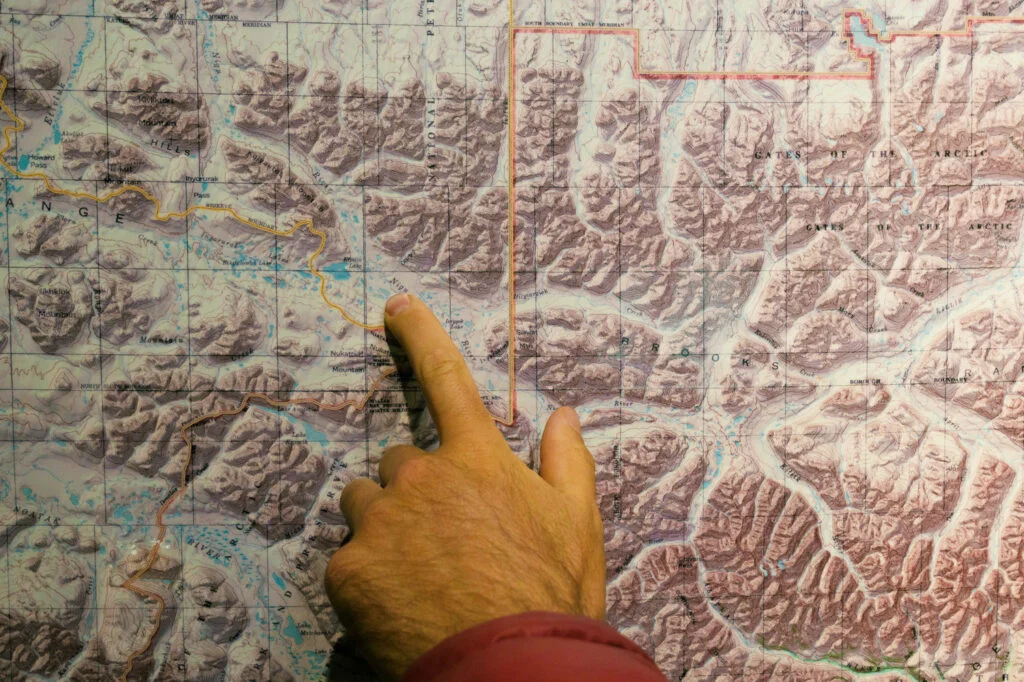
The federal government initiated the first of five mandated oil and gas lease sales in the western region of Alaska’s Arctic on March 18, marking a significant milestone in a century-long debate over the utilization of public lands. This move opens more than 5.5 million acres of the National Petroleum Reserve-Alaska (NPR-A) to energy development, a decision that includes the ecologically sensitive Teshekpuk Lake wetlands. The sale is part of a broader federal mandate requiring at least five such auctions over the next decade, a policy that has reignited tensions between industrial expansion and environmental preservation in the United States’ largest single block of public land.
Historical Foundations: From Naval Reserve to National Petroleum Reserve
The origins of the current administrative framework for the NPR-A date back to 1923, when President Warren G. Harding signed an executive order designating 23 million acres of Alaska’s North Slope as "Naval Petroleum Reserve No. 4." At the time, the United States Navy was transitioning its fleet from coal to oil, and the discovery of oil seeps along the Arctic coast suggested a strategic necessity for a domestic fuel stockpile. This designation effectively withdrew the land from all other forms of entry or use, prioritizing its potential as an energy resource for national defense.
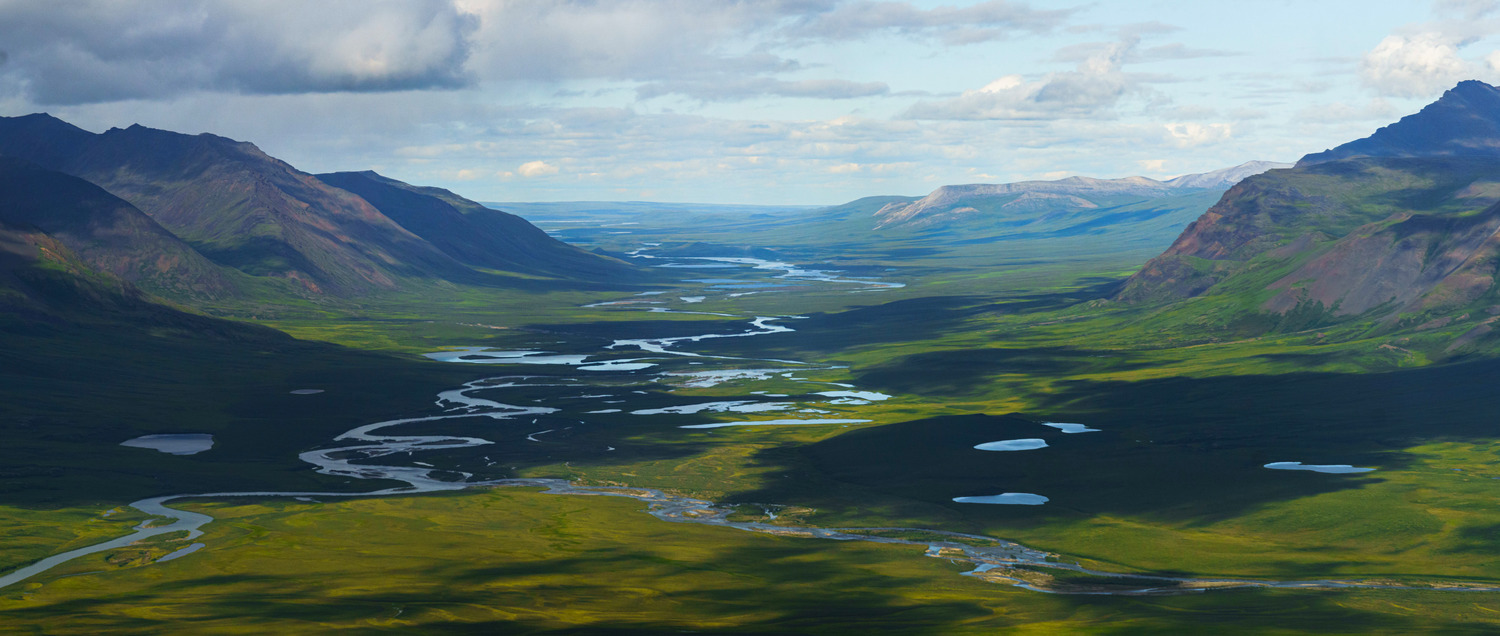
The administrative history of the region was further defined in 1976 when Congress passed the Naval Petroleum Reserves Production Act (NPRPA). This legislation transferred management of the reserve from the Navy to the Department of the Interior’s Bureau of Land Management (BLM). While the transfer moved the land into civilian oversight, the name was updated to the National Petroleum Reserve-Alaska, reinforcing its primary identity as a site for resource extraction.
The NPR-A spans over 22 million acres, an area nearly the size of the state of Indiana and roughly equivalent to 80% of the landmass of Ohio. For a century, the nomenclature of the "petroleum reserve" has served as a legal and bureaucratic anchor, often cited by proponents of development to justify the "expeditious program of competitive leasing" mandated by federal law.
Chronology of Development and Policy Shifts
The trajectory of the NPR-A has been marked by shifting federal priorities and administrative strategies. The following timeline outlines the key events leading to the current state of the Arctic North Slope:
- 1923: President Warren G. Harding establishes Naval Petroleum Reserve No. 4.
- 1968: The discovery of the Prudhoe Bay Oil Field, the largest in North America, located just east of the NPR-A.
- 1976: The Naval Petroleum Reserves Production Act transfers management to the Department of the Interior.
- 1977: The Trans-Alaska Pipeline System (TAPS) begins operation, facilitating the transport of North Slope oil to Valdez.
- 1998–2013: Successive administrations implement various Integrated Activity Plans (IAPs) to balance oil development with the protection of "Special Areas," including Teshekpuk Lake and the Colville River.
- 2017–2020: The federal government expands leasing opportunities, reducing the size of protected areas and proposing the opening of the entire reserve to development.
- 2023–2024: Approval of the Willow Oil Project and the formalization of mandated lease sales through 2034, despite concurrent efforts to implement new conservation rules for over 13 million acres of the reserve.
Ecological Significance of the Western Arctic
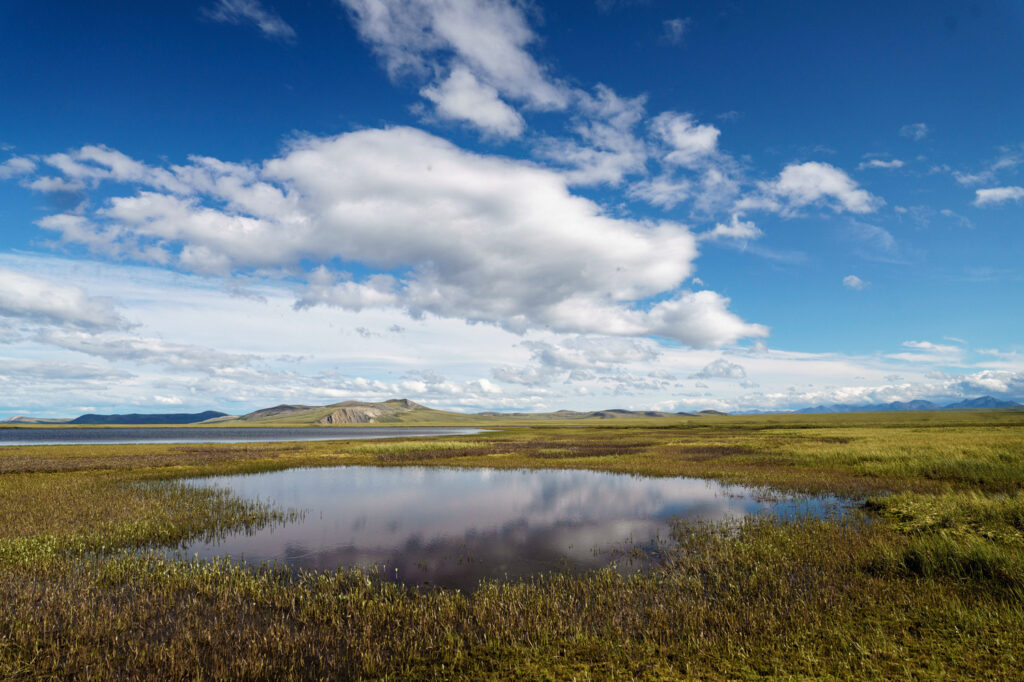
The NPR-A is widely recognized by biologists as one of the most productive and intact wetland ecosystems in the world. Its vast tundra, rivers, and coastal lagoons provide critical habitat for millions of migratory animals. The Teshekpuk Lake region, in particular, is considered a global biological hotspot.
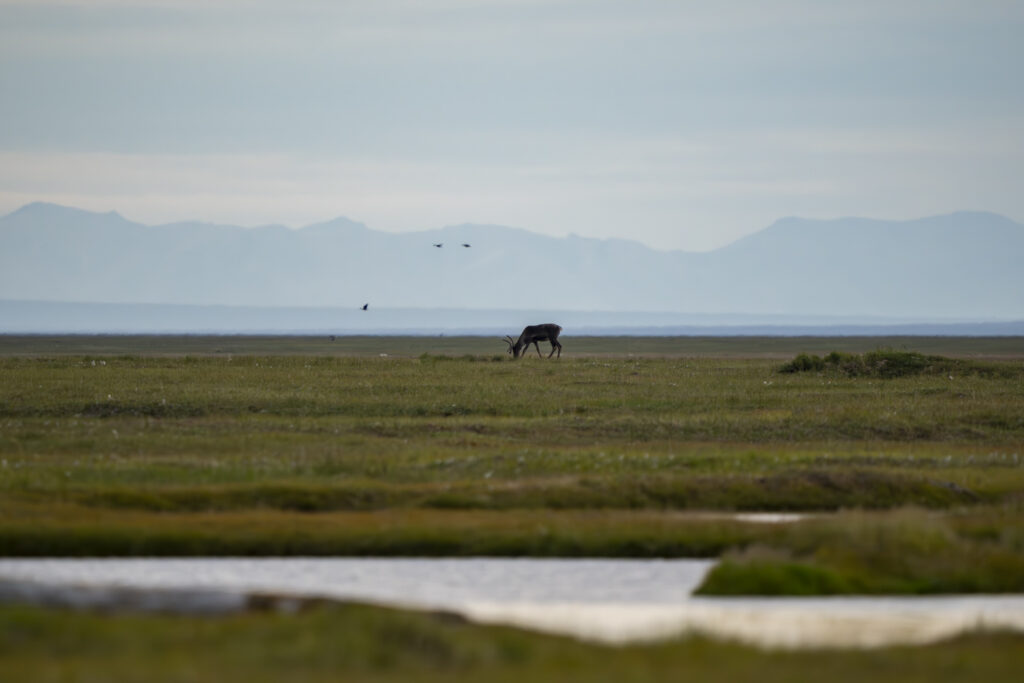
According to avian data, an estimated 5.4 million aquatic birds migrate to the NPR-A each season. These birds represent species from six continents and all 50 U.S. states, utilizing the Arctic wetlands for nesting, molting, and brood-rearing. Teshekpuk Lake serves as the primary calving ground for the Teshekpuk Lake Caribou Herd, which numbers approximately 40,000 animals and is a vital subsistence resource for Indigenous communities on the North Slope.
The integrity of these ecosystems is increasingly threatened by the rapid pace of climate change. Scientific assessments indicate that the Arctic is warming at a rate three to five times faster than the global average. This warming manifests in thawing permafrost, shifting vegetation patterns, and altered migration cycles, making the landscape more vulnerable to the physical disturbances associated with industrial infrastructure.
Economic Projections and Industrial Infrastructure
The economic argument for developing the NPR-A is centered on the region’s vast undiscovered recoverable oil. The United States Geological Survey (USGS) estimates that the Northern Alaska region may contain nearly half of all undiscovered recoverable oil on federal lands nationwide. Specifically, the NPR-A is estimated to hold approximately 8.7 billion barrels of technically recoverable oil and 25 trillion cubic feet of natural gas.
Current industrial focus is largely centered on the Willow Oil Project, managed by ConocoPhillips. Located within the northeastern portion of the NPR-A, Willow is projected to produce an estimated 750 million to 600 million barrels of oil over its 30-year lifespan. At its peak, the project could produce 180,000 barrels of oil per day, potentially increasing the total volume of oil flowing through the Trans-Alaska Pipeline by significant margins.
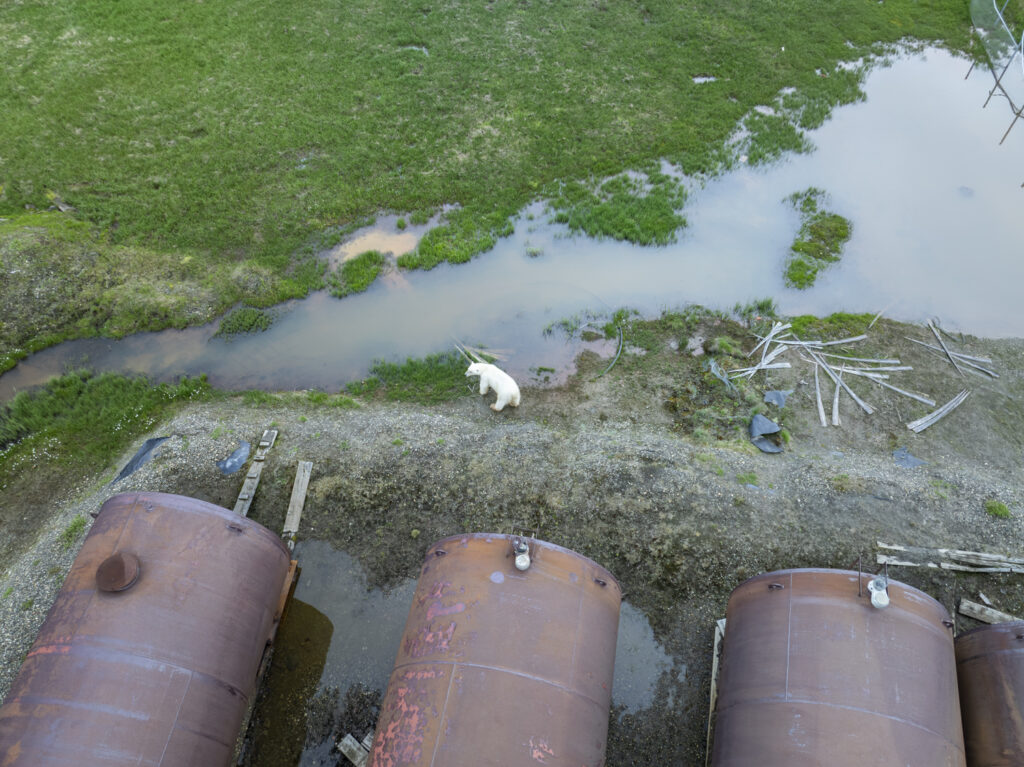
However, extraction in the Arctic remains one of the most expensive domestic energy endeavors. The high costs are attributed to the remote location, the necessity of building ice roads and permanent gravel infrastructure, and the logistical challenges of operating in extreme sub-zero temperatures. Critics of the development argue that the breakeven price for Arctic oil is significantly higher than for shale oil in the contiguous United States, often requiring public subsidies and favorable tax structures to remain viable for private corporations.
Competing Interests: State Revenue vs. Environmental Conservation
The State of Alaska remains a staunch proponent of North Slope development, citing an "anemic" state budget that is heavily reliant on oil royalties and taxes. With the decline of production in the legacy Prudhoe Bay fields—which have yielded 13.5 billion barrels over 50 years—state officials argue that new projects in the NPR-A are essential for Alaska’s economic survival.
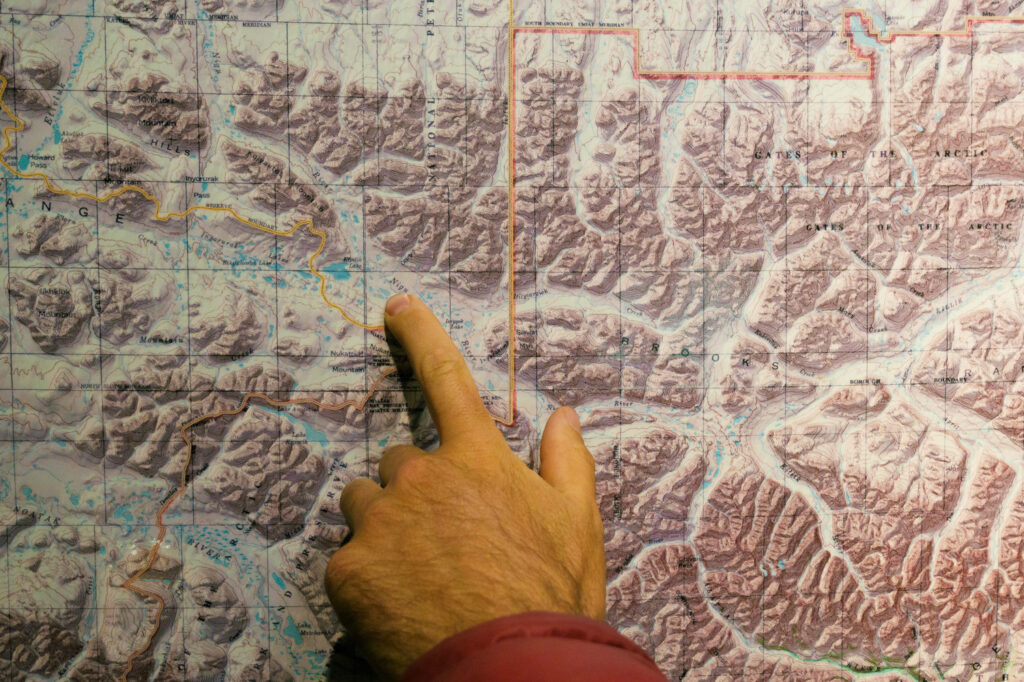
Conversely, environmental organizations and a segment of the scientific community emphasize the "last whole place" concept. They argue that the Arctic represents one of the few remaining intact ecosystems of its scale in the Northern Hemisphere. The debate is further complicated by the Ambler Mining District road project—a proposed 211-mile industrial corridor that would provide access to mineral deposits in the Brooks Range, crossing both state and federal lands.
Conservationists view these projects—Willow, the Ambler Road, and the NPR-A lease sales—not as isolated decisions but as a cumulative industrialization of the Arctic. They contend that the "legal machinery" of lease sales, once set in motion, creates a path dependency that makes future conservation efforts increasingly difficult to implement.
Fact-Based Analysis of Policy Implications
The current federal strategy in the NPR-A reflects a complex balancing act between statutory obligations and environmental goals. While the government is legally required to conduct lease sales, it has also proposed new "Public Lands Rules" aimed at strengthening the protection of the 13.3 million acres currently designated as Special Areas within the reserve.
The implications of this dual-track policy are manifold:
- Political and Legal Uncertainty: The oscillation between pro-development and pro-conservation administrations creates a volatile environment for long-term capital investment. Oil companies typically operate on 30-year horizons, and the threat of litigation or regulatory shifts adds a "political risk" premium to Arctic projects.
- Carbon Budgeting: From a climate perspective, the development of the NPR-A represents a significant "carbon bomb." Estimates suggest that the combustion of oil from the Willow project alone could release more than 250 million metric tons of CO2 equivalent over its lifetime, complicating national and international efforts to meet net-zero emissions targets.
- Infrastructure Creep: The construction of roads, pipelines, and processing facilities in the NPR-A could lead to a "fragmentation effect," where the physical footprint of development disrupts the migratory paths of caribou and the nesting grounds of waterfowl, even if large swaths of land remain technically undeveloped.
Conclusion
As the federal government proceeds with the mandated lease sales in Alaska’s Western Arctic, the region stands at a critical juncture. The "National Petroleum Reserve" remains a landscape defined by a century-old military calculation, yet it is now the front line of a modern conflict over energy security, economic necessity, and the preservation of global biodiversity. While the legal names and political designations provide a framework for administrative action, the underlying reality remains an ecosystem of immense scale and fragility, facing a future that will be determined by the tension between extraction and restraint.
