

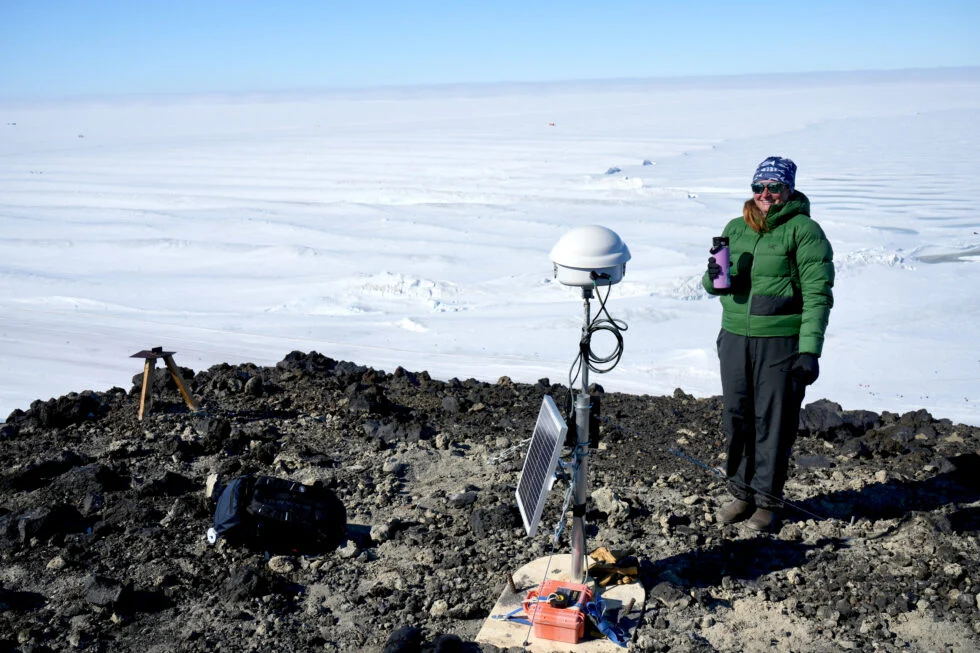
At the southern frontier of the planet, where the crystalline expanse of the Antarctic continent meets the Southern Ocean, a specialized team of researchers is engaged in a high-stakes effort to quantify the stability of the Earth’s largest freshwater reservoir. Dr. Ali Banwell, a Research Scientist at the University of Colorado Boulder and a Professor in Glaciology at Northumbria University, recently concluded a critical field season on the McMurdo Ice Shelf. As a prominent member of the Protect Our Winters (POW) Science Alliance, Dr. Banwell’s work addresses a question of existential importance for coastal civilizations: How long can the Antarctic ice shelves continue to buttress the massive ice sheets behind them?
The research, funded by the National Science Foundation (NSF), focuses on the structural integrity of ice shelves—floating extensions of land-based glaciers that ring approximately 75% of the Antarctic coastline. These shelves act as a critical defensive barrier. By providing "back-stress" or buttressing, they slow the flow of glacial ice from the continent into the ocean. If these shelves fail, the acceleration of land-based ice into the sea would lead to a catastrophic rise in global sea levels. Dr. Banwell notes that the total melting of the Antarctic Ice Sheet would result in a global sea-level rise of approximately 190 feet, a figure that underscores the magnitude of the environmental stakes.
The Mechanics of Structural Vulnerability: Understanding Ice Shelf Rumples
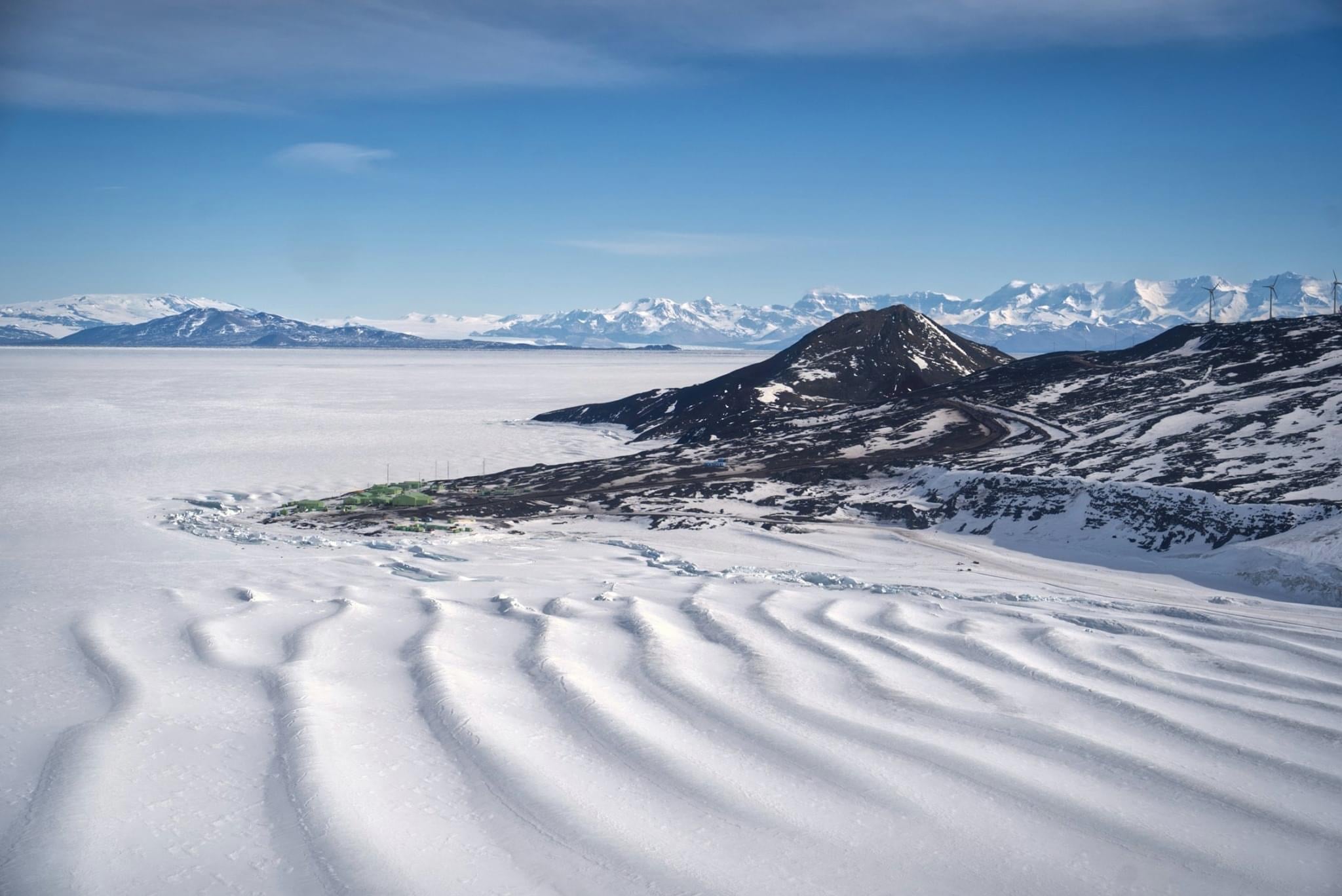
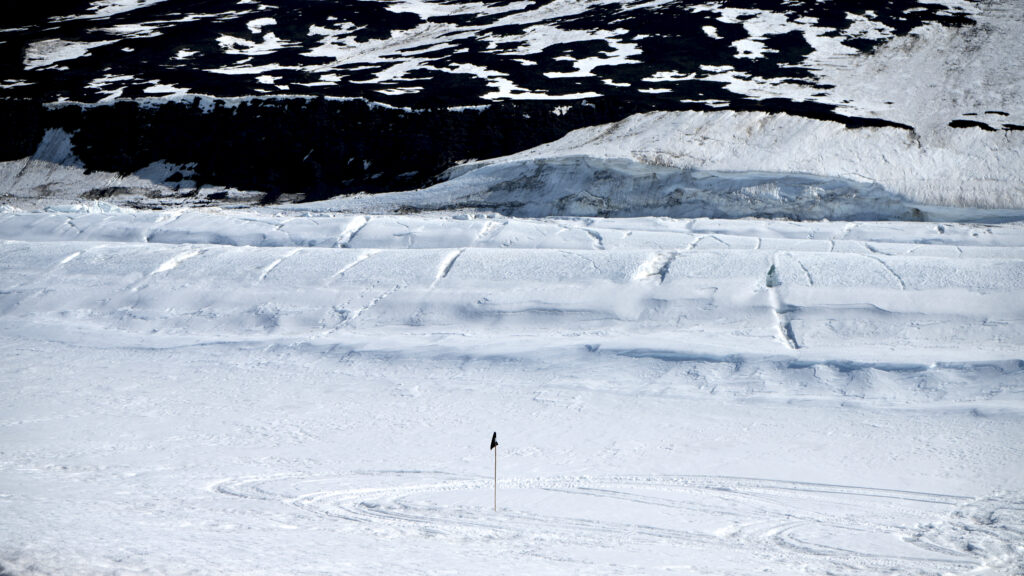
While the total collapse of the Antarctic Ice Sheet is not considered an immediate threat, the mechanisms that could trigger such an event are already in motion. Dr. Banwell’s current research targets a specific and poorly understood phenomenon on the McMurdo Ice Shelf known as "rumples." In most regions, ice shelves flow unimpeded toward the open sea. However, in the McMurdo region, portions of the ice shelf are forced against landmasses or underwater obstacles.
This physical obstruction causes the ice to compress and "crumple," creating wave-like ridges or rumples that can span several kilometers. In more extreme cases, this compression causes the ice to buckle and fracture, creating deep crevasses. The central scientific inquiry of Dr. Banwell’s mission is to determine whether these rumples act as anchors that stabilize the shelf or whether the resulting fractures create inherent weaknesses that make the shelf more prone to rapid disintegration. Understanding this balance is vital for refining global climate models, which currently struggle to predict the exact timing of ice shelf collapses.
Chronology of the Field Season: Six Weeks on the McMurdo Ice Shelf
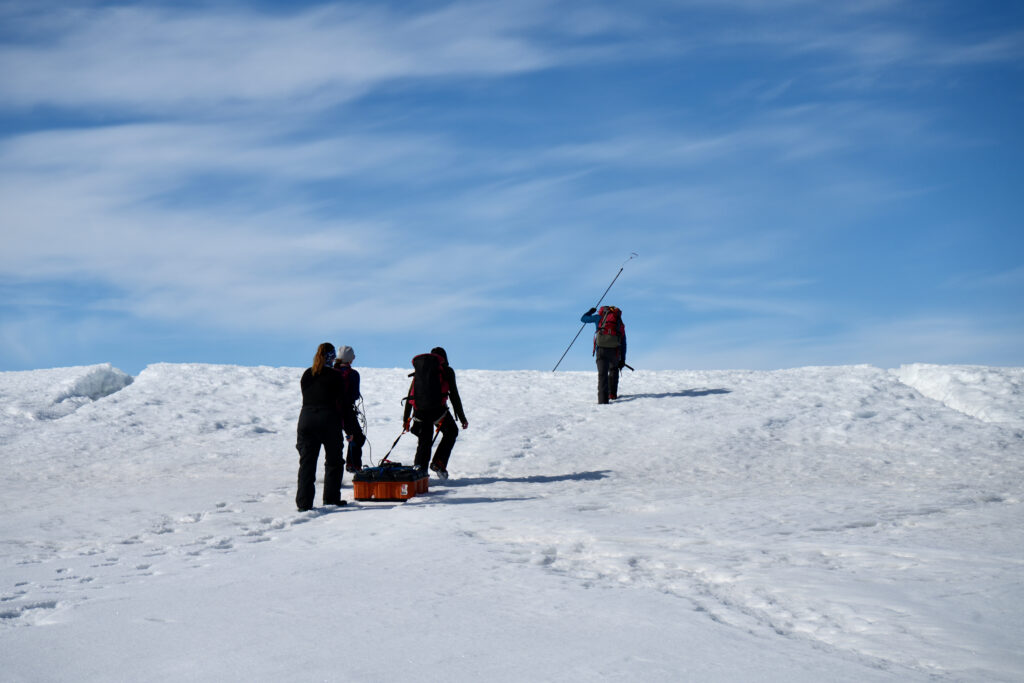
The field expedition consisted of a six-week deployment during the Antarctic summer, a period of perpetual daylight that allows for continuous operations but subjects researchers to grueling conditions. Dr. Banwell led a four-person team, including Co-Principal Investigator Ryan Cassotto and PhD students Allie Berry and Michela Savignano.
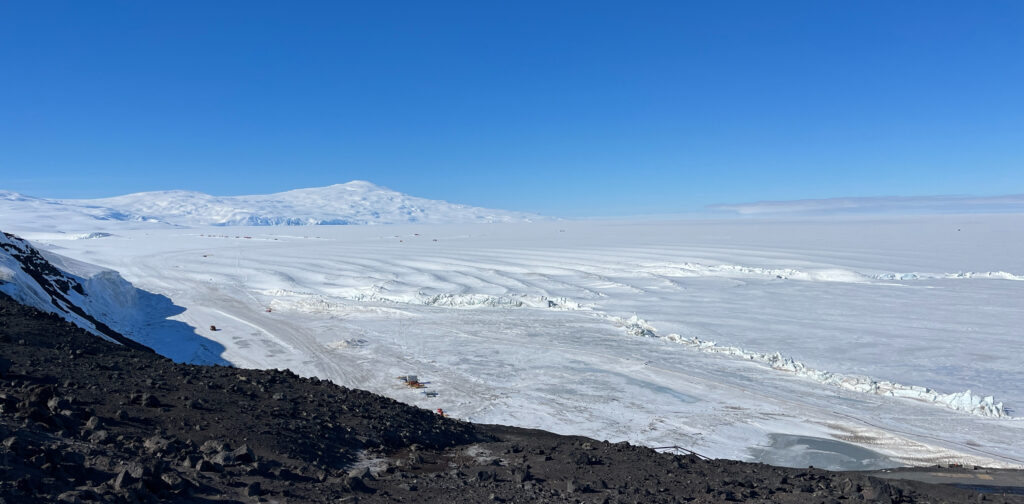
The team operated out of McMurdo Station, the primary U.S. research hub in Antarctica, traveling daily via snowmobile to their remote field sites across the ice shelf. The daily routine involved navigating a landscape that Dr. Banwell described as "vast, remote, and at times almost otherworldly." The mission was divided into several phases:
- Site Reconnaissance and Safety Assessment: The team first identified areas within the rumple zone that were safe for instrumentation. This required extensive mountaineering expertise, as the "warm" summer had exposed a higher-than-expected number of hidden crevasses.
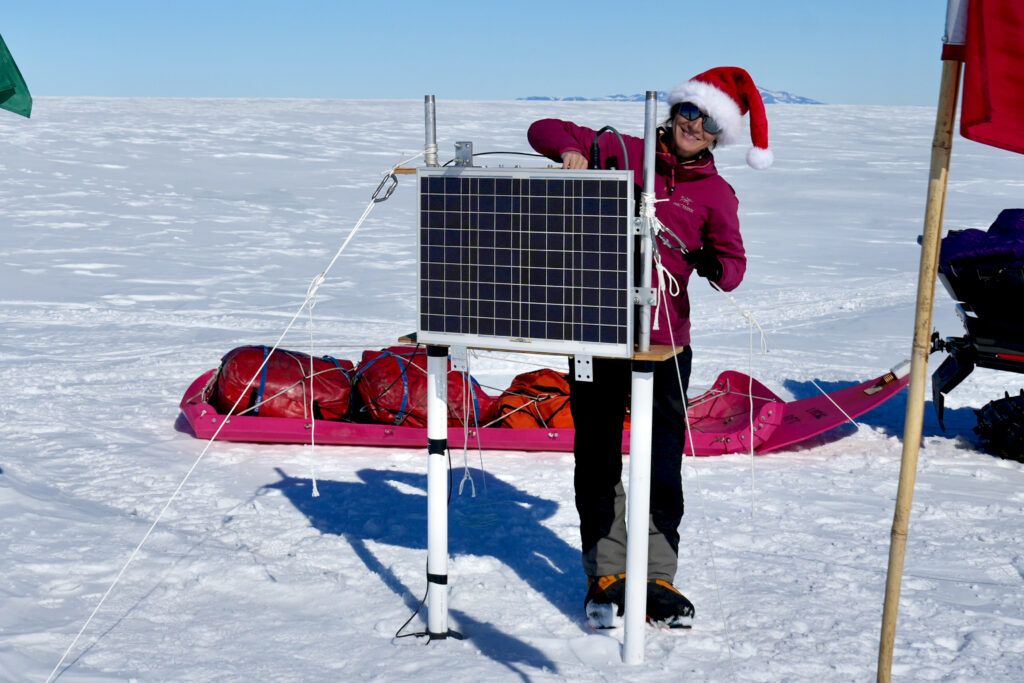
- Instrument Deployment: Over several weeks, the team installed a sophisticated network of sensors designed to monitor the ice shelf’s "vital signs" through the harsh Antarctic winter.
- Observation and Manual Data Collection: While on-site, the researchers conducted radar surveys to measure ice thickness and internal deformation, while also tracking the daily movement of the ice using high-precision GPS.
- Winterization: The final phase involved securing the equipment to withstand sub-zero temperatures and high-velocity winds during the months of darkness when human presence on the shelf is impossible.
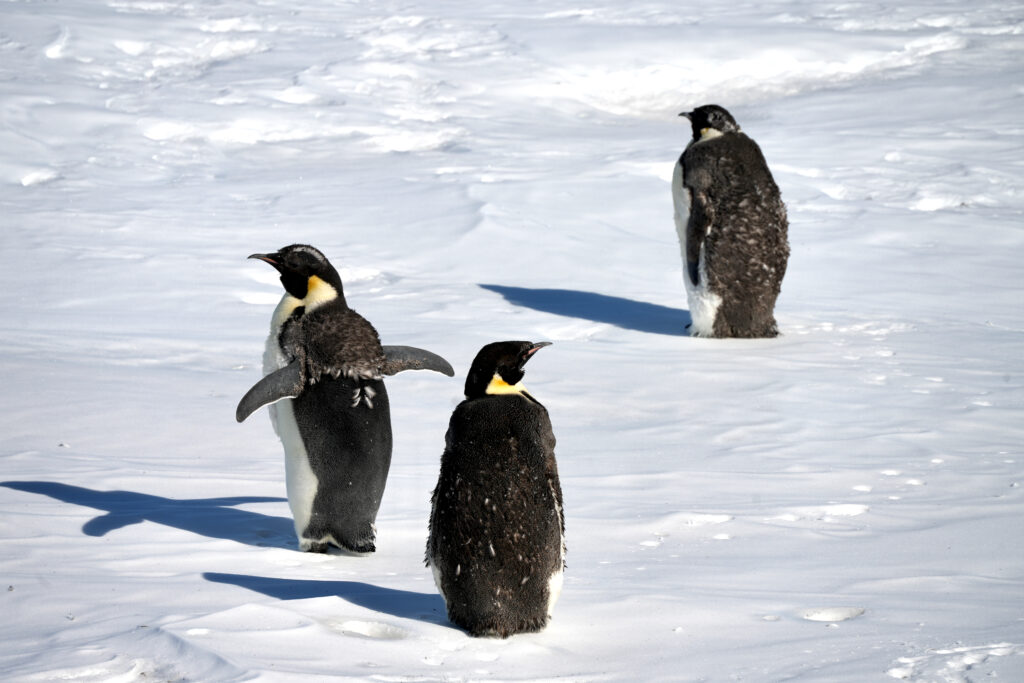
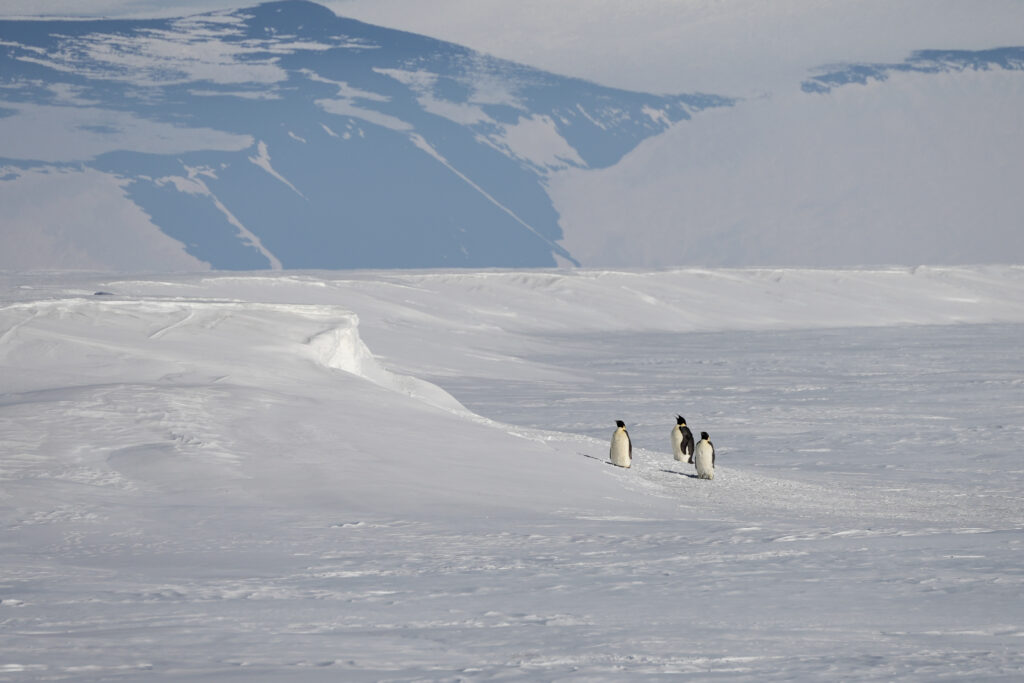
Throughout the season, the team was accompanied by three emperor penguins in the midst of their annual molt. These birds, unable to enter the water until their new feathers grew in, remained near the field site for weeks, providing a rare glimpse into the life cycles of the continent’s most iconic wildlife.
Technical Methodology: Listening to the Ice
To capture a comprehensive picture of the ice shelf’s behavior, Dr. Banwell’s team deployed an array of high-tech instrumentation. These devices are currently operating autonomously, collecting data that will be retrieved during the next field season. The array includes:
- Seismometers: These instruments are designed to detect "icequakes"—the acoustic signals generated when the ice cracks or shifts. By monitoring these signals, scientists can determine where and when internal fractures are occurring.
- Centimeter-Scale GPS Units: Standard GPS units are not precise enough to track glacial movement in real-time. The team utilized high-precision units capable of measuring shifts of just a few millimeters, allowing them to calculate the exact velocity of the ice shelf.
- Ice-Penetrating Radar: This technology allows researchers to "see" through the ice, mapping internal layers and measuring the thickness of the shelf. This data is crucial for understanding how the ice is deforming under the pressure of the rumples.
- Automated Weather Stations: Atmospheric conditions, including temperature, wind speed, and solar radiation, are recorded to correlate physical changes in the ice with weather patterns.
- Time-Lapse Cameras: Positioned to take photographs every 30 minutes, these cameras provide a visual record of surface changes, snow accumulation, and the physical expansion of fractures.
Early Observations: A Dynamic and Warming Environment
Although the full dataset will not be available until the instruments are recovered next year, early observations from the field season have already provided sobering insights. Dr. Banwell reported that the glacier ice was moving at a rate of one to two feet per day. While this may seem slow by human standards, it represents a highly dynamic system in geological terms.
Furthermore, the team noted that this was the warmest summer Dr. Banwell had experienced in her seven years of Antarctic fieldwork. The unseasonable warmth led to earlier snowmelt, which stripped away the protective "bridge" over many crevasses. This increased the physical danger to the team and highlighted the accelerating pace of change in the region. The discovery of a more fractured ice surface than anticipated suggests that the McMurdo Ice Shelf may be under greater stress than previously estimated.
Fact-Based Analysis: The Broader Implications for Global Sea Levels
The stability of Antarctica’s ice shelves is not merely a regional concern; it is a primary driver of global sea-level rise projections. Current scientific consensus suggests that global sea levels could rise by one to three feet by the end of the 21st century. While this may sound manageable, the impact on global infrastructure would be profound.
According to data from the Intergovernmental Panel on Climate Change (IPCC), a sea-level rise of just two feet would threaten the homes of over 100 million people globally. Coastal cities such as Miami, New York, Shanghai, and Bangkok would require billions of dollars in defensive infrastructure, and many low-lying island nations would face total displacement.
The research conducted by Dr. Banwell and her colleagues is essential for narrowing the uncertainty in these projections. If the "rumples" are found to be a point of failure rather than a point of stability, the timeline for ice shelf collapse may need to be moved forward. Conversely, if these features are shown to provide significant buttressing, it may provide more time for global mitigation efforts to take effect.
Conclusion and Future Outlook
The data currently being collected in the dark of the Antarctic winter will provide a rare, year-round look at the forces shaping the continent’s edges. When Dr. Banwell returns next season to retrieve her instruments, the findings will be cross-referenced with satellite data to create a multi-scale model of ice shelf stability.
This work underscores the vital role of "boots-on-the-ground" (or snowmobiles-on-the-ice) science. While satellites provide a broad overview, the nuances of ice deformation, fracture mechanics, and local atmospheric interactions can only be captured by the type of intensive fieldwork conducted by the University of Colorado and Northumbria University team. As global temperatures continue to rise, the "last line of defense" provided by Antarctica’s ice shelves remains one of the most critical variables in the future of the planet’s climate. The movement of a few feet of ice in Antarctica today may well determine the location of the world’s coastlines tomorrow.
