

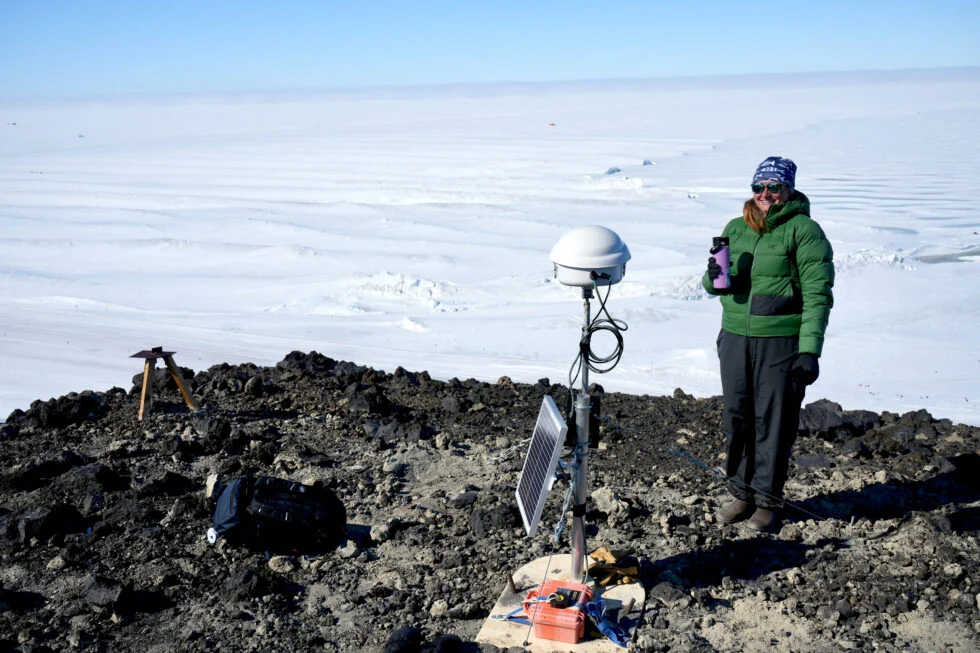
At the southernmost reaches of the planet, where the crystalline expanse of the Antarctic continent meets the Southern Ocean, a critical scientific inquiry is unfolding that could dictate the future of global coastlines. Dr. Ali Banwell, a prominent glaciologist and member of the Protect Our Winters (POW) Science Alliance, has recently concluded a high-stakes field season on the McMurdo Ice Shelf. Her mission, funded by the National Science Foundation (NSF), seeks to resolve a fundamental mystery of polar physics: the structural integrity of the ice shelves that act as the final gatekeepers against catastrophic sea-level rise.
Dr. Banwell, who holds dual appointments as a Research Scientist at the University of Colorado Boulder’s Cooperative Institute for Research in Environmental Sciences (CIRES) and a Professor in Glaciology at Northumbria University, spent six weeks immersed in one of the most hostile environments on Earth. Her work focuses on the mechanical stressors and "rumples" of the ice shelf—features that may either be stabilizing the Antarctic ice sheet or signaling its impending fragmentation.
The High Stakes of Antarctic Glaciology
To grasp the gravity of Dr. Banwell’s research, one must look at the sheer scale of the Antarctic Ice Sheet. Current scientific consensus indicates that if the entire Antarctic Ice Sheet were to melt into the ocean, global sea levels would rise by approximately 190 feet (58 meters). While such a total collapse is not projected in the immediate future, the mechanisms that could trigger accelerated melting are already in motion.
The primary defense against this scenario is the continent’s network of ice shelves. These vast, floating platforms of ice ring approximately 75% of the Antarctic coastline. They serve a critical "buttressing" function, acting as a physical barrier that slows the flow of land-based glaciers into the sea. When an ice shelf thins or collapses, the glaciers behind it lose their structural support and begin to surge toward the ocean at much higher velocities. This process directly contributes to the rising tides currently threatening low-lying metropolitan areas from Miami to Manila.
The Phenomenon of Ice Shelf Rumples
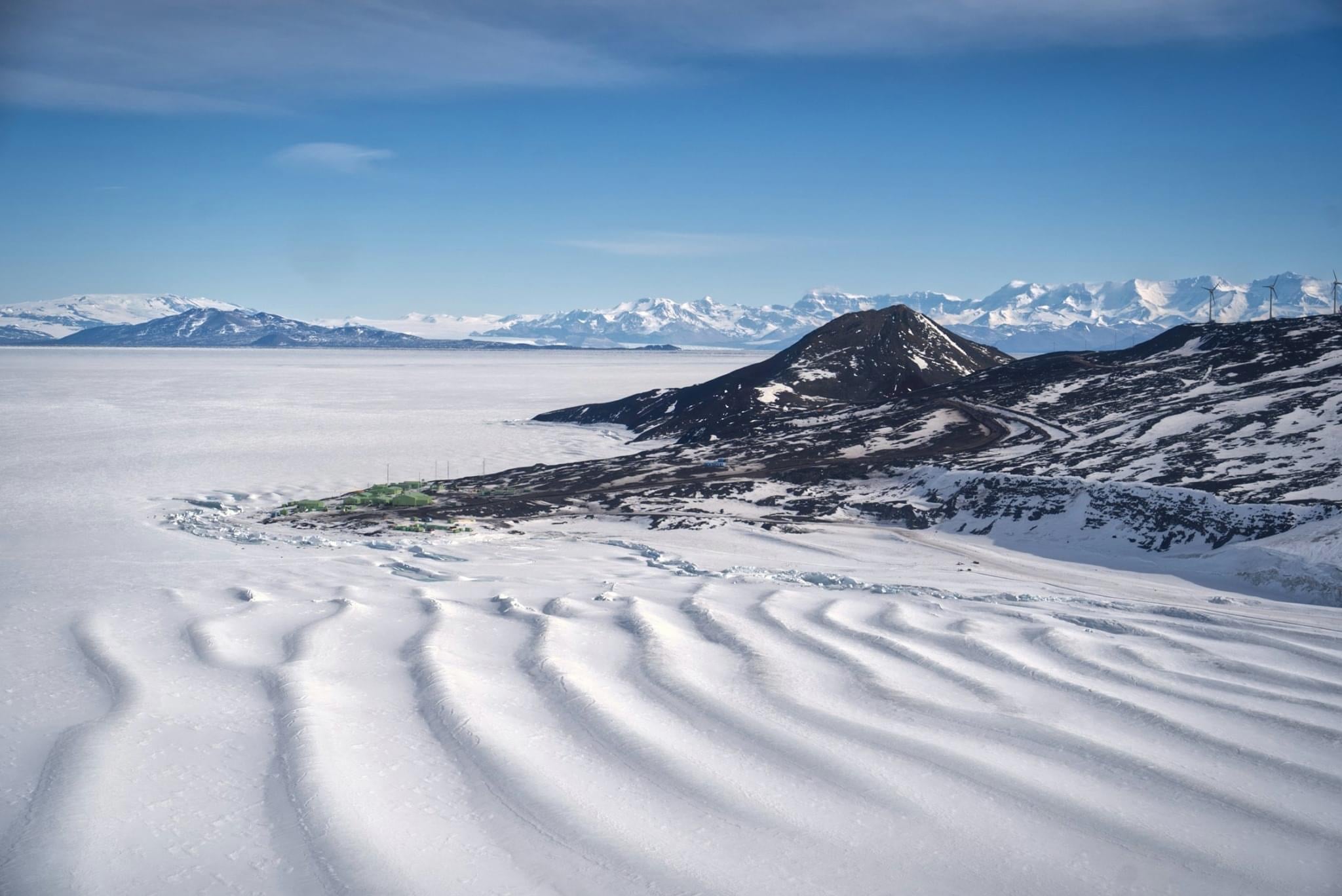
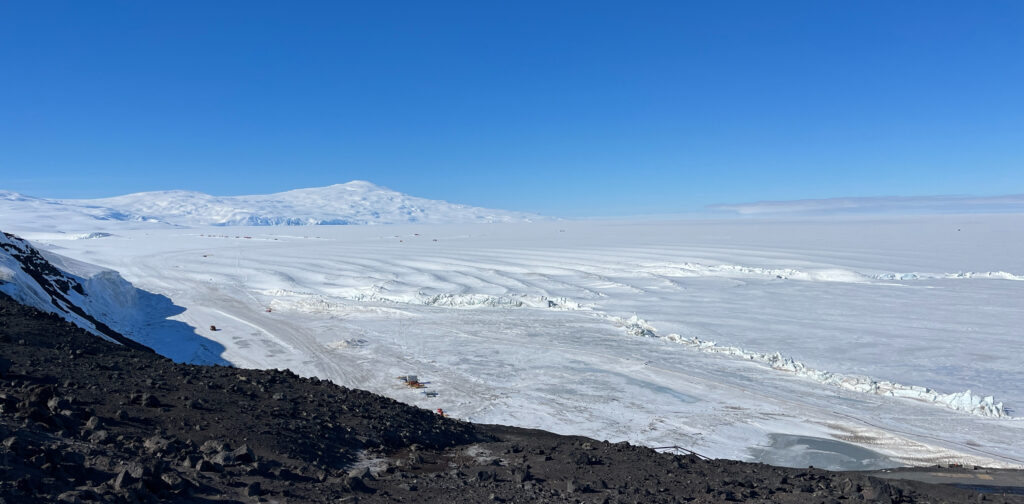
The focus of the current expedition was the McMurdo Ice Shelf, located near the United States’ McMurdo Station on Ross Island. Unlike most ice shelves, which flow unimpeded toward open water, the McMurdo shelf exhibits a unique and puzzling behavior. Parts of the ice are being forced into land masses rather than out to sea.
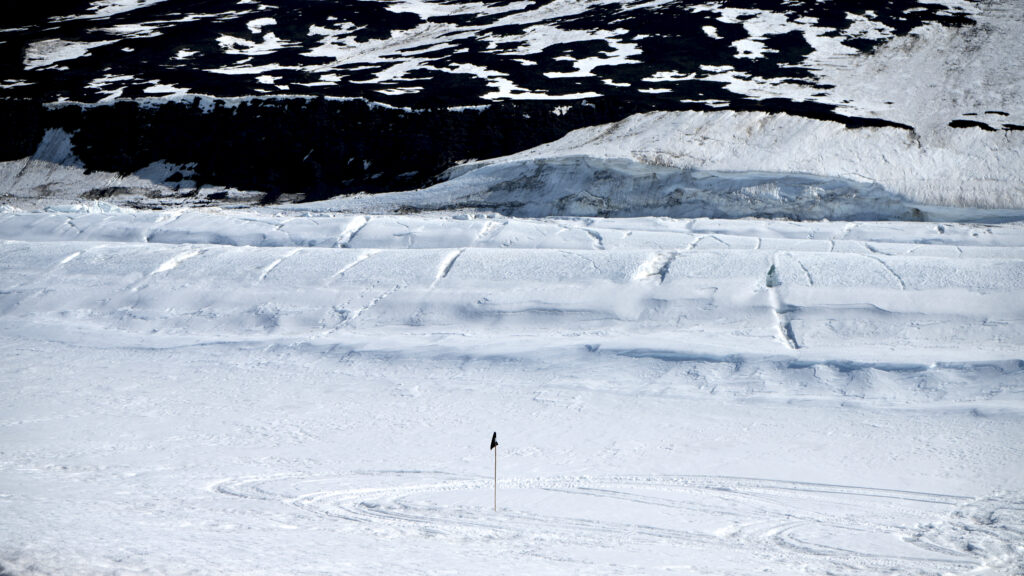
This lateral compression causes the ice to buckle, creating "rumples"—wave-like ridges that can span miles across the frozen surface. These rumples are often accompanied by deep fractures and buckles. The central scientific question driving Dr. Banwell’s team is whether these rumples provide additional friction that helps hold the ice shelf together, or if the internal stress they create makes the shelf more prone to a sudden, catastrophic break-up.
Chronology of the Expedition: Six Weeks on the Edge
The expedition consisted of a four-person team, including Dr. Banwell, Co-Principal Investigator Ryan Cassotto (University of Colorado Boulder/University of Maine), and PhD students Allie Berry (University of Maine) and Michela Savignano (University of Colorado Boulder).
The team’s work followed a rigorous daily schedule over a six-week period. Each day, the scientists traveled from their base via snowmobile across the "otherworldly" landscape of the ice shelf to reach their primary study sites. The environment was characterized by the "perpetual summer sun," a phenomenon where the sun never sets, providing 24-hour light for operations but also contributing to the melting of the surface snow.
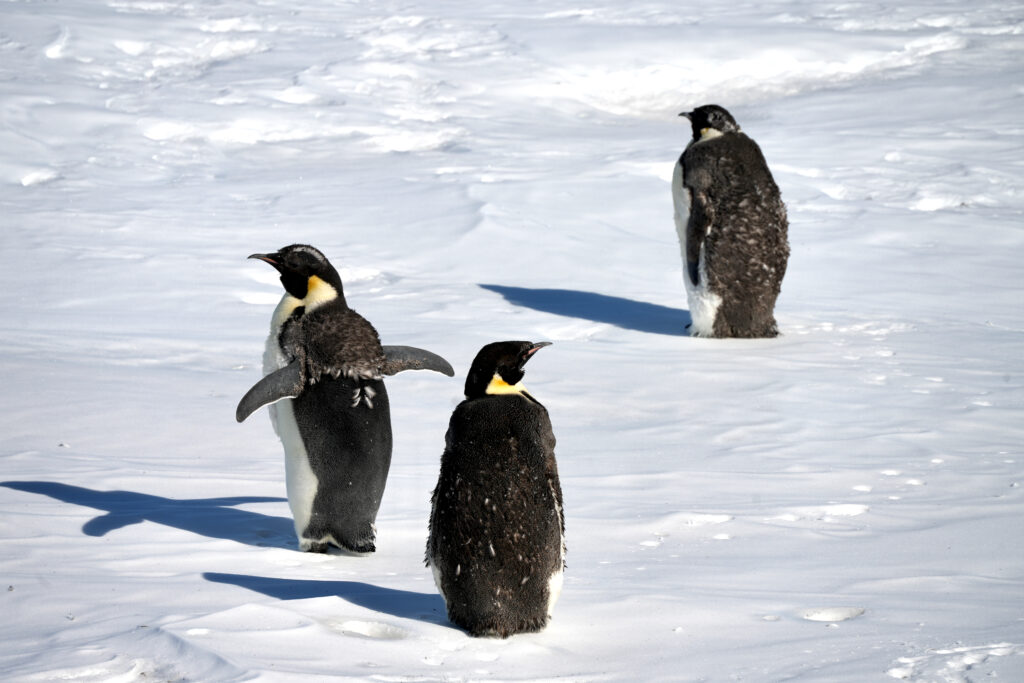
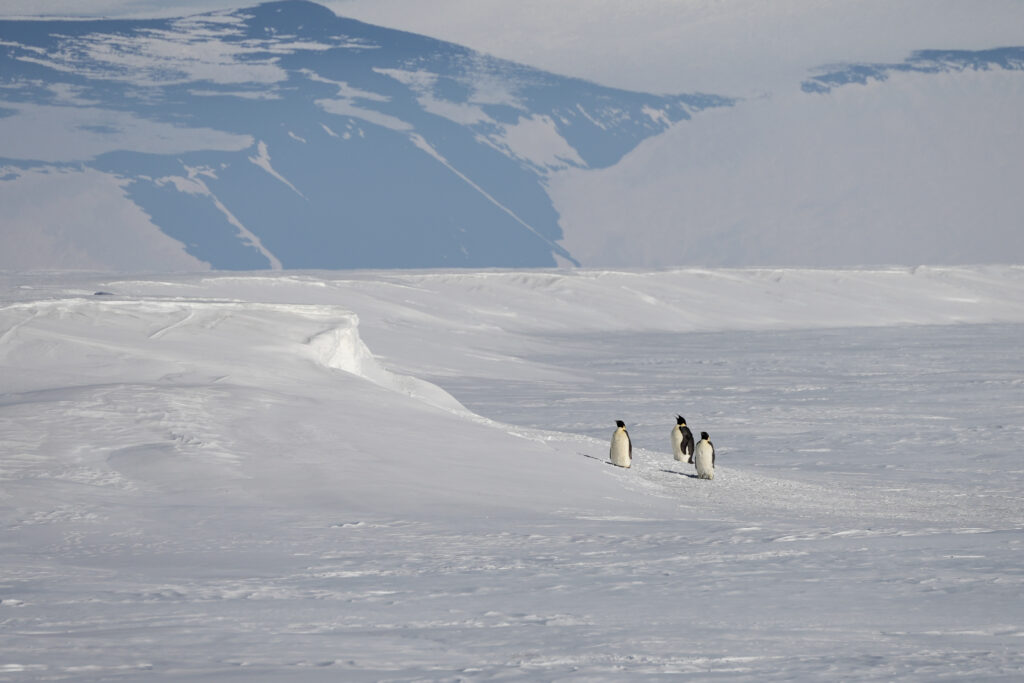
Throughout the mission, the team lived in close proximity to the local wildlife. Three emperor penguins, in the midst of their annual molt, became stationary fixtures near the field site. Because molting penguins lose their waterproof feathers and cannot enter the frigid water to hunt, they remain on the ice for weeks at a time, providing the researchers with a rare, close-up view of the species’ endurance in the face of a changing climate.
A High-Tech Frozen Laboratory: Methodology and Instrumentation
To capture the subtle movements of the ice, the team deployed an array of sophisticated monitoring equipment designed to survive the brutal Antarctic winter. This network of instruments serves as a remote laboratory that will continue to record data long after the human researchers have departed.
Seismic Monitoring and GPS Tracking
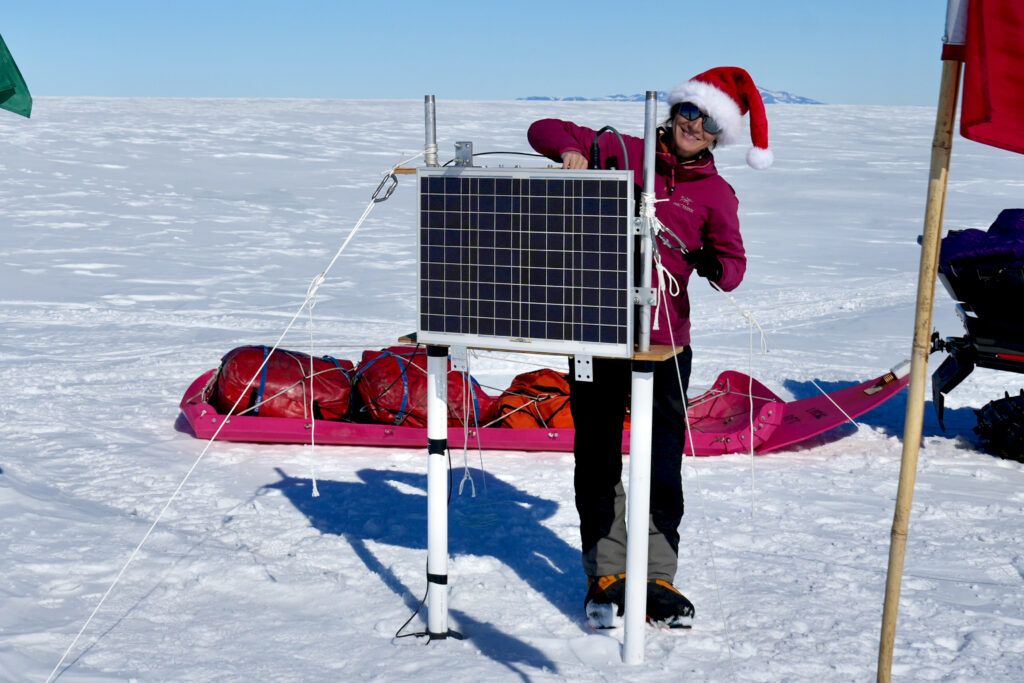
The team installed high-sensitivity seismometers across the rumple zone. These devices detect "icequakes"—tiny vibrations caused by the cracking and fracturing of the ice deep within the shelf. Complementing the seismic data are GPS units capable of measuring movement with centimeter-level precision. These units track how the ice shelf shifts in response to ocean tides and the pressure of the land-based glaciers pushing from behind.
Radar and Atmospheric Stations
Radar systems were utilized to peer through the ice, measuring its thickness and identifying internal layers of deformation. These measurements are crucial for calculating the rate at which the shelf is thinning from below due to warming ocean currents. Simultaneously, weather stations were erected to capture atmospheric data, including wind speed, solar radiation, and temperature fluctuations, providing context for the surface melting observed during the season.
Visual Documentation
Automated cameras were positioned to take high-resolution images every 30 minutes. This visual record allows scientists to observe the physical evolution of the rumples and fractures over a full annual cycle, including the dark winter months when human presence on the shelf is impossible.
Early Findings: A Dynamic and Warming Environment
While the full analysis of the data will take years, Dr. Banwell’s initial observations from the field are striking. The team discovered that the ice shelf was moving significantly faster than previous estimates suggested, with an average displacement of one to two feet per day. In the world of glaciology, this represents a highly dynamic and rapidly changing system.
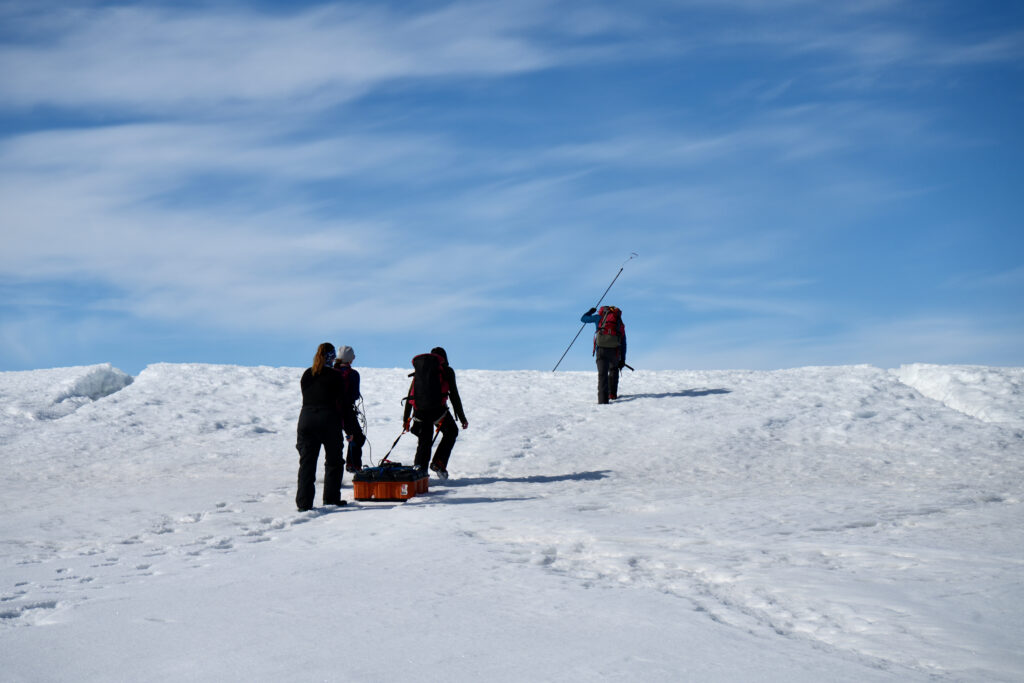
Furthermore, the team experienced the warmest of the seven summers Dr. Banwell has spent in Antarctica. The elevated temperatures caused the surface snow to melt earlier than usual, revealing a highly fractured landscape beneath. The team encountered a higher frequency of crevasses—deep, dangerous cracks in the ice—than they had anticipated. This increase in surface fracturing is a direct indicator of the stress the ice shelf is under as it grapples with rising temperatures.
Broader Implications and Scientific Analysis
The urgency of Dr. Banwell’s work is underscored by the latest climate projections. As global temperatures continue to climb, the melting at Antarctica’s margins is expected to accelerate. Current models from the Intergovernmental Panel on Climate Change (IPCC) suggest a global sea-level rise of one to three feet by the year 2100. However, these projections are subject to significant uncertainty, largely because the physics of ice shelf collapse are not yet fully understood.
If Dr. Banwell’s research determines that features like rumples are signs of structural instability, it may lead to a downward revision of the estimated lifespan of several major Antarctic ice shelves. Conversely, if these features are found to be stabilizing, it could provide a more nuanced understanding of which areas of the continent are most at risk.
The displacement of tens of millions of people living in coastal regions is the human cost at the center of this research. From a geopolitical and economic perspective, the stability of the Antarctic ice is one of the most significant variables in global risk assessment for the 21st century.
The Path Forward: Data Retrieval and Future Missions
The expedition’s conclusion marks only the beginning of the scientific process. The instruments left behind on the McMurdo Ice Shelf are currently "quietly collecting data" through the dark, sub-zero Antarctic winter. Dr. Banwell and her team plan to return to the site during the next field season to retrieve the equipment and download the months of continuous data.
This dataset will eventually be cross-referenced with satellite observations from NASA and the European Space Agency to create a comprehensive model of ice shelf behavior. By combining ground-level precision with satellite-scale coverage, the researchers hope to develop a predictive tool that can warn of impending ice shelf failures before they occur.
As the scientific community continues to monitor the "bottom of the world," the work of Dr. Banwell and her colleagues serves as a critical bridge between abstract climate models and the physical reality of a warming planet. The movement of the ice, measured in mere feet per day, remains one of the most powerful indicators of the challenges that lie ahead for the global community.
