

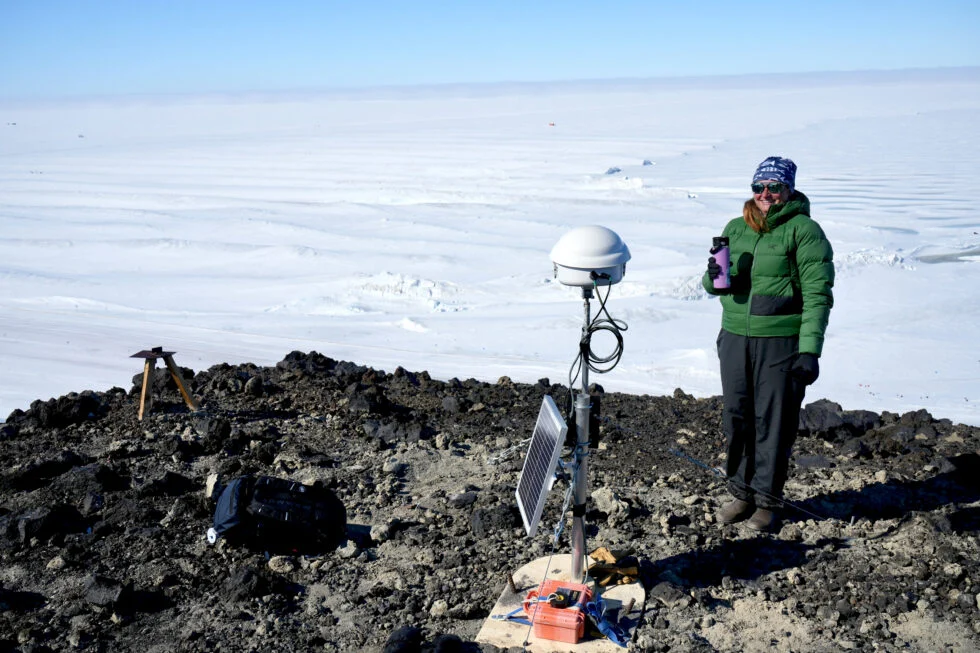
At the southernmost reaches of the planet, where the environment is as hostile as it is majestic, a team of scientists is working to solve a puzzle that carries immense implications for the future of human civilization. The central question driving their research is both simple and daunting: how long can Antarctica’s ice shelves continue to hold back the massive ice sheets that sit atop the continent? This inquiry has brought Dr. Ali Banwell, a Research Scientist at the University of Colorado Boulder and a Professor in Glaciology at Northumbria University, to the McMurdo Ice Shelf for a grueling six-week field season. As a member of the Protect Our Winters (POW) Science Alliance, Dr. Banwell’s work transcends academic curiosity; it is a race against time to understand the mechanisms of global sea-level rise.
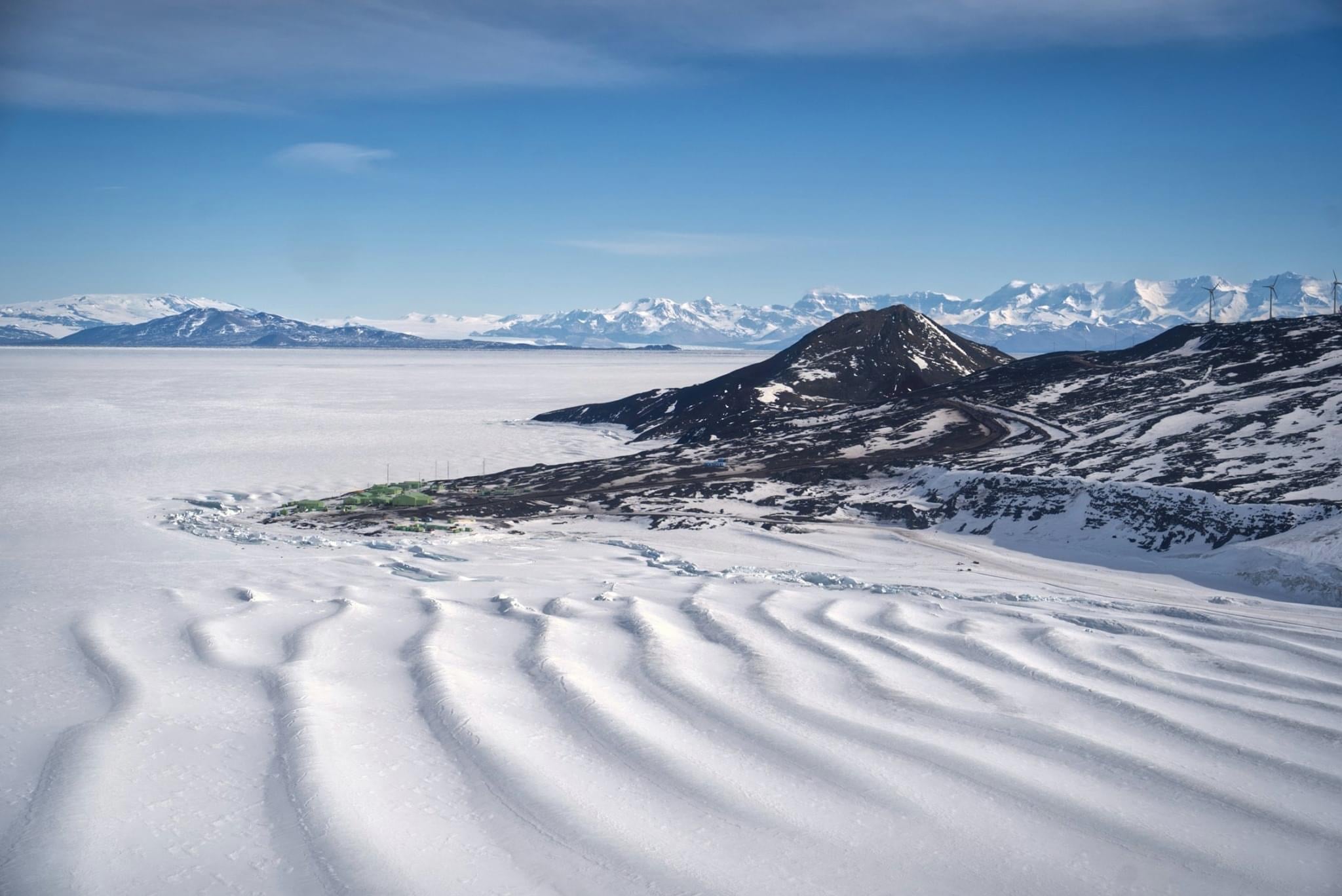
To grasp the magnitude of the research, one must first understand the scale of the Antarctic Ice Sheet. If the entirety of this ice were to melt into the ocean, global sea levels would rise by approximately 190 feet. While scientists agree that a total collapse is not imminent, the processes that could lead to significant mass loss are already in motion. The primary defense against this catastrophic scenario is a ring of floating ice shelves that surround roughly 75% of the Antarctic coastline. These shelves act as a "buttress," providing a physical barrier that slows the flow of land-based glaciers into the sea. Without these shelves, the transition of ice from land to water would accelerate rapidly, causing sea levels to rise at a pace that modern infrastructure and coastal populations are ill-prepared to handle.
The Mechanics of Ice Shelf Buttressing and the McMurdo Paradox
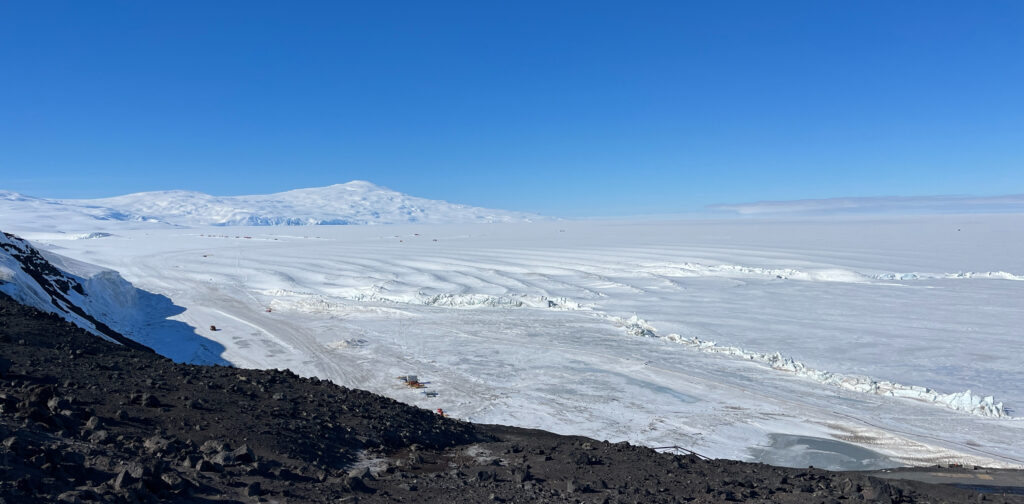
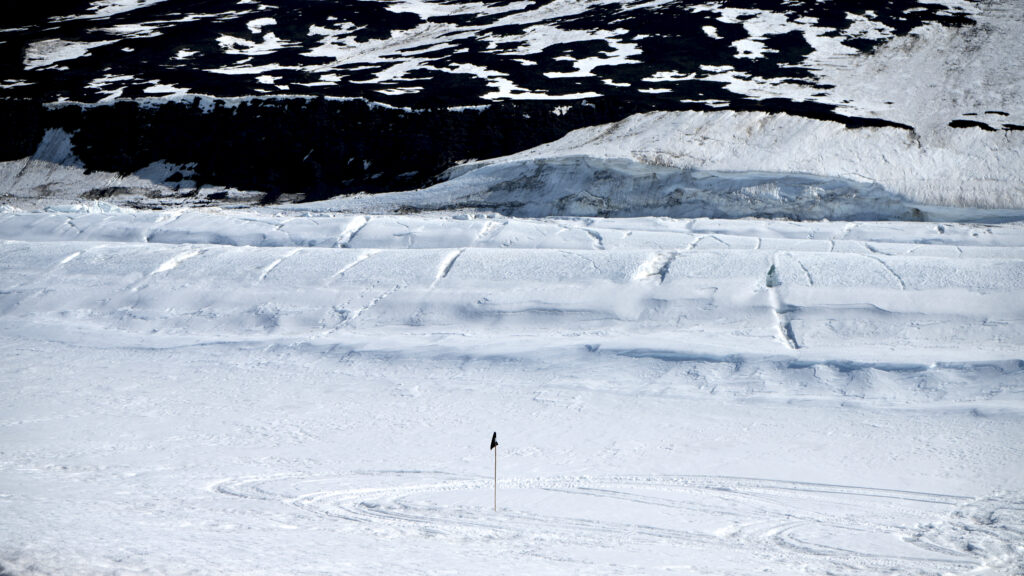
The stability of an ice shelf is dictated by its ability to resist the outward pressure of the glaciers behind it. In a typical scenario, an ice shelf flows away from the continent toward open water. However, the McMurdo Ice Shelf, located near the United States’ research hub on Ross Island, presents a unique and puzzling geological phenomenon. In certain sections of this shelf, the ice is not merely flowing outward; it is being forced into areas of land. This creates a massive amount of compression, causing the ice to "crumple" into wave-like ridges known as ice shelf rumples.
These rumples can stretch across the surface for miles, creating a jagged, buckled landscape. For glaciologists like Dr. Banwell, these features represent a critical unknown. The central objective of her research, funded by the National Science Foundation (NSF), is to determine whether these rumples serve as a stabilizing force that anchors the shelf or if they act as points of structural weakness where the ice is more prone to fracturing. If the rumples provide stability, they may be the key to the shelf’s longevity; if they are points of failure, their presence could signal an impending collapse of the local ice system.
Chronology of the Field Season: Six Weeks in the Perpetual Sun
The 2023-2024 Antarctic field season saw Dr. Banwell lead a team of four, including PhD students Allie Berry and Michela Savignano, and Co-Principal Investigator Ryan Cassotto. Their mission was to transform a section of the McMurdo Ice Shelf into a high-tech laboratory. The team operated out of McMurdo Station, traveling daily by snowmobile across a landscape that Dr. Banwell describes as "vast, remote, and at times almost otherworldly."
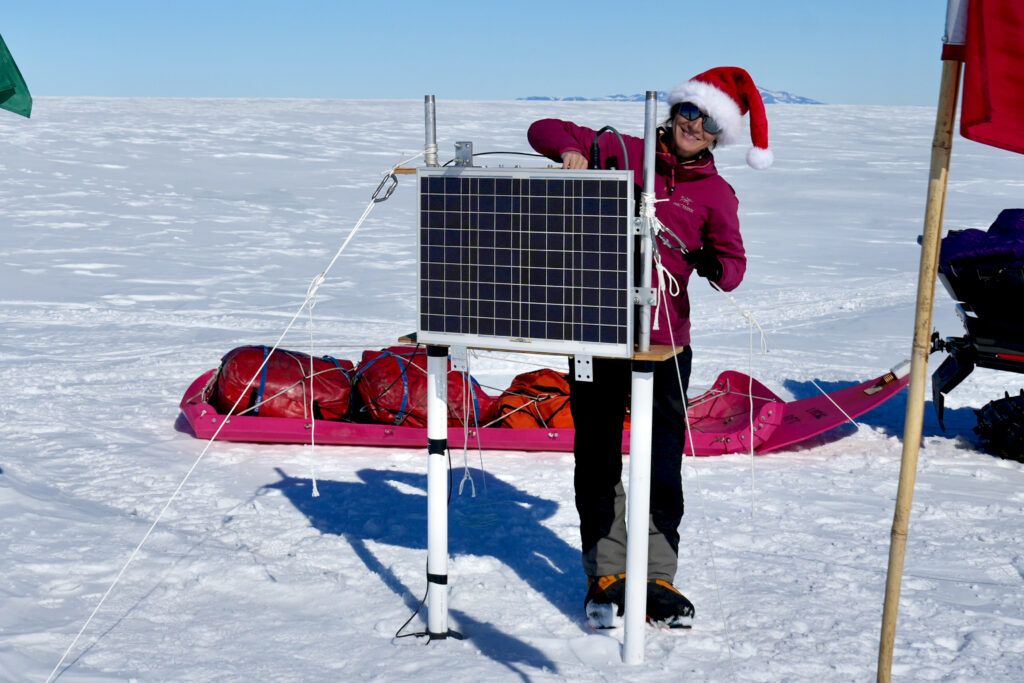
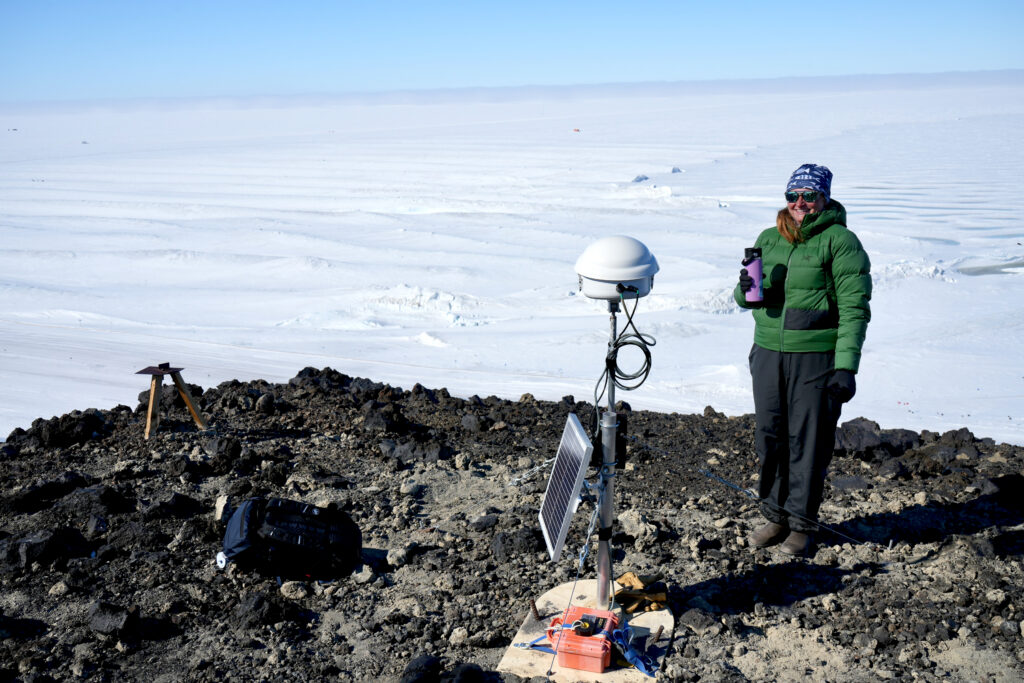
The expedition followed a rigorous timeline. The first two weeks were dedicated to logistics and the transport of heavy equipment across the ice. The team had to navigate a terrain riddled with hidden hazards, requiring extensive mountaineering training to manage the risks posed by crevasses—deep cracks in the ice that can be obscured by thin layers of snow. Once the "rumple zone" was reached, the focus shifted to the installation of a sophisticated network of monitoring instruments designed to record data through the brutal Antarctic winter.
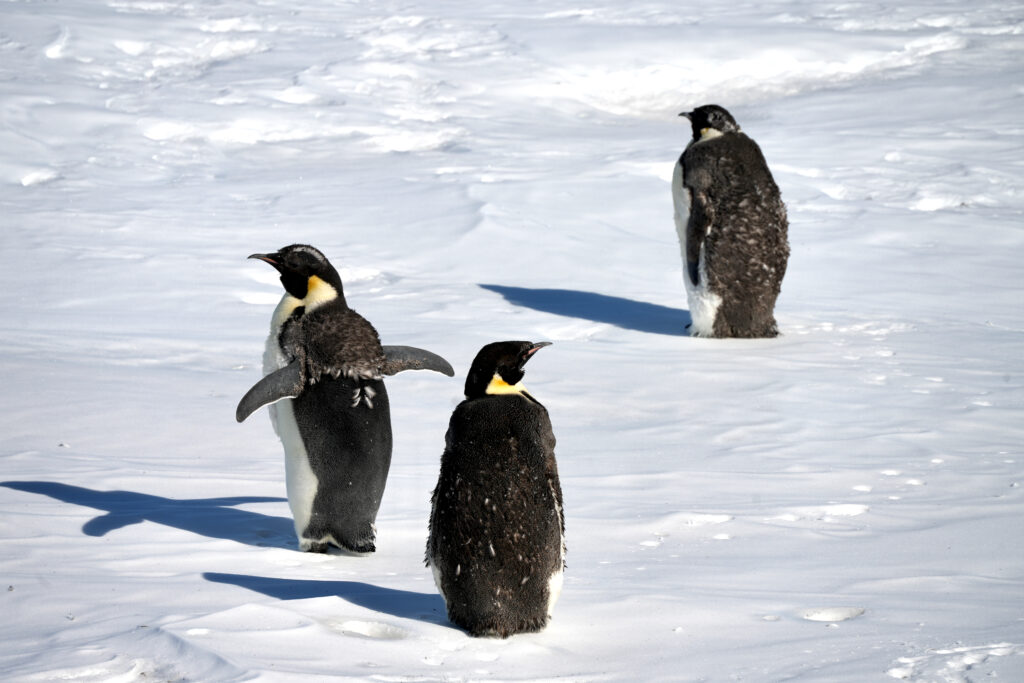
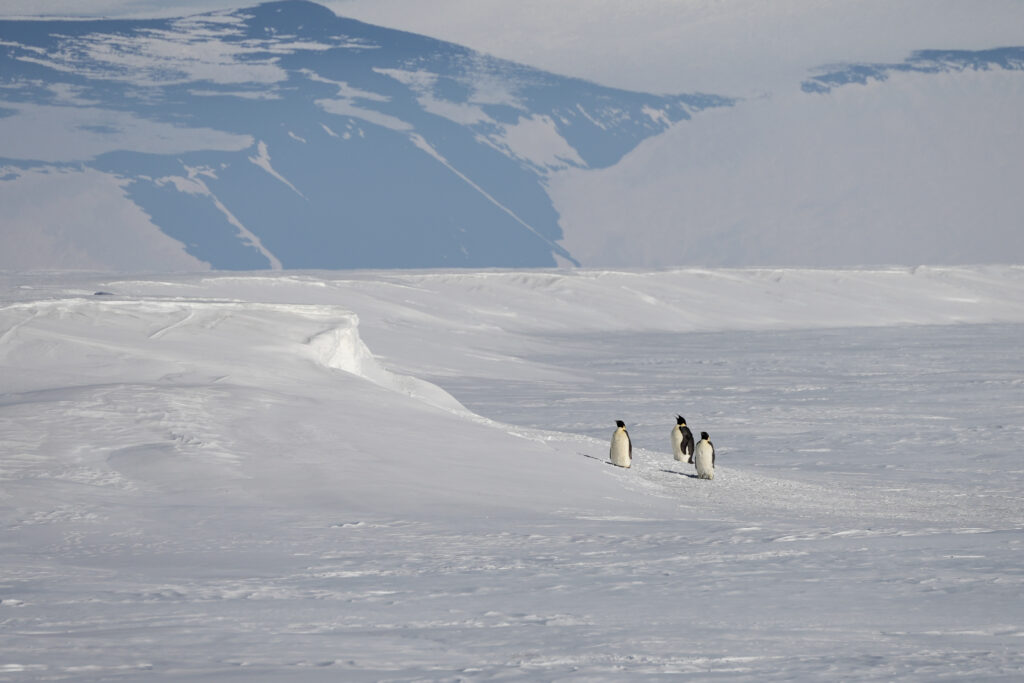
During the middle weeks of the expedition, the team observed local wildlife, including a group of three emperor penguins that were mid-molt. These animals, unable to enter the water while their new feathers grew in, became stationary companions to the scientists. This period also coincided with a record-breaking heatwave in the region. Dr. Banwell noted that in her seven summers of working in Antarctica, this was the warmest she had ever experienced. This warmth had immediate physical consequences: the snow cover melted earlier than expected, revealing a surface that was significantly more fractured and dangerous than in previous years.
Advanced Instrumentation: Listening to the Ice
The data collection strategy employed by the team was multifaceted, utilizing several layers of technology to capture the ice shelf’s behavior from both above and below the surface. To understand the internal stresses of the ice, the team deployed seismometers. These instruments are sensitive enough to detect "icequakes"—the sound of the ice cracking and shifting deep within the shelf. By mapping these seismic events, the researchers can pinpoint where the ice is under the most stress.
Complementing the seismic data were high-precision GPS units. These devices are capable of tracking movement down to the centimeter, allowing the team to measure the velocity of the ice shelf in real-time. Preliminary observations during the field season revealed that the ice was moving at a rate of one to two feet per day. While this may seem slow by human standards, in glaciological terms, it represents a highly dynamic and rapidly changing system.
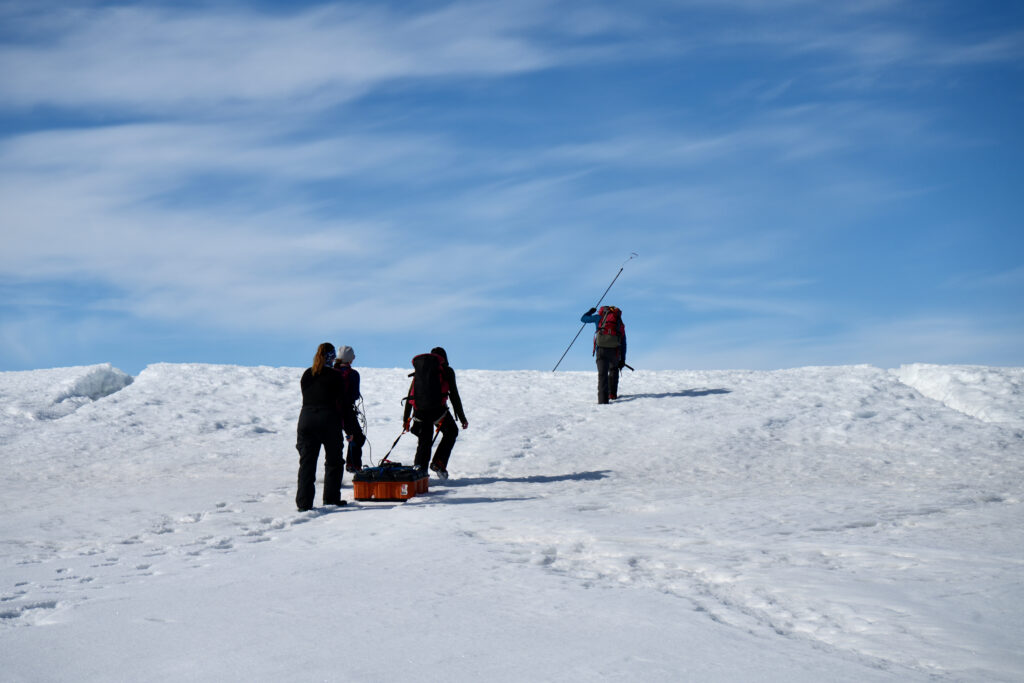
To see through the ice, the team used radar systems to measure thickness and internal deformation. This allowed them to visualize how the "rumples" were structured beneath the surface. Furthermore, weather stations were erected to correlate physical changes in the ice with atmospheric conditions such as temperature, wind speed, and solar radiation. Finally, a series of automated cameras were programmed to take photographs every 30 minutes. These cameras will provide a continuous visual record of the ice shelf’s surface throughout the months of total darkness during the Antarctic winter, a period when human presence on the shelf is impossible.
Broader Implications: The Global Reach of Antarctic Melt
The research conducted by Dr. Banwell and her team is not merely a localized study; it is a vital component of global climate forecasting. The Intergovernmental Panel on Climate Change (IPCC) and other scientific bodies rely on field data to refine their projections for sea-level rise. Current models suggest a rise of one to three feet over the next century. While this may sound manageable, the reality is that such an increase would displace tens of millions of people.
Low-lying coastal regions, from the Florida Everglades to the Mekong Delta in Vietnam, are at extreme risk. In the United States, cities like Miami, New York, and New Orleans are already investing billions in sea-wall infrastructure and drainage systems. However, these defenses are designed based on current projections. If Dr. Banwell’s research reveals that ice shelves are more vulnerable than previously thought, those projections may need to be revised upward, necessitating even more drastic adaptation measures.
The economic implications are equally staggering. A three-foot rise in sea level could result in the loss of trillions of dollars in real estate and infrastructure. Furthermore, the salt-water intrusion caused by rising seas threatens freshwater aquifers and agricultural land, potentially leading to food and water insecurity in vulnerable regions.
Analysis of Recent Findings and Future Outlook
The early observations from this field season—specifically the increased fracturing and the record warmth—serve as a "sobering reminder" of the speed at which the polar regions are changing. The fact that the team encountered more crevasses than anticipated suggests that the structural integrity of the McMurdo Ice Shelf may be degrading faster than historical data would indicate.
When the team returns in the next field season to retrieve their instruments, they will possess one of the most comprehensive datasets ever collected from an ice shelf rumple zone. This information will be cross-referenced with satellite imagery to create a dual-scale view of the ice shelf’s health. By combining ground-truth data with orbital observations, glaciologists can develop more accurate "constitutive laws"—the mathematical equations used to predict how ice deforms under pressure.
The work of the POW Science Alliance and the researchers from CU Boulder and Northumbria University highlights the critical intersection of field science and global policy. As global temperatures continue to rise due to greenhouse gas emissions, the melting at Antarctica’s edges is expected to increase. The stability of the "last line of defense" is no longer a certainty. The findings of Dr. Banwell and her colleagues will ultimately help the global community understand the true stakes of the climate crisis, providing the data necessary to prepare for a future where the map of the world’s coastlines may look very different than it does today.
