


The permanent closure of summer skiing operations on the Horstman Glacier at Whistler Blackcomb marks a significant turning point in the history of North American alpine sports, signaling a shift from seasonal fluctuations to a permanent environmental transformation. For Mike Douglas, a professional skier often referred to as the "Godfather of Freeskiing," the loss of the glacier is not merely a logistical change for the resort but a profound personal and professional milestone. Douglas, who rose to prominence in the 1990s while training on these very slopes, has transitioned from a high-performance athlete to a central figure in the climate advocacy movement, working alongside the brand Salomon and the non-profit organization Protect Our Winters (POW) to address the systemic causes of glacial retreat.
The Horstman Glacier, once a year-round proving ground for the world’s most elite freestyle skiers and snowboarders, had long served as the heart of summer training in North America. However, decades of rising average temperatures and diminishing winter snowpacks eventually rendered the ice unstable and the operations untenable. In 2023, Whistler Blackcomb officially announced the indefinite suspension of summer skiing on the glacier, citing the rapid recession of the ice as the primary factor. This decision followed years of efforts to preserve the snow, including the use of snowmaking and "farming" techniques, which ultimately proved insufficient against the broader trends of global warming.
A Chronology of Change: From the 1990s to the Present
In the 1990s, the atmosphere at Whistler Blackcomb was one of boundless potential. Mike Douglas was then a young athlete at the forefront of the "new school" movement, a style of skiing that borrowed from skateboarding and surfing to create what is now known as freeskiing. During this era, the Horstman Glacier was a bustling hub of activity during the summer months, hosting famous camps such as Camp of Champions and Momentum. The presence of the glacier allowed athletes to train for 12 months a year, a factor that many credit for the rapid progression of aerial maneuvers and technical park skiing seen in the early 2000s.
By the mid-2010s, the visual evidence of the glacier’s decline became impossible to ignore. Rock outcroppings that had been buried under dozens of feet of ice for centuries began to emerge. The "T-bars" that serviced the glacier required frequent repositioning as the ice beneath them melted. In 2018, Douglas joined the Protect Our Winters Canada Alliance, formalizing his commitment to environmental activism. By then, the focus of his career had expanded from production and performance to include political advocacy and corporate consulting.
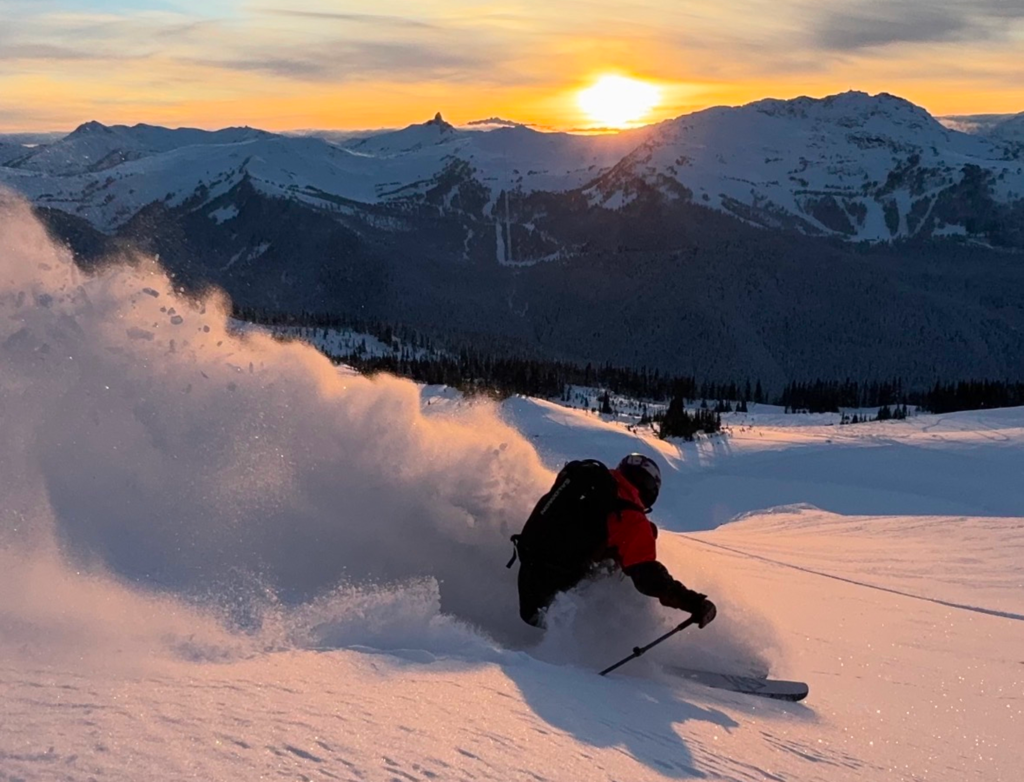
The final blow to the glacier’s summer operations came after a series of record-breaking heatwaves in the Pacific Northwest. In 2021 and 2022, the region experienced "heat domes" that accelerated glacial melt at rates far exceeding historical averages. When the indefinite closure was announced in 2023, it served as a wake-up call for the entire outdoor industry, transforming climate change from a theoretical future threat into a current operational reality.
The Scientific and Economic Context of Glacial Retreat
The disappearance of the Horstman Glacier is part of a larger, documented trend across the Coast Mountains of British Columbia. According to data from the University of Northern British Columbia’s Health of the Mountains report, glaciers in Western Canada are losing mass at some of the highest rates globally. Research indicates that British Columbia and Alberta could lose up to 70% of their glacier ice by the year 2100 if current greenhouse gas emission trajectories continue.
This environmental loss carries significant economic implications. The ski industry in British Columbia contributes billions of dollars to the provincial GDP and supports tens of thousands of jobs. The loss of summer skiing on the Horstman Glacier represents a direct hit to the "perpetual winter" business model that once defined Whistler. Furthermore, glaciers act as critical water towers for the region, regulating stream temperatures and providing meltwater during dry summer months. Their disappearance threatens local ecosystems, hydroelectric power generation, and municipal water supplies.
Corporate Responsibility and the Salomon Pivot
In response to these environmental shifts, Salomon, a global leader in outdoor equipment, has fundamentally altered its business strategy. The company has moved beyond traditional corporate social responsibility (CSR) to integrate sustainability into its core manufacturing and supply chain processes. Under the guidance of athletes like Douglas, who serves as a bridge between the engineering teams in Annecy, France, and the realities of the mountain environment, Salomon has committed to a "Circular Economy" model.
One of the flagship initiatives of this shift is the development of recyclable performance gear. Salomon’s "Index.01" and subsequent "Index.02" running shoes are designed to be disassembled and recycled into alpine ski boot shells at the end of their lifespan. This "closed-loop" approach aims to reduce the volume of waste sent to landfills and decrease the carbon intensity of raw material extraction.
Douglas emphasizes that while individual actions are important, the scale of the climate crisis requires corporate leadership. "Salomon produces sports equipment for a global market," Douglas noted during a recent industry forum. "Small changes in production, supply chain, and how we move athletes around the world can add up to significant benefits." These changes include the elimination of per- and polyfluoroalkyl substances (PFAS) from apparel and the transition to 100% renewable energy in their primary manufacturing facilities.
The Role of Advocacy: Protect Our Winters (POW)
The partnership between Salomon and Protect Our Winters (POW) represents a strategic shift in how the outdoor industry approaches environmentalism. Rather than focusing solely on "leave no trace" ethics or small-scale conservation projects, POW focuses on systemic change through political advocacy and voter mobilization.
POW trains professional athletes, including Mike Douglas, to become effective climate communicators and lobbyists. These athletes use their platforms to engage a demographic that may be resistant to traditional environmental messaging but is deeply invested in the future of winter sports. The organization’s work includes:
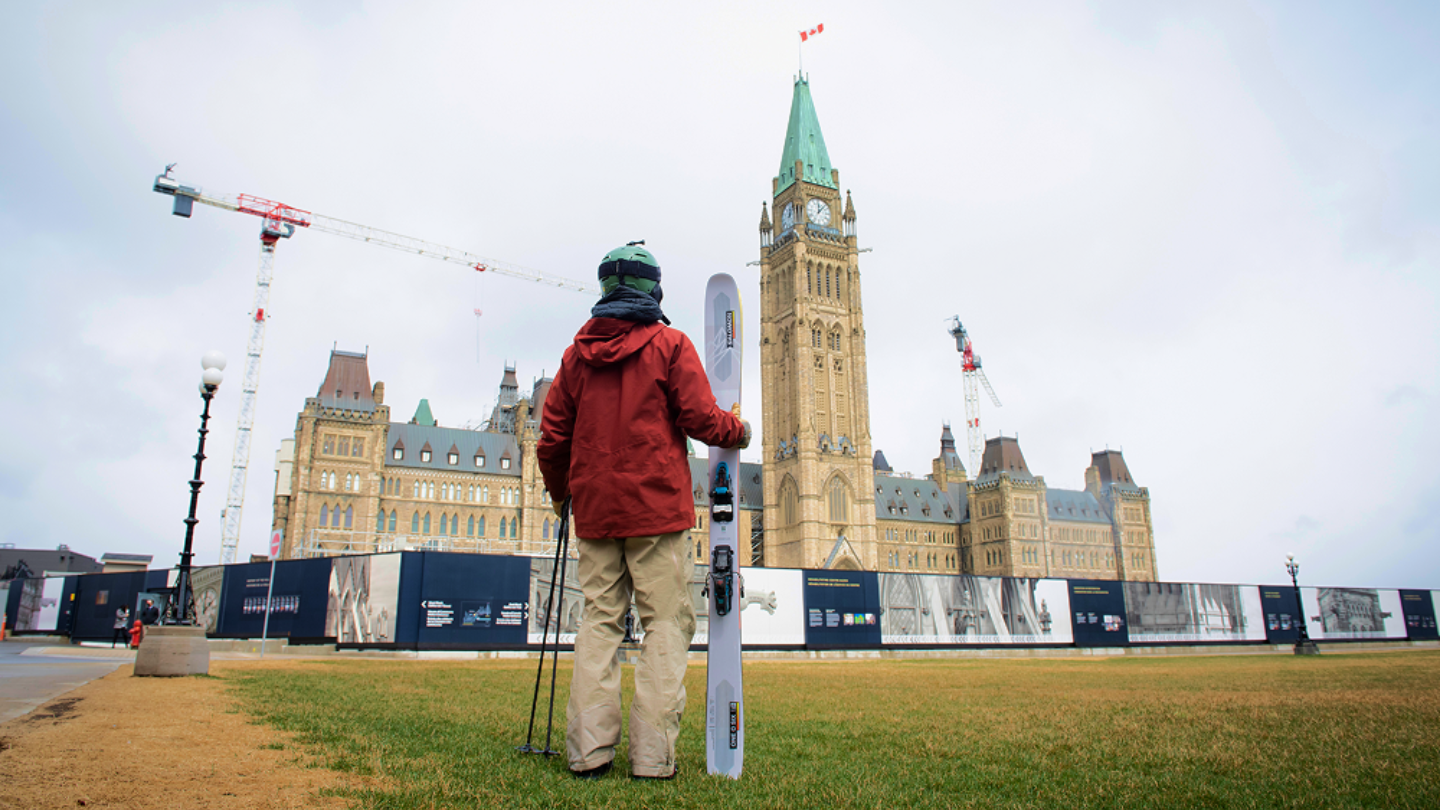
- Legislative Engagement: Athletes and brand representatives meet with lawmakers in Ottawa and Washington D.C. to advocate for clean energy policies and carbon pricing.
- The Quality Ski Time (QST) Tour: A collaborative effort between Salomon and POW that combines ski film screenings with educational workshops on climate action, reaching thousands of enthusiasts across North America.
- Athlete Advocacy Training: Equipping influencers with the scientific literacy and communication skills necessary to discuss complex climate issues without alienating their audience.
This model of "Advocacy as Action" is predicated on the belief that the outdoor industry, which represents a massive segment of the global economy, has the power to influence national policy. As Douglas puts it, "Advocacy is the biggest move brands can play."
Industry-Wide Implications and the Path Forward
The situation on the Horstman Glacier is a microcosm of the challenges facing the global ski industry. From the Alps to the Andes, ski resorts are grappling with shorter seasons and less predictable weather patterns. The response of Salomon and Mike Douglas provides a blueprint for how other stakeholders might navigate this transition.

Industry analysts suggest that the future of the outdoor sector will depend on three pillars: adaptation, mitigation, and advocacy.
- Adaptation involves resorts diversifying their year-round offerings—such as mountain biking and hiking—to reduce dependence on snow.
- Mitigation requires brands to drastically reduce their carbon footprints through technological innovation and circular manufacturing.
- Advocacy demands that the community uses its collective voice to push for the global systemic changes needed to stabilize the climate.
The closure of the Horstman Glacier for summer skiing is an undeniable loss for the sport, but it has served as a catalyst for a more mature and politically engaged outdoor community. The "Godfather of Freeskiing" and the brands he represents are no longer just selling a lifestyle; they are fighting to preserve the very environment that makes that lifestyle possible.
As the window for meaningful climate action narrows, the message from the peaks of Whistler is clear: the era of treating the mountains as an inexhaustible resource is over. The transition to a sustainable future is not just a moral obligation but a practical necessity for the survival of the outdoor industry. The disappearance of the ice has revealed the bedrock of a new movement—one where athletes, brands, and communities move in unison to protect the winters they love.
