

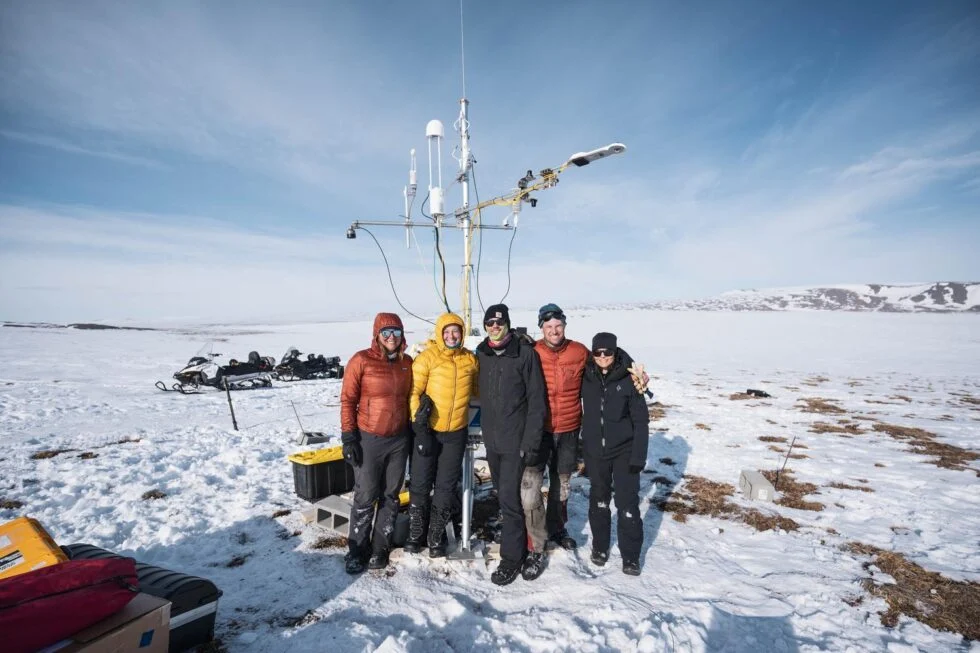
In a coordinated effort to quantify the escalating environmental changes in the Arctic, a team of researchers led by Dr. Kelly Gleason of Portland State University and ecologist Jenny Watts of the Woodwell Climate Research Center recently completed a critical mission at the Toolik Field Station on Alaska’s North Slope. The expedition focused on the installation of a specialized flux tower designed to monitor greenhouse gas emissions from a permafrost thaw slump, a geological phenomenon that represents a significant and often underreported contributor to global atmospheric carbon levels. This installation marks the first of its kind in the Arctic specifically aimed at evaluating methane and carbon dioxide emissions from a region of rapidly collapsing permafrost.
The mission, supported by the Protect Our Winters (POW) Science Alliance, highlights a growing urgency among the scientific community to address the "Arctic amplification" effect—a process where the North Pole warms at nearly four times the global average. As permafrost, which has remained frozen for millennia, begins to thaw, it releases ancient organic matter that decomposes, venting potent greenhouse gases into the atmosphere. The data collected from this new flux tower is expected to fill critical gaps in current global climate models, which frequently overlook the localized but intense emissions from thermokarst features like thaw slumps.
The Mechanics of Permafrost Collapse and Carbon Flux
Permafrost is defined as ground that remains at or below 0°C (32°F) for at least two consecutive years. In the Arctic, this frozen layer can extend hundreds of meters deep, acting as a massive carbon sink. Estimates suggest that northern permafrost regions hold approximately 1,400 to 1,600 billion metric tons of organic carbon—nearly twice the amount currently present in the Earth’s atmosphere.
When this ground thaws, it does not always do so uniformly. Thaw slumps, or retrogressive thaw slumps, occur when ice-rich permafrost melts, causing the overlying soil to lose structural integrity and collapse downhill. These features create raw, exposed scars on the landscape, significantly accelerating the decomposition of organic matter by exposing it to oxygen and warmer temperatures.
The flux tower installed by the Gleason-Watts team is a 15-foot-tall aluminum structure equipped with high-precision sensors. Utilizing the eddy covariance method, the tower measures the vertical turbulence of air to calculate the exchange rate of carbon dioxide (CO2) and methane (CH4) between the ground and the atmosphere. Methane is of particular concern to the researchers; while it has a shorter atmospheric lifespan than CO2, it is over 80 times more potent than carbon dioxide in trapping heat over a 20-year period.
Expedition Chronology and Field Logistics
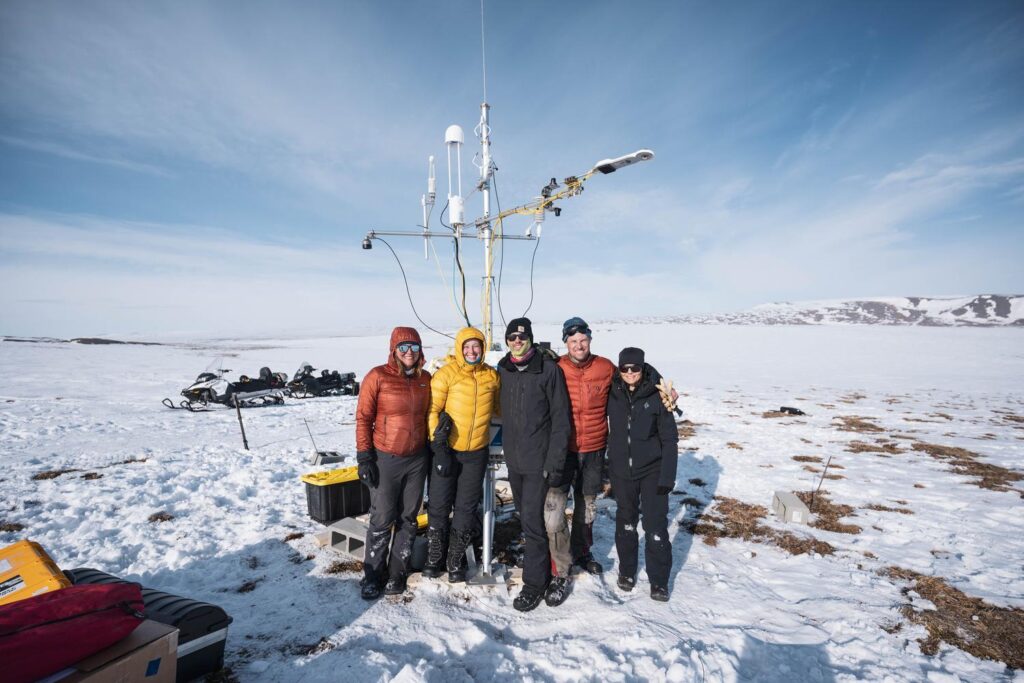
The deployment at Toolik Field Station involved rigorous logistical planning and physical labor under extreme conditions. The team, which included researchers Kyle, Christina, and Kai, operated out of the remote research hub located approximately 254 miles north of the Arctic Circle.
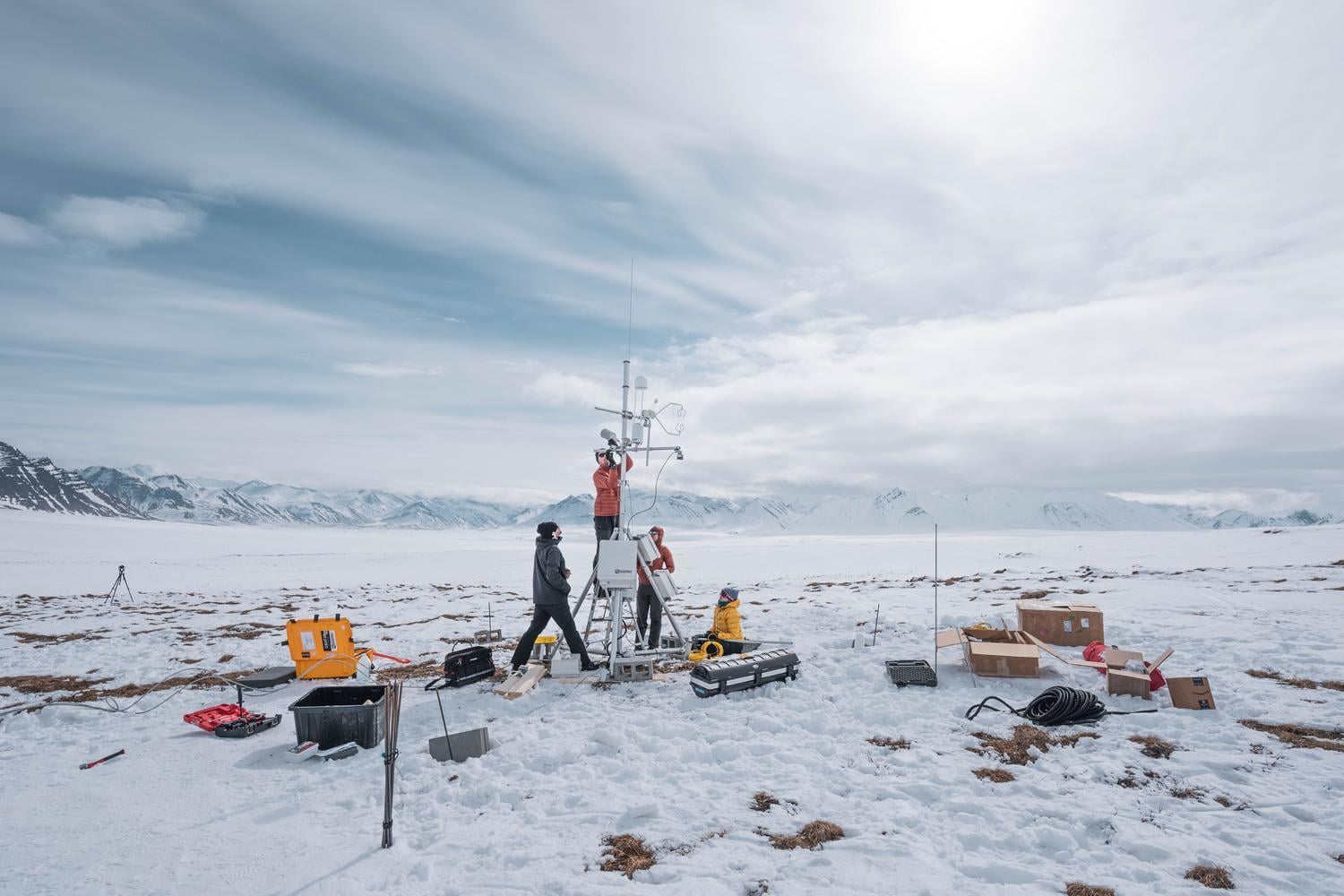
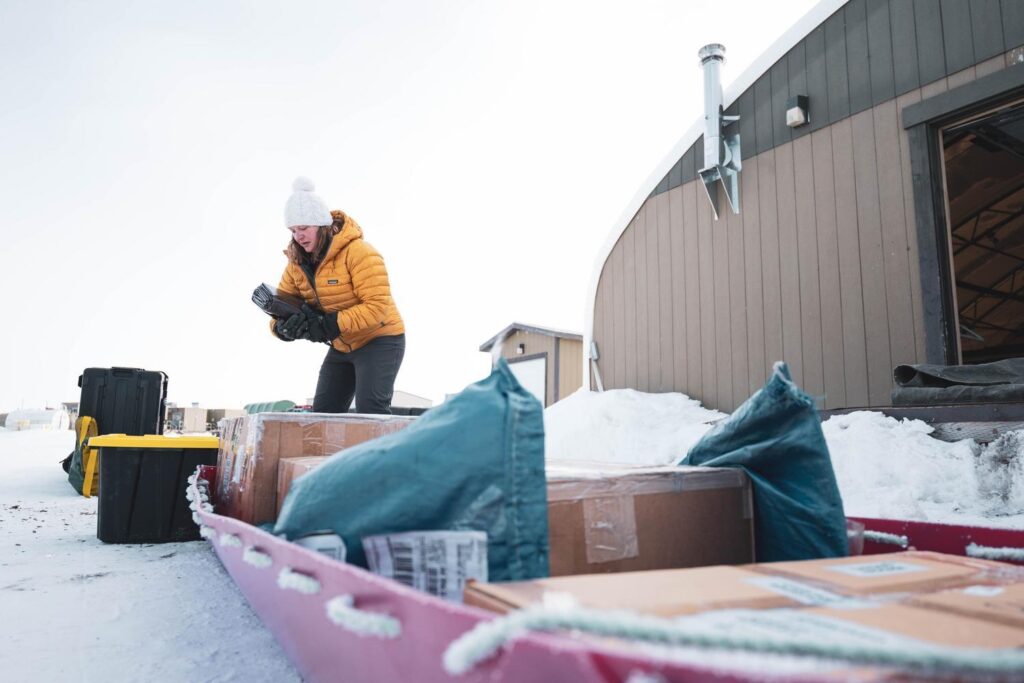
- Mobilization and Transport: The mission began with the transport of heavy equipment via snowmachines and sleds across the tundra. The cargo included eight deep-cell batteries weighing over 100 pounds each, four large-scale solar panels, steel spikes, cement anchors, and a massive electrical enclosure designed to withstand the brutal Arctic environment.
- Site Selection: The team identified a specific permafrost thaw slump—a steep, eroding feature where the ground had visibly slumped, exposing dark, organic-rich soil against the white snow.
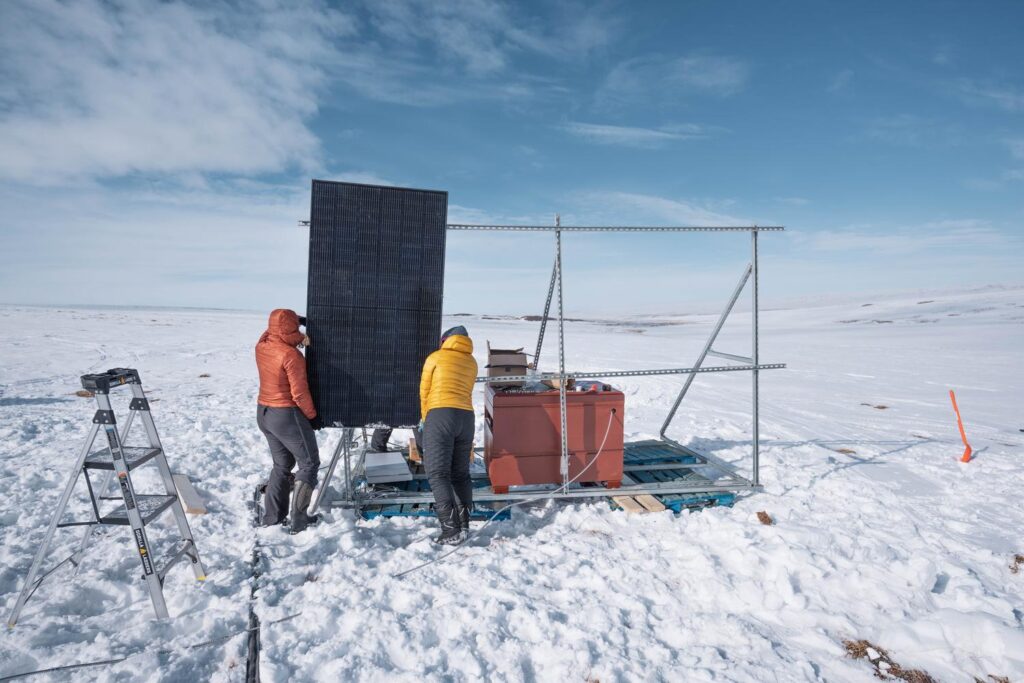
- Tower Assembly: Over several days, the team erected the 15-foot aluminum frame. This required securing guy-lines and driving anchors into the partially frozen substrate to ensure the tower could survive high-velocity Arctic winds.
- Power System Integration: Given the remote location, the tower relies entirely on solar energy. The installation of the solar array and the battery bank was critical to ensuring the sensors could provide continuous data throughout the shoulder seasons when light levels begin to fluctuate.
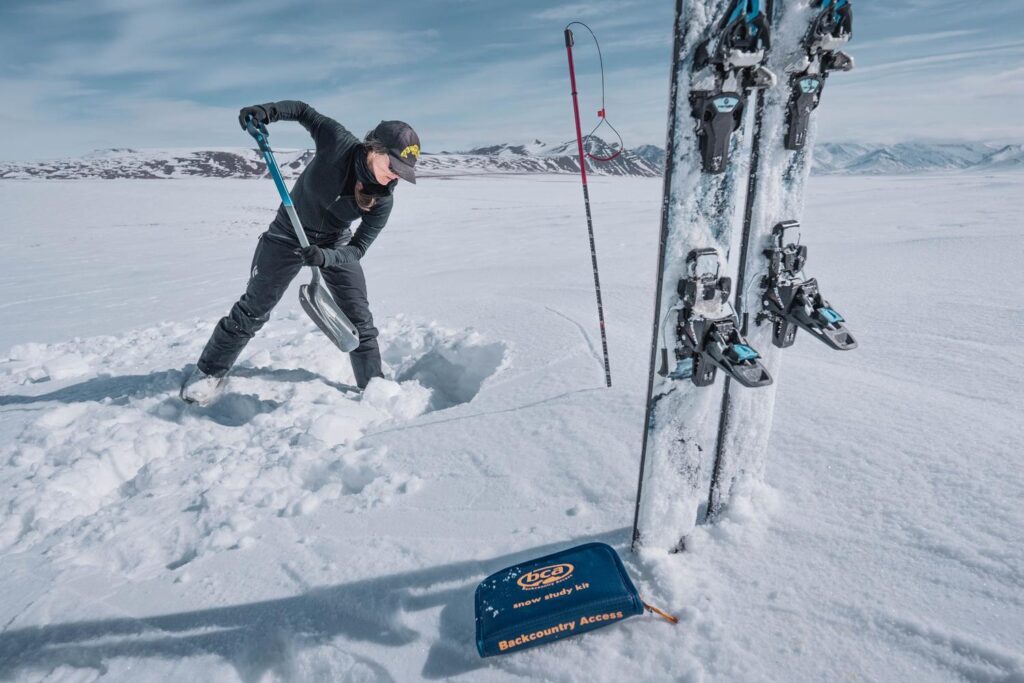
- Snow Hydrology Analysis: Concurrent with the tower installation, Dr. Gleason conducted a series of snow pit analyses to investigate the relationship between snow depth, insulation, and ground temperature.
Data Analysis: The Paradox of Arctic Snow Cover
A primary focus of Dr. Gleason’s research during the expedition was the "albedo versus insulation" paradox. In traditional climate science, snow is viewed as a cooling agent due to its high albedo—the ability to reflect up to 90% of incoming solar radiation back into space. However, as the Arctic atmosphere becomes wetter due to the loss of sea ice, snowfall patterns are shifting.
The team’s findings from snow pit excavations in early May revealed a troubling feedback loop. Dr. Gleason compared two distinct snowpacks:
- The Deep Snowpack: Beneath a drift measuring nearly two meters (approx. 200 cm), the ground temperature was recorded at nearly -3°C. Despite the surface air being significantly colder, the thick layer of snow acted as a thermal blanket, trapping the Earth’s internal heat and preventing the permafrost from reaching the deep-freeze temperatures necessary for stability.
- The Shallow Snowpack: In an area with only 57 cm of snow, the temperature at the base of the pack dropped to -10°C. This thinner layer allowed for greater heat transfer from the ground to the atmosphere, effectively keeping the permafrost colder.
The data suggests that increased snowfall, while temporarily increasing the Earth’s reflectivity, may actually accelerate permafrost thaw by insulating the ground during the winter. This insulation supports microbial activity even in sub-zero air temperatures, allowing for the continued release of greenhouse gases throughout the year.
Official Responses and Collaborative Advocacy
The mission represents a convergence of academic research and climate advocacy. The POW Science Alliance, of which both Gleason and Watts are members, seeks to bridge the gap between complex data and public policy.
Representatives from the Woodwell Climate Research Center emphasized that the Arctic is currently a "wild card" in climate policy. "The emissions from these thaw slumps are not fully accounted for in the budgets used by international bodies like the IPCC," noted a spokesperson for the center. "Without site-specific data from towers like the one installed at Toolik, we are essentially flying blind regarding the true scale of the permafrost carbon feedback."
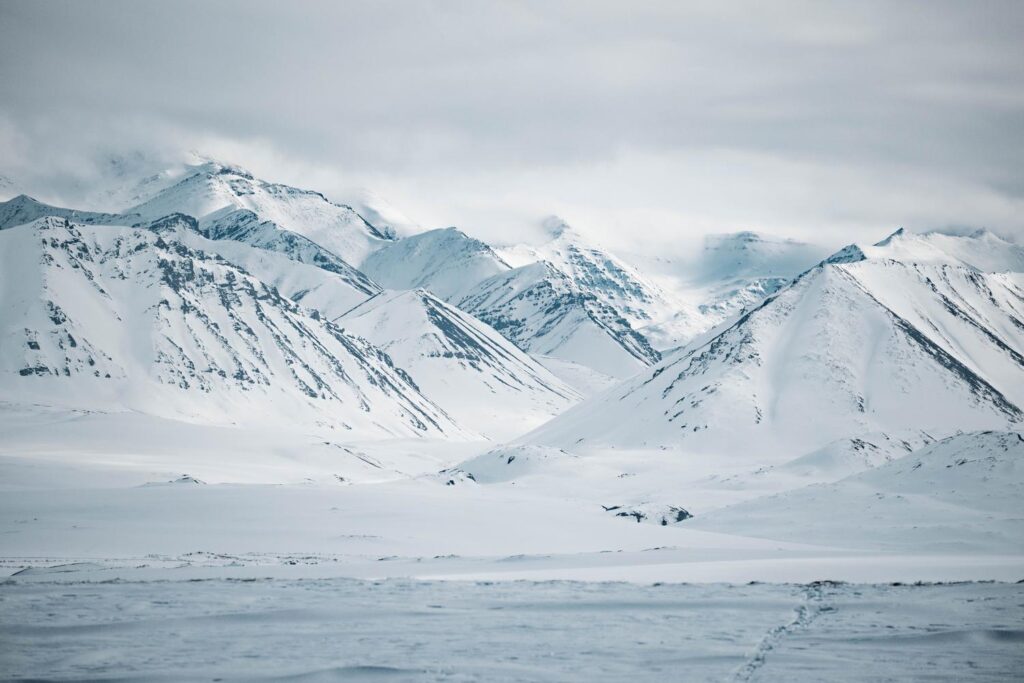
The Protect Our Winters organization also released a statement regarding the expedition, stressing the importance of the "scientist-advocate" role. The organization argues that scientific data must be translated into compelling narratives to drive legislative action on carbon emissions. By documenting the "beauty and brutality" of the changing North Slope, the team aims to provide a visual and empirical record of what is at stake.
Broader Implications for Global Climate Models
The implications of the Toolik Field Station installation extend far beyond the borders of Alaska. The "permafrost carbon feedback" is one of the most significant tipping points identified by climatologists. If the release of CH4 and CO2 from thawing ground reaches a certain threshold, it could trigger a self-sustaining cycle of warming that human intervention would be unable to reverse.
Current global climate models (GCMs) often use a "top-down" approach that averages Arctic conditions over large areas. This method frequently misses "hotspots" of activity like thaw slumps. The high-resolution data from the new flux tower will allow researchers to create "bottom-up" models that more accurately reflect the heterogeneity of the Arctic landscape.
Furthermore, the research into snow insulation adds a new layer of complexity to watershed management in the western United States. While snow in the Sierra Nevada or the Rockies is primarily measured for its "snow-water equivalent" (SWE) to predict water supply, the Arctic study proves that snow’s role as a thermal regulator is equally vital to global stability.
Conclusion: A Call for Integrated Action
As the Gleason-Watts team concluded their initial deployment, the flux tower began its silent work of measuring the invisible gases rising from the Alaskan tundra. The mission underscores a critical reality: the Arctic is not a remote, isolated wasteland, but a dynamic and essential component of the Earth’s climate-regulation system.
The findings from the North Slope suggest that the transition of the Arctic from a carbon sink to a carbon source may be occurring faster than previously estimated, driven by the complex interplay of permafrost collapse and snow insulation. The scientific community now looks to the data from the Toolik tower to provide the empirical evidence needed to spur global policy changes. In the words of the research team, understanding the Arctic is the first step, but the ultimate goal remains the transition from observation to systemic responsibility.
