

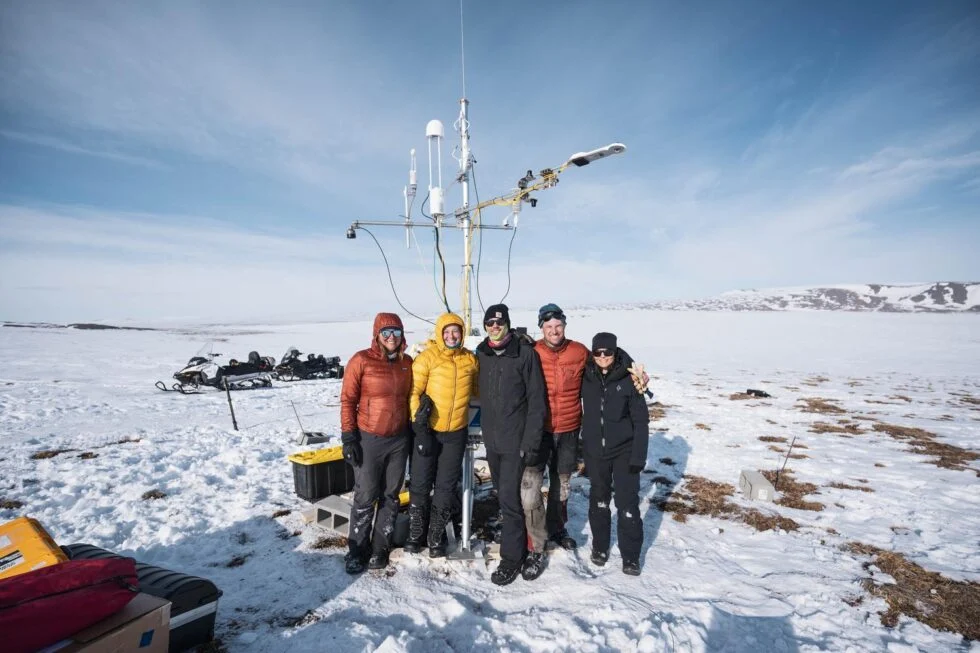
A specialized research team led by experts from the Protect Our Winters (POW) Science Alliance has successfully deployed a first-of-its-kind atmospheric flux tower on Alaska’s North Slope to monitor greenhouse gas emissions from rapidly deteriorating permafrost. Operating out of the Toolik Field Station, the expedition marks a critical advancement in Arctic research, specifically targeting "thaw slumps"—dramatic geological collapses where previously frozen ground disintegrates, potentially releasing massive quantities of sequestered carbon and methane into the atmosphere.
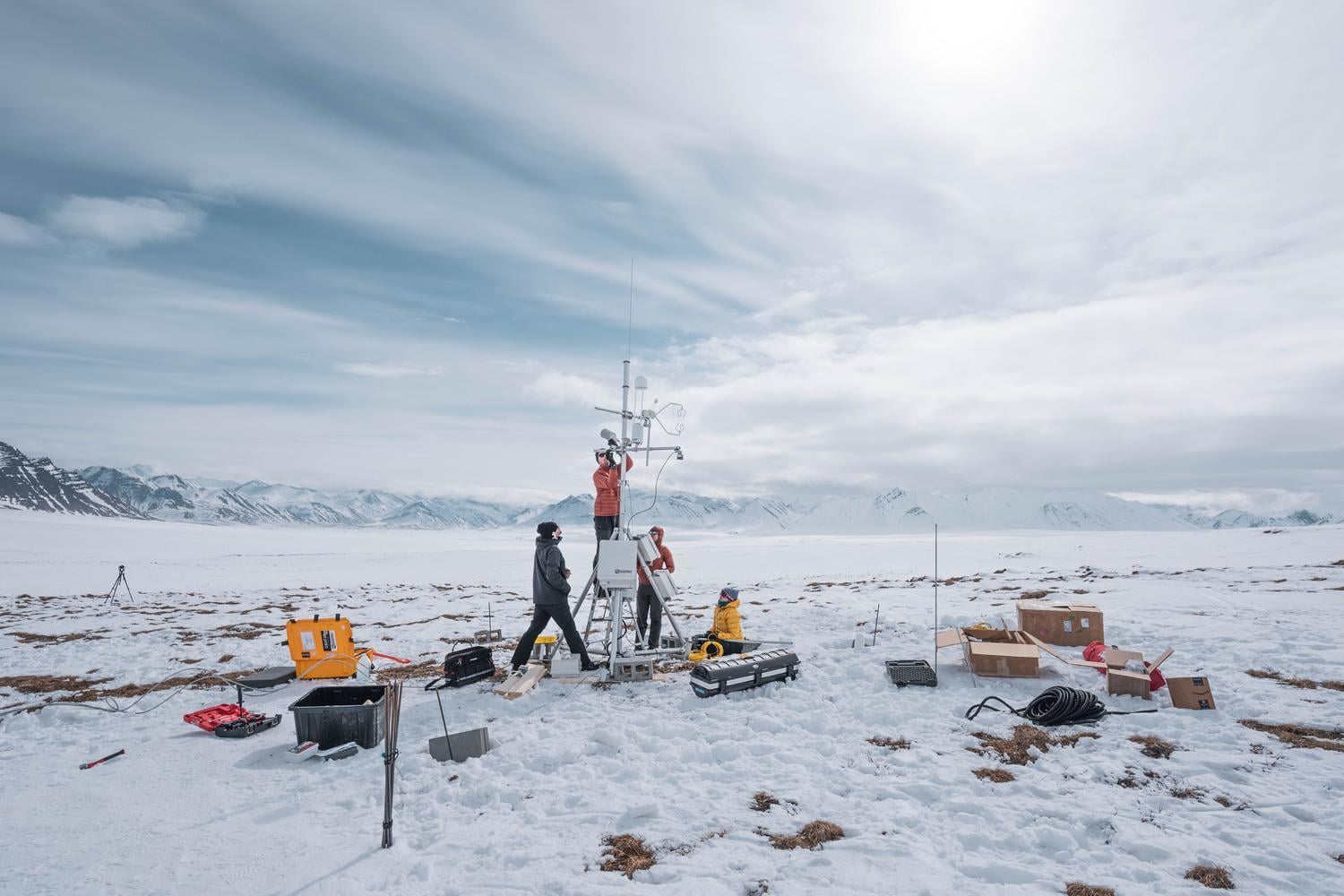
The mission, spearheaded by Dr. Kelly Gleason, an assistant professor of eco-hydro-climatology at Portland State University, and Jenny Watts, an ecologist and carbon flux expert, aims to bridge a significant gap in current global climate models. While the general warming of the Arctic is well-documented, the specific contributions of localized permafrost collapses have remained difficult to quantify. The installation of this 15-foot-tall aluminum flux tower represents the first dedicated effort in the region to evaluate real-time methane and carbon dioxide emissions from a high-activity thaw slump.
The Geography of Change: Toolik Field Station and the North Slope
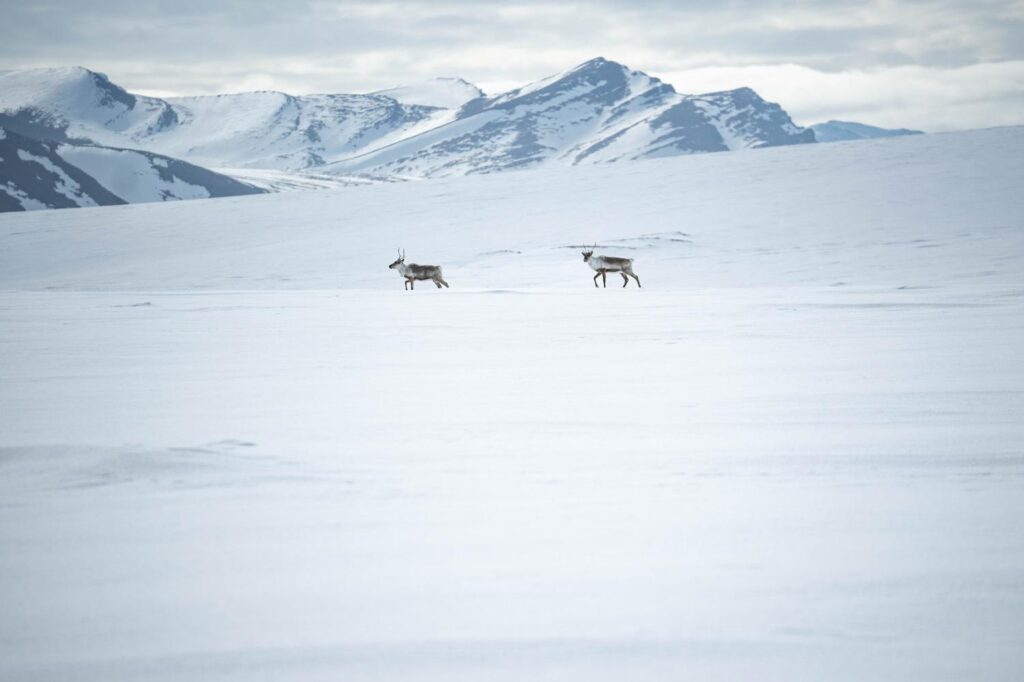
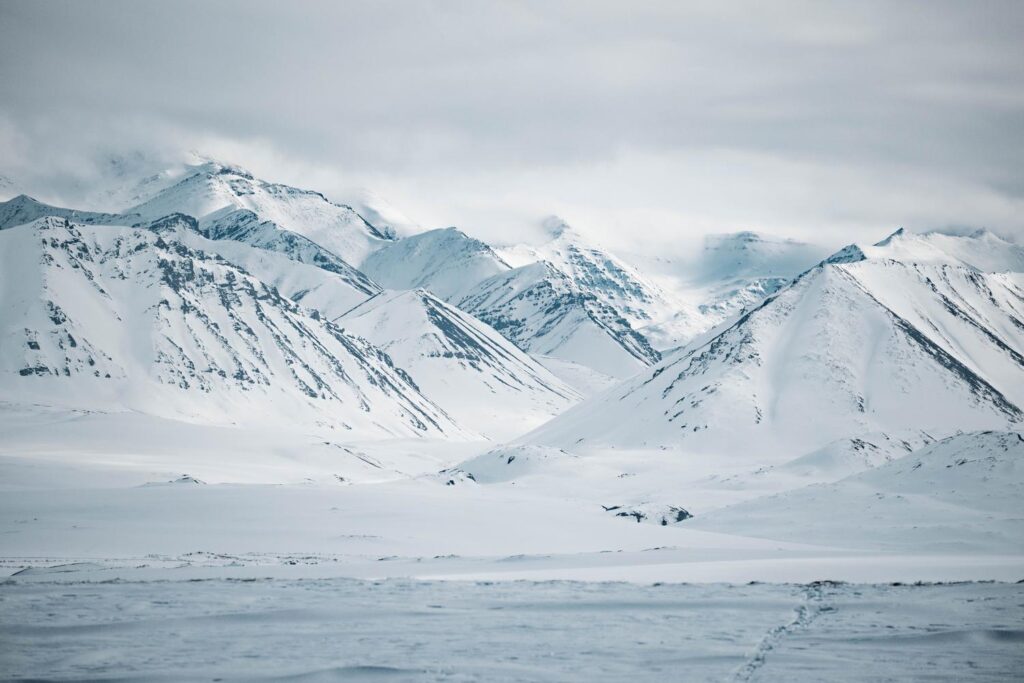
The research was conducted in the vicinity of Toolik Field Station, a premier long-term ecological research site located in the northern foothills of the Brooks Range. The environment is characterized by continuous permafrost, where the ground remains frozen for two or more consecutive years. However, as Arctic temperatures rise at nearly four times the global average rate, this "permanently" frozen soil is increasingly susceptible to thermokarst events.
Thaw slumps are among the most visible and violent signs of this transition. These features occur when ground ice melts, causing the overlying soil to lose structural integrity and slump downhill. This process exposes ancient organic matter—some of which has been frozen for thousands of years—to microbial decomposition. As microbes consume this organic material, they release carbon dioxide and methane as byproducts. The latter is of particular concern to climatologists, as methane possesses a warming potential more than 25 times that of carbon dioxide over a 100-year period.
Chronology of the Installation Mission
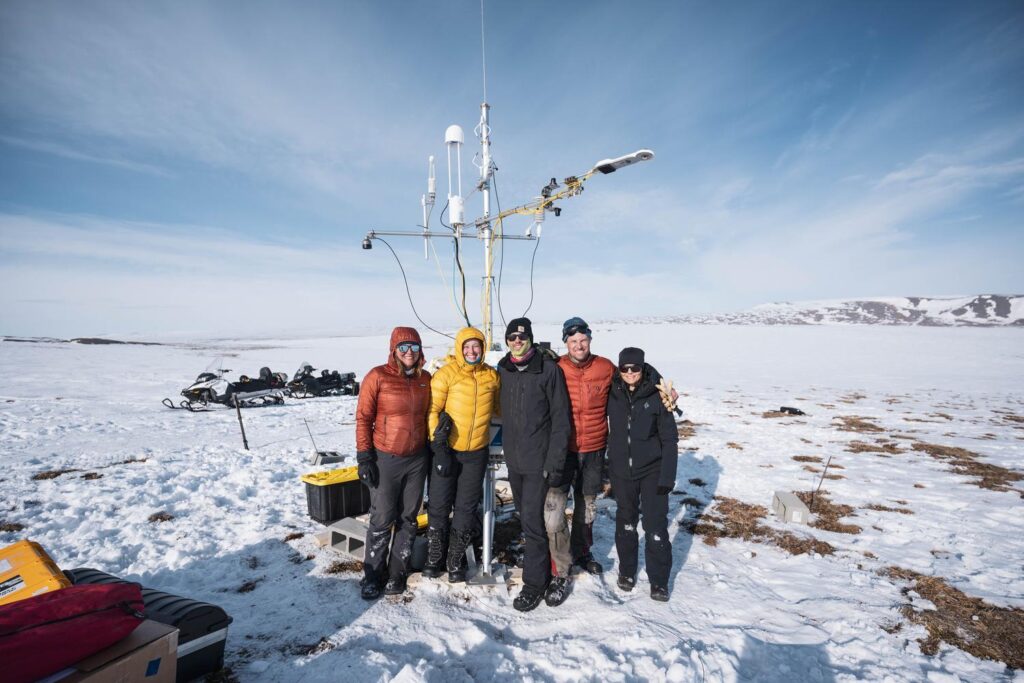
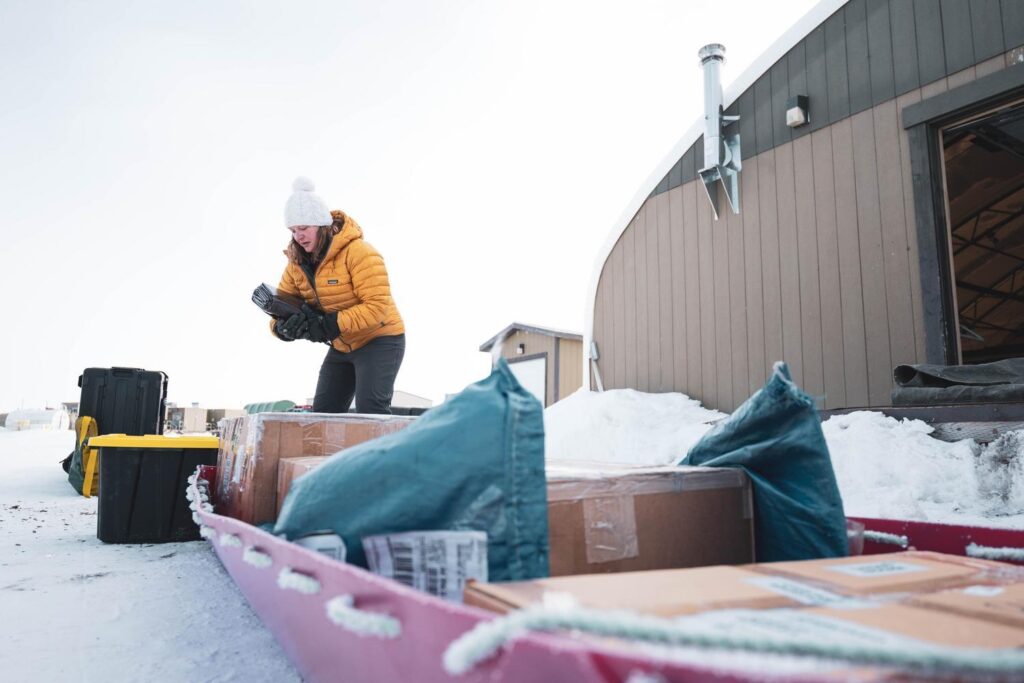
The deployment required a complex logistical operation involving the transport of heavy industrial equipment across the fragile Arctic tundra. The team, which included researchers Kyle, Christina, and Kai, utilized snowmachines and heavy-duty sleds to navigate the expanse between the field station and the target thaw slump site.
The mission followed a strict operational timeline:
- Site Selection and Surveying: The team identified a high-activity permafrost thaw slump characterized by steep erosion and exposed soil.
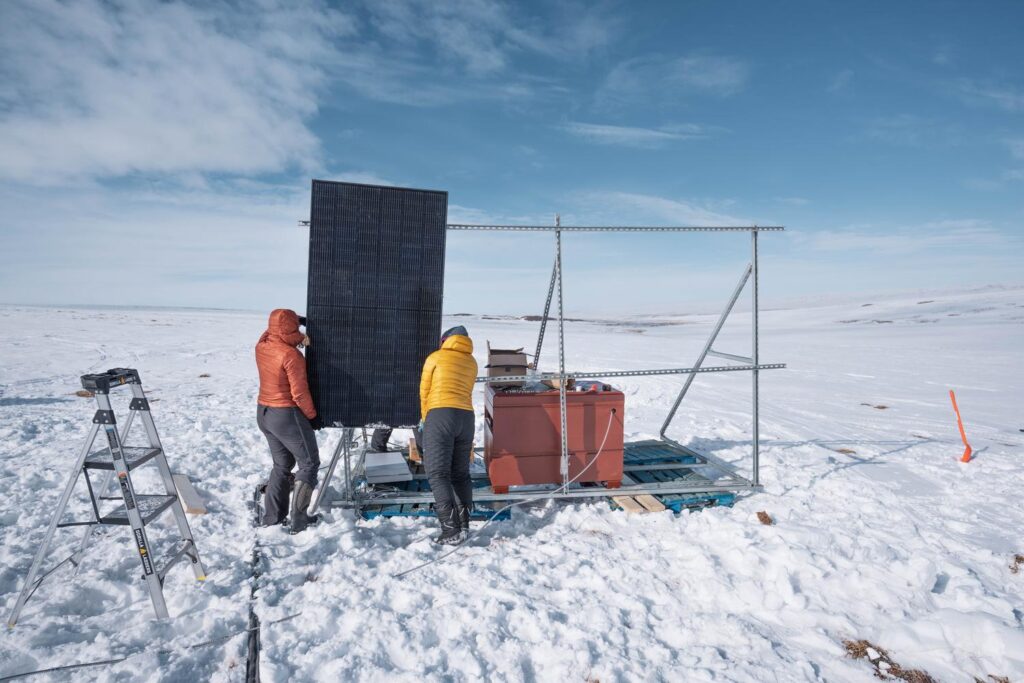
- Equipment Transport: Researchers hauled more than 1,000 pounds of equipment, including eight deep-cell batteries weighing over 100 pounds each, four large-scale solar panels, and a 15-foot aluminum tower frame.
- Structural Assembly: The team erected the tower using guy-lines, steel spikes, and cement anchors to ensure stability against the high-velocity winds common to the North Slope.
- Sensor Calibration: The installation included an electrical enclosure housing sophisticated sensors designed to detect minute fluctuations in atmospheric gas concentrations.
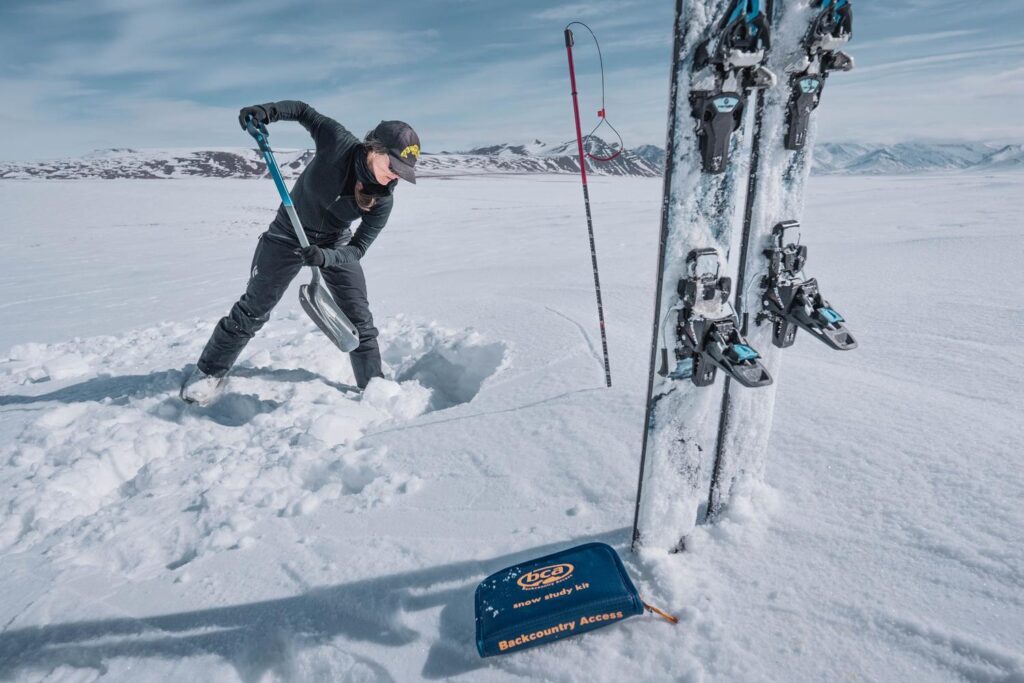
- Subsurface Analysis: Concurrent with the tower installation, Dr. Gleason performed snow pit excavations to analyze the thermal relationship between snow depth and soil temperature.
The Role of Snow as a Thermal Regulator
A central component of the research involved investigating the "insulation effect" of Arctic snowpacks. In mountain environments of the Western United States, snow is primarily viewed as a seasonal water reservoir. However, in the Arctic, snow serves two competing roles in the Earth’s energy balance: albedo (reflectivity) and insulation.
During the mission, Dr. Gleason conducted comparative analyses of different snowpack depths to determine how they influenced the temperature of the underlying permafrost. The data revealed a stark contrast in thermal shielding:
- Shallow Snowpack (57 cm): In areas with less snow accumulation, the ground was exposed to more significant cooling. Temperatures at the base of the snowpack dropped to -10°C. This extreme cold helps maintain the stability of the permafrost, slowing microbial activity and gas release.
- Deep Snowpack (Approx. 2 meters): In areas where wind had created deep drifts, the snow acted as a heavy thermal blanket. While the surface temperature of the snow remained around -3°C, the temperature at the soil-snow interface was also approximately -3°C.
This finding is significant because -3°C is near the threshold where microbial life can remain active. Deep snow, therefore, paradoxically accelerates permafrost thaw by preventing the ground from "re-freezing" deeply during the winter. As climate change leads to wetter Arctic winters and increased snowfall in certain regions, this insulation feedback loop could significantly increase the volume of greenhouse gases released during the spring and summer months.
Technical Specifications and Data Collection
The flux tower is engineered to operate autonomously in one of the harshest environments on Earth. Powered by a combination of solar panels and a massive battery bank, the system utilizes eddy covariance technology. This method measures the vertical movement of air parcels (eddies) to calculate the net exchange of gases between the ground and the atmosphere.
The tower’s side arms house anemometers to measure wind speed and direction in three dimensions, alongside gas analyzers that sample the air multiple times per second. By correlating the movement of the air with the concentration of methane and carbon dioxide, researchers can determine exactly how much gas the thaw slump is "breathing" out into the atmosphere.
Prior to this installation, many climate models relied on "upscaling" data from stable tundra environments. However, initial observations suggest that thaw slumps are "hotspots" that emit gases at rates vastly higher than the surrounding landscape. The data collected by this tower will provide the empirical evidence needed to refine global carbon budget projections.
Broader Impacts and Global Implications
The implications of the Toolik Field Station mission extend far beyond the borders of Alaska. The Arctic acts as a global thermostat; changes in its physical state have cascading effects on global weather patterns, sea levels, and the rate of global warming.
1. Refinement of Climate Models: Current Global Climate Models (GCMs) often struggle to account for small-scale, high-intensity events like thaw slumps. By providing high-resolution data on these features, the POW Science Alliance and its partners are helping to create more accurate forecasts for future warming.
2. The Permafrost Carbon Feedback: The mission highlights the danger of the "positive feedback loop." Warming leads to permafrost thaw; thaw leads to gas release; gas release leads to more warming. This cycle is a "tipping point" that scientists fear could lead to runaway climate change if not properly understood and mitigated.
3. Policy and Advocacy: The involvement of Protect Our Winters (POW) signals a shift in how scientific data is utilized. The organization focuses on "turning data into stories," aiming to influence policy by connecting the technical findings of researchers like Dr. Gleason and Dr. Watts with the broader public and lawmakers.
Conclusion: The Path Forward for Arctic Research
The successful installation of the flux tower on the North Slope is a testament to the resilience and ingenuity required for modern climate science. As the Arctic continues to transition into a new state—one characterized by less ice, more water, and unstable ground—the need for on-the-ground monitoring becomes paramount.
Dr. Kelly Gleason’s research emphasizes that the Arctic is currently "in flux," driven by global trends but possessing the power to impact every corner of the planet. The data generated from this mission will be analyzed over the coming seasons, providing a clearer picture of the "invisible" gases escaping from the thawing Earth. For the scientific community, the mission is a race against time to understand the Arctic’s changing chemistry before the feedbacks it triggers become irreversible.
The work at Toolik Field Station serves as a reminder that while the landscape may be remote and brutal, its fate is intrinsically tied to global water security, economic stability, and the preservation of the Earth’s climate. Through the combination of rigorous field science and proactive advocacy, the research team aims to ensure that the changes occurring on the North Slope are not just measured, but acted upon by the global community.
