

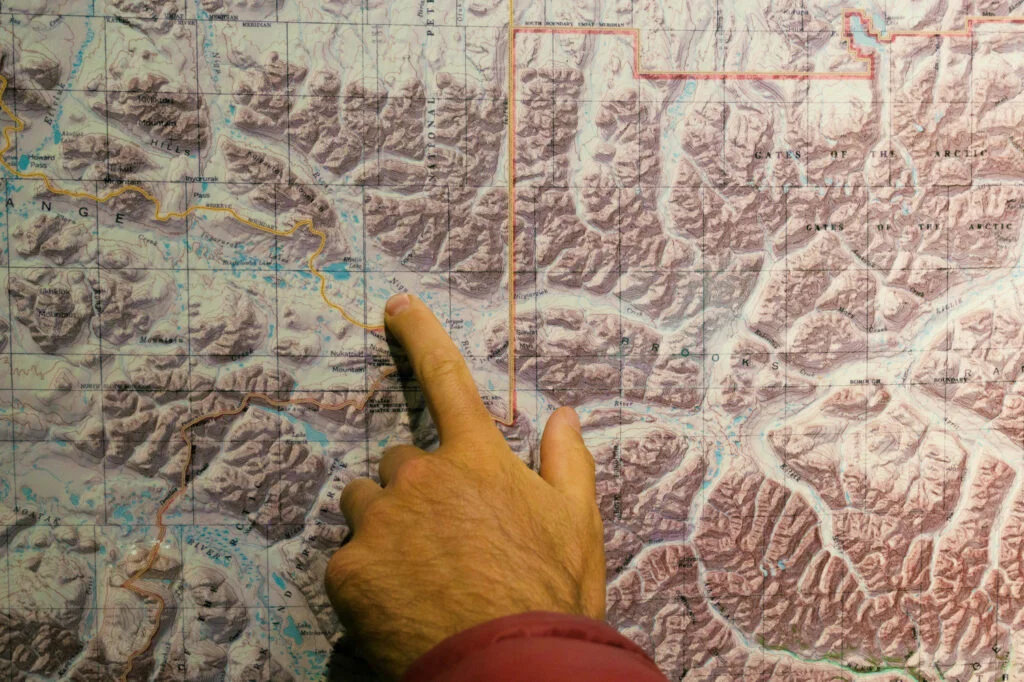
The federal government has initiated the first of five mandated lease sales in Alaska’s Western Arctic, a move that underscores a century-long tension between energy extraction and environmental conservation. This region, known as the National Petroleum Reserve-Alaska (NPR-A), spans more than 23 million acres, making it the largest single block of public land in the United States. While the reserve was originally established for military energy security, the current push for development has sparked a complex debate involving climate change, economic necessity, and the preservation of one of the world’s last intact ecosystems.
Historical Origins and the 1923 Executive Order
The administrative history of the NPR-A began in 1923 when President Warren G. Harding signed an executive order designating a vast portion of Alaska’s North Slope as "Naval Petroleum Reserve No. 4." At the time, the United States Navy was in the midst of a critical transition from coal to oil-powered vessels. Geologists surveying the remote Alaskan coastline had identified significant oil seeps, leading the federal government to withdraw the land from all other uses to ensure a domestic fuel supply.
This period was marked by the aftermath of the Alaska Gold Rush, during which the territory was largely viewed as a resource colony. The designation of the reserve occurred just before the Teapot Dome scandal, which involved Harding’s Secretary of the Interior, Albert Bacon Fall, accepting bribes for oil leases in Wyoming’s Naval Petroleum Reserve No. 3. This historical backdrop of scandal and resource extraction has long colored the management of the Alaskan North Slope.
In 1976, Congress passed the Naval Petroleum Reserves Production Act, which transferred management of the land from the Navy to the Department of the Interior. While the transfer shifted the land to civilian oversight, the name was merely updated to the National Petroleum Reserve-Alaska. This nomenclature has proven significant in contemporary legal battles, as the "petroleum reserve" designation provides a statutory framework that proponents of drilling use to justify expedited leasing programs.
The Geography and Ecology of the Western Arctic
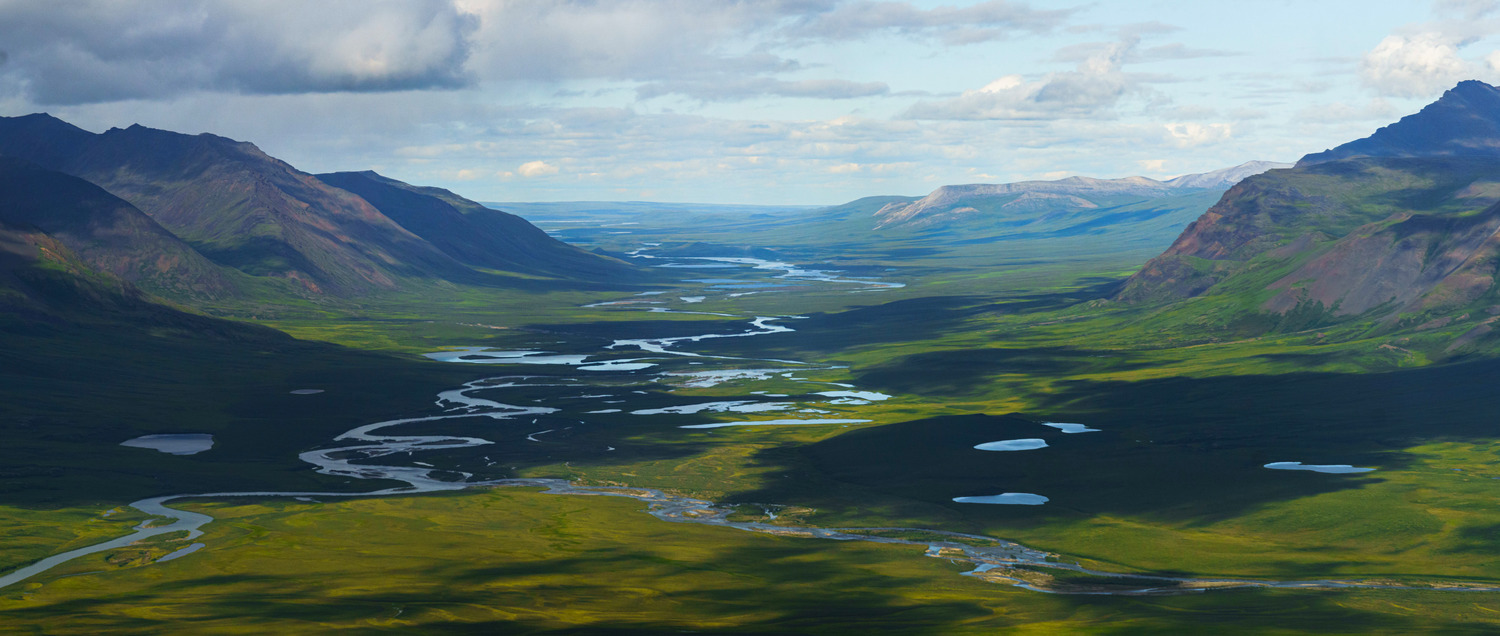
The NPR-A is an immense landscape, roughly the size of the state of Indiana. It stretches from the Brooks Range in the south to the Arctic Ocean in the north, encompassing a diverse array of tundra, wetlands, and rivers. Unlike the contiguous United States, where wilderness is often fragmented by infrastructure, the Western Arctic remains a largely untrammeled ecosystem.
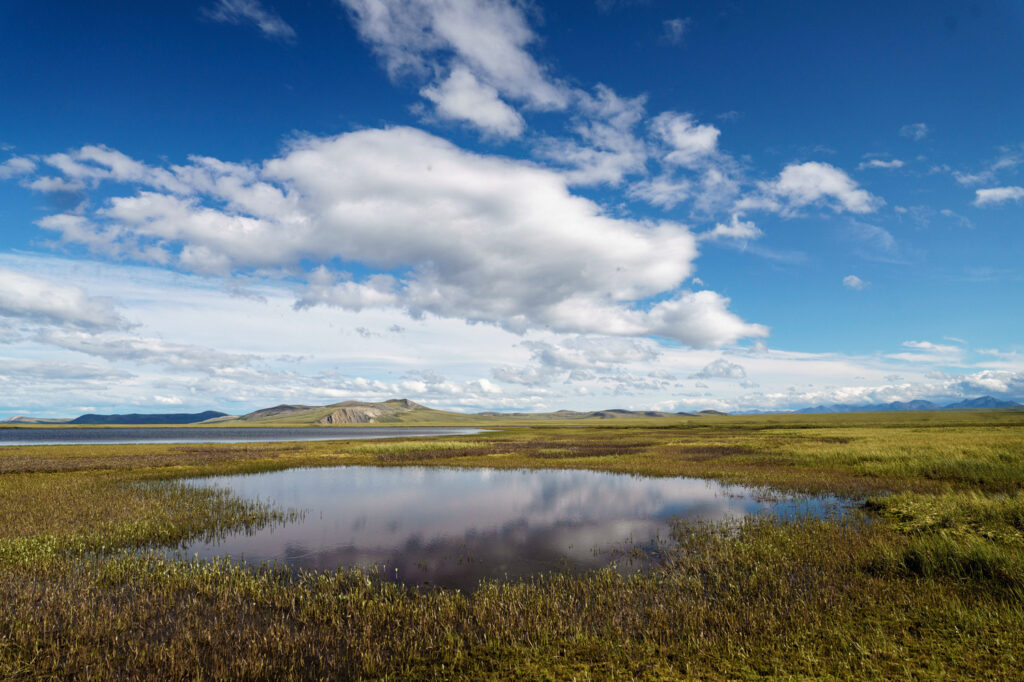
Ecologically, the region is of global significance. The Teshekpuk Lake wetlands, located in the northeastern portion of the reserve, serve as a critical habitat for millions of migratory birds. Estimates suggest that 5.4 million aquatic birds from six different continents nest in the NPR-A each season. This includes species such as the yellow-billed loon, spectacled eider, and various geese that travel thousands of miles to utilize the nutrient-rich tundra.
Furthermore, the area around Teshekpuk Lake is the primary calving ground for the Teshekpuk Lake caribou herd, a vital resource for Indigenous subsistence hunters. The herd, which numbers in the tens of thousands, relies on the open space and specific vegetation of the coastal plain to raise their young and escape insect harassment during the brief Arctic summer.
Chronology of Recent Development and Policy Shifts
The trajectory of the NPR-A has been defined by fluctuating federal policies over the last decade. While previous administrations sought to balance conservation with extraction—specifically by protecting "Special Areas" like Teshekpuk Lake—recent mandates have shifted the focus toward "expeditious" competitive leasing.
- 2017–2020: The federal government moved to open nearly 18.6 million acres of the NPR-A to oil and gas leasing, including previously protected wetlands. This period saw a concerted effort to maximize domestic energy production.
- 2021–2023: Policy adjustments under subsequent leadership sought to reinstate some protections for sensitive areas while simultaneously navigating the legal requirements of the 2017 Tax Cuts and Jobs Act, which mandated lease sales in the neighboring Arctic National Wildlife Refuge (ANWR).
- 2024–2026: The current cycle of lease sales is part of a federally mandated schedule. Despite increasing environmental concerns, the legal machinery established in previous years requires the Department of the Interior to offer specific acreages for bid.
A central component of this development is the Willow Project, managed by ConocoPhillips. Located within the NPR-A, the Willow Project is estimated to produce approximately 600 million to 750 million barrels of oil over its 30-year lifespan. While proponents argue the project will bolster national energy security and provide thousands of jobs, critics point to the projected 260 million metric tons of greenhouse gas emissions it will generate.
Supporting Data: Energy Potential and Economic Realities
The United States Geological Survey (USGS) has long monitored the energy potential of Northern Alaska. According to USGS estimates, the region may contain nearly half of all undiscovered recoverable oil on federal lands in the United States. Specifically, the NPR-A is estimated to hold approximately 895 million barrels of technically recoverable conventional oil and 52.8 trillion cubic feet of natural gas.
However, the economics of Arctic drilling are notably distinct from those in the Lower 48.
- Extraction Costs: Due to the extreme environment, lack of infrastructure, and the need for specialized technology like "chilled pipelines" to prevent permafrost melting, Arctic oil is among the most expensive fossil fuels to extract globally.
- Subsidies and Infrastructure: Developing these resources often requires significant public subsidy or state-backed infrastructure projects. For example, the proposed 211-mile Ambler Road, which would facilitate mining in the Brooks Range, has a projected cost of hundreds of millions of dollars.
- Market Volatility: With OPEC production shifts and the global transition toward renewable energy, the long-term financial viability of 30-year Arctic capital investments remains a subject of debate among economists.
Environmental Impact and Climate Feedback Loops
The Western Arctic is warming three to five times faster than the global average. This rapid change is altering the very landscape that the oil industry seeks to navigate. Permafrost degradation is causing "thermokarst" slumping, which can damage pipelines and roads. Simultaneously, the loss of sea ice along the northern coast is increasing erosion rates, threatening both industrial sites and Indigenous coastal communities.
The impact on biodiversity is equally profound. As the climate warms, the timing of insect emergence and plant growth is shifting, which can create "trophic mismatches" for migratory birds and caribou. Environmental scientists argue that further industrialization of the NPR-A will exacerbate these stresses by fragmenting habitat and introducing noise and chemical pollution into a sensitive watershed.
Official Responses and Stakeholder Perspectives
The debate over the Western Arctic features a diverse array of stakeholders with competing priorities.
Industry and State Representatives:
The State of Alaska has frequently voiced support for expanded leasing, citing an anemic state budget that relies heavily on oil revenue. Officials argue that the Trans-Alaska Pipeline System (TAPS) requires a consistent flow of oil to remain operational. "The NPR-A was created for the purpose of energy production," industry advocates often state, emphasizing that modern drilling techniques have a smaller surface footprint than those of the 1970s.
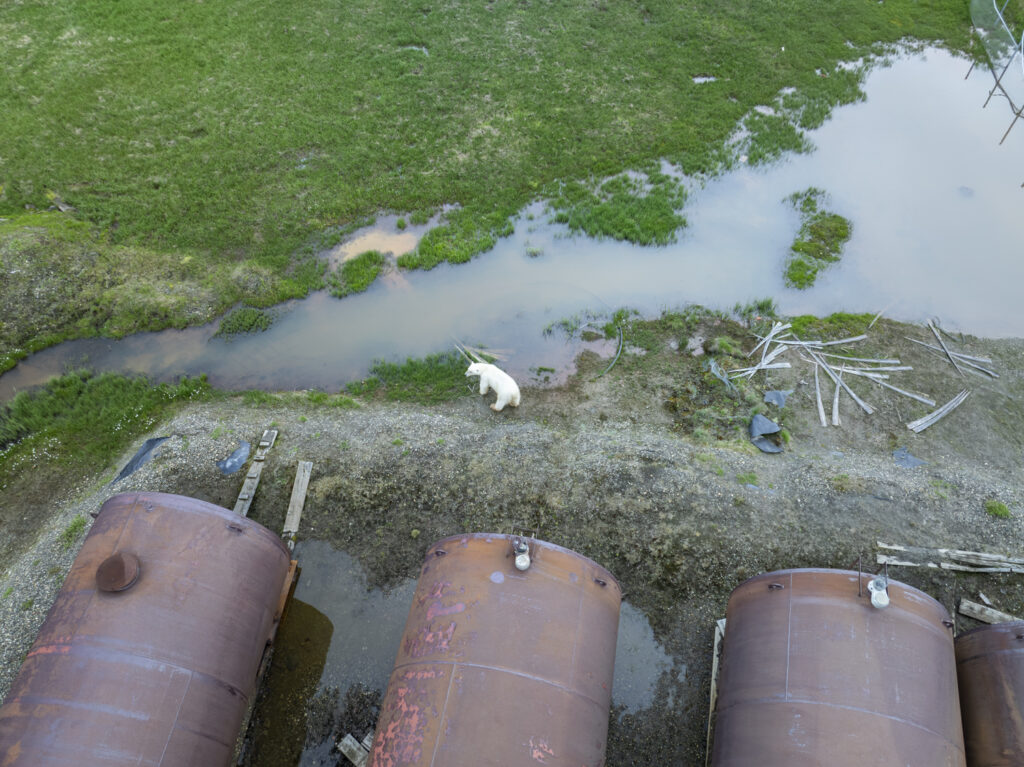
Environmental and Conservation Groups:
Organizations such as Protect Our Winters (POW) and the Sierra Club emphasize the "opportunity for restraint." They argue that the NPR-A represents the "last whole place" and that the long-term ecological value of the land far outweighs the short-term economic gain of oil extraction. These groups focus on the "social unacceptability" of Arctic drilling, highlighting the contradiction between climate goals and expanded fossil fuel leasing.
Indigenous Communities:
Responses from North Slope Iñupiat communities are nuanced. Some regional corporations and local governments support development for the tax revenue and jobs it provides to Arctic villages. Conversely, many subsistence hunters and tribal members express concern that industrial infrastructure will disrupt caribou migration patterns and contaminate the water sources they have relied upon for millennia.
Broader Implications and Analysis
The current lease sales in the NPR-A are more than a local land-use decision; they are a bellwether for federal climate policy and global conservation efforts. The "legal scaffolding" that allows for these sales is a product of 20th-century thinking—a time when resource abundance was equated with national strength and climate change was not yet a factor in policy-making.
If the Western Arctic is fully developed, the cumulative impact of the Willow Project, the Ambler Road, and the mandated lease sales will fundamentally transform the region. The transition from an intact wilderness to an industrial corridor involves a "piece-by-piece" erosion of ecological resilience. Analysts suggest that the uncertainty of future political administrations and the fluctuating price of carbon may eventually play a larger role in the region’s fate than current federal mandates.
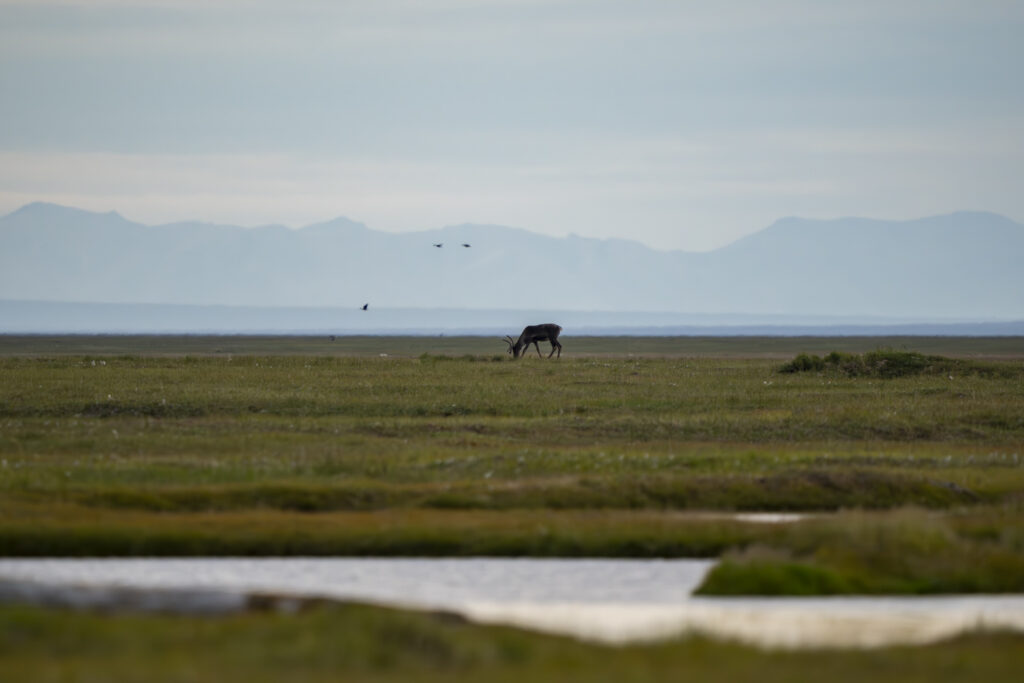
As it stands, the name "National Petroleum Reserve" continues to function as a powerful bureaucratic tool. However, as the global community grapples with the need to reduce carbon emissions, the identity of this 23-million-acre landscape remains contested. The coming decade will determine whether the NPR-A remains a "reserve" for extraction or evolves into a monument to ecological restraint in the face of a changing climate.
The land itself remains unchanged by the names humans give it—the caribou still migrate, and the loons still return to Teshekpuk Lake. But the legal and political constructions surrounding these 23 million acres will dictate whether those natural cycles continue into the next century. In the Western Arctic, the decisions made today are not merely about oil; they are about the definition of progress and the preservation of the last truly wild frontier in America.
