

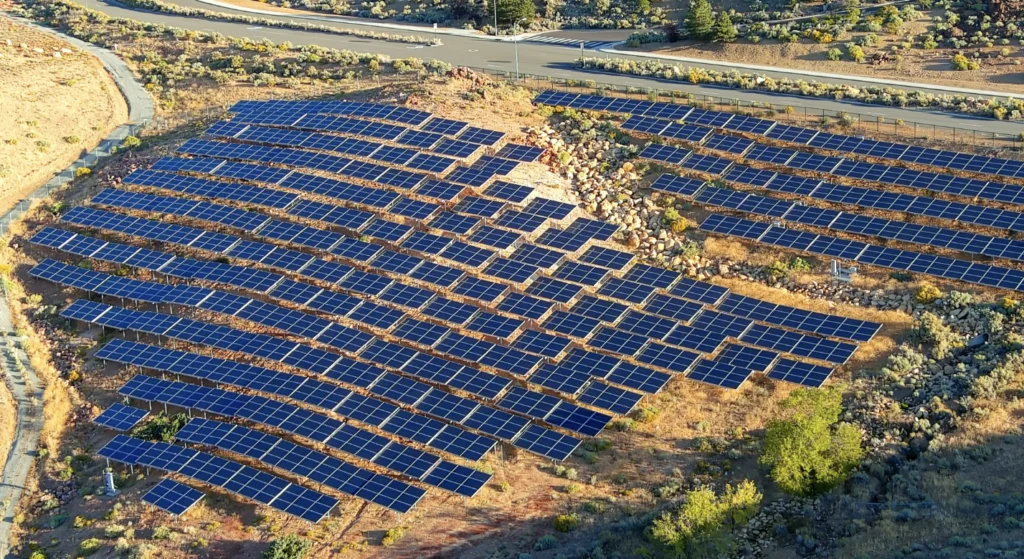
The city of Reno, Nevada, has emerged as a focal point for localized climate action following the successful advocacy for the Trego Battery Energy Storage System (BESS). The project, a 200-megawatt (MW) facility designed to stabilize the regional electrical grid, represents a significant milestone in the state’s transition toward a carbon-neutral energy economy. By providing the capacity to store renewable energy for use during periods of peak demand, the Trego BESS is expected to support up to 68,000 households, effectively offering a scalable solution to the intermittency challenges often associated with solar and wind power. The project’s advancement underscores the growing influence of community-led advocacy groups, such as Protect Our Winters (POW), and the role of scientific experts in navigating the complex regulatory and social landscapes of modern infrastructure development.
Technical Specifications and Grid Integration
The Trego Battery Energy Storage System is engineered to address one of the most persistent hurdles in renewable energy adoption: the "duck curve" of energy demand. In regions like Nevada, solar production peaks during the midday hours, often exceeding immediate consumption needs. Conversely, energy demand surges in the late afternoon and evening as residents return home and commercial cooling needs remain high. Without storage, excess solar energy must be curtailed, and fossil-fuel-burning "peaker" plants must be activated to meet the evening surge.
The 200-MW Trego facility utilizes Lithium Iron Phosphate (LFP) technology. Unlike traditional cobalt-based lithium-ion batteries, LFP chemistry is widely recognized for its thermal and chemical stability, which significantly reduces the risk of thermal runaway—a primary concern for local residents and fire safety officials. By utilizing this technology, the project provides a safer alternative to older storage models while maintaining the high energy density required to power a small city. This capacity ensures that the clean energy generated during Nevada’s abundant daylight hours can be discharged reliably when the sun sets, reducing the grid’s reliance on carbon-intensive backup sources.
Economic Implications and Local Investment
Beyond its environmental and technical merits, the Trego BESS represents a substantial economic investment in the Reno area. Projections associated with the project suggest that battery storage initiatives can generate approximately $14 million in economic activity for every 5 megawatts of capacity. Applied to a 200-MW project, the potential for local economic stimulation is vast, encompassing direct construction jobs, long-term technical maintenance roles, and increased tax revenue for Washoe County.
This economic infusion is particularly relevant as Nevada seeks to diversify its economy through the "Green Crossings" initiative and other renewable energy mandates. The capital investment in infrastructure like the Trego project circulates through local supply chains, supporting equipment providers, engineering firms, and hospitality services during the intensive build-out phases. Furthermore, by improving grid efficiency and reducing the need for expensive, imported peak-load power, such projects contribute to long-term energy price stability for Nevada consumers.
Chronology of Community Engagement and Approval
The path to approval for the Trego BESS was not without challenges. Like many large-scale infrastructure projects, the proposal initially faced hurdles related to public perception and the "Not In My Backyard" (NIMBY) phenomenon. Local opposition often stems from concerns regarding land use, safety, and the visual impact of industrial-scale utility equipment.
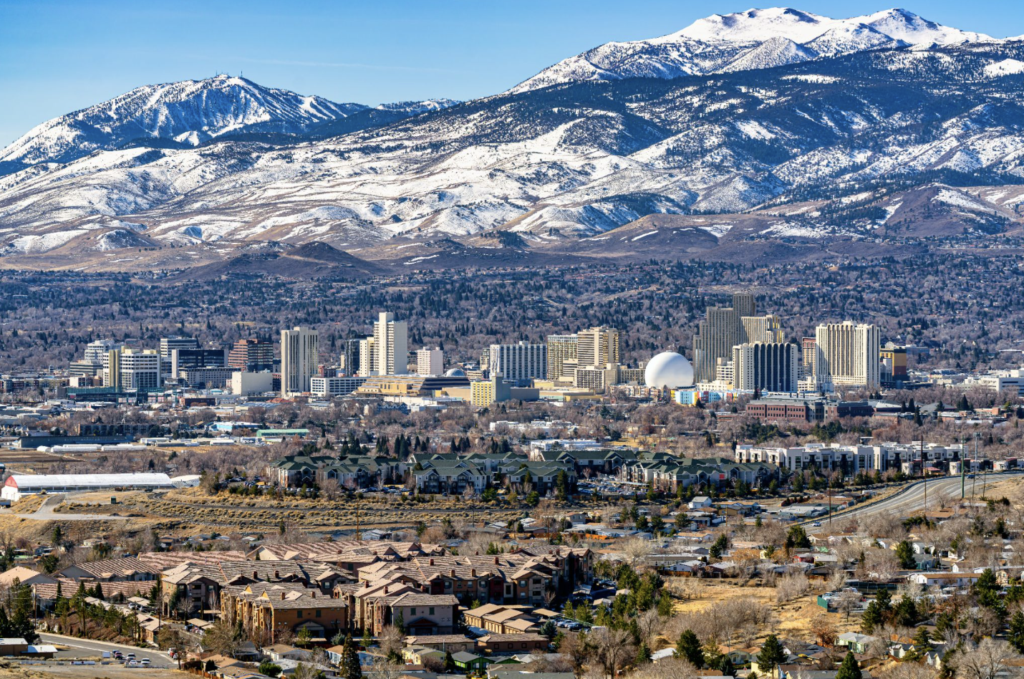
The timeline for the project’s advancement shifted significantly when members of the scientific community and local advocacy groups intervened. Dr. Anne Nolin, a Snow Hydrologist and Professor in the Geography Department at the University of Nevada, Reno, played a pivotal role in bridging the gap between technical data and public understanding. As a member of the Science Alliance at Protect Our Winters, Dr. Nolin initially approached the project with a critical lens, seeking to understand the safety protocols and environmental impacts of the LFP technology.
Upon verifying the project’s safety profile and its necessity for the state’s climate goals, Dr. Nolin and other community members mobilized to participate in public hearings. The advocacy phase involved a concerted effort to educate the public on the differences between LFP and traditional lithium-ion batteries, as well as the overarching benefits of grid stabilization. At the decisive public hearings, a series of well-informed testimonies from scientists, outdoor enthusiasts, and local residents provided the political cover and community mandate necessary for local decision-makers to move forward with the project.
Addressing Safety Concerns and Public Skepticism
The primary point of contention in the approval process was the safety of battery storage systems. Recent high-profile incidents involving battery fires in other jurisdictions have heightened public sensitivity to these installations. However, the Trego project’s commitment to Lithium Iron Phosphate technology served as a key differentiator.
LFP batteries do not use nickel or cobalt, which are associated with higher risks of overheating. They have a higher temperature threshold for thermal runaway and are less prone to combustion if punctured or subjected to electrical stress. During the public comment period, experts emphasized that these systems are equipped with advanced monitoring software that can isolate individual cells at the first sign of an anomaly, providing multiple layers of redundancy. This technical transparency was essential in converting skeptical residents into supporters, as it replaced "fear of the unknown" with data-driven assurance.
The Role of Nevada’s Renewable Portfolio Standard
The success of the Trego BESS is also a reflection of Nevada’s aggressive legislative framework for clean energy. Senate Bill 358, signed into law in 2019, raised Nevada’s Renewable Portfolio Standard (RPS) to 50% by 2030, with a long-term goal of 100% carbon-free energy by 2050. These mandates create a regulatory environment where utility providers and developers are incentivized to invest in storage.
Without significant storage capacity, Nevada would struggle to meet these targets. The state’s energy landscape is increasingly dominated by large-scale solar arrays in the Mojave and Great Basin deserts. The Trego project serves as a critical node in this network, allowing the state to maximize its natural solar advantages. Analysts suggest that the Reno win could serve as a blueprint for other Nevada municipalities, demonstrating that the transition to a 100% clean grid is as much a matter of local zoning and community support as it is of high-level state policy.
Broader Impact and National Implications
The implications of the Reno community’s success extend far beyond the borders of Washoe County. Across the United States, the "energy transition" is frequently characterized as a top-down movement driven by federal subsidies and international climate agreements. However, the Trego project illustrates that the actual implementation of clean energy infrastructure happens at the municipal level.
The involvement of Protect Our Winters (POW) highlights a shifting demographic in climate advocacy. By mobilizing the "outdoor state"—a coalition of skiers, hikers, and researchers whose livelihoods and passions are tied to stable climates—the movement has found a way to make abstract energy policy feel personal and urgent. Dr. Nolin’s perspective reflects this shift; for her, the project was a tangible way to mitigate the shrinking snowpacks and increasing wildfire risks she studies professionally.
This model of "informed advocacy" provides a counter-narrative to traditional NIMBYism. It suggests that when communities are provided with clear data and are invited to participate in the process early, they are more likely to support infrastructure that benefits the greater good. The "Clean Energy Toolkit" promoted by advocates in this case is now being viewed as a vital resource for other communities facing similar transitions.
Analysis of Future Challenges and Opportunities
While the approval of the Trego BESS is a victory for clean energy advocates, it also highlights the work remaining. The American electrical grid requires a massive overhaul to accommodate the decentralization of energy production. This includes not only storage but also thousands of miles of new high-voltage transmission lines. Each of these projects will likely face similar localized opposition.
The Reno case study suggests that the path forward involves three key pillars:
- Technical Education: Proactively addressing safety and technology concerns with transparent, peer-reviewed data.
- Economic Justification: Clearly articulating the local financial benefits, from job creation to tax revenue and rate stability.
- Coalition Building: Engaging diverse stakeholders—including scientists, business owners, and outdoor enthusiasts—to demonstrate broad-based support.
As the Trego Battery Energy Storage System moves into its construction phase, it stands as a testament to the power of local organizing. It proves that the clean energy future is not a distant, theoretical concept, but a series of local decisions that, when compounded, have the power to reshape the national energy landscape. For Reno, the project is a step toward energy independence and environmental resilience; for the rest of the country, it is a reminder that showing up to a local hearing can be one of the most effective ways to influence the global climate trajectory.
