

The 2025-2026 winter season across the Western United States has emerged as a significant case study in meteorological volatility, characterized by what climatologists and hydrologists describe as a "warm snow drought." While precipitation levels remained near historical averages in several regions, record-breaking temperature anomalies fundamentally altered the phase of that precipitation, leading to a diminished snowpack and an accelerated melt-out schedule. This phenomenon has created a complex set of challenges for water resource managers, the outdoor recreation industry, and ecological systems dependent on a slow, sustained release of alpine meltwater.
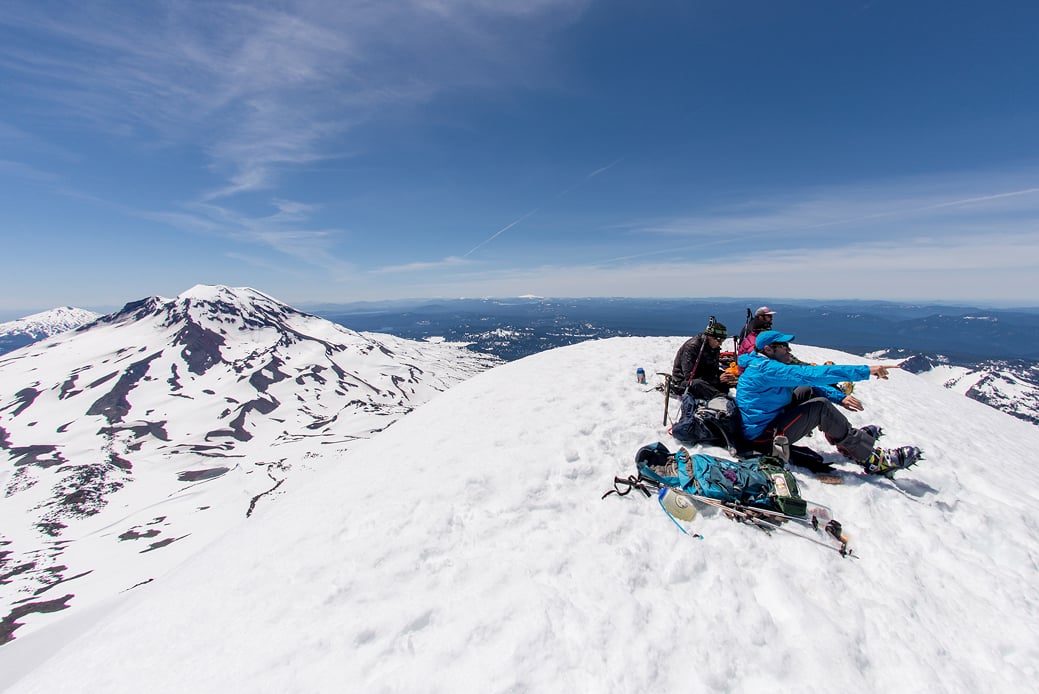
As the region transitions into the spring and summer months, the data suggests a season of missed benchmarks. Historically, the snowpack in the Western U.S. serves as a natural reservoir, holding water in solid form until it is needed during the drier summer months. However, the 2025-2026 season saw a "low tide" scenario where the traditional "recipe" for snow—sufficient moisture combined with sustained sub-freezing temperatures—failed to materialize consistently. The resulting hydrological landscape is one of early runoff and reduced peak snow water equivalent (SWE) values, many of which represent the lowest levels recorded in nearly half a century.
Meteorological Overview and Precipitation Patterns
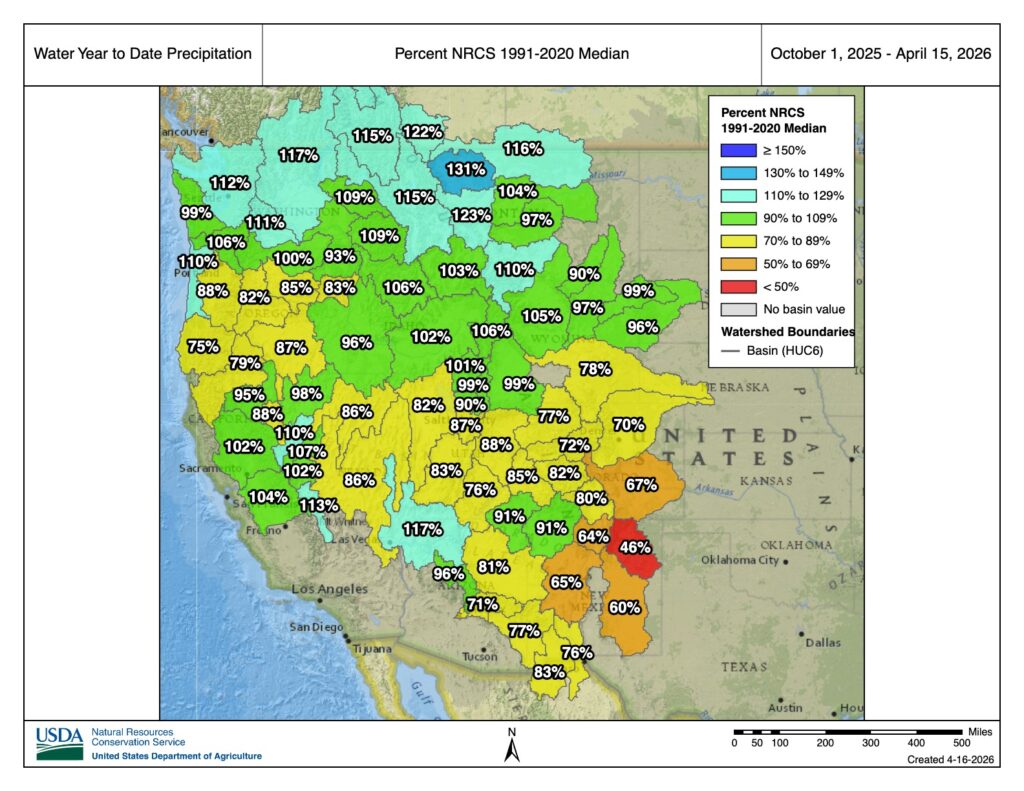
The 2025-2026 water year was not defined by a lack of moisture, but rather by the timing and temperature of that moisture. Data provided by the Natural Resources Conservation Service (NRCS) indicates that precipitation as a percentage of the period-of-record average was relatively stable across much of the West. Northwest Wyoming, Montana, Idaho, and Washington experienced precipitation levels slightly above the mean. Conversely, Oregon, Utah, and Colorado trended toward the drier side of the spectrum, though not to the catastrophic levels seen in previous historic droughts.
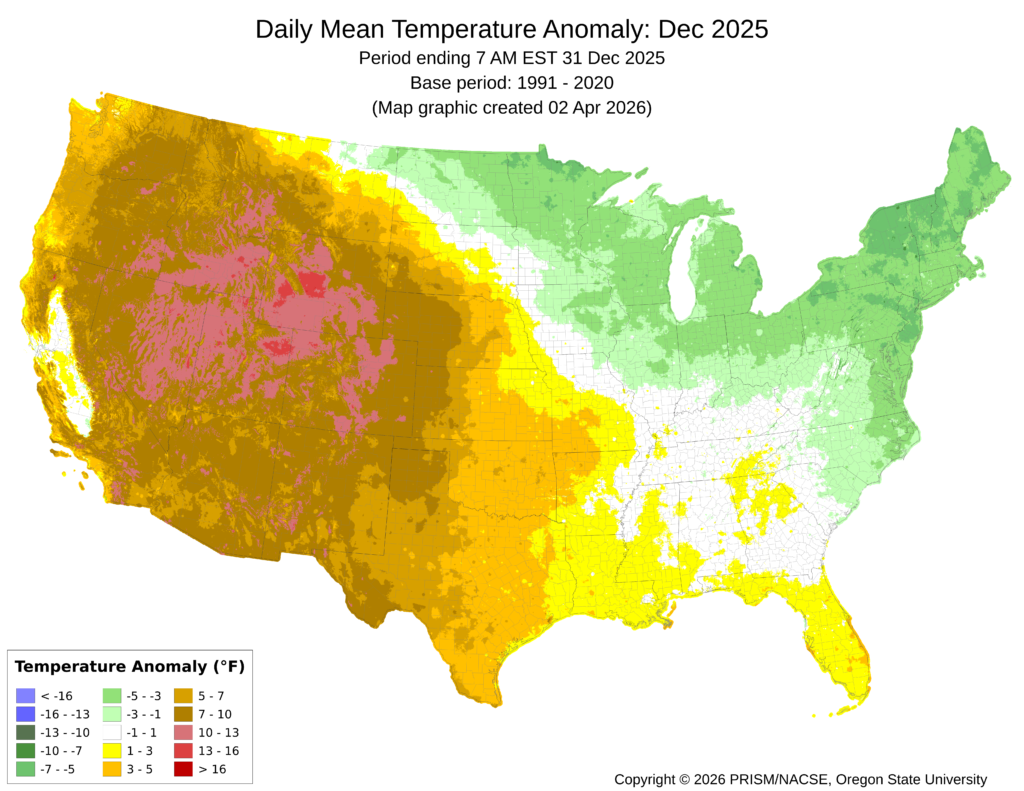
The defining characteristic of the season was the temperature. Temperature anomaly maps from the PRISM Climate Group reveal that December 2025 was particularly devastating for snow accumulation. While the Northeast and Upper Midwest of the United States experienced temperatures up to 5 degrees Fahrenheit below average, the Western United States saw anomalies ranging from 5 to 15 degrees Fahrenheit above the historical norm. This "warmth spike" meant that mid-elevation storms that would typically contribute to the seasonal snowpack arrived as rain, or as "heavy" snow that melted shortly after deposition.
Chronology of the 2025-2026 Snow Season
The season began with high expectations as early autumn storms brought initial dustings to high-elevation peaks. However, the anticipated transition to a robust winter snowpack was repeatedly delayed. For many stakeholders, including ski resort operators and municipal water planners, the "goalposts" for the season’s start moved progressively through the calendar.
In November and early December, the lack of sustained cold inhibited both natural accumulation and artificial snowmaking operations. By the New Year’s holiday, many resorts in the Pacific Northwest and the Sierra Nevada were operating on limited terrain or had paused operations entirely. The mid-winter period, traditionally the peak for accumulation, failed to provide the necessary "deep freeze." By Martin Luther King Jr. Day weekend, observers noted that the snowpack was significantly behind schedule.
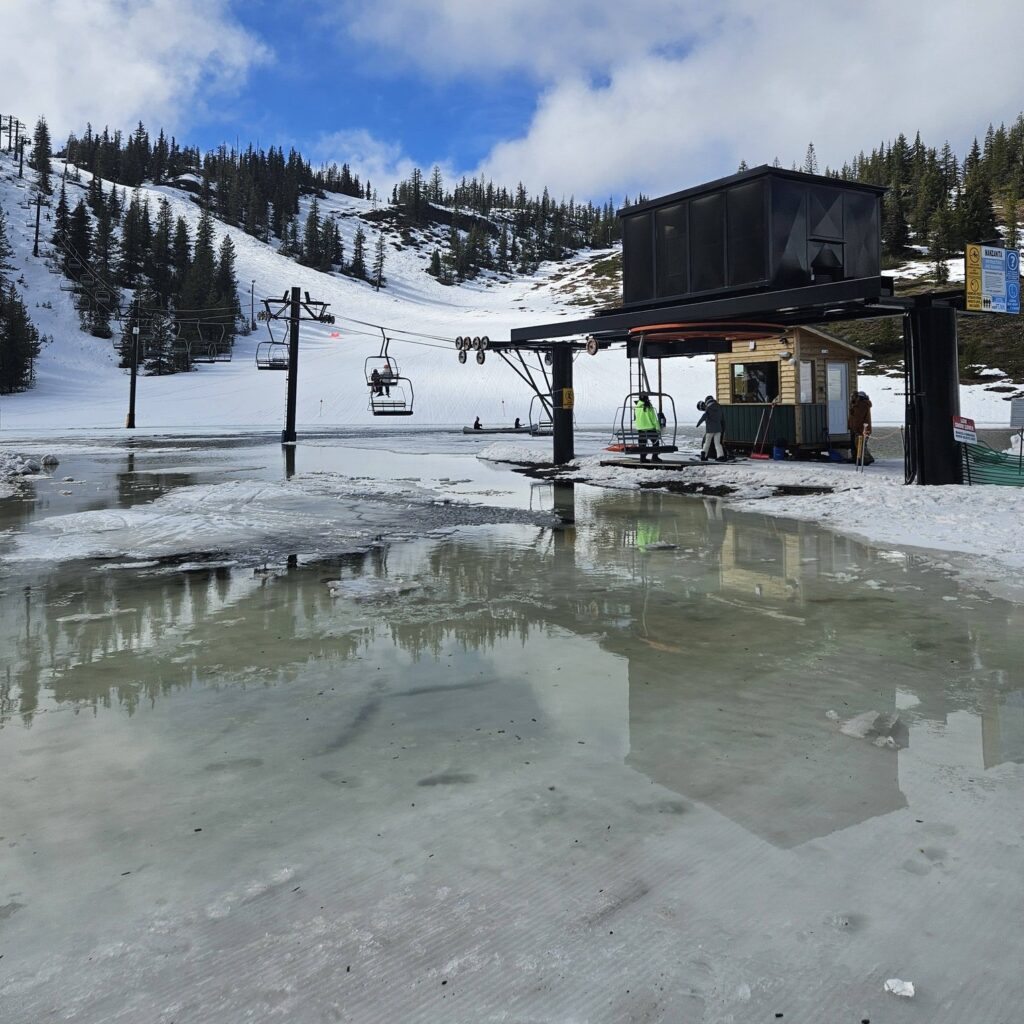
The situation did not improve through February. By President’s Day weekend, a time when Western snowpacks typically approach 80% of their peak, many stations reported SWE values at less than 50% of the average. The "spring break" period in March, rather than providing a late-season recovery, saw unseasonably high temperatures that triggered premature melting. This was exemplified by events such as unscheduled "pond skims" at Hoodoo Ski Area in Oregon, where mid-March conditions resembled those usually seen in late May.
The April 1 Benchmark and Melt-Out Anomalies
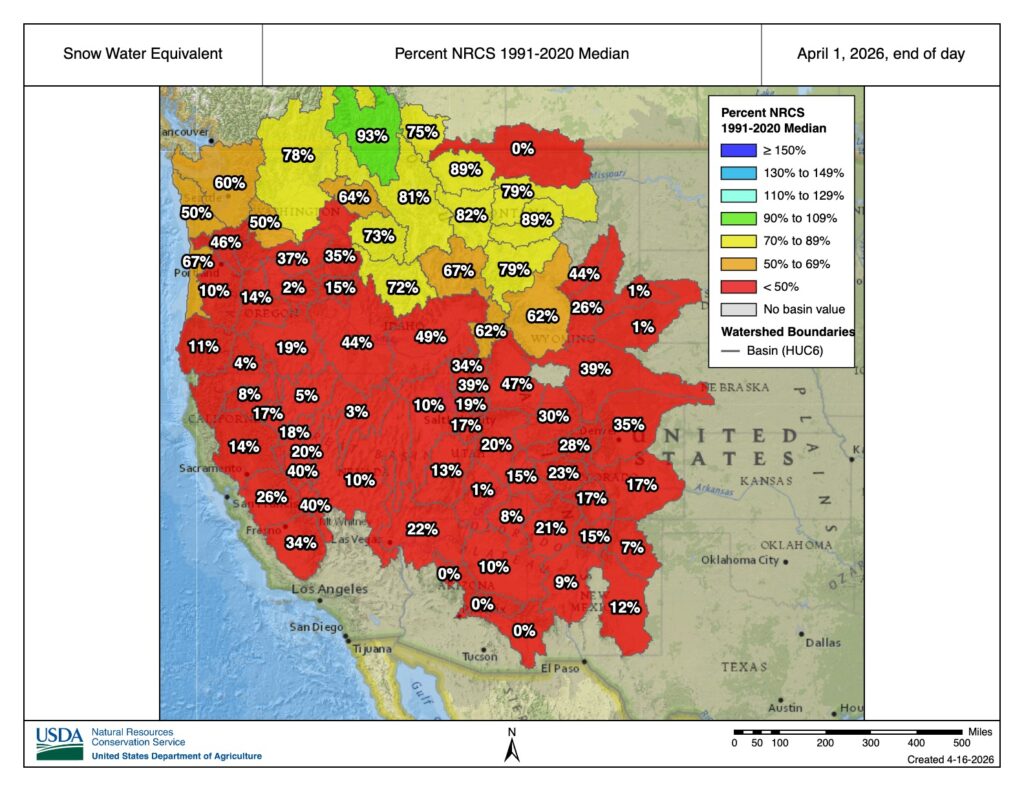
April 1 is widely regarded by hydrologists as the critical benchmark for assessing the Western snowpack. It typically represents the date of peak accumulation before the primary spring runoff begins. The April 1, 2026, data revealed a stark reality: SWE values across a vast majority of observation stations were a mere fraction of the long-term average.
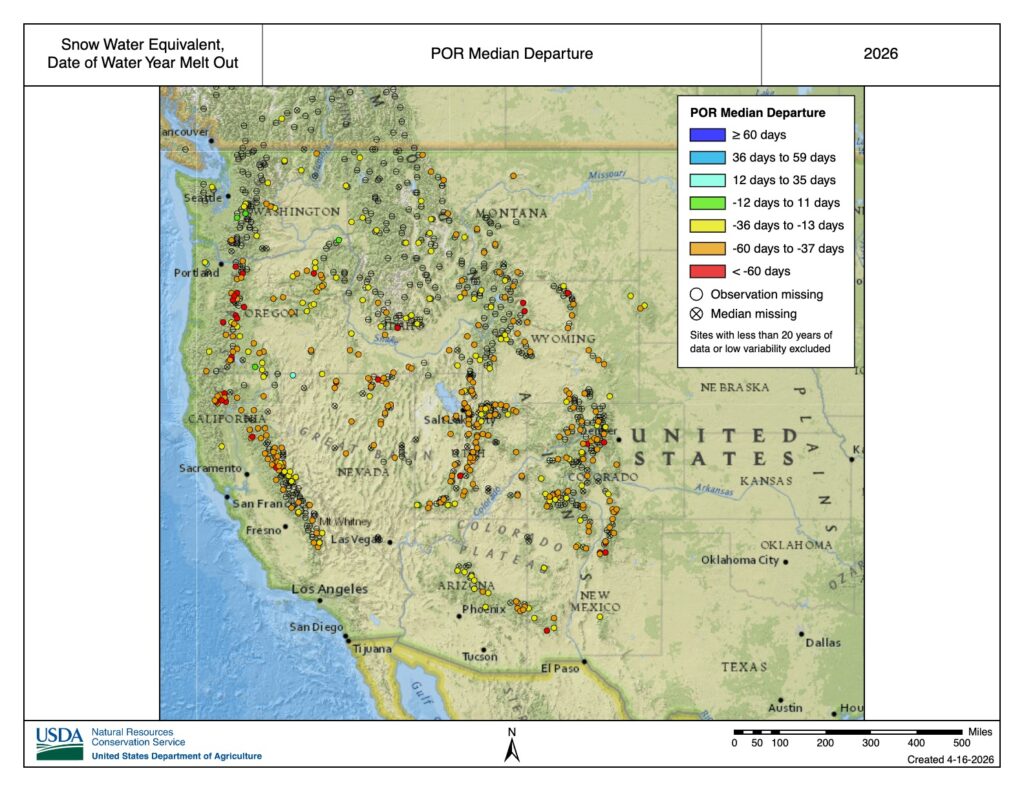
The severity of the situation is further illustrated by the "melt-out date anomaly." In a standard year, snow persists in high-elevation basins well into June or July. In 2026, many SNOTEL (Snow Telemetry) stations reported "snow-off" dates—the day when the ground becomes bare—not just days or weeks early, but months ahead of schedule. Large swaths of the Cascades and the northern Rockies saw snow disappear 60 days earlier than the historical mean. This early loss of the snow reservoir has immediate implications for soil moisture, forest fire risk, and late-season streamflow.
Global Context and the Hydrologic Cycle
To understand the impact of a failing snowpack, it is necessary to consider the broader context of Earth’s water distribution. Although the Earth is often referred to as the "blue planet," the volume of fresh, accessible water is remarkably small. If all the Earth’s water were consolidated into a sphere, its diameter would be only about 10% of the Earth’s diameter. Furthermore, less than one-hundredth of one percent of all water on Earth is readily available to support human needs, with the rest being salt water, locked in polar ice, or trapped in deep, inaccessible aquifers.
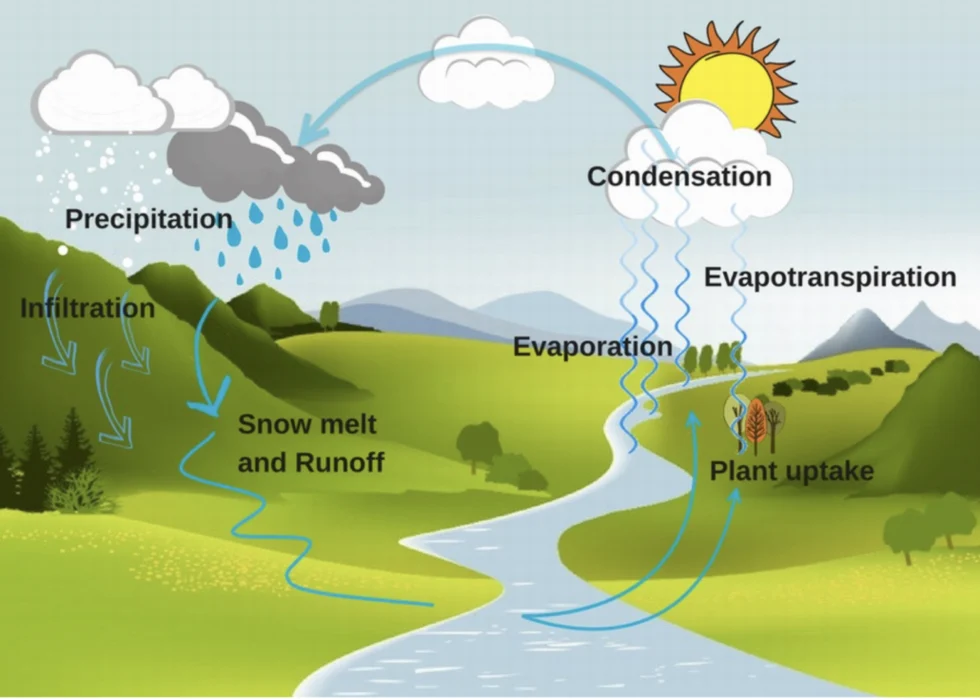
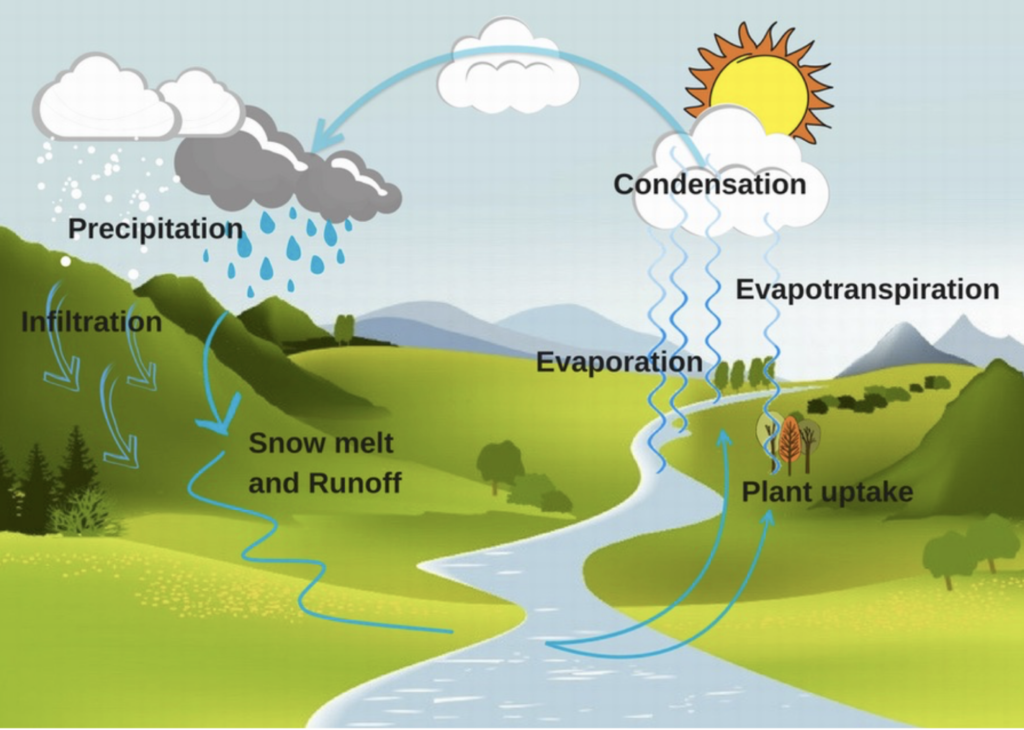
The hydrologic cycle is the mechanism by which this limited resource is redistributed. On average, the Earth’s land surfaces receive about one meter of precipitation annually. While this equates to roughly 13,000 gallons per person per day globally, the primary challenge of water management is the mismatch between supply and demand. Water is often not where it is needed, or it arrives at the wrong time. In the Western United States, the snowpack acts as the primary tool for reconciling this mismatch, storing winter precipitation and releasing it during the high-demand summer growing season.
Snow as a Natural Infrastructure
The snowpack’s role as a "natural reservoir" cannot be overstated. While the United States has invested heavily in built infrastructure—including canals, aqueducts, and massive surface reservoirs like Lake Mead—the seasonal snowpack provides a storage capacity that dwarfs these man-made structures. By some scientific estimates, the volume of water stored in the contiguous United States’ snowpack at its peak is approximately five times the maximum capacity of Lake Mead.
This natural storage system offers several advantages over concrete reservoirs:
- Distributed Storage: Snow is spread across millions of acres, reducing the need for massive, centralized infrastructure that can disrupt ecosystems and fish passage.
- Thermal Regulation: As snow melts, it provides a consistent influx of cold water into stream systems, which is vital for the survival of temperature-sensitive species such as salmon and trout.
- Flood Mitigation: By holding water in solid form, the snowpack prevents the immediate runoff of winter storm moisture, thereby reducing the risk of downstream flooding during the winter months.
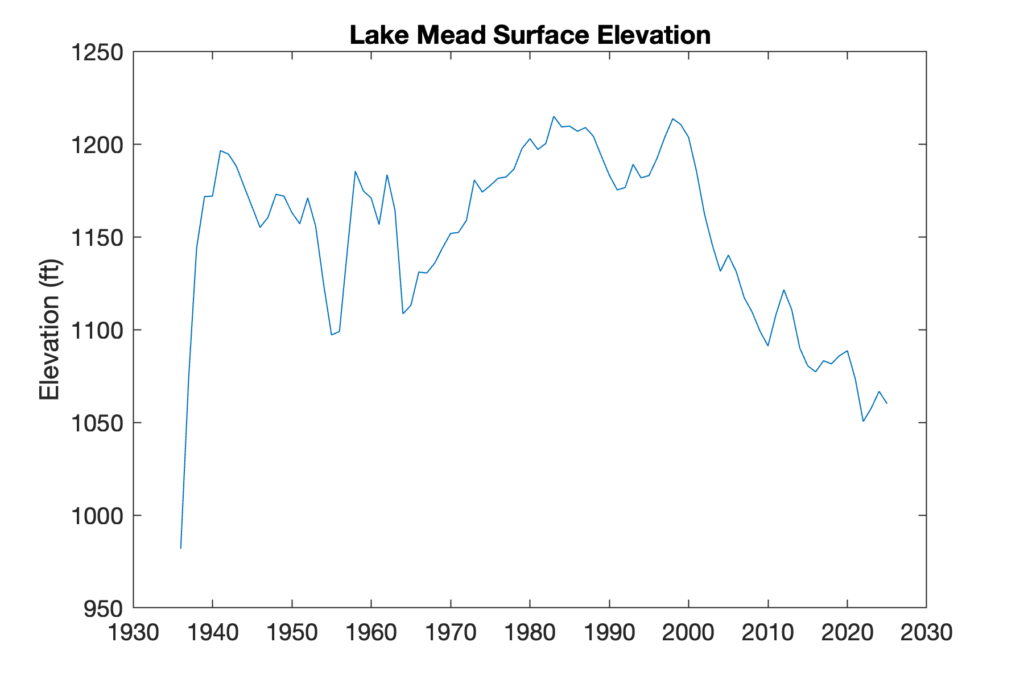
The 2025-2026 season’s failure to maintain this reservoir has placed an increased burden on the Colorado River Basin. Years of consecutive dry and warm conditions have already led to declining elevations in Lake Mead, the reservoir behind the Hoover Dam. The lack of a robust "snow insurance policy" this year has intensified discussions among municipalities and agricultural interests regarding water allocation and the long-term sustainability of current consumption patterns.
Socio-Economic and Ecological Implications
The "hot mess" of the 2025-2026 season has had immediate socio-economic repercussions. The outdoor recreation industry, a multi-billion dollar contributor to the Western economy, faced a shortened and unpredictable season. Small mountain communities that rely on winter tourism reported significant revenue losses as ski areas closed early or failed to open key terrain.
Ecologically, the early melt-out creates a "scissors effect" for forest health. When snow disappears months early, the forest floor begins to dry out sooner, extending the length of the wildfire season. Furthermore, the lack of late-season meltwater leads to higher stream temperatures and lower flows in August and September, stressing aquatic habitats and reducing the water available for irrigation.
Conclusion and Future Outlook
The 2025-2026 snow season serves as a stark reminder of the inherent variability and increasing vulnerability of the Western water supply. While long-term trends indicate a general dwindling of snowpack duration and depth across the West—as evidenced by historical data from sites like Hogg Pass in Oregon—interannual variability remains high.
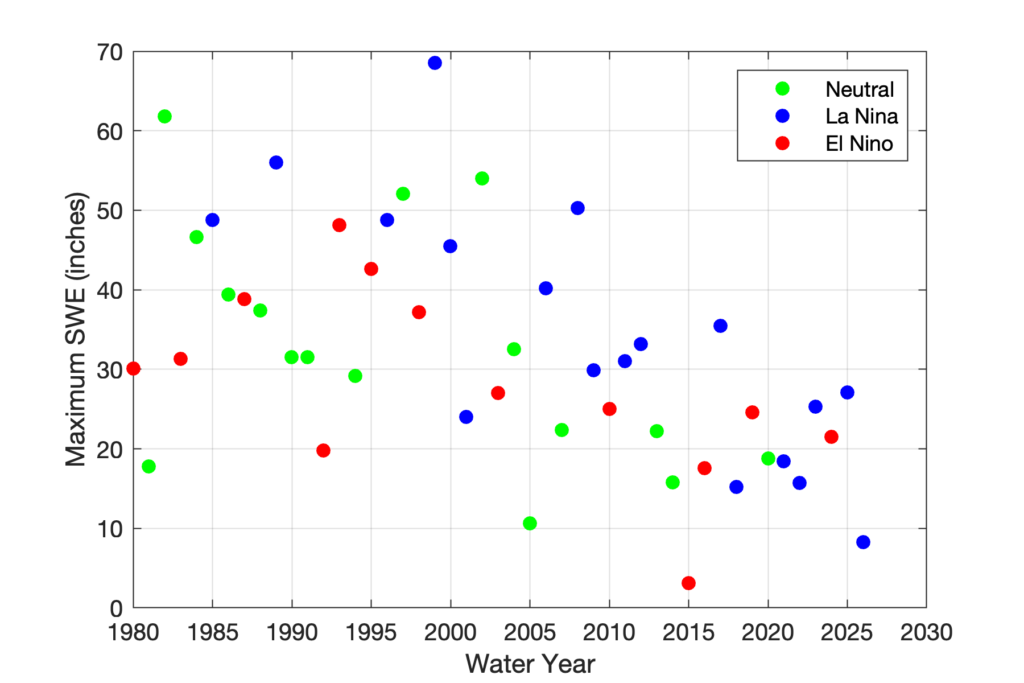
Experts suggest that the current season should be viewed not as an isolated anomaly, but as a preview of the challenges posed by a warming climate. The transition from a snow-dominant hydrological regime to a rain-dominant one requires a fundamental shift in how water is managed, stored, and conserved.
While the "glass half full" perspective suggests that a lean year can be followed by a record-breaking one, the 2025-2026 season underscores the necessity of planning for a future where the "snow reservoir" is no longer a guaranteed asset. The data from this year provides a critical framework for policymakers and scientists as they work to build more resilient water systems in an era of increasing thermal extremes.
