

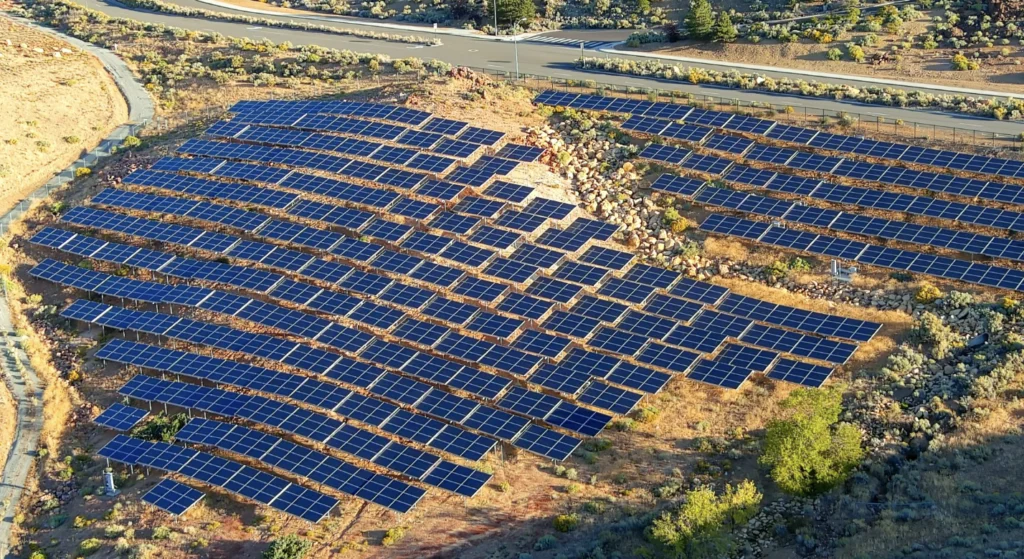
The city of Reno, Nevada, has emerged as a focal point for the clean energy transition following the successful advocacy for and advancement of the Trego Battery Energy Storage System (BESS). This 200-megawatt (MW) utility-scale project represents a significant milestone in regional efforts to stabilize the electrical grid and integrate renewable energy sources. Developed to address the inherent intermittency of solar and wind power, the Trego BESS project is designed to store surplus clean energy during periods of low demand and discharge it during peak hours, effectively providing enough power to sustain approximately 68,000 households. The project’s progress is largely attributed to a concerted effort by local residents, scientific experts, and advocacy groups, most notably the "Protect Our Winters" (POW) organization, which mobilized community members to support the infrastructure at public hearings.
Technical Specifications and the Role of Energy Storage
The Trego Battery Energy Storage System is a sophisticated infrastructure project intended to bridge the gap between energy production and consumption. In the high-desert environment of Northern Nevada, solar generation is abundant during the daylight hours, often exceeding the immediate needs of the grid. However, as the sun sets and residential demand spikes—a phenomenon known in the utility industry as the "duck curve"—the grid faces immense strain. Without storage, utilities must often rely on "peaker plants," which are typically powered by natural gas and are more carbon-intensive and expensive to operate.
The Trego facility utilizes Lithium Iron Phosphate (LFP) technology. Unlike traditional lithium-ion batteries that use cobalt or nickel, LFP batteries are increasingly favored for stationary storage due to their superior thermal and chemical stability. This technology significantly reduces the risk of thermal runaway, making the installations safer for placement near populated areas. By deploying 200 MW of LFP storage, Reno is positioning itself to manage grid frequency and voltage more effectively, ensuring a reliable flow of electricity even during extreme weather events or periods of high cooling demand in the summer months.
Chronology of Community Advocacy and Approval
The trajectory of the Trego BESS project serves as a case study in effective local climate action. The project moved through several critical phases of development, regulatory review, and public engagement before reaching its current state of advancement.
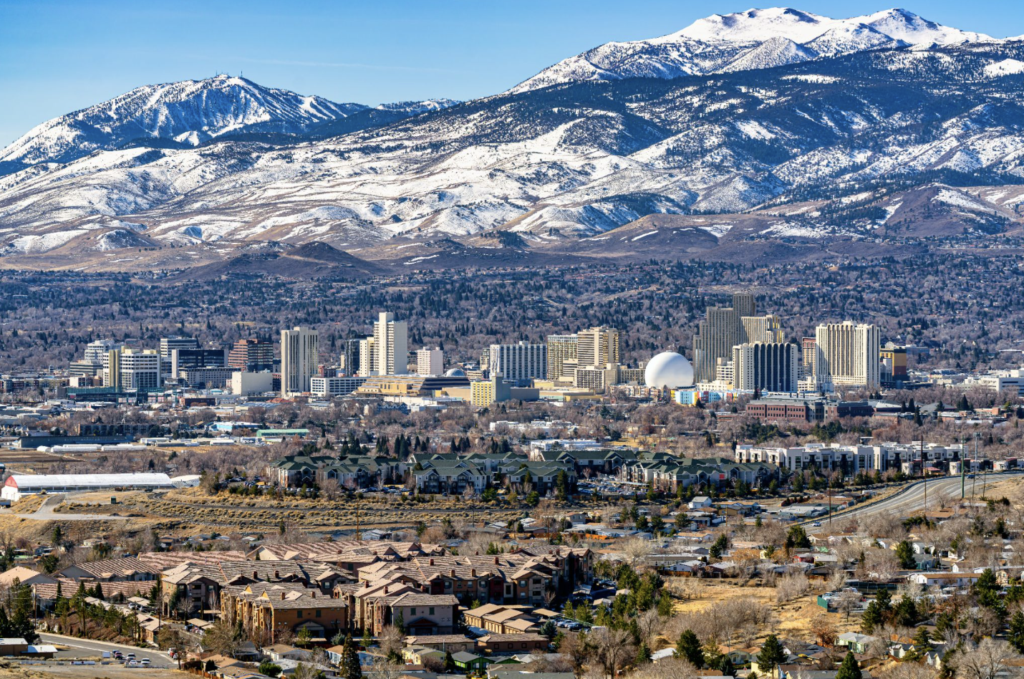
- Initial Proposal and Site Identification: Developers identified the Trego site based on its proximity to existing transmission infrastructure, which minimizes the need for extensive new power line construction.
- Regulatory Filing: The project was submitted for review to local planning commissions and state energy regulators. During this phase, initial concerns regarding safety, noise, and land use were raised by community members.
- Mobilization of the Science Alliance: Recognizing the potential for the project to be stalled by "NIMBYism" (Not In My Backyard) or misinformation, Protect Our Winters activated its Science Alliance. Dr. Anne Nolin, a renowned snow hydrologist and professor in the Geography Department at the University of Nevada, Reno, took a leading role in evaluating the project’s technical merits.
- Public Hearings and Testimony: In a series of public forums, advocates and experts provided testimony in favor of the project. This phase was crucial in countering opposition. Dr. Nolin and other community members presented data-driven arguments, focusing on the safety of LFP technology and the long-term environmental benefits for the Truckee Meadows region.
- Project Endorsement: Following the strong showing of community support, local decision-makers moved forward with the project, citing the clear alignment between the Trego BESS and Nevada’s broader renewable energy mandates.
Supporting Data: Economic and Environmental Impact
The economic implications of the Trego BESS project extend beyond simple energy savings. Industry data suggests that large-scale battery storage projects act as significant engines for local economies. Based on current market analysis, projects of this nature can generate substantial economic activity—estimated at approximately $14 million for every 5 megawatts of capacity when accounting for construction labor, long-term maintenance contracts, and tax revenue for local municipalities. For a 200 MW project like Trego, the cumulative economic impact could reach hundreds of millions of dollars over the project’s lifecycle.
From an environmental perspective, the Trego system is a vital component of Nevada’s goal to achieve a 50% renewable energy portfolio by 2030, as mandated by Senate Bill 358. By allowing for the storage of renewable energy that would otherwise be curtailed (wasted), the Trego BESS directly reduces the state’s reliance on fossil fuel-generated electricity. This transition is particularly critical for Northern Nevada, where climate change has led to more volatile snowpacks and increased wildfire risks, directly impacting the local outdoor industry and water security.
Community Perspectives and Expert Analysis
The success of the Trego project highlights a shift in how clean energy infrastructure is perceived at the local level. Dr. Anne Nolin, whose research focuses on the intersection of climate and water resources, emphasized that her support for the project was rooted in a desire for tangible local solutions.
"For many, the clean energy transition feels like an abstract, global challenge," Dr. Nolin noted during the advocacy process. "Participating in the Trego hearings allowed us to bring the science of climate change down to the community level. It was about showing that we have the technology to protect our winters and our water, but we need the civic will to build it."
The involvement of "outdoor advocates"—skiers, hikers, and professionals whose livelihoods depend on a stable climate—added a unique dimension to the public discourse. These stakeholders argued that the preservation of Nevada’s natural environment is inextricably linked to the rapid deployment of clean energy infrastructure. This coalition-building helped neutralize typical "NIMBY" arguments by framing the project not as an industrial intrusion, but as a necessary defense of the region’s natural heritage and economic future.
Broader Implications for the Intermountain West
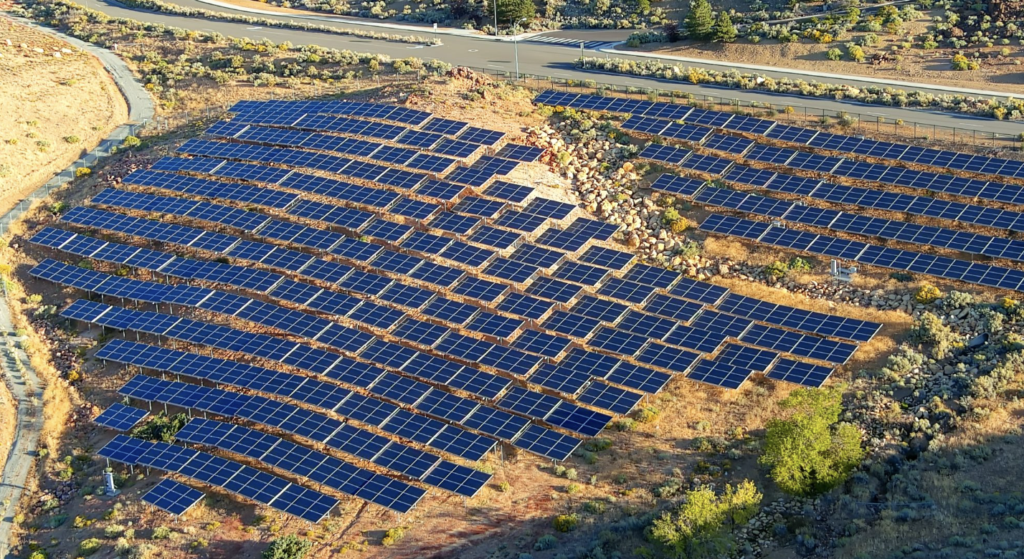
The approval of the Trego BESS project in Reno is expected to have a ripple effect across the Intermountain West. States like Utah, Idaho, and Arizona face similar challenges regarding grid stability and the integration of high-percentage solar power. The "Reno Model"—characterized by early scientific intervention and organized community testimony—provides a blueprint for other municipalities facing resistance to clean energy projects.
National advocacy groups like Protect Our Winters are now using the Trego success to promote their "Clean Energy Toolkit," a resource designed to help citizens navigate the complexities of local government and regulatory boards. The toolkit emphasizes that the "permitting gap"—the delay between project proposal and construction due to regulatory and local hurdles—is one of the primary obstacles to meeting national climate goals. By streamlining community support, Reno has demonstrated that this gap can be closed through transparent communication and fact-based advocacy.
Conclusion: A Foundation for Future Growth
The Trego Battery Energy Storage System is more than a collection of batteries; it is a symbol of a community’s commitment to a modernized, resilient energy grid. As construction progresses, the project will serve as a critical node in Nevada’s energy infrastructure, providing the flexibility needed to phase out aging coal and gas assets.
The successful mobilization in Reno underscores a fundamental truth of the energy transition: while federal policies and international agreements set the stage, the actual work of building a clean energy future happens in local planning offices and community centers. The Trego project proves that when scientists, outdoor enthusiasts, and local residents align their efforts, they can overcome the inertia of the status quo and secure the infrastructure necessary for a sustainable future.
As the project nears completion and eventual integration into the regional grid, it will offer a real-time demonstration of how battery storage can lower costs for consumers, enhance grid reliability, and significantly reduce carbon emissions. For the people of Reno, the Trego BESS is a definitive win, ensuring that the city remains at the forefront of the clean energy economy while protecting the natural environment that defines the region.
