

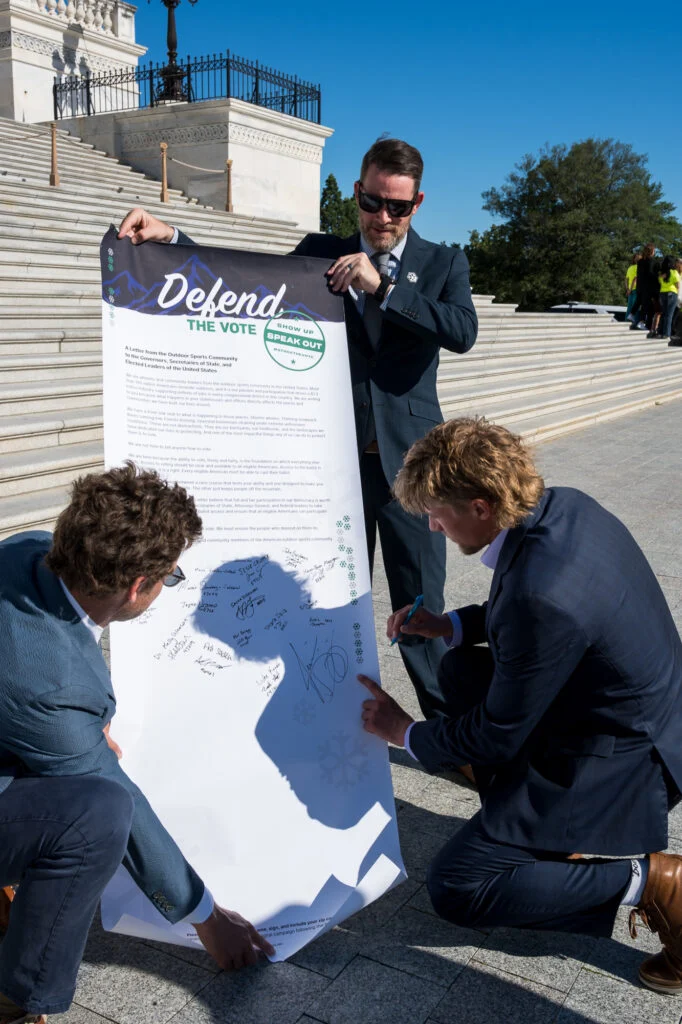
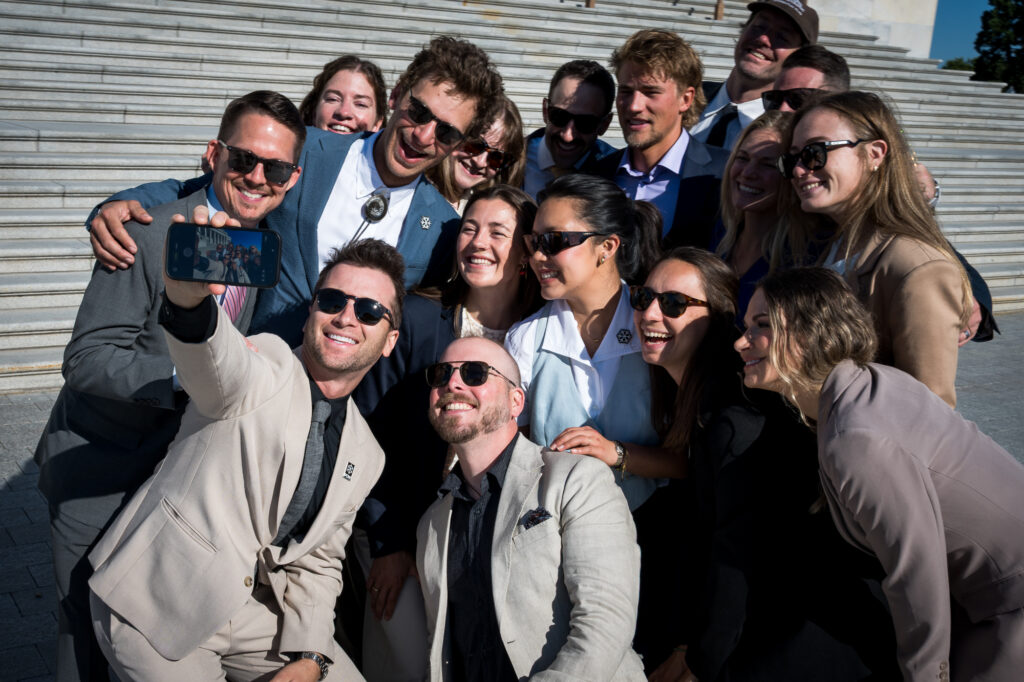
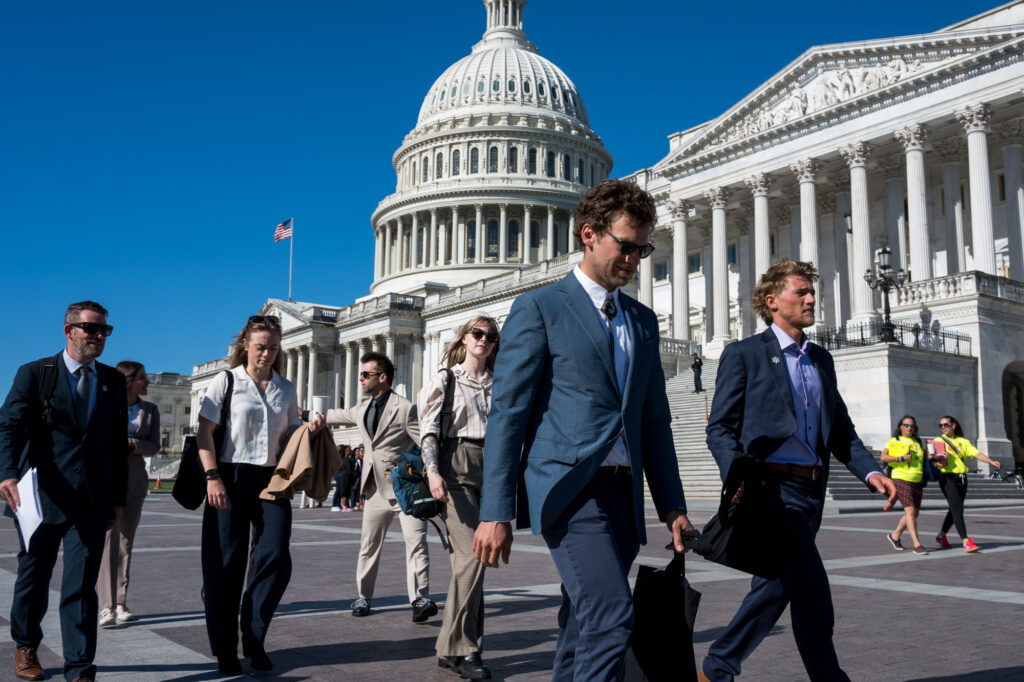
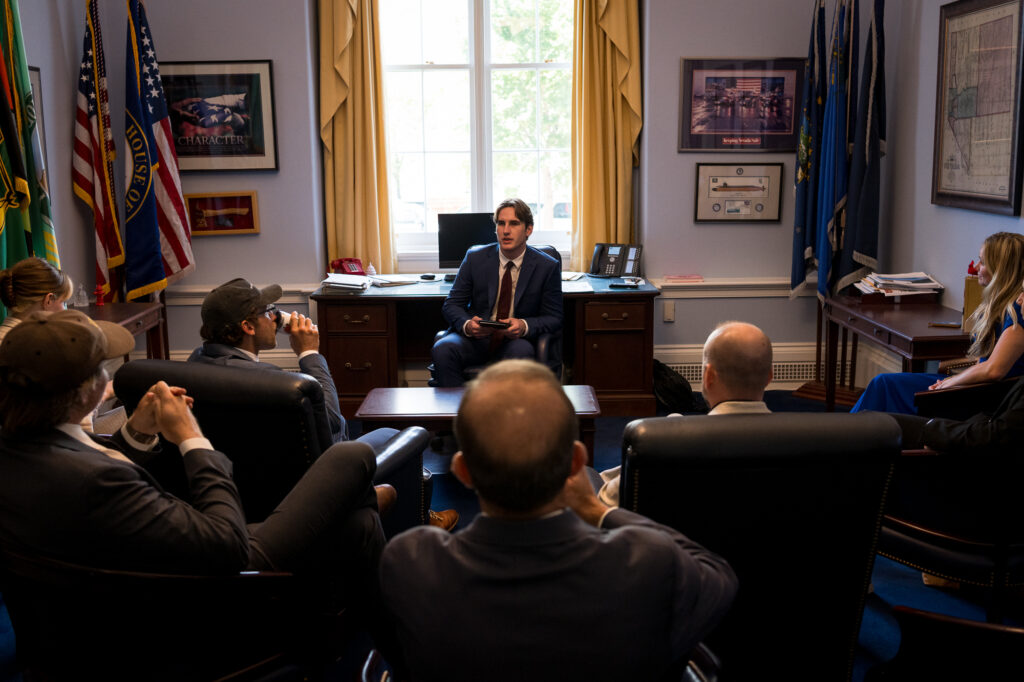
A high-profile delegation of 13 Olympic athletes, climate scientists, filmmakers, and outdoor industry leaders, organized by the non-profit advocacy group Protect Our Winters (POW), recently concluded a two-day legislative blitz on Capitol Hill. The mission, aimed at confronting the systematic dismantling of federal environmental protections, involved 38 intensive meetings with congressional offices and staff. The group sought to deliver a clear message to lawmakers: the health of America’s public lands, clean air, and water is non-negotiable and essential to the nation’s $1.1 trillion outdoor recreation economy.
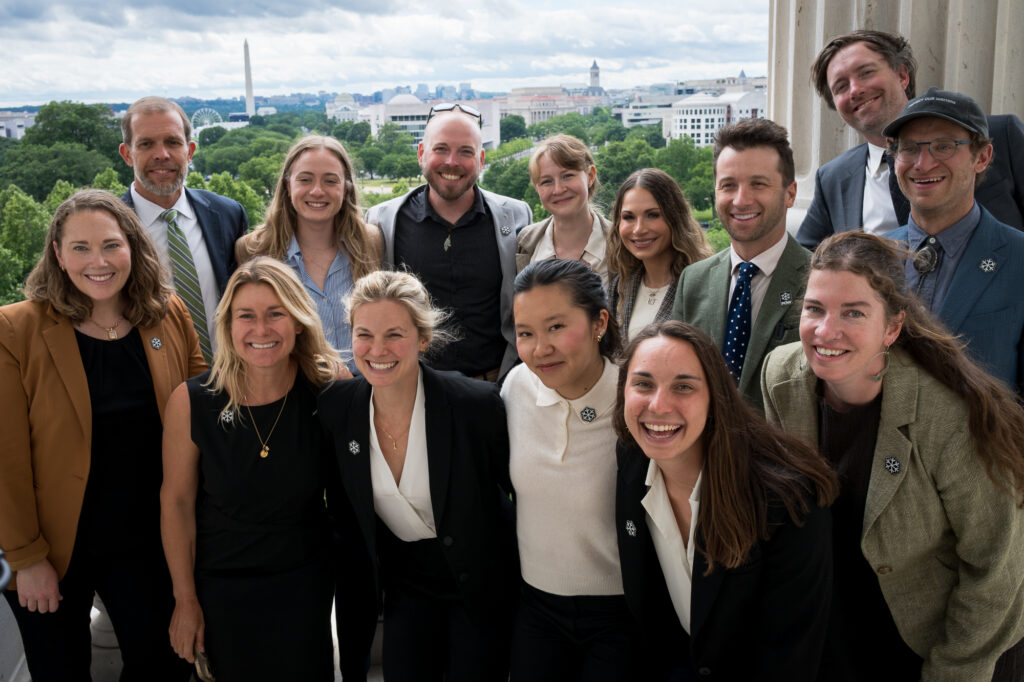
Representing what the organization calls the "Outdoor State"—a demographic of approximately 175 million Americans who participate in outdoor recreation—the delegation included some of the most decorated winter sports athletes in the world. Among them were Olympic cross-country skiers Jessie Diggins and Gus Schumacher, snowboarder Bea Kim, and freestyle skiers Jaelin Kauf and Olivia Giaccio. These athletes were joined by Science Alliance members including former Environmental Protection Agency (EPA) scientist Stu Nissenbaum and research scientist Tracy Fanara, as well as creative professionals like filmmaker Max Lowe.
The timing of the visit was critical. Since the beginning of 2025, the federal government has moved to weaken or eliminate more than 50 core environmental regulations. These rollbacks have targeted air quality standards, water protection rules, and climate-focused initiatives, often sidelining scientific consensus in favor of industrial deregulation. The POW delegation focused its advocacy on two primary pillars: restoring the regulatory authority and scientific integrity of the EPA and halting the expansion of fossil fuel extraction on iconic public lands.
The Push for Scientific Integrity and EPA Restoration
Central to the delegation’s agenda was the defense of the Environmental Protection Agency. The advocates argued that the EPA’s original mission—to protect human health and the environment—has been compromised by recent executive and legislative actions that have weakened enforcement and increased permissible pollution levels.
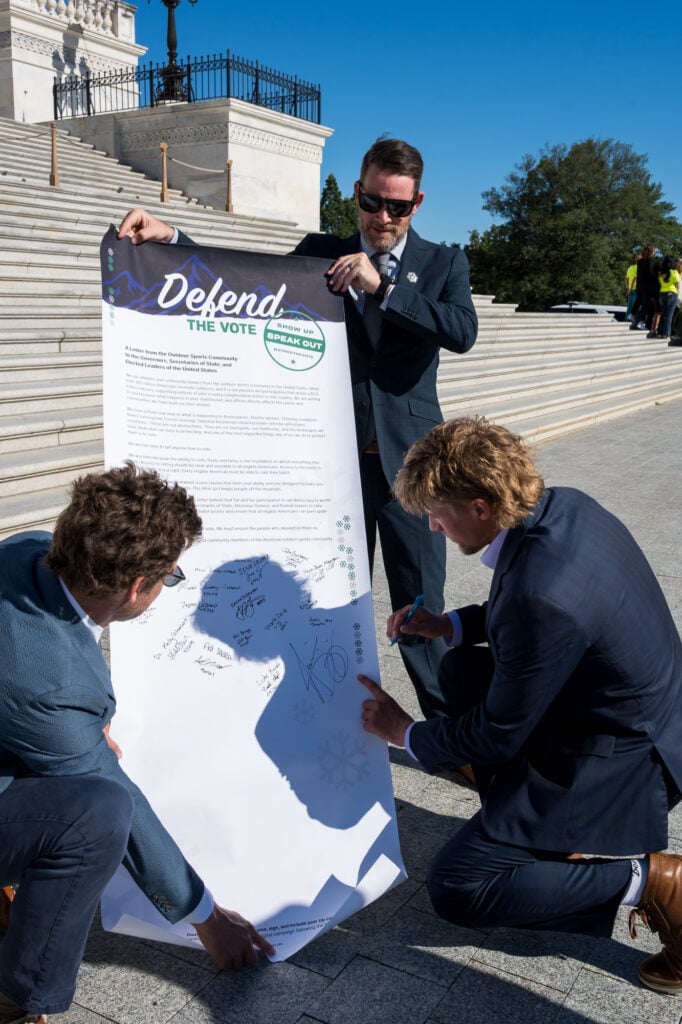
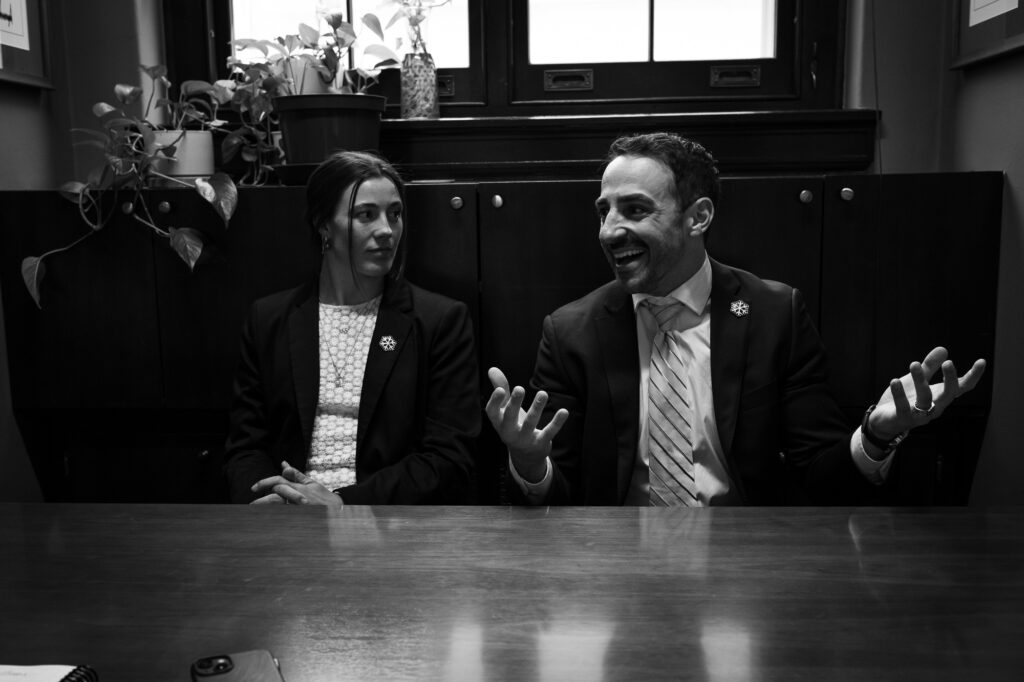
During the 38 meetings, which included 15 sessions with Republican offices and 23 with Democratic offices, the presence of Stu Nissenbaum provided a unique perspective. As a former EPA scientist, Nissenbaum offered firsthand accounts of how deregulation impacts the agency’s ability to monitor toxins and hold polluters accountable. The delegation presented data showing that when environmental protections are stripped away, the costs are often shifted to local communities in the form of increased healthcare expenditures and degraded local economies.
The advocates emphasized that clean air and water are not partisan commodities but the foundational requirements for both public health and the outdoor industry. They called on Congress to take concrete legislative steps to put science back at the center of federal decision-making processes. This includes supporting robust funding for environmental monitoring and ensuring that federal agencies are staffed by experts rather than political appointees with ties to regulated industries.
Defending the Arctic and Public Landscapes from Extraction
The second major focus of the advocacy trip was the preservation of public lands, specifically targeting recent moves to expand oil and gas leasing in sensitive ecosystems. The delegation highlighted the recent Department of the Interior lease sale in the National Petroleum Reserve-Alaska (NPR-A), which resulted in 187 leases covering approximately 1.3 million acres. They also raised alarms regarding the Coastal Plain of the Arctic National Wildlife Refuge (ANWR), where lease bids were opened in early June.
POW’s message was unequivocal: public lands should not be sacrificed for short-term industrial gains. The delegation urged lawmakers to support the Arctic Refuge Protection Act, a piece of legislation designed to provide long-term protection against industrialization in one of the world’s last truly wild landscapes.
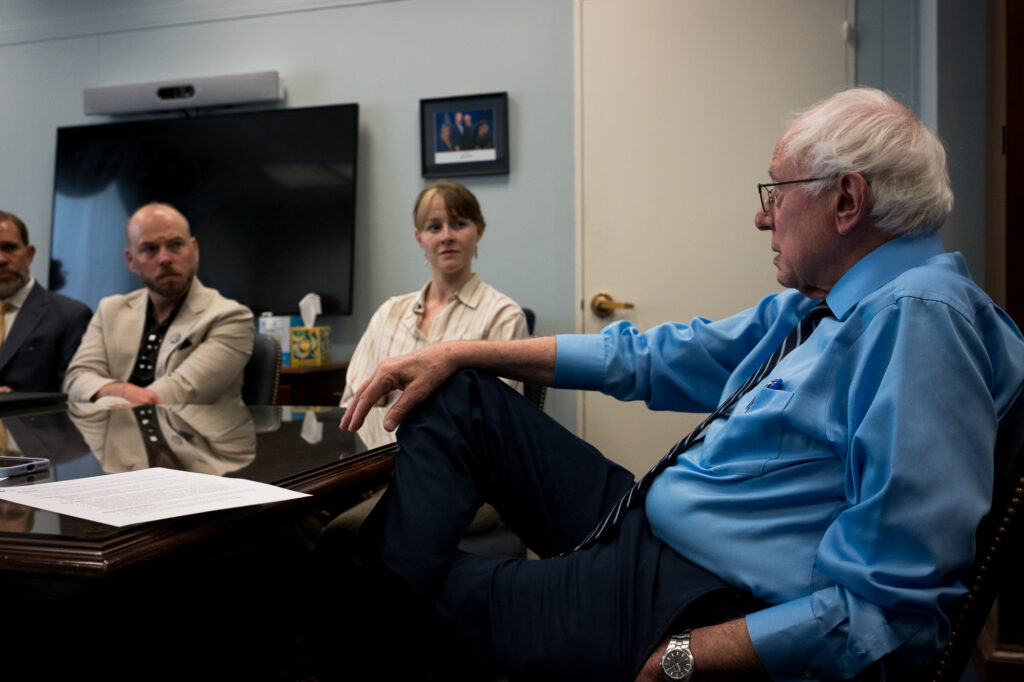
Gus Schumacher, a POW Ski Alliance member and Olympian, noted that while political parties may differ on the methods of governance, the preservation of key habitats remains a common interest among the American public. "Protecting our water, air, and key habitats are non-partisan issues," Schumacher stated. He emphasized that the solutions to protect the natural world already exist and that the primary hurdle remains the political will to implement them.
The Economic Impact of the Outdoor State
To bolster their arguments, the delegation presented economic data illustrating the significance of the outdoor recreation sector. According to the U.S. Bureau of Economic Analysis (BEA), the outdoor recreation economy accounts for approximately 2.2% of the total U.S. Gross Domestic Product (GDP). This sector generates over $1.1 trillion in economic output and supports nearly 5 million jobs across the country.
In states with significant winter sports industries, such as Colorado, Utah, Vermont, and California, the impacts of climate change—including reduced snowpacks and shorter winters—pose a direct threat to state tax revenues and rural livelihoods. The athletes shared personal accounts of how warming winters have already begun to disrupt training schedules and competition venues, providing a human face to the abstract data of climate modeling.
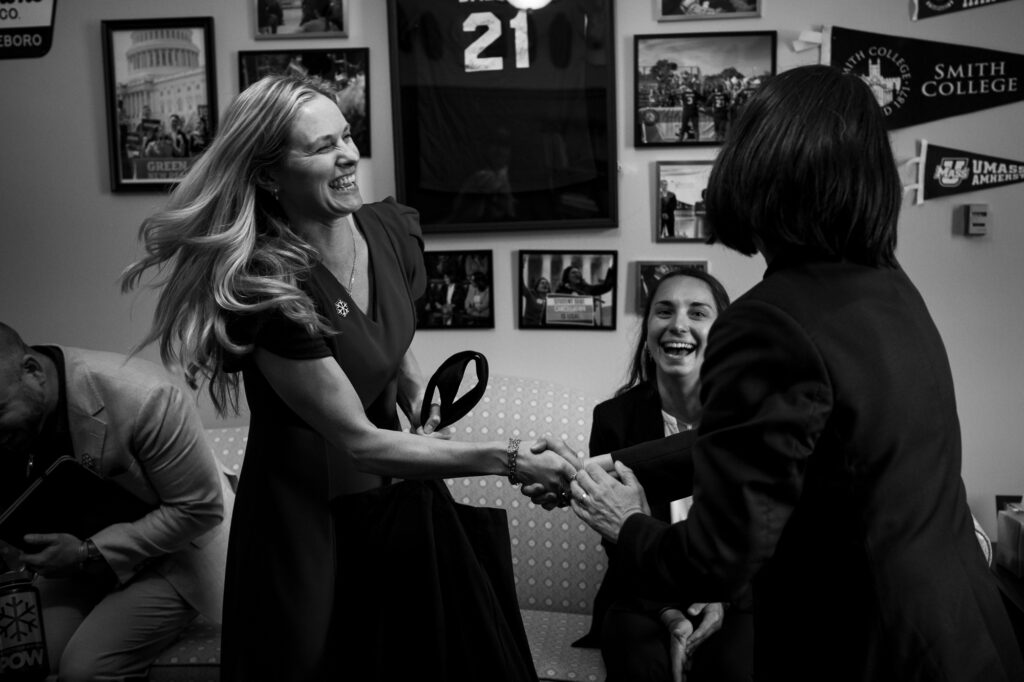
Lawmakers were particularly receptive to the "Outdoor State" messaging, which frames environmental protection through the lens of economic stability and heritage. By positioning public lands as tools to combat climate-driven crises like catastrophic wildfires and prolonged droughts, the delegation was able to find common ground with offices that are not traditionally aligned with environmental advocacy groups.
Strategic Engagement Across the Aisle
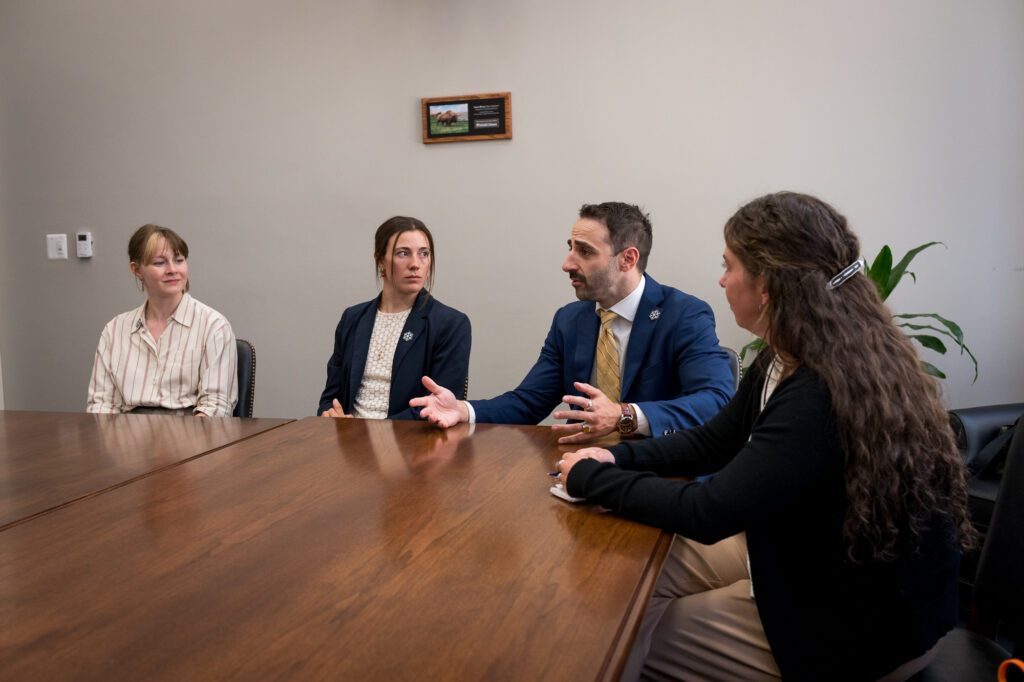
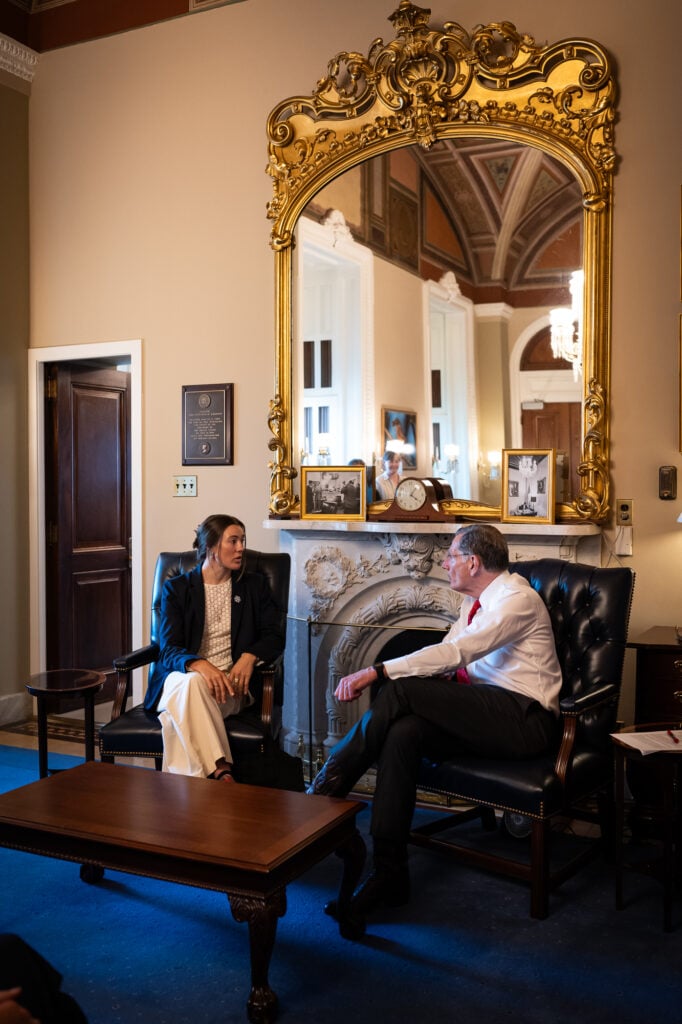
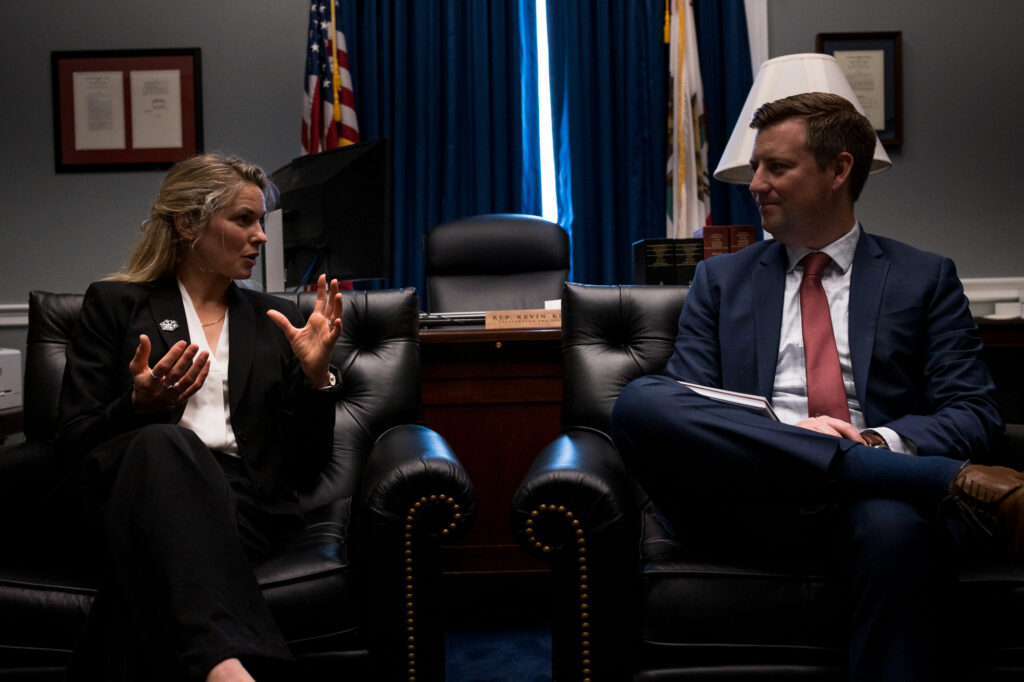
The delegation’s strategy of meeting with a balanced mix of Republican and Democratic representatives was intentional. By engaging with the House Natural Resources Committee and various congressional staffers, POW sought to build long-term relationships rather than merely engage in transactional lobbying.
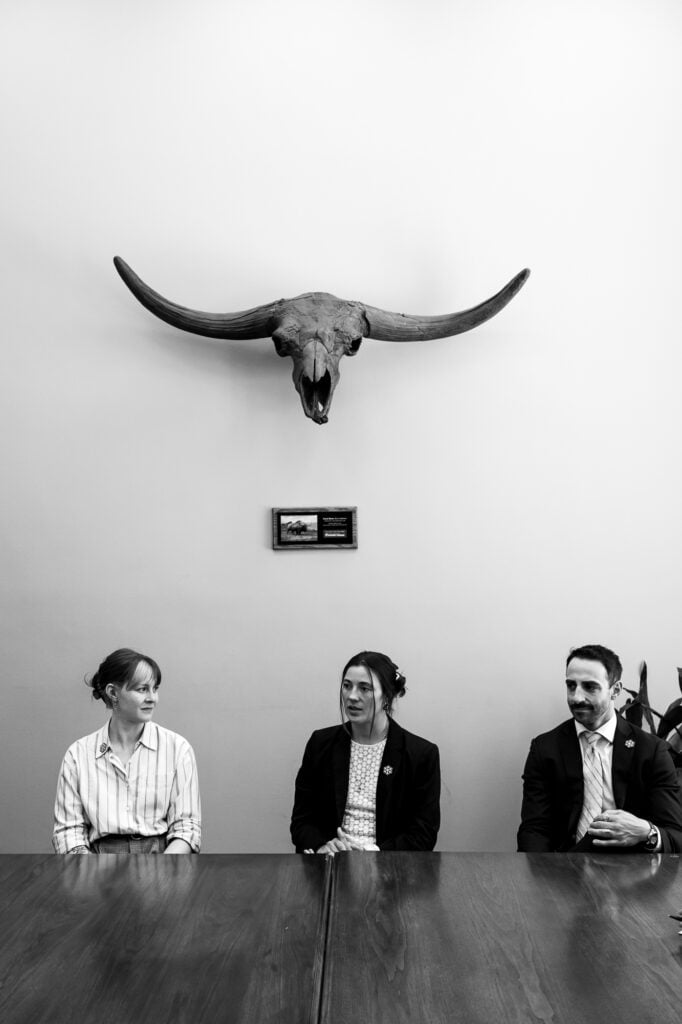
Max Lowe, a member of the POW Creative Alliance, observed that the complexity of the federal government often leads to a sense of frustration among the public. However, he noted that the "slow way" of legislative change is often the most durable. "Our government is complex and nuanced… it is formed by people trying their best to represent those who elected them," Lowe remarked. He suggested that while the pace of change can be agonizingly slow, the consistent presence of credible messengers like athletes and scientists is essential for shaping the long-term trajectory of national policy.
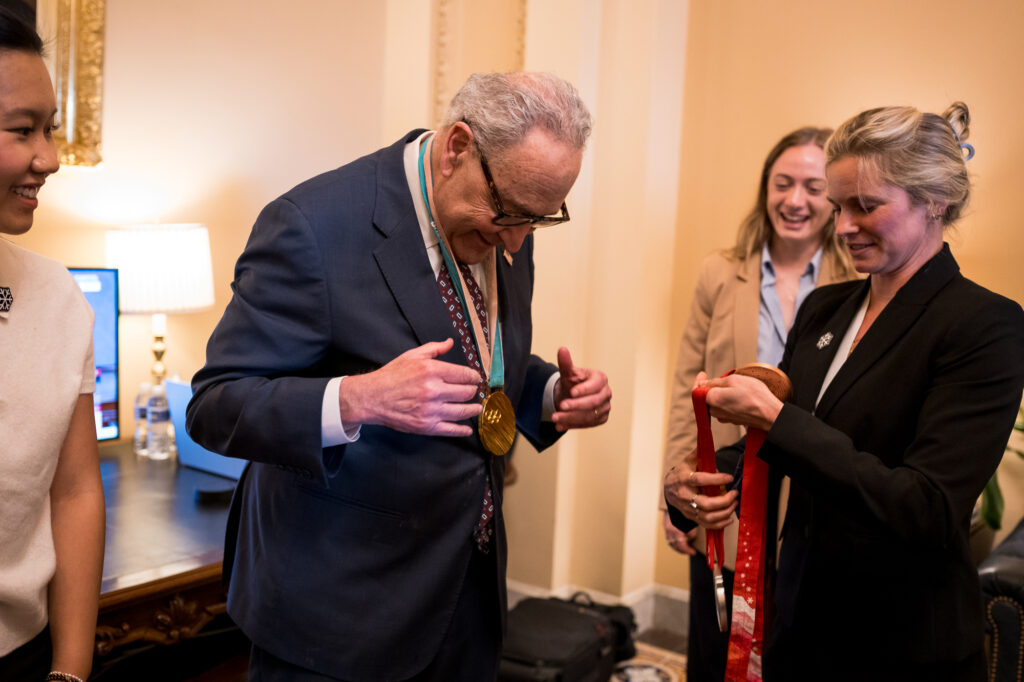
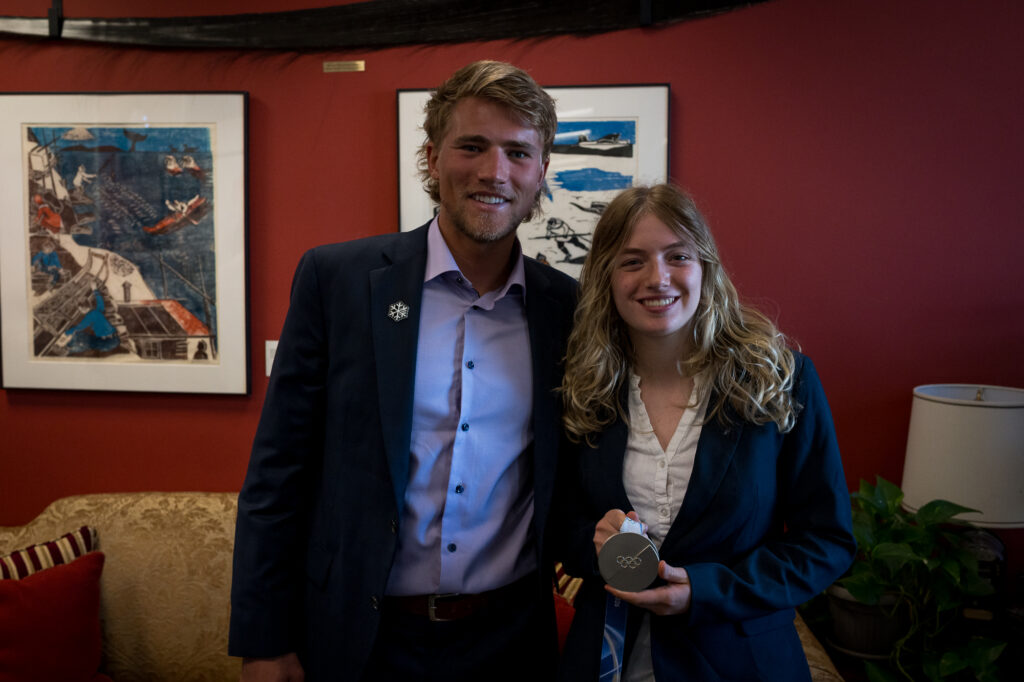
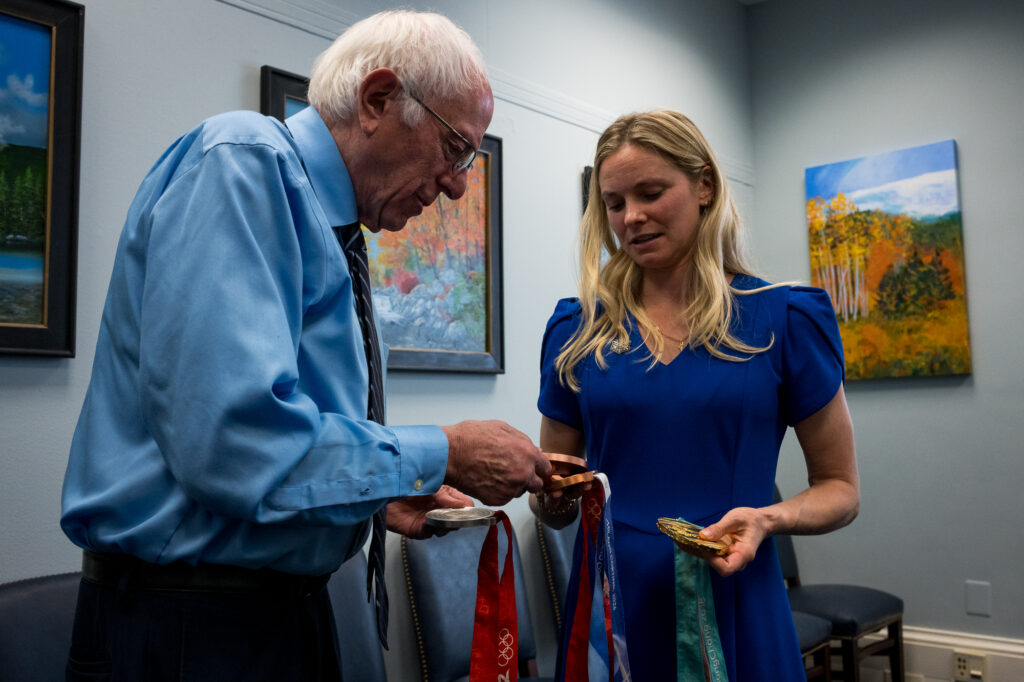
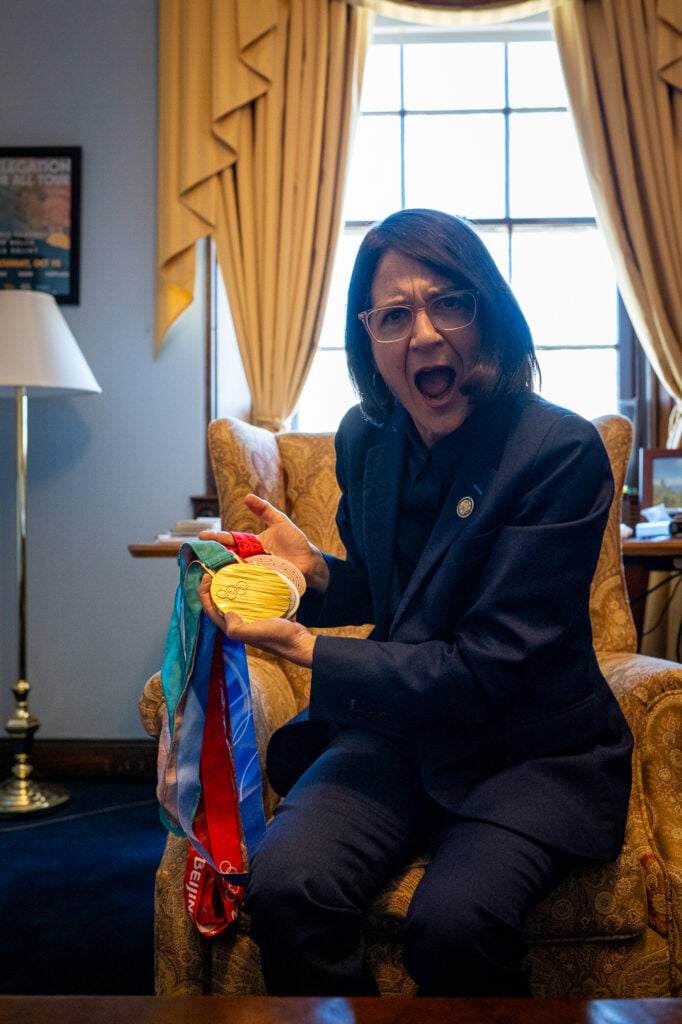
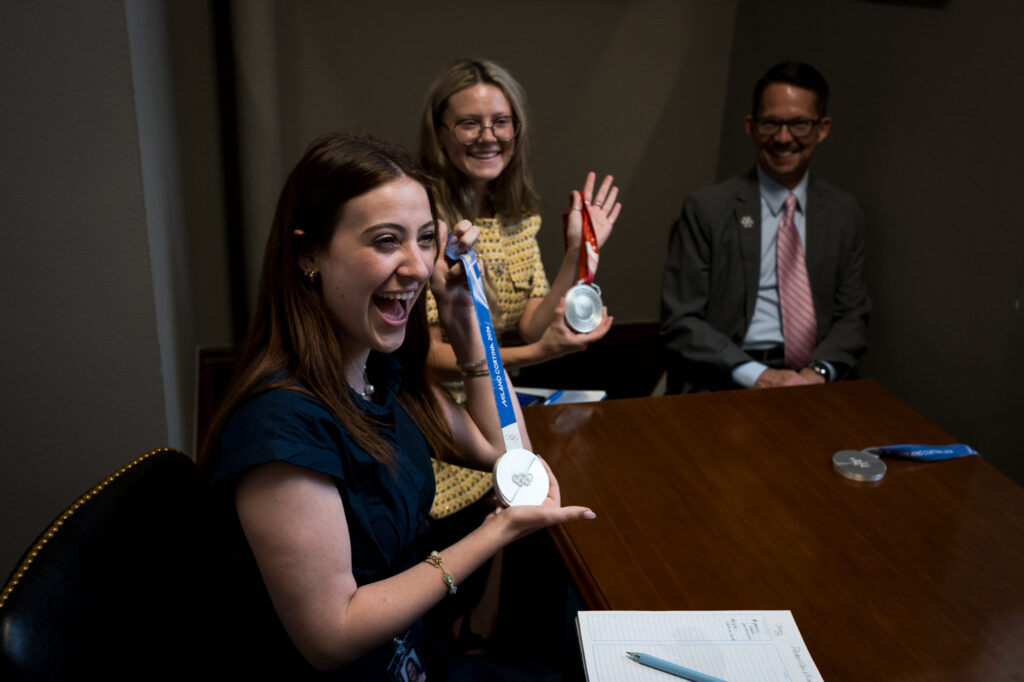
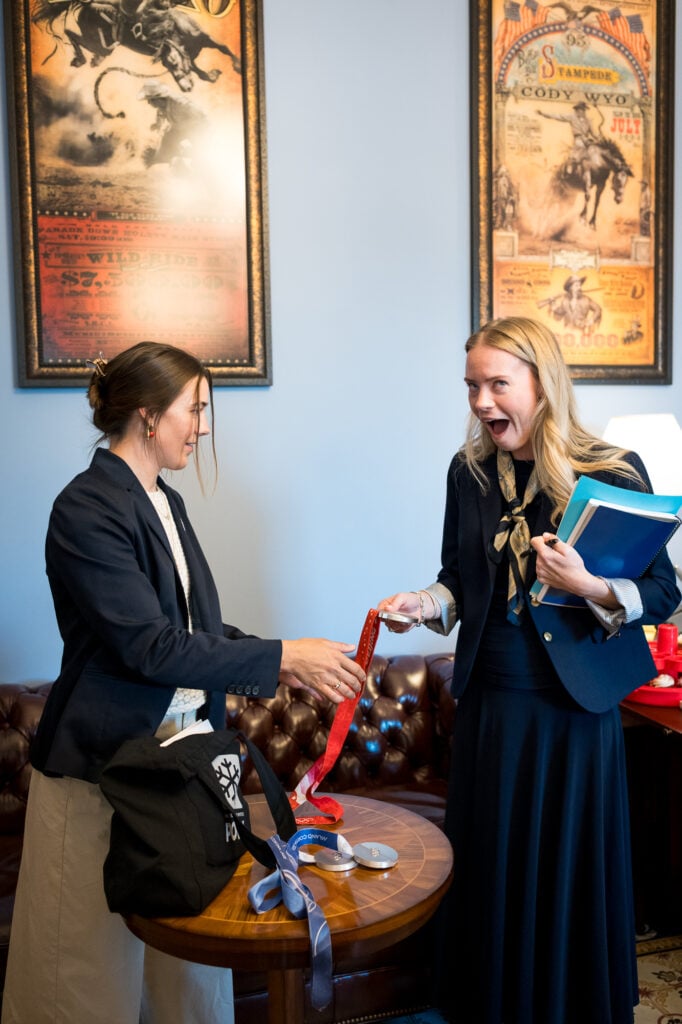
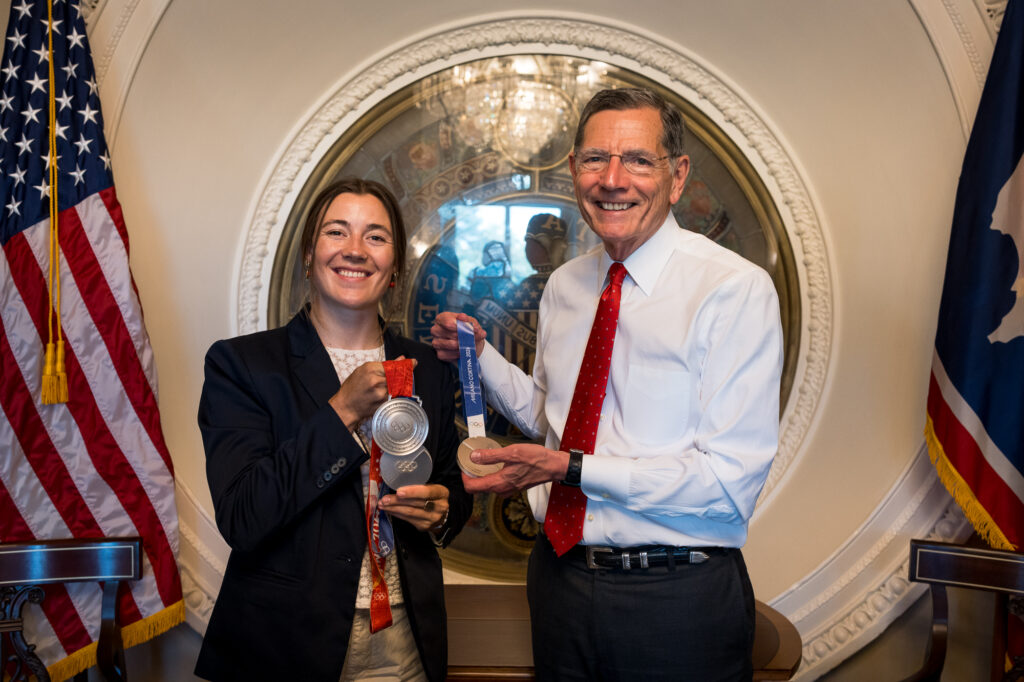
The sight of Olympic medals in congressional offices served as a powerful icebreaker, but the substance of the conversations remained focused on policy. Legislators were presented with evidence of how climate change is not a distant threat but a current reality affecting the constituents who depend on the outdoor economy—ranging from mountain guides and outfitters to small business owners in "gateway towns" adjacent to national parks.
Analysis of Implications and Future Outlook
The recent visit by Protect Our Winters signals a maturing of the outdoor advocacy movement. No longer limited to grassroots protests, groups like POW are now operating with a high degree of sophistication in the halls of power, utilizing a mix of celebrity influence, scientific expertise, and economic data.
The broader implications of this advocacy are significant. As the 2026 legislative session progresses, the focus will likely shift toward the reauthorization of key environmental statutes and the potential for bipartisan land conservation bills. The success of the delegation in opening doors with Republican offices suggests that there is a growing realization that the "Outdoor State" is a formidable and politically diverse constituency.
However, the challenges remain substantial. The aggressive expansion of fossil fuel leasing and the ongoing efforts to curtail the EPA’s regulatory reach represent a formidable counter-current. The Arctic Refuge Protection Act faces a steep climb in a divided Congress, and the restoration of scientific oversight within federal agencies will require sustained pressure over multiple budget cycles.
Despite these hurdles, the delegation left Washington with a sense of cautious optimism. The ability to bridge party lines through the shared value of public lands provides a roadmap for future climate advocacy. By emphasizing the tangible benefits of clean air, clean water, and preserved landscapes, the members of Protect Our Winters have demonstrated that environmental stewardship is fundamentally linked to the American identity and economic prosperity.
The engagement of high-profile athletes like Jessie Diggins and Gus Schumacher ensures that these issues remain in the public consciousness, while the expertise of scientists like Stu Nissenbaum ensures that the policy demands remain grounded in empirical reality. As the climate continues to change, the "Outdoor State" appears increasingly prepared to show up, speak out, and demand that the rules protecting the planet are no longer eliminated behind closed doors.
