

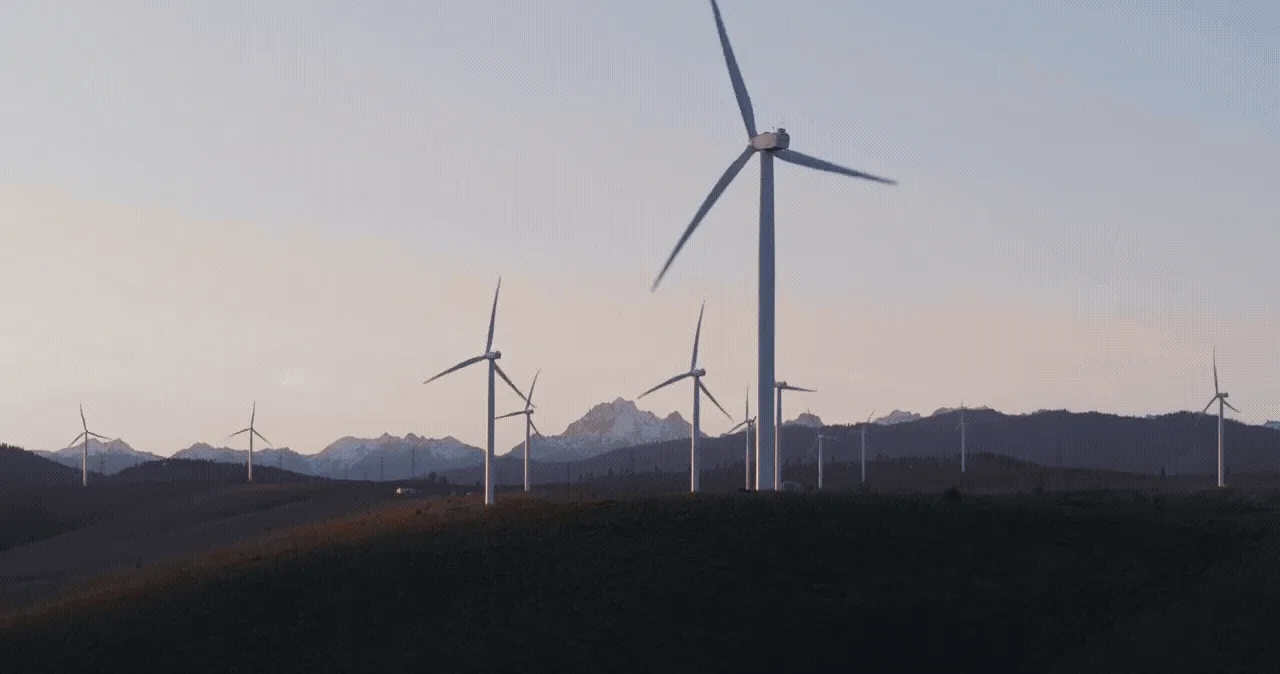
The global transition toward renewable energy has reached a critical inflection point, characterized by record-breaking investments in solar, wind, and electric vehicle infrastructure. However, as the deployment of clean energy technologies scales up, it has been met with an increasingly sophisticated and coordinated campaign of disinformation. This phenomenon, often funded by legacy fossil fuel interests, seeks to undermine public confidence in the reliability, safety, and economic viability of the energy transition. By analyzing the mechanisms of these campaigns, the historical context of energy lobbying, and the empirical data surrounding renewable technologies, a clearer picture emerges of the challenges facing the shift toward a low-carbon economy.
The Systematic Distinction Between Misinformation and Disinformation
In the contemporary media landscape, the distinction between misinformation and disinformation is fundamental to understanding the obstacles to climate progress. Misinformation refers to the inadvertent sharing of false or misleading information. A typical example involves community members expressing concerns about offshore wind farms based on unverified social media posts regarding avian mortality or property value depreciation. These individuals are often acting on perceived threats without a direct intent to deceive.
Conversely, disinformation is the intentional creation and dissemination of false narratives designed to achieve a specific strategic goal. In the context of the energy sector, disinformation is frequently deployed to protect the market share of coal, oil, and natural gas. These campaigns often utilize "astroturfing"—the practice of creating fake grassroots movements—to give the appearance of widespread local opposition to renewable projects. By seeding these narratives into the public discourse, bad actors can trigger a cascade of misinformation, leading to policy delays and heightened social polarization.
A Chronology of Strategic Climate Obstruction
The current wave of disinformation is not a new development but the latest phase in a strategy that has spanned over five decades. To understand the present landscape, one must examine the timeline of industry-led climate narratives:
- 1970s–1980s: The Era of Internal Awareness. Internal documents from major oil corporations, such as ExxonMobil, reveal that their own scientists had accurately predicted global warming trends as early as 1977. Despite this internal consensus, the industry publicly emphasized scientific uncertainty.
- 1990s: The Rise of Organized Denial. Following the establishment of the Intergovernmental Panel on Climate Change (IPCC) in 1988, industry-funded groups like the Global Climate Coalition (GCC) were formed. Their primary objective was to lobby against international climate agreements, such as the Kyoto Protocol, by casting doubt on the link between fossil fuel combustion and rising global temperatures.
- 2000s: Shifting the Burden to the Individual. As scientific evidence became undeniable, the narrative shifted from outright denial to "individual responsibility." This era saw the introduction of the "carbon footprint" concept, popularized by BP, which effectively redirected the focus from systemic industrial emissions to personal consumer choices.
- 2010s–Present: The "Greenwashing" and Reliability Myths. The current phase involves a dual strategy. Companies publicly pledge support for "Net Zero" goals while simultaneously expanding oil and gas production. Concurrently, disinformation campaigns focus on the alleged unreliability of renewables, the environmental impact of battery mining, and the aesthetic or ecological "dangers" of wind and solar farms.
Empirical Data and Lifecycle Analyses of Clean Energy
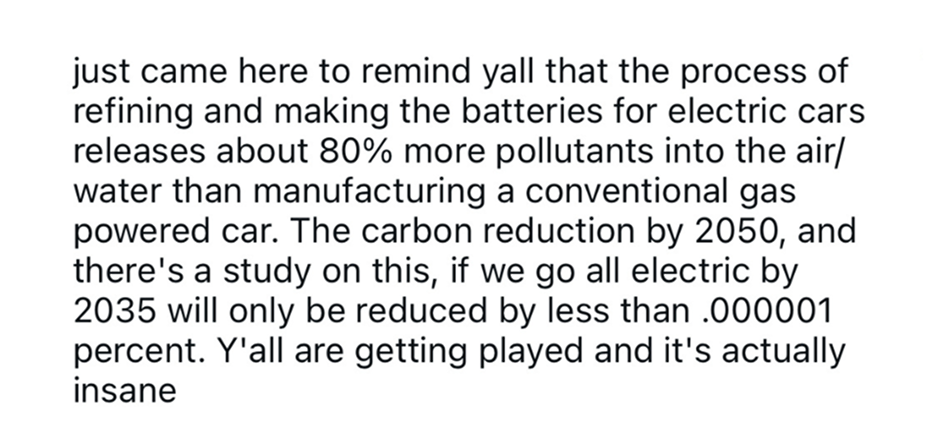
To counter the prevailing narratives of disinformation, researchers and international organizations have provided extensive data-driven evidence regarding the efficacy and impact of clean energy. One of the most persistent claims is that the production of electric vehicles (EVs) is more environmentally damaging than the production of internal combustion engine (ICE) vehicles due to mineral extraction.
According to a comprehensive study by the Massachusetts Institute of Technology (MIT) Energy Initiative, the lifecycle emissions of a fully battery-electric vehicle are significantly lower than its gasoline counterparts. The research found that, on average, gasoline cars emit more than 350 grams of CO2 per mile driven over their entire lifetime. In contrast, fully battery-electric vehicles generate approximately 200 grams per mile. While mineral mining for lithium, cobalt, and nickel does carry environmental costs, these are far outweighed by the operational savings in carbon emissions over the vehicle’s lifespan.
Furthermore, the International Energy Agency (IEA) reports that solar and wind are now the cheapest sources of new electricity generation in a majority of the world’s countries. In 2023, global renewable capacity additions increased by 50%, reaching almost 510 gigawatts. This growth is driven by economic reality rather than just policy mandates, as the levelized cost of energy (LCOE) for renewables continues to plummet compared to fossil fuel alternatives.
Addressing Ecological and Aesthetic Concerns
The deployment of large-scale energy infrastructure inevitably involves trade-offs. Disinformation campaigns often leverage these trade-offs to frame renewables as uniquely destructive.
Avian Mortality and Offshore Wind
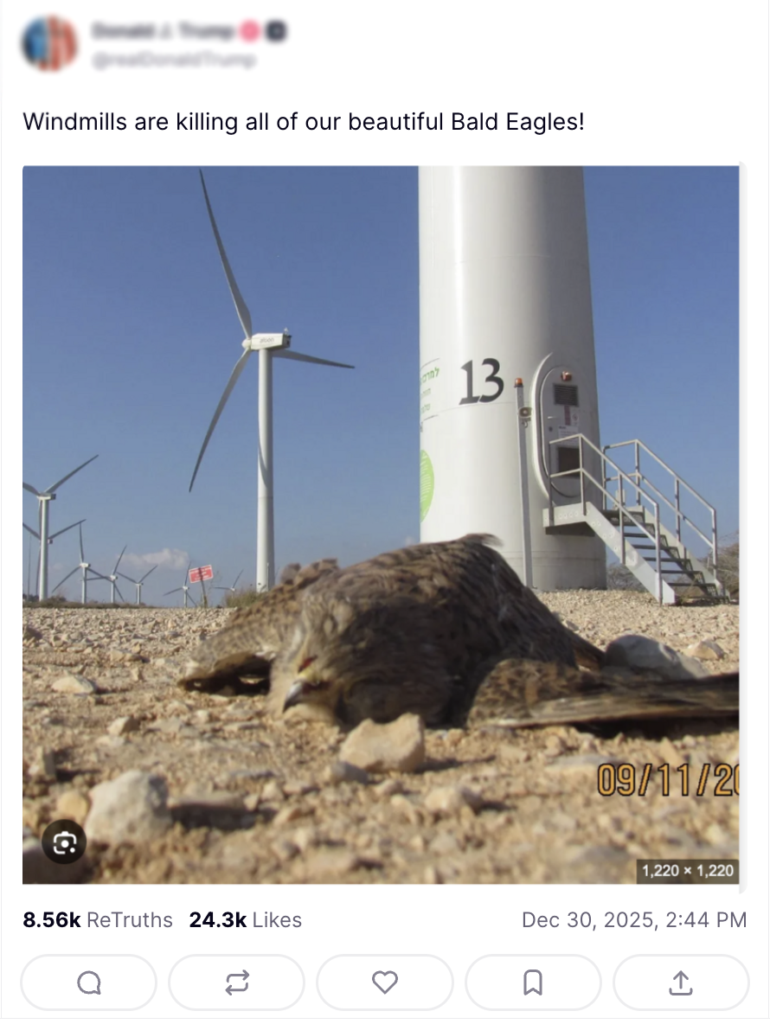
A common narrative suggests that wind turbines are a primary threat to bird populations. However, data from the American Bird Conservancy and other conservation organizations indicate that climate change itself, alongside habitat loss and conventional power plants, poses a far greater threat to avian species. Modern wind farm planning incorporates advanced siting techniques and radar technology to minimize impacts on migratory paths.
Aquatic Ecosystems and Infrastructure
The concern that offshore wind farms devastate marine life is frequently contrasted with the history of offshore oil drilling. While offshore wind requires seafloor cables and turbine foundations that can cause temporary disruption, these structures often function as artificial reefs once established, supporting biodiversity. This stands in stark contrast to the catastrophic risks associated with offshore oil spills and the ongoing acidification of oceans caused by CO2 absorption—a direct result of fossil fuel combustion.
Industrial Responses and the "Net Zero" Paradox
The response from the fossil fuel industry to the energy transition has been characterized by a significant gap between rhetoric and capital allocation. Many of the world’s largest energy companies have launched massive advertising campaigns branding themselves as leaders in the energy transition. However, financial reports tell a different story.
Analysis by organizations such as InfluenceMap suggests that the five largest publicly traded oil and gas companies spend hundreds of millions of dollars annually on climate-related branding while directing less than 10% of their capital expenditures toward low-carbon energy. This "Net Zero" paradox creates a false sense of security among the public and policymakers, suggesting that the industry is self-regulating its transition when, in reality, production of oil and gas is slated to increase in many regions through 2030.
Global Policy and the Economic Implications of Truth
The battle against climate disinformation has moved into the legislative arena. In the United States, the Inflation Reduction Act (IRA) represents the largest climate investment in history, providing long-term certainty for renewable energy developers. Similarly, the European Union’s Green Deal and "Fit for 55" package aim to decouple economic growth from resource use.
The economic implications of a successful transition are profound. The IEA’s "Net Zero by 2050" roadmap indicates that the transition could create 14 million jobs in clean energy by 2030, while another 16 million workers would move to new roles in related industries. Conversely, the cost of inaction—measured in climate-related disasters, health care costs from air pollution, and stranded fossil fuel assets—is estimated to be in the trillions of dollars.
Analytical Implications: The Path Toward Media Literacy
The persistence of climate disinformation highlights a broader need for media literacy and scientific communication. As the energy transition accelerates, the complexity of the grid—incorporating battery storage, green hydrogen, and decentralized solar—will provide more opportunities for bad actors to exploit public misunderstanding.

Fact-based analysis suggests that while the transition is not "perfect" or "impact-free," it is the only viable pathway to maintaining global ecological stability. The move from a fuel-intensive energy system (burning coal and oil) to a material-intensive system (building turbines and batteries) represents a fundamental shift in how humanity interacts with the planet. This shift allows for the circularity of resources—metals in batteries can be recycled, whereas burned oil is lost forever to the atmosphere.
Conclusion: Pillars of Progress in a Decarbonizing World
The transition to renewable energy is as much a social and informational challenge as it is a technical one. Identifying the sources of disinformation and understanding the logical fallacies used to "dirty" clean energy are essential steps for advocates, policymakers, and the general public. By relying on peer-reviewed data from institutions like MIT and the IEA, and by recognizing the historical patterns of industry-funded delay, society can move past the "perfection vs. progress" trap.
The objective of modern energy policy is to transition responsibly, minimizing the footprint of mineral extraction and infrastructure development while rapidly displacing the carbon-intensive systems that pose an existential threat to the global environment. In this context, transparency, voting with an informed perspective on energy economics, and supporting organizations dedicated to scientific integrity serve as the primary defenses against the coordinated campaigns of the past. The future of global energy is being built today, and its success depends on the public’s ability to distinguish between the noise of disinformation and the signal of scientific necessity.
