


The indefinite suspension of summer skiing operations on the Horstman Glacier at Whistler Blackcomb marks a definitive turning point for the global winter sports industry, signaling an end to a decades-long era of year-round alpine training in North America. For more than 30 years, the glacier served as a premier training ground for professional athletes and a summer destination for enthusiasts. However, the decision by resort management to halt operations permanently reflects a broader, more alarming environmental reality: the rapid retreat of the cryosphere is no longer a future projection but a present-day operational crisis. As winters shorten and snowpacks diminish, the industry is undergoing a forced evolution, led by veteran athletes like Mike Douglas and major manufacturers like Salomon, who are shifting their focus from pure performance to aggressive climate advocacy and sustainable manufacturing.
The End of a High-Altitude Era: A Chronology of Decline
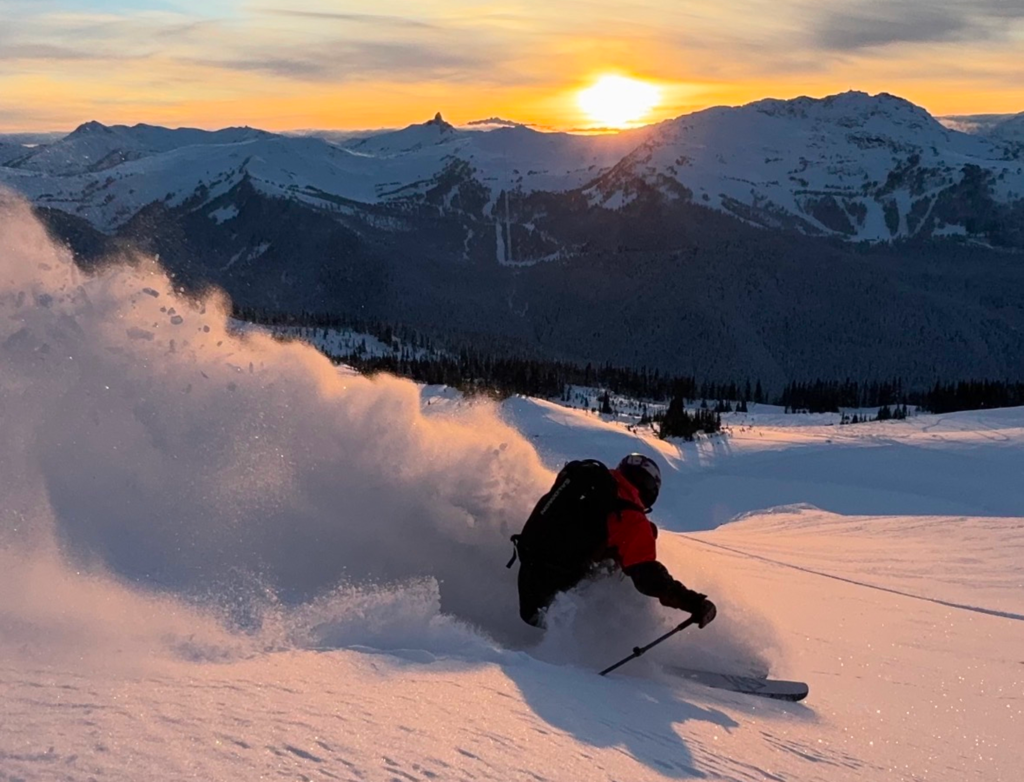
The Horstman Glacier, situated on Blackcomb Mountain in British Columbia, was once considered an invincible bastion of the Canadian Rockies. In the 1990s, it was the epicenter of the freestyle skiing revolution. It was here that Mike Douglas, often referred to as the "Godfather of Freeskiing," helped pioneer the movements that would eventually lead to the inclusion of slopestyle and halfpipe skiing in the Olympic Games. During this period, the glacier was thick enough to support multiple T-bar lifts and dozens of summer camps throughout June and July.
However, the timeline of the glacier’s decline has accelerated sharply over the last two decades. By the mid-2010s, Whistler Blackcomb began experiencing increasingly frequent mid-summer closures due to safety concerns regarding thinning ice and exposed rock. In 2020, the resort took the significant step of removing the Horstman T-bar, a piece of infrastructure that had been in place since 1987. The lift’s towers, which were anchored into the glacier itself, had become unstable as the ice beneath them melted. Following a series of heatwaves and record-low winter snowpacks, the resort officially announced last year that summer skiing would be suspended indefinitely. This decision was not merely a seasonal adjustment but a recognition that the geological feature required for the activity was effectively disappearing.
The Scientific Reality of Glacial Retreat in Western Canada
The loss of summer skiing on the Horstman Glacier is consistent with broader scientific data regarding the health of glaciers in Western Canada. According to a study published by researchers at the University of Northern British Columbia, glaciers in Western Canada are projected to lose 70% of their volume by the year 2100 if current greenhouse gas emission trends continue. The Horstman Glacier is particularly vulnerable due to its relatively low elevation compared to interior continental glaciers.
Data from the Intergovernmental Panel on Climate Change (IPCC) indicates that high-altitude environments are warming at a rate significantly faster than the global average. This "elevation-dependent warming" leads to a feedback loop where less winter snow accumulates to insulate the ice, and higher summer temperatures accelerate the melting of the "firn"—the intermediate stage between snow and glacial ice. When the firn layer is lost, the ancient blue ice underneath is exposed to direct sunlight, leading to rapid ablation. For the outdoor industry, this data represents a direct threat to the "snow-reliability" of resorts, which is the primary metric for economic viability in mountain tourism.
Corporate Response: Salomon’s Shift Toward Responsible Manufacturing
As the physical landscape of the sport changes, the manufacturing sector of the ski industry is facing intense pressure to reduce its environmental footprint. Salomon, a global leader in winter sports equipment, has recognized that its survival is inextricably linked to the preservation of the winter season. Under its "Play-Minded" sustainability program, the company has committed to a series of rigorous benchmarks aimed at transforming how ski equipment is produced, shipped, and recycled.
A key component of this strategy is the move toward a circular economy. Traditionally, skis and boots have been notoriously difficult to recycle due to the complex bonding of plastics, metals, and resins. Salomon’s research and development teams in Annecy, France, are now prioritizing "mono-material" construction, which allows products to be disassembled and repurposed at the end of their lifecycle. For example, the brand’s development of the Index.01 running shoe and similar initiatives in ski boot liners demonstrate a shift toward materials that do not contribute to long-term landfill waste.
Furthermore, Salomon has set a target to reduce its overall carbon footprint by 30% by 2030. This involves a comprehensive audit of its supply chain, which includes moving toward 100% renewable energy in its primary manufacturing facilities and optimizing logistics to reduce the carbon intensity of global shipping. For athletes like Mike Douglas, who serves as a Salomon ambassador, these corporate shifts are essential. Douglas notes that while individual actions matter, the scale of change required can only be achieved through corporate-level adjustments to production and distribution.
The Athlete as a Climate Advocate: The Role of Protect Our Winters (POW)
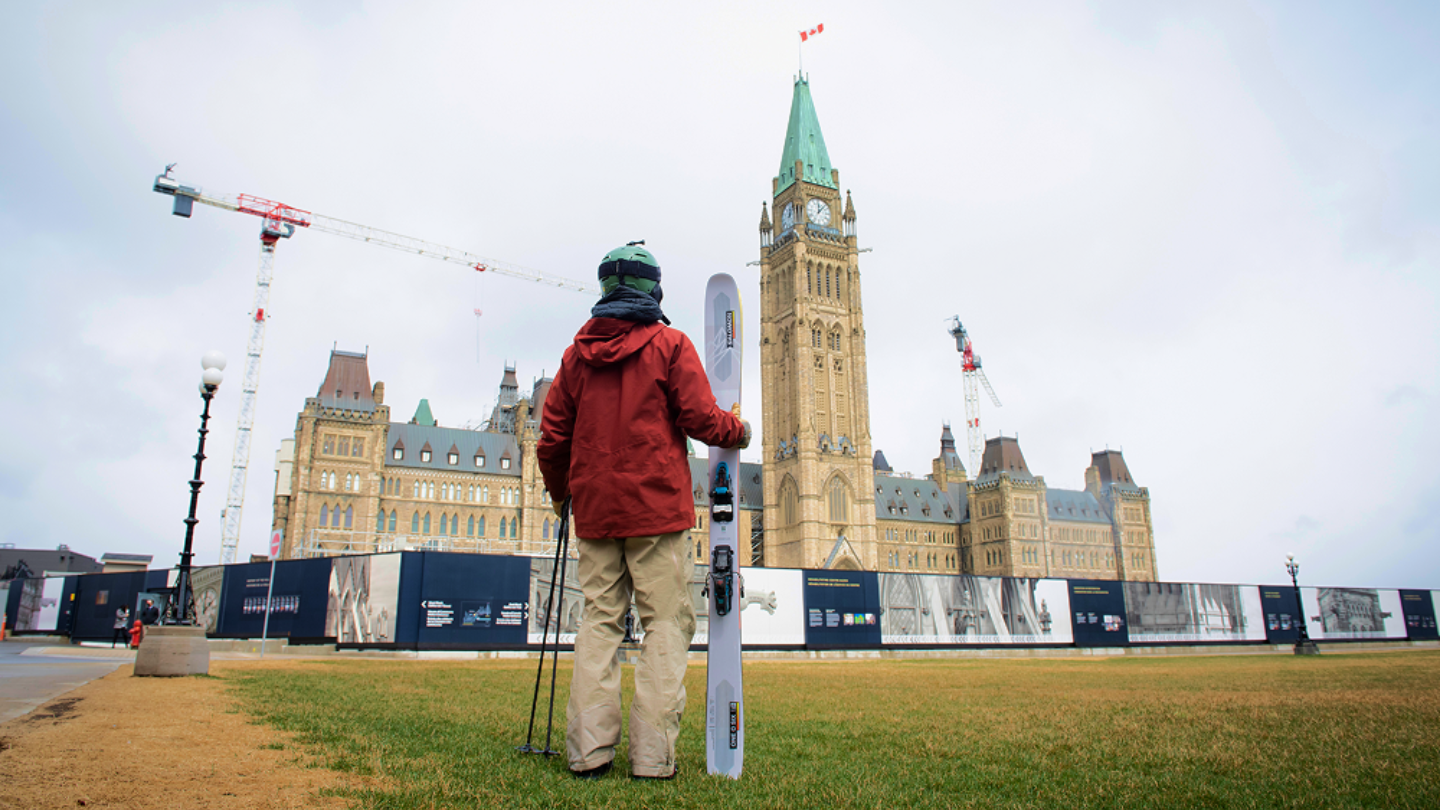
The transition from athlete to advocate is a growing trend within the outdoor community, fueled by the realization that professional sports platforms offer a unique opportunity to influence public policy. Mike Douglas has been at the forefront of this movement as a long-standing member of the Protect Our Winters (POW) Canada Alliance. POW, founded by professional snowboarder Jeremy Jones in 2007, has evolved into a sophisticated political advocacy group that mobilizes the "Outdoor State"—the millions of people who identify as outdoor enthusiasts—to demand systemic climate action.
The partnership between Salomon and POW represents a synergy of corporate resources and grassroots influence. Salomon provides the funding and platform for films and educational tours, such as the Quality Ski Time (QST) tour, which blends high-level ski performance with climate messaging. These initiatives are designed to move the conversation beyond "awareness" and into the realm of tangible political engagement.
Athletes are increasingly being trained as climate communicators, moving from the slopes to the halls of government. By leveraging their status as witnesses to the changing environment, they provide a human face to abstract scientific data. When an athlete like Douglas speaks about the disappearance of the Horstman Glacier, it resonates differently with the public than a technical report. It transforms a global climate statistic into a local, cultural loss.
Economic and Cultural Implications for the Outdoor Industry
The implications of a shrinking winter extend far beyond the loss of a summer training site. The winter sports industry is a multi-billion-dollar global economy that supports thousands of mountain communities. In British Columbia alone, the ski industry is a major driver of provincial tourism revenue. The loss of summer operations at Whistler Blackcomb results in a direct loss of seasonal employment and tourism spending, but the long-term risk is the potential "shortening" of the core winter season.
If the "shoulder seasons" (late autumn and late spring) continue to warm, resorts will be forced to rely more heavily on energy-intensive snowmaking. However, snowmaking requires specific "wet-bulb" temperatures to be effective. As those temperature windows close, the operational costs for resorts will skyrocket, potentially making skiing an even more exclusive and expensive activity. This creates a demographic challenge for the industry: if the sport becomes too expensive or the conditions too unreliable, the next generation of skiers may never materialize.
Furthermore, there is a profound cultural impact. The Horstman Glacier was a place where the "tribe" of winter sports gathered to share knowledge and push the boundaries of what was possible. Its closure represents a loss of heritage and a narrowing of the space where outdoor culture is fostered.

Analysis: The Path Forward and Industry Accountability
The current state of the Horstman Glacier serves as a "canary in the coal mine" for the rest of the outdoor industry. The era of passive environmentalism—where brands simply donated a portion of profits to "green" causes—is over. The new standard for industry leadership is defined by transparency, advocacy, and a willingness to overhaul traditional business models.
The collaboration between Salomon and POW highlights a model where brands take responsibility for their internal operations while simultaneously using their external influence to lobby for broader systemic change, such as carbon pricing and the transition to a clean energy grid. This dual approach acknowledges that while a company can make its factory carbon-neutral, it cannot "save" the winter without a global reduction in emissions.
The industry is also beginning to see a shift in consumer behavior. Modern outdoor enthusiasts are increasingly scrutinizing the sustainability credentials of the brands they support. This "voting with the wallet" is providing a market incentive for companies to accelerate their environmental goals. For Salomon, being a "friend of Mother Nature" is no longer just a marketing slogan; it is a prerequisite for brand loyalty in a socially conscious market.
Conclusion: A Closing Window for Action
The disappearance of summer skiing on the Horstman Glacier is a stark reminder that the environment is changing in real-time, often outpacing the industry’s efforts to adapt. The message from Mike Douglas and the collective voice of Protect Our Winters is clear: the window for meaningful action is closing. While the loss of the glacier is a tragedy for the skiing community, it is also a powerful catalyst for a movement that seeks to protect what remains.
The future of the winter sports industry depends on its ability to transition from a consumer-focused sector to a leadership-focused movement. By integrating climate advocacy into the core of their business strategies, brands like Salomon are attempting to ensure that future generations will still have "Quality Ski Time." However, as the rocks continue to emerge from the ice on Blackcomb Mountain, the urgency of this mission has never been more apparent. The industry must now move with the same speed and precision as the athletes it sponsors, or risk seeing its very foundation melt away.
