

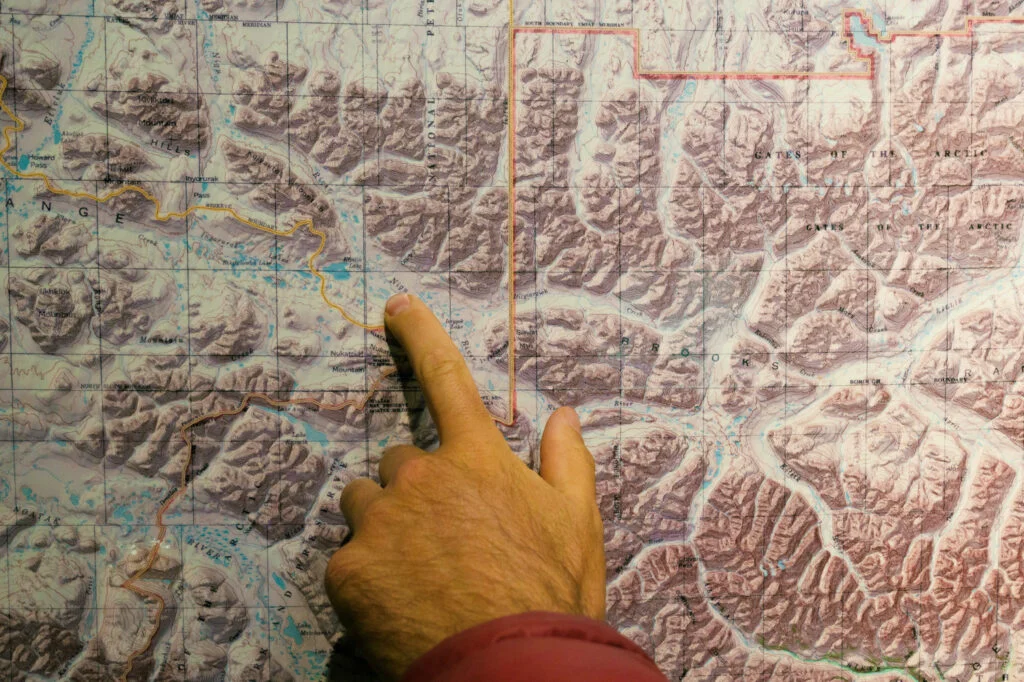
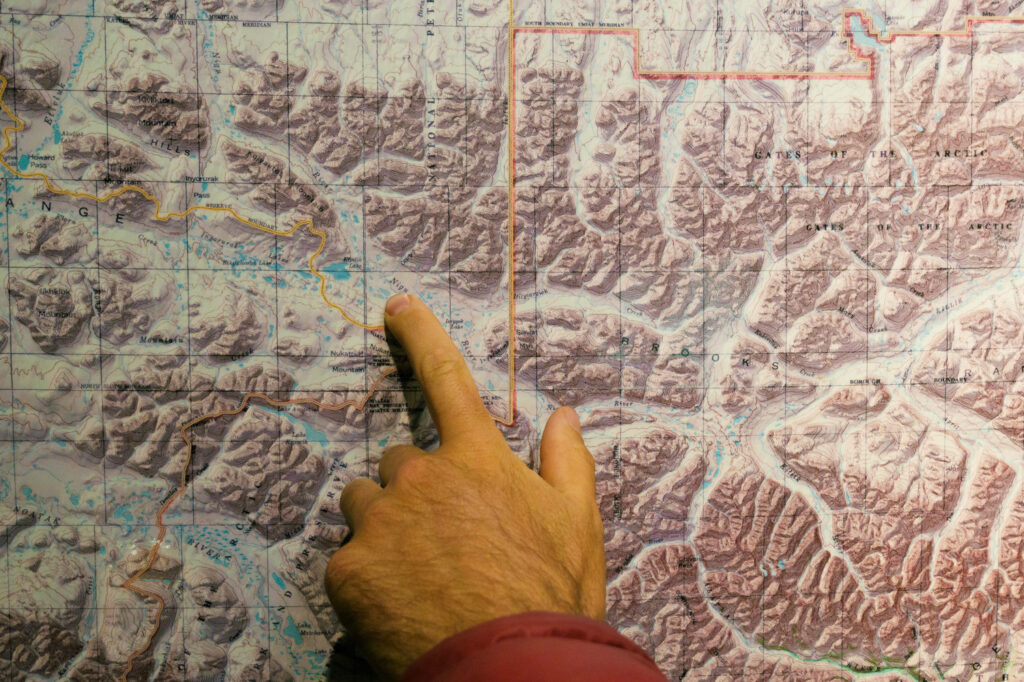
On March 18th, the federal government initiated the first of five planned lease sales in the Western Arctic of Alaska, a move that signals a significant expansion of energy extraction efforts in one of the world’s most sensitive ecosystems. This development marks a pivotal moment in the century-long history of the National Petroleum Reserve-Alaska (NPR-A), a 22.8-million-acre expanse that represents the largest single block of public land in the United States. The decision to move forward with these lease sales has reignited a complex debate involving national energy security, economic viability, and the preservation of an intact ecosystem that is currently warming at a rate three to five times faster than the global average.
The Century-Long Evolution of the NPR-A
The origin of the NPR-A dates back to 1923, when President Warren G. Harding signed an executive order establishing "Naval Petroleum Reserve No. 4." At the time, the United States Navy was transitioning its fleet from coal to oil, and early geological surveys had identified significant oil seeps along Alaska’s northern coast. During this era, Alaska was viewed primarily as a resource colony, and the withdrawal of this land from other uses was seen as a strategic necessity for national defense.
The administrative identity of the land shifted in 1976 when Congress passed the Naval Petroleum Reserves Production Act. This legislation transferred management from the Navy to the Department of the Interior, specifically the Bureau of Land Management (BLM). While the transfer gave the area a civilian title—the National Petroleum Reserve-Alaska—the core mandate remained focused on energy potential. The 1976 Act directed the Secretary of the Interior to conduct an "expeditious program of competitive leasing" for oil and gas, a directive that continues to serve as the legal foundation for modern development.
Historically, the NPR-A has been a site of both industrial ambition and political controversy. President Harding’s tenure was famously marred by the Teapot Dome scandal, which involved his Interior Secretary, Albert Bacon Fall, accepting bribes for oil leases in Wyoming’s Naval Petroleum Reserve No. 3. While the Alaskan reserve remained largely untouched for decades following its designation, the bureaucratic framework established in the early 20th century has become the "legal scaffolding" for 21st-century extraction.
Geographic and Ecological Significance
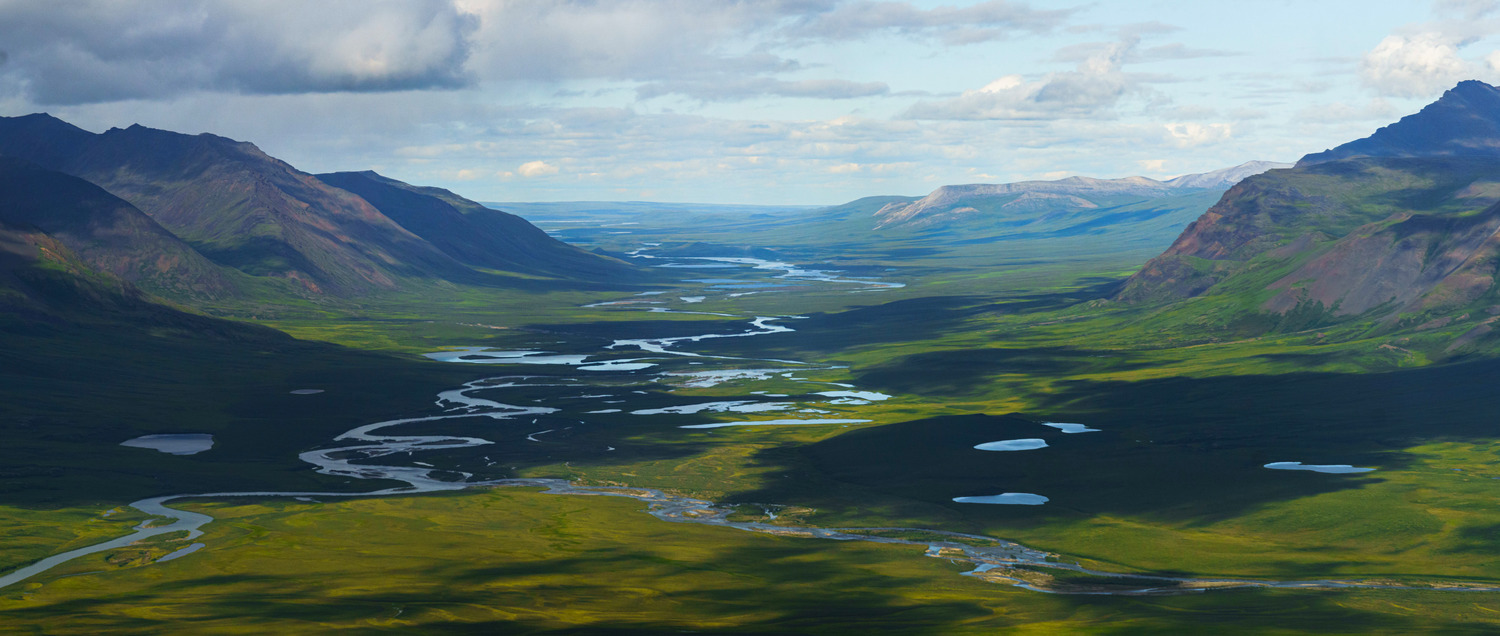
Spanning an area roughly the size of Indiana, the NPR-A is a landscape of immense ecological complexity. It is bordered by the Brooks Range to the south and the Arctic Ocean to the north, forming a critical segment of the last "whole" ecosystem in North America. Unlike the contiguous United States, where wilderness is often fragmented by roads, fences, and development, the Western Arctic remains largely untrammeled.
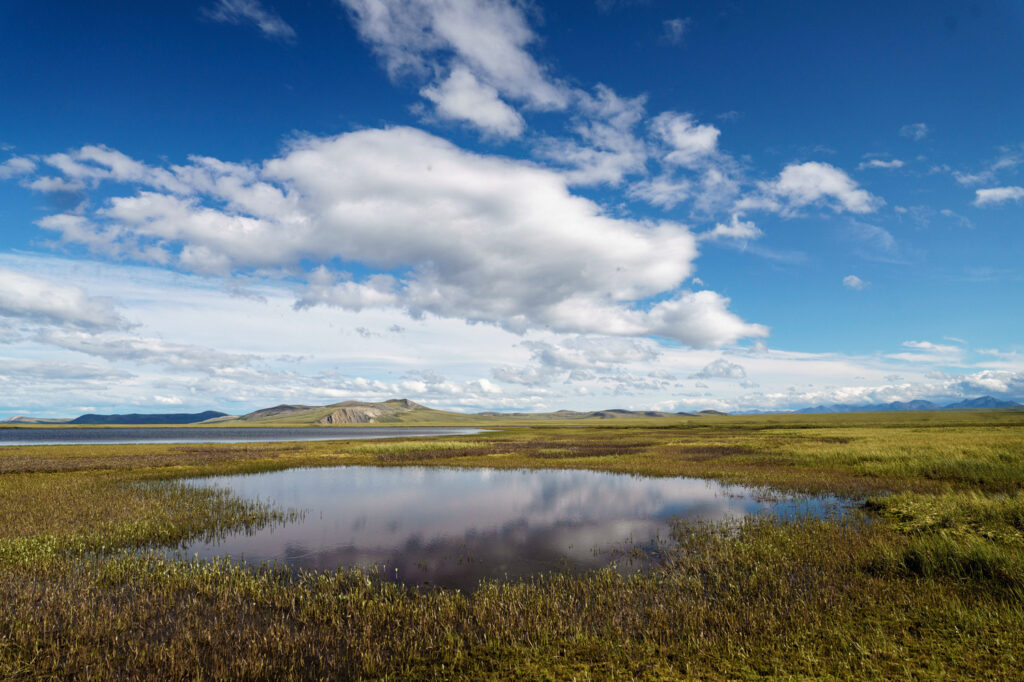
The centerpiece of this region is Teshekpuk Lake, the largest lake in Arctic Alaska. For decades, the wetlands surrounding the lake were shielded from development due to their status as a globally critical habitat. These wetlands serve as:
- A Migratory Hub: An estimated 5.4 million aquatic birds migrate to the NPR-A each season. These birds travel from six different continents, making the region a vital link in global biodiversity.
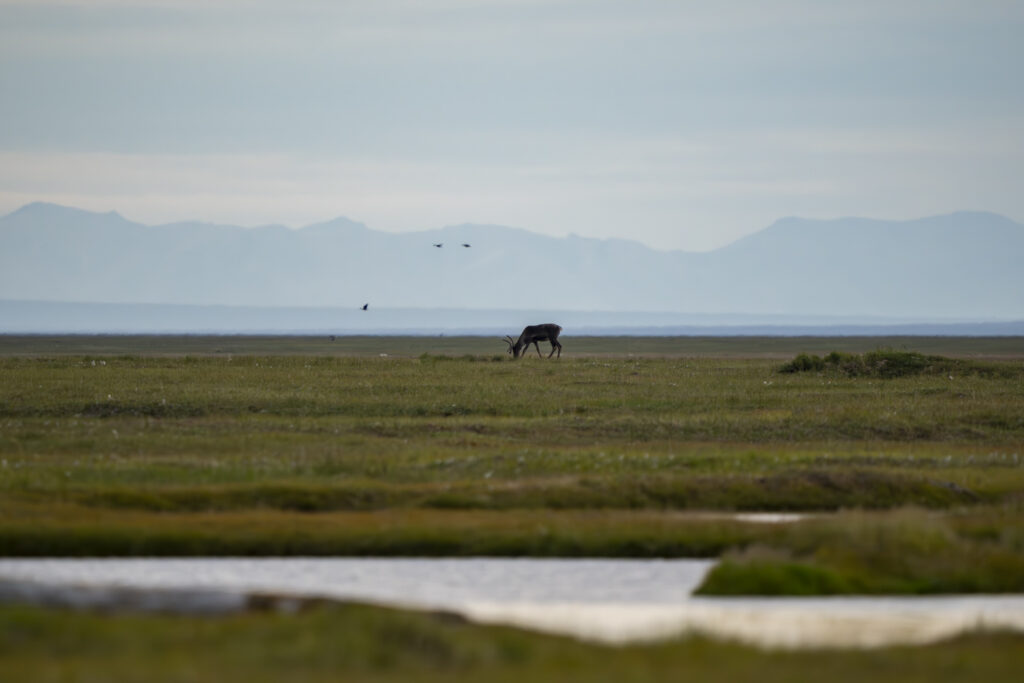
- Caribou Calving Grounds: The area is the primary calving ground for the Teshekpuk Lake caribou herd, which provides a vital subsistence resource for Indigenous communities in the North Slope.
- Molting Habitat: It is considered the single most important molting habitat in the Arctic for various species of migratory waterfowl.
The current federal mandate, which includes the leasing of more than 5.5 million acres in the Western Arctic, encompasses these sensitive areas. Critics of the expansion argue that the industrialization of these wetlands—through the construction of drill pads, pipelines, and access roads—will cause irreversible damage to the integrity of the ecosystem.
Economic Data and Resource Estimates
The push for development is driven by the significant hydrocarbon potential estimated by the U.S. Geological Survey (USGS). According to federal data, the Northern Alaska region may contain nearly half of all undiscovered recoverable oil on federal lands in the United States.
Key economic and resource figures include:
- Oil Reserves: The NPR-A is estimated to hold approximately 896 million barrels of technically recoverable conventional oil and 52.8 trillion cubic feet of natural gas.
- The Willow Project: Located within the NPR-A, the ConocoPhillips Willow project is moving into its development phase. It is estimated to produce roughly 600 million to 750 million barrels of oil over its 30-year lifespan.
- Historical Production: Since the late 1970s, the nearby Prudhoe Bay oilfield has yielded more than 13.5 billion barrels of oil, though production has seen a steady decline from its peak in the late 1980s.
Despite these figures, Arctic oil remains among the most expensive fossil fuels to extract globally. The harsh environment, remote location, and the need for specialized infrastructure mean that projects often require high market prices or significant public subsidies to remain financially viable. Financial analysts note that oil companies operating in this region must work on 30-year capital horizons, making their investments highly sensitive to long-term political and regulatory shifts.
A Convergence of Development Pressures
The March 18th lease sale does not exist in isolation. It is part of a broader "convergence" of industrial projects currently planned for Alaska’s North Slope. Observers point to several major initiatives that are being treated as separate regulatory hurdles but which, in reality, will function as an interconnected industrial network:
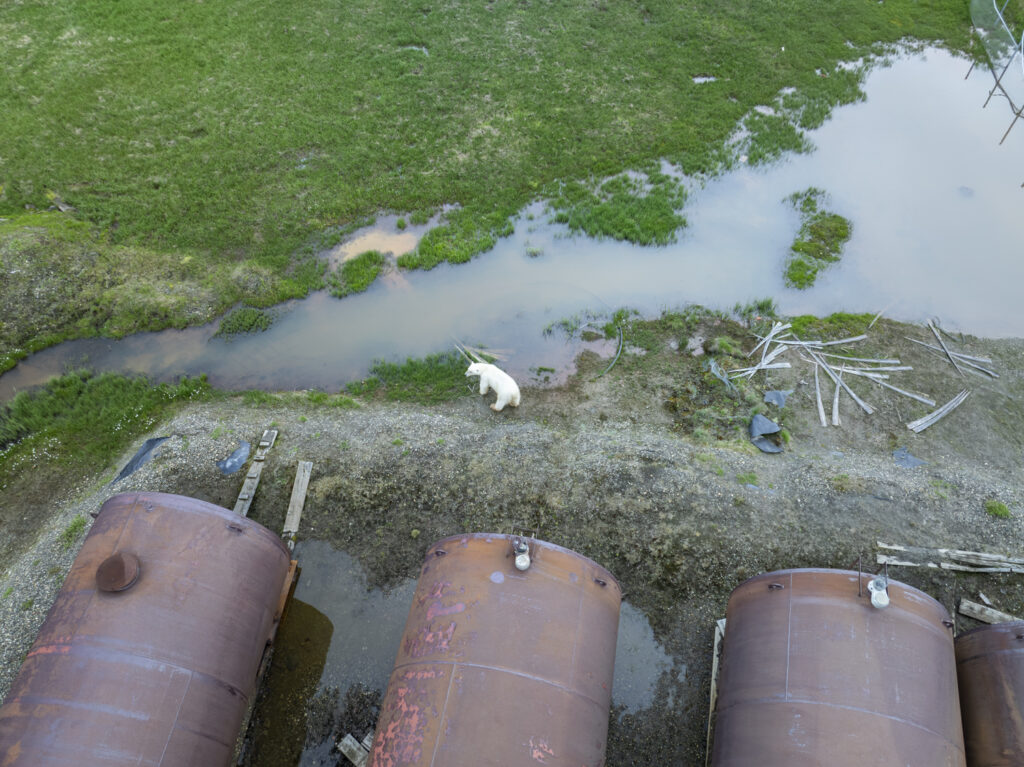
- The Ambler Road: A proposed 211-mile industrial access road that would cut through the Brooks Range to reach the Ambler Mining District, facilitating the extraction of copper and other minerals.
- ANWR Leasing: Parallel efforts to open the Coastal Plain of the Arctic National Wildlife Refuge to oil and gas exploration.
- State Land Sales: The State of Alaska’s ongoing efforts to sell public land along the Dalton Highway corridor to stimulate local economic growth amid an anemic state budget.
These projects represent a shift from the traditional "shadow" conservation model—where specific pockets of land are protected while the surrounding areas are industrialized—to a model of total landscape utilization.
Analysis of Implications and Future Outlook
The expansion of drilling in the NPR-A presents a profound challenge to federal climate goals. With the Arctic warming at an accelerated rate, the thawing of permafrost poses a structural risk to oil infrastructure and releases additional methane into the atmosphere. The "arithmetic of the tundra" suggests that the resilience of the ecosystem depends on its size and lack of fragmentation. As road segments and lease blocks are added, the migratory routes of caribou and the nesting grounds of birds are increasingly disrupted.
From a policy perspective, the five mandated lease sales are now codified in federal law, creating a legal momentum that is difficult to halt. However, the future of these developments remains tied to three critical factors:
- Social and Political Acceptability: Public opposition and the high cost of Arctic operations have led several major financial institutions to divest from Arctic oil projects.
- Regulatory Uncertainty: Shifts in federal administration lead to "policy whiplash," where lease sales are offered, suspended, and then reinstated. This uncertainty is factored into the "breakeven" cost for energy companies.
- Indigenous Sovereignty: Local North Slope communities are divided on the issue. Some see oil development as a necessary source of tax revenue for schools and infrastructure, while others view it as a direct threat to their traditional way of life and food security.
The name "National Petroleum Reserve" was a military calculation made in 1923, an era when the ecological value of the Arctic was entirely unrecognized. A century later, that name continues to dictate the legal reality of the land. As the federal government proceeds with its leasing program, the fundamental question remains whether a designation made for a coal-to-oil naval transition remains the appropriate framework for managing one of the world’s last intact wildernesses in an era of rapid climate change. The outcome of these lease sales will likely determine the ecological character of the American Arctic for the next century.
