

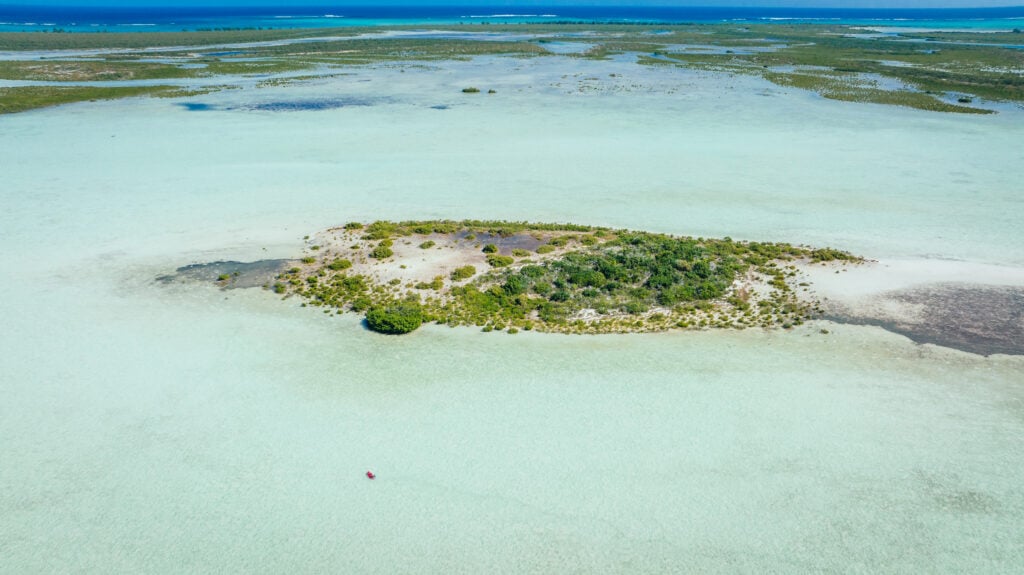
Deep in the central Pacific, near the isolated Palmyra Atoll—a sliver of land situated thousands of miles from the nearest mountain range—the sea surface temperature is currently recorded at approximately one degree Celsius above the historical average. While a single degree might seem negligible to a casual observer on a boat deck, it represents a massive shift in thermal energy capable of rerouting the global jet stream. This subtle temperature fluctuation serves as a primary indicator for winter weather patterns across the Northern Hemisphere, determining whether the Rocky Mountains will face a season of heavy snowfall or a prolonged drought. The mechanism is a fundamental law of thermodynamics: warm water heats the air directly above it, lowering the surface pressure over that specific stretch of the ocean and setting off a chain reaction that alters atmospheric circulation.
Under standard conditions, trade winds blow from east to west across the Pacific, sequestering warm water near Indonesia and maintaining cooler temperatures near Palmyra. However, when these winds weaken, a feedback loop is initiated. A warm patch of water appears, the pressure balance shifts, and the trade winds weaken further, allowing warm water to slide eastward. This eastward migration of warm water changes where major storm systems form over the open Pacific, ultimately shifting the jet stream and reshaping the storm tracks that will barrel into North America months later.
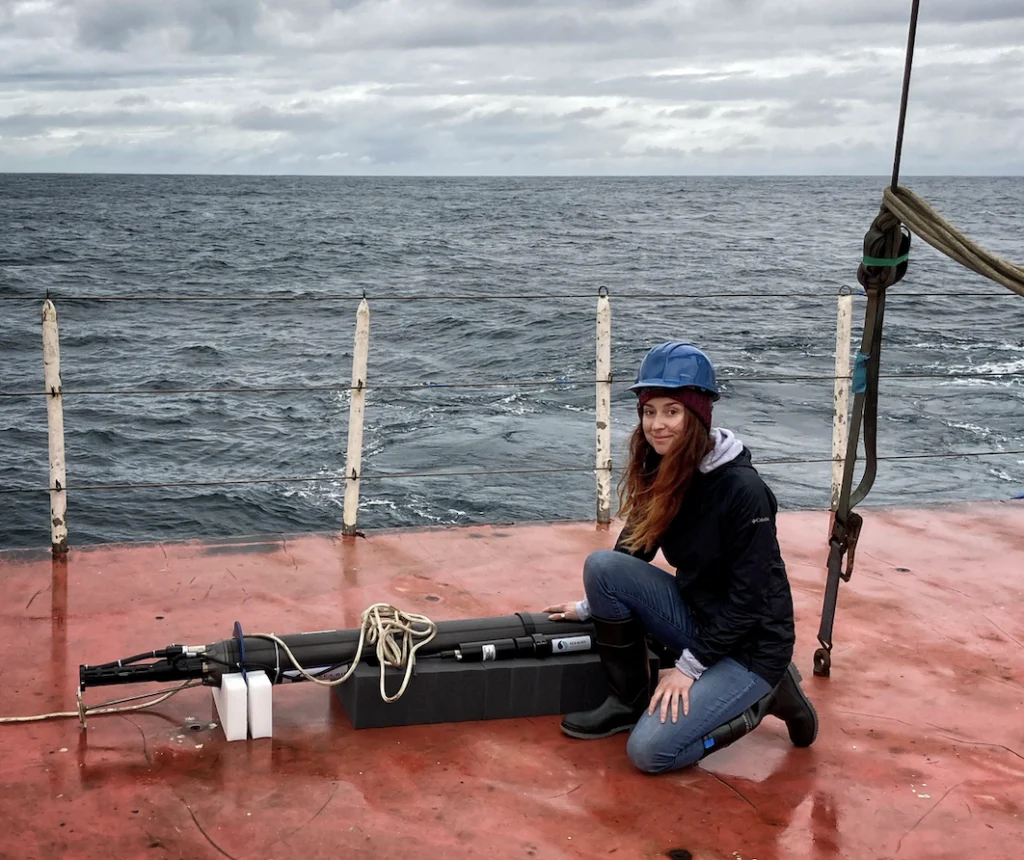
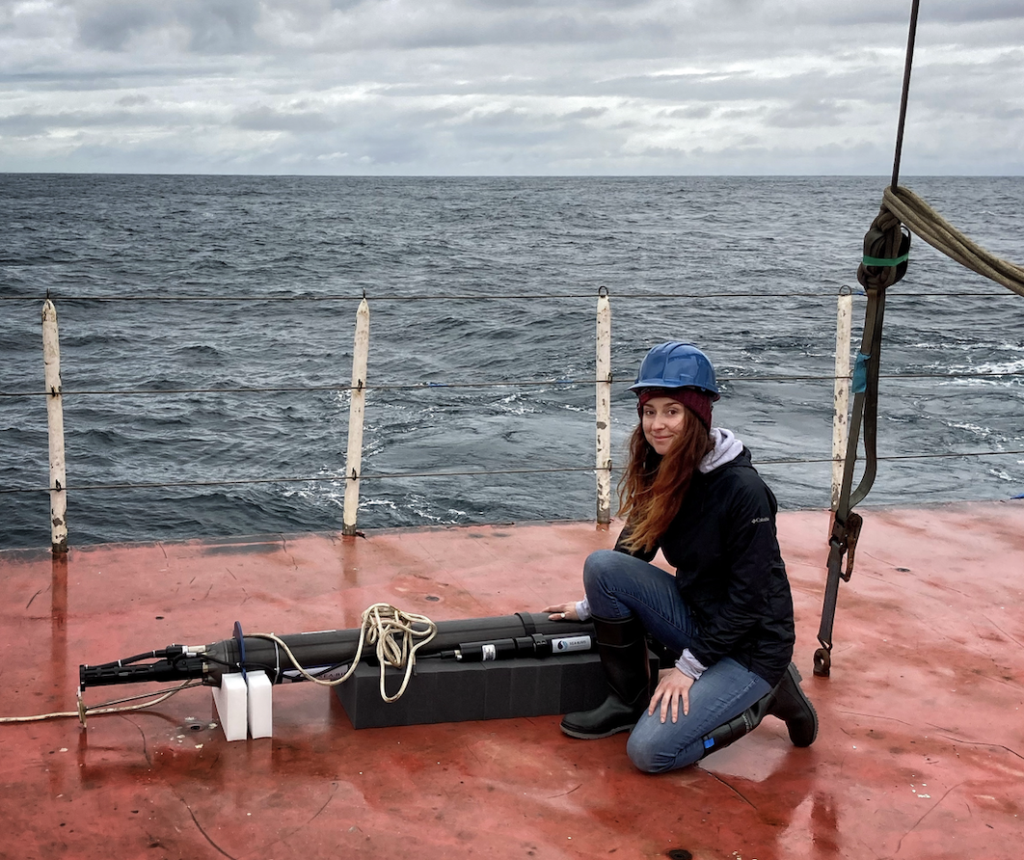
The ability to monitor these shifts in real-time is not the result of manual measurements taken by researchers on ships. Instead, it is made possible by a sophisticated global network of approximately 4,000 autonomous robotic floats known as the Argo program. Since the early 2000s, these devices have been profiling the ocean’s interior, descending to depths of over a mile to collect critical scientific data before surfacing every 10 days to transmit their findings via satellite. This data, which is made freely available to the global scientific community, currently faces an existential threat as funding sources dry up and administrative support from the U.S. government remains uncertain.
The Evolution and Technical Sophistication of the Argo Fleet
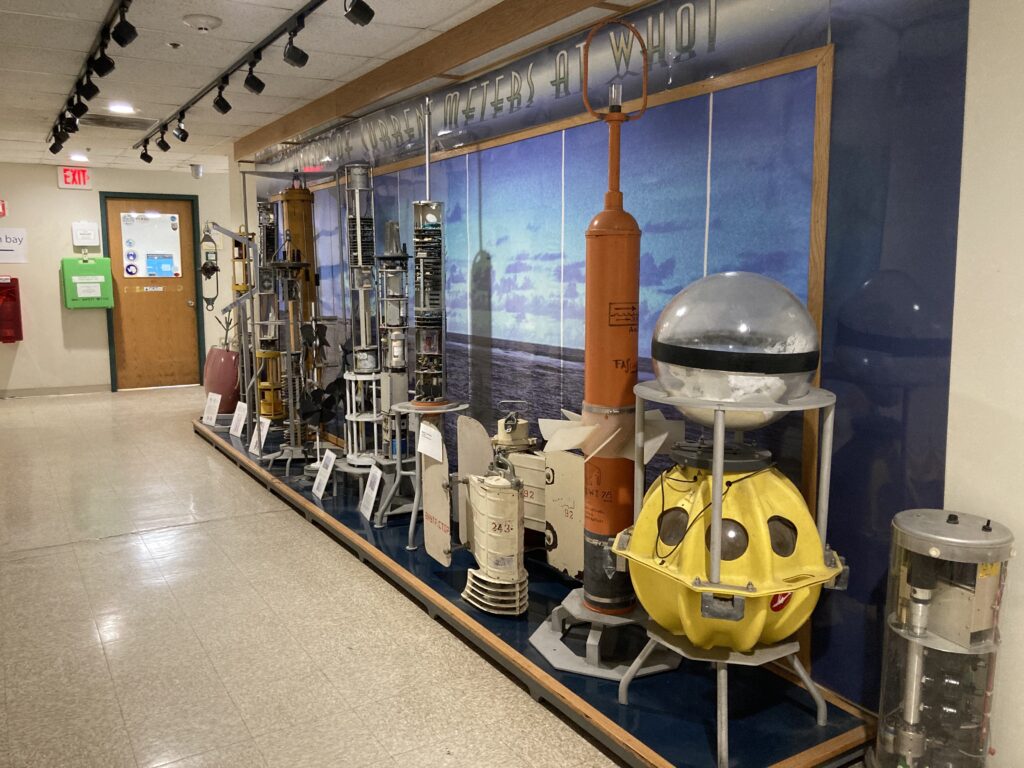
The Argo program, named after the mythical Greek ship Argo used by Jason and the Argonauts, was conceptualized in the late 1990s as a way to provide a "weather map" for the interior of the ocean. Before its inception, oceanographic data was sparse, collected primarily by research vessels that could only sample small sections of the sea at great expense. The introduction of autonomous floats revolutionized the field, providing a continuous, 3D view of the upper 2,000 meters of the global ocean.
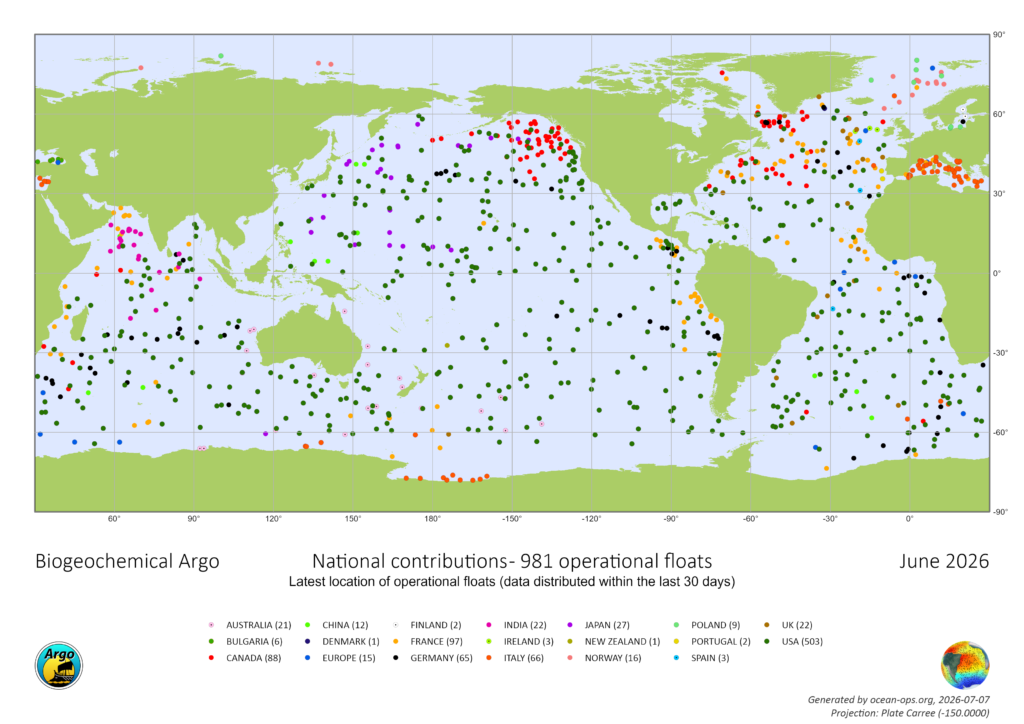
Today, the fleet has evolved beyond basic temperature and salinity measurements. The program now includes Biogeochemical (BGC) Argo floats, which are equipped with sensors to measure oxygen levels, pH, nitrate, chlorophyll, and suspended particles. These metrics are vital for understanding the "biological pump"—the process by which the ocean sequesters carbon—and for monitoring the health of marine ecosystems. Additionally, the "Deep Argo" initiative has deployed floats capable of descending nearly four miles (6,000 meters) to the ocean floor, allowing scientists to observe the processes occurring in the deep abyss, where a significant portion of the Earth’s excess heat is stored.
The data gathered by these floats is utilized by an incredibly broad spectrum of stakeholders. National weather services use it to initialize seasonal and long-range weather forecasts; fisheries rely on it to track the movement of commercially important species; and the military uses it to understand acoustic environments for naval operations. According to the National Oceanic and Atmospheric Administration (NOAA), data from the Argo program is cited in over 500 scientific publications annually, underscoring its role as the bedrock of modern oceanography.
A Chronology of the Current Funding Crisis
The U.S. has historically been the leader of the Argo program, maintaining more than half of the global fleet. Funding for the U.S. portion of the program is decentralized, split primarily between NOAA and the National Science Foundation (NSF). The current crisis stems from the expiration of a major five-year NSF grant that funded the launch of 500 BGC-Argo floats.
The timeline of the current impasse is as follows:
- Late 2022: Leaders of the BGC-Argo program submitted a proposal to the NSF for a new grant to maintain and expand the fleet.
- Early 2023: The typical six-month window for a response from the NSF passed without a decision.
- 2023-2024: Scientific funding across various federal agencies saw significant stagnation or cuts. The administration’s budget priorities shifted, leaving climate-related research programs in a state of financial limbo.
- Mid-2024: The delay in funding reached the 20-month mark. Reports indicated that grants for oceanography had been effectively slashed in half compared to previous fiscal years.
- Current Status: There is currently no federal funding secured to build new U.S. Argo floats for the upcoming year.
Dr. Shawnee Traylor, a chemical oceanographer and carbon cycle scientist who is part of the POW (Protect Our Winters) Science Alliance, warns that the window for action is closing. "We haven’t been told no yet, but we’re running out of time," Traylor noted. "At a certain point, we start losing jobs and decades of critical technical expertise. Right now, our future funding is uncertain."
The Economic Reality: Ships vs. Robots
The financial argument for the Argo program is compelling when compared to traditional ship-based research. Operating a modern research vessel can cost between $25,000 and $50,000 per day, excluding the salaries of the specialized scientists on board. These ships are also limited by weather conditions and can only cover a fraction of the ocean’s surface.
In contrast, an Argo float provides a vertical profile of the ocean for approximately $200 per data set. The autonomous nature of the floats means they work 24 hours a day, 365 days a year, in conditions that would be too dangerous for human crews. "Now we have a daily snapshot of the ocean at very little cost," Traylor explained. "The data is then made freely available to the public within a day." The loss of this program would force the scientific community back to an era of "data deserts," where understanding the ocean would once again become a prohibitively expensive and slow process.
Climate Implications: The "12 Atomic Bombs" Analogy
The stakes of the Argo program extend far beyond weather forecasting; they are central to our understanding of the climate crisis. The global ocean absorbs approximately 90 percent of the excess heat trapped in the atmosphere by greenhouse gases and roughly 30 percent of all human-made CO2 emissions.
To illustrate the scale of this heat absorption, Dr. Traylor utilizes a sobering comparison: the amount of excess heat being absorbed by the ocean is equivalent to exploding 12 atomic bombs every second. "We only know those numbers because of Argo," she stated. This heating causes the water to expand—a process known as thermal expansion—which accounts for about one-third of global sea-level rise. Without the granular data provided by Argo floats, coastal communities would lose their most accurate early warning system for the rate of rising tides and the changing strength of ocean currents.
Furthermore, the subsurface data provided by Argo is essential for predicting the intensity of extreme weather events. While satellites are excellent at capturing surface temperatures, they cannot see what is happening beneath the waves. Forecasters need the subsurface picture to understand how much "fuel" (in the form of warm water) is available to a developing hurricane or cyclone. Sparser data directly translates to less reliable warnings, leaving populations vulnerable to rapidly intensifying storms.
Legislative Precedents and the Path to Bipartisan Support
The current threat to Argo is not unprecedented in the realm of ocean science. Recently, the Ocean Observatories Initiative (OOI)—another critical network of sensors—faced a similar threat of dismantling and defunding. However, the program was saved through a rare show of bipartisan support in Congress.
In June, U.S. Senators Jeff Merkley (D-OR) and Lisa Murkowski (R-AK) led a successful legislative effort to block the defunding of the OOI. In a signed letter to the NSF, 11 senators argued that the system delivers "crucial information about our ocean patterns and weather, reaching and touching all Americans." They emphasized that dismantling such a network would jeopardize decades of research and compromise public safety.
Advocates for the Argo program believe a similar legislative intervention is required. Public pressure and increased awareness are seen as the primary tools for ensuring the program’s survival. The challenge, according to Dr. Traylor, is that the program is so successful and its data so integrated into daily life that many people—including some within the broader scientific community—are unaware that it is under threat.
Conclusion: The Ripple Effect of Data Loss
The potential collapse of the Argo program would create a "data gap" that could take decades to repair. If the fleet is not replenished, the quality of global weather models will begin to degrade within a few years. This degradation would impact everything from agricultural planning and municipal snow removal budgets to disaster response and global shipping routes.
For those who rely on the winter season—whether for recreation, tourism, or water resources—the loss of Argo data would mean flying blind into an increasingly volatile future. As Dr. Traylor emphasized, "Even if they’ve never seen it, everyone is deeply tied to the ocean. People who care about winter’s disappearance should also care about the ocean data that can tell us how quickly that’s coming."
The future of global climate monitoring now rests in the hands of federal budget negotiators. Without a renewed commitment to the robotic fleet that quietly patrols the world’s oceans, the world may lose its most effective tool for navigating the challenges of a warming planet.
