

The landscapes of Southern California, once defined by the fluid movement of migratory herds and low-intensity fire cycles, have transitioned into a period of unprecedented ecological volatility. For millennia, native grasses were grazed, trampled, and redistributed across hillsides by animals responding to the shifting availability of water and forage. This natural rhythm prevented the uniform accumulation of vegetation, creating a mosaic of growth and consumption that mitigated the intensity of wildfires. However, a century of modern fire suppression, aggressive urban development, and the introduction of invasive plant species has disrupted these ancient cycles, transforming the regional relationship with the land from one of symbiquity to one of crisis management.
Today, the combination of hotter temperatures, prolonged drought, and decades of accumulated biomass has turned wildfire into a structural condition of life in the West. Smoke, mandatory evacuations, and insurance instability now define the public’s interaction with the environment. Amidst this backdrop, a traditional yet innovative climate adaptation strategy has reemerged: prescribed grazing. By deploying herds of sheep and goats to consume dry fuels before the onset of fire season, land managers and private practitioners are attempting to restore a semblance of the ecological balance that existed before the era of megafires.
The Evolution of the Modern Megafire
The shift in Southern California’s fire regime is not merely a matter of frequency but of intensity and scale. According to the National Oceanic and Atmospheric Administration (NOAA), climate change—characterized by rising temperatures and increasingly dry atmospheric conditions—has become a primary driver in the severity of wildfires across the western United States. These conditions create "brittle" environments where vegetation dries out rapidly, turning hillsides into massive fuel beds.
Historically, fire moved through chaparral and oak savanna systems with variability, rarely reaching the catastrophic proportions seen in the 21st century. The current reality is a feedback loop: climate change intensifies wildfire, and these fires, in turn, release enormous quantities of carbon into the atmosphere while destabilizing the carbon-sequestering potential of forests and grasslands. Furthermore, hillsides stripped of vegetation by high-intensity burns become highly susceptible to erosion, leading to devastating debris flows during the region’s increasingly erratic "wet" cycles.
A Chronology of Crisis and Adaptation
The trajectory of Southern California’s wildfire crisis can be traced through a series of landmark events that have reshaped public policy and land stewardship.
In 2017, the Thomas Fire devastated Ventura and Santa Barbara counties, burning over 280,000 acres and destroying more than 1,000 structures. At the time, it was the largest wildfire in modern California history, serving as a wake-up call regarding the vulnerability of the Wildland-Urban Interface (WUI). The aftermath of the Thomas Fire catalyzed local efforts to rethink fuel management beyond traditional mechanical clearing.
By 2020, during the isolation of the global pandemic, practitioners like Cole Bush began formalizing these efforts. Bush established the Grazing School of the West and Shepherdess Land and Livestock, focusing on "prescribed grazing" as a holistic ecosystem service. This period marked a shift in focus from simple vegetation removal to "ecological attentiveness," where the behavior of livestock is used to promote the growth of resilient native plants.
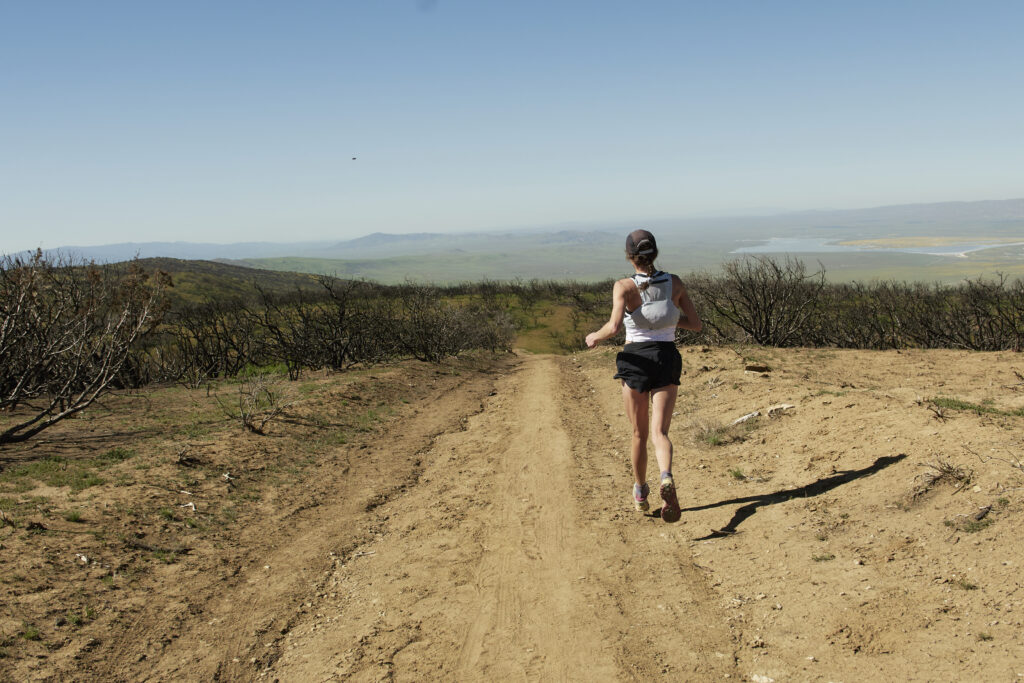
The urgency of this work was underscored by the wildfire seasons of 2025 and 2026. The Madre Fire in 2025 became a case study in how rapidly invasive annual grasses can fuel fire spread across national monuments like the Carrizo Plain. In early 2025, the Los Angeles fires, including the Kenneth Fire near Agoura Hills, demonstrated the critical need for specialized livestock evacuation networks, leading to the formation of the Ojai Herd and Horse Network. By the time the Sandy Fire impacted Ventura County in 2026, the integration of fire roads and grazed fuel breaks had become a central component of regional defense strategies.
The Mechanics of Prescribed Grazing
Prescribed grazing is an intentionally designed form of land stewardship that utilizes the natural behaviors of different livestock species to achieve specific ecological goals. Unlike industrial grazing, which often focuses on meat or fiber production, prescribed grazing treats animals as "biological tools" for land management.
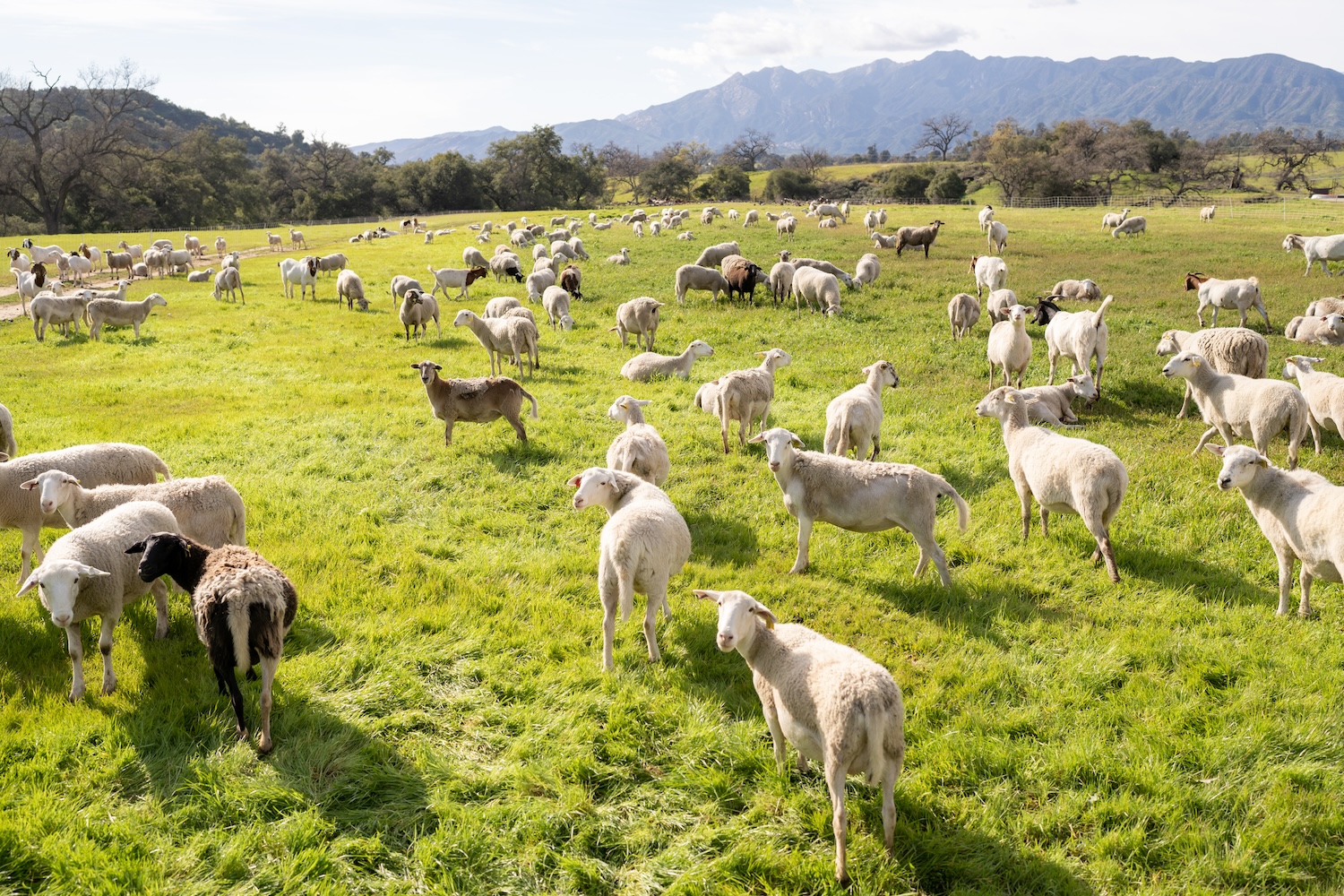
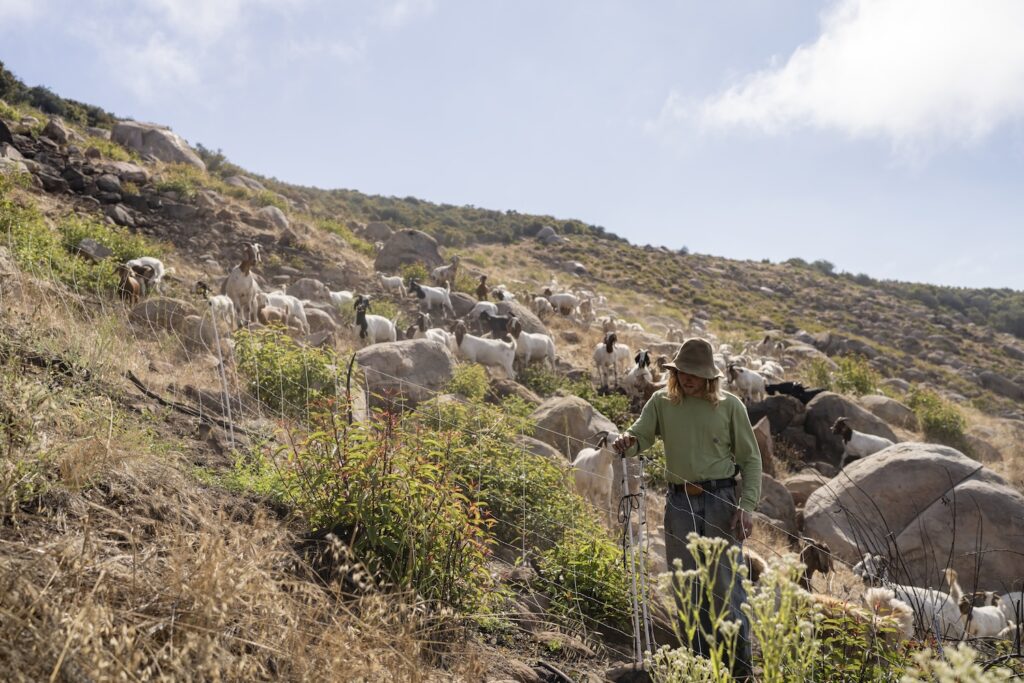
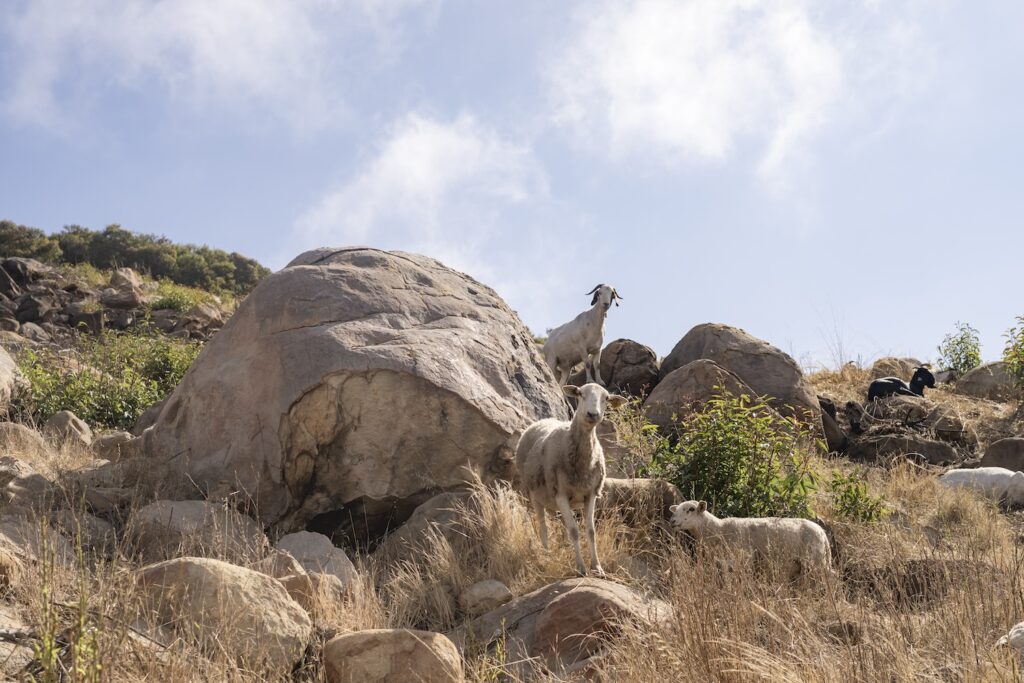
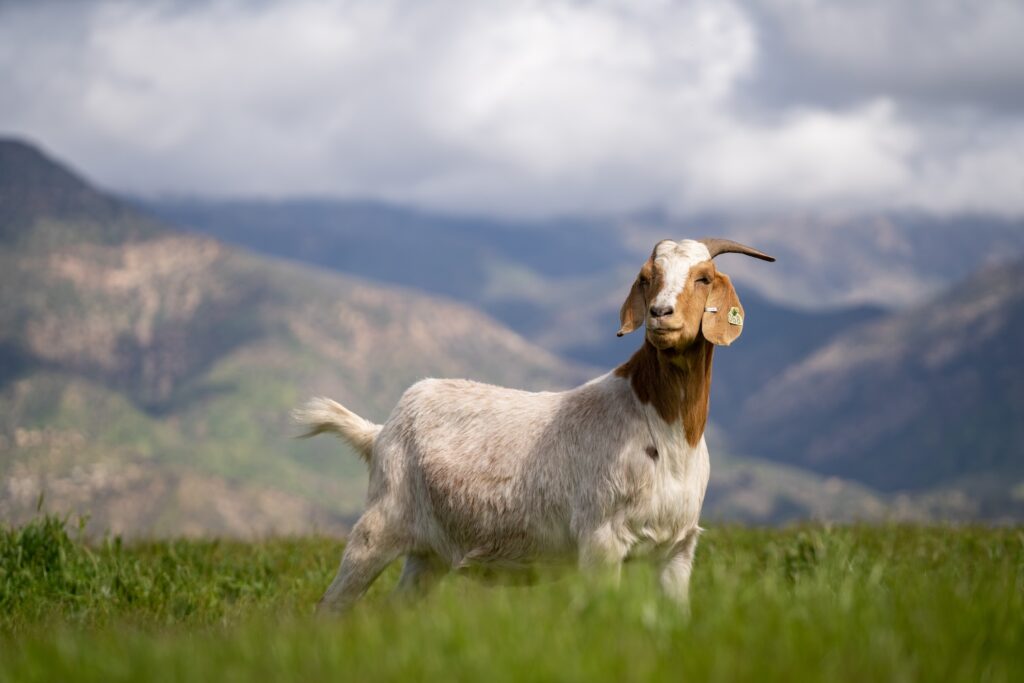
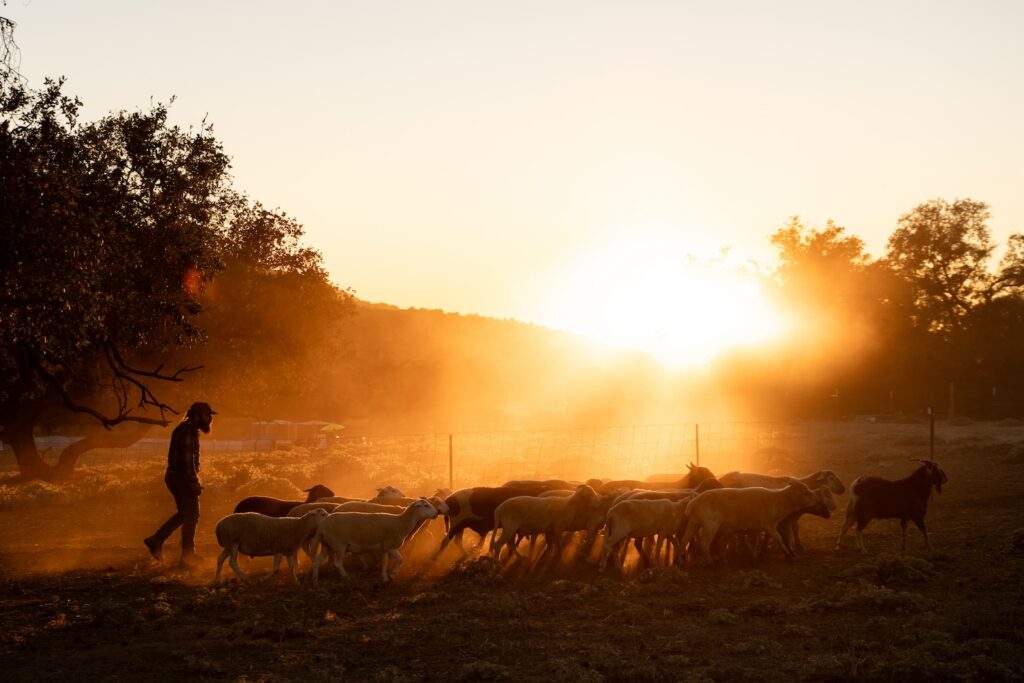
Cole Bush, a leading practitioner in Ojai, describes the use of sheep and goats as a "combo punch." Goats are primarily "browsers," preferring woody vegetation, shrubs, and low-hanging tree branches. Sheep are "grazers," focusing on grasses and lower-growing forage. By tailoring the ratio of these species to the specific vegetation of a site, shepherds can effectively reduce fuel loads in terrains that are inaccessible to heavy machinery or too risky for prescribed burns.
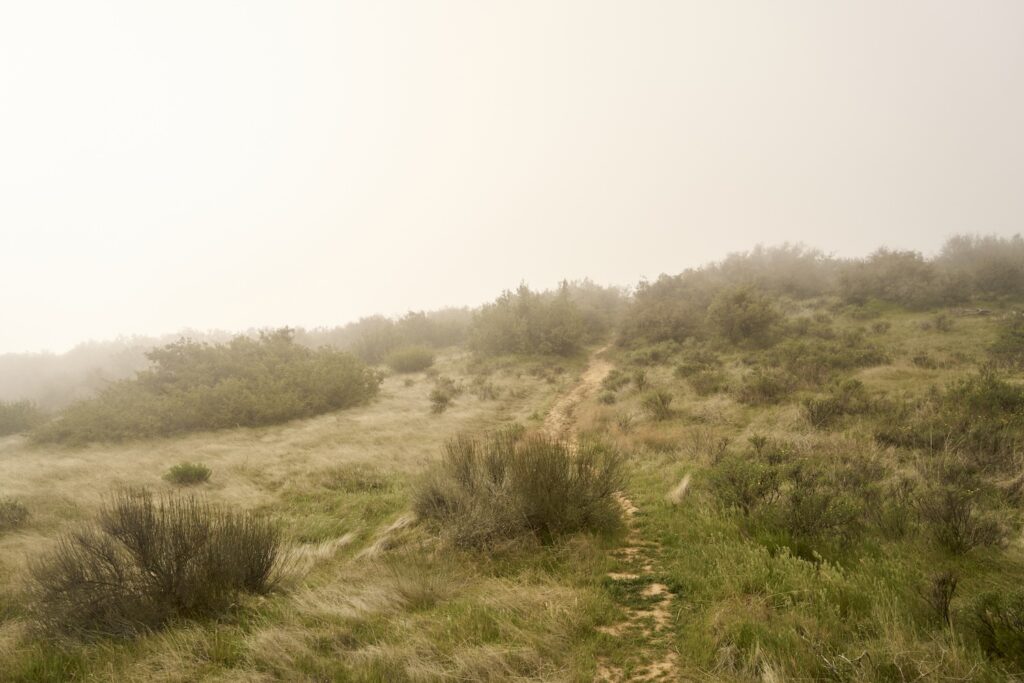
Before animals are introduced to a landscape, a comprehensive evaluation is conducted. This includes analyzing vegetation density, soil compaction, moisture levels, and the presence of invasive species. The goal is to address the systemic cause of ecological dysfunction rather than just the symptoms. For instance, targeted grazing can suppress invasive grasses that dry out early in the season, allowing deep-rooted native perennials more space and water to thrive. These native plants are often more fire-resistant and better at stabilizing soil against post-fire erosion.
Economic and Social Implications
The rising threat of wildfire has moved from an environmental concern to a primary driver of California’s economic and political landscape. Major insurance providers, including State Farm and Allstate, have significantly reduced their exposure in California, citing the increased risk of catastrophes. This has left many homeowners in the WUI reliant on the FAIR Plan, the state’s insurer of last resort, and has forced local governments to implement stricter "defensible space" regulations.
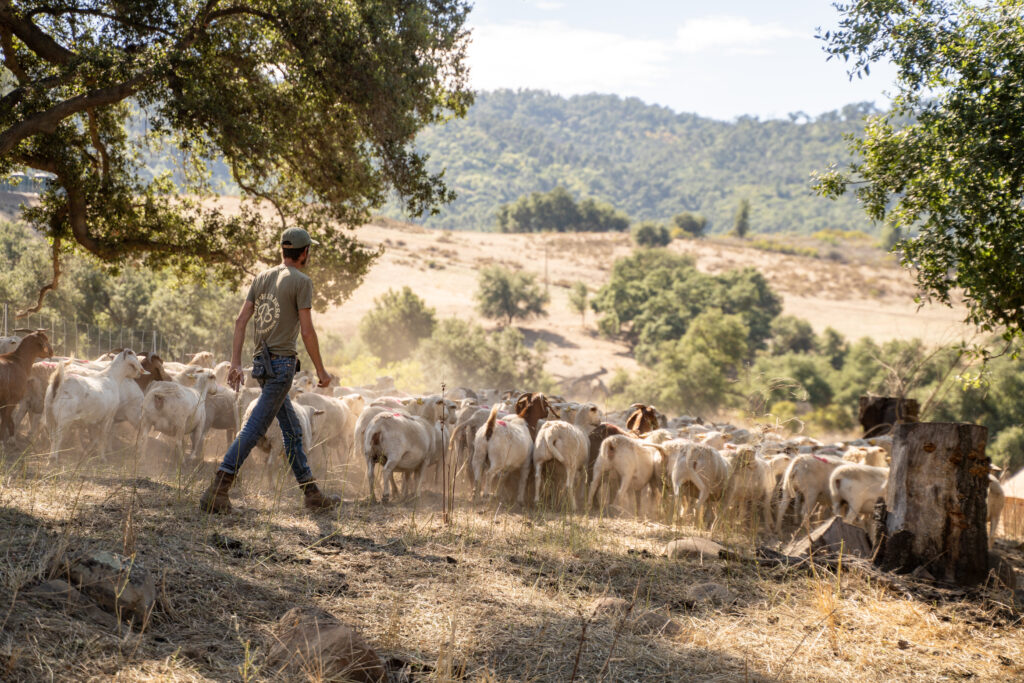
In this context, prescribed grazing offers a cost-effective alternative to mechanical fuel reduction. Animals can move through utility corridors, steep canyon walls, and suburban edges with minimal ecological disruption. "We move animals down suburban streets," Bush noted, highlighting the adaptability of livestock in the complex geography of Southern California’s residential-wildland boundaries.
Furthermore, the "modern shepherd" is increasingly viewed as a vital participant in community resilience. During the 2025 Los Angeles fires, the ability of experienced shepherds to move semi-feral animals calmly under high-stress conditions saved hundreds of livestock. This "quiet activism" involves leading from the back—observing the rhythm of the land and the animals to ensure that the human presence on the landscape is one of support rather than domination.
The Intersection of Recreation and Stewardship
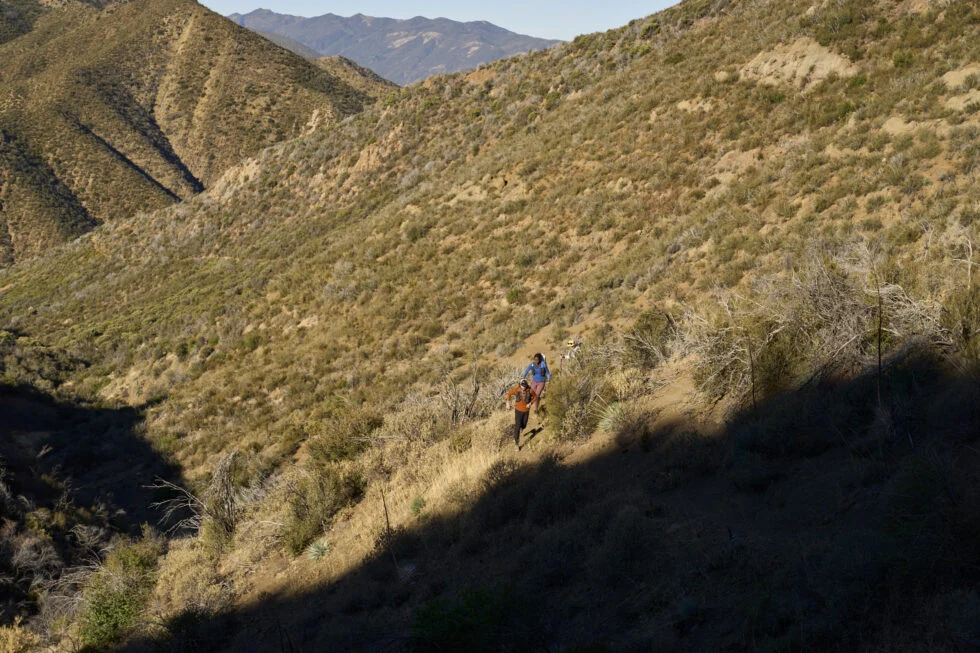
Southern California’s extensive trail networks attract millions of runners, hikers, and cyclists annually. Historically, these recreationists have viewed the landscape as a static backdrop for physical challenge. However, the increasing frequency of trail closures due to burn scars and unstable terrain has forced a shift in perspective.
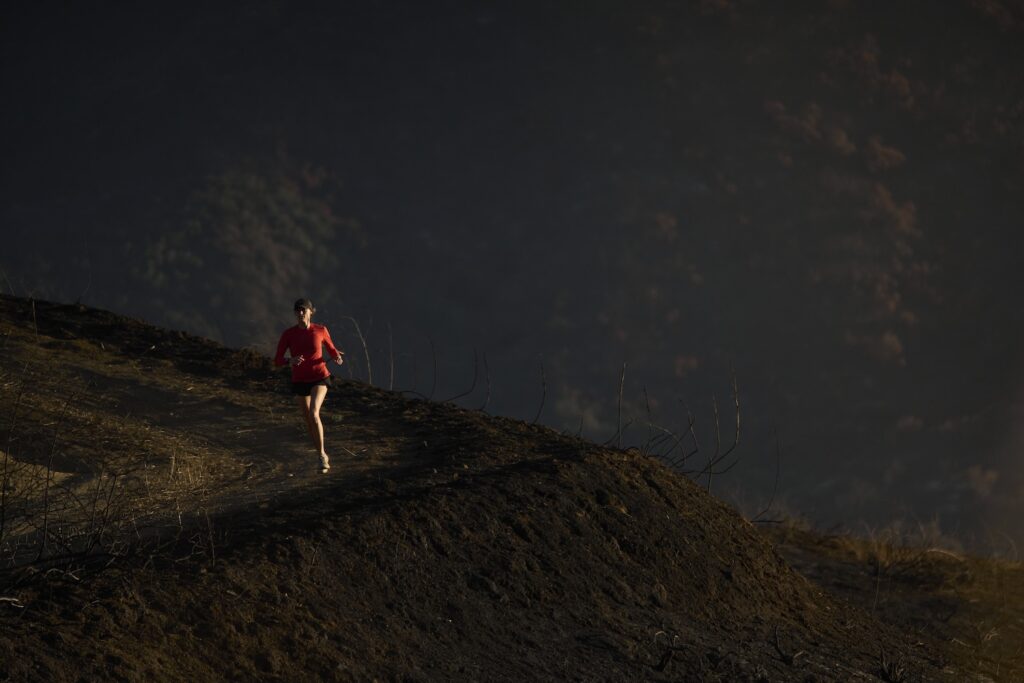
Photographer and trail runner Liam Pickhardt observes that those who move through these landscapes on foot often develop an intimate understanding of ecological change. "Trail runners interact with landscapes on a very intimate level," Pickhardt stated. "There is a love and reliance on the land that teeters on a symbiotic relationship." This intimacy is increasingly being channeled into advocacy for active land management.
The Ojai Valley Fire Safe Council, led by officials like Kalli O’Connor, emphasizes that wildfire resilience is a long-term cultural adaptation. Stewardship is no longer an optional conservation activity; it is a prerequisite for living in fire-prone regions. This involves a layered approach: public education, updated fire hazard mapping, ecological restoration, and the visible presence of grazing herds on the hillsides surrounding vulnerable towns.
Analysis of Ecological Trajectory
The future of Southern California’s ecology depends on the ability to transition from a policy of fire exclusion to one of fire preparation. The Mediterranean climate—defined by short, intense wet periods followed by long droughts—is becoming more "brittle" under the pressure of climate change. In such an environment, the accumulation of "fine fuels" like invasive grasses creates a hair-trigger for ignition.
Prescribed grazing serves as a bridge between the ancient past and a volatile future. By reintroducing the "movement" that once defined these systems, land managers can create "fuel breaks" that give firefighters a tactical advantage and reduce the heat intensity of fires when they do occur. This, in turn, protects the "seed bank" in the soil, allowing native ecosystems to recover more quickly after a burn.
The transformation of Southern California’s ecology is a collective narrative. As Cole Bush suggested, the story of adaptation belongs to the community rather than any single individual. The integration of livestock, the vigilance of fire safe councils, and the observational data provided by recreationists all form a new framework for coexisting with fire.
Conclusion
Southern California will continue to experience wildfire; it is an inherent characteristic of the region’s geography and climate. However, the catastrophic nature of modern megafires is not an inevitability. Through the strategic use of targeted grazing and a renewed commitment to land stewardship, there is a pathway toward a more resilient future. Landscapes are fundamentally shaped by what moves through them—be it fire, water, animals, or people. By supporting the movement of sheep and goats across the hillsides of Ojai, Malibu, and Ventura, Southern California is taking a vital step toward restoring the ecological balance required to sustain life in an era of climatic uncertainty. The modern shepherd, the trail runner, and the fire scientist are now part of a unified effort to ensure that the beauty of the Western landscape remains inhabitable for generations to come.
